100 Years of Music / Chapter 7 of 11
1980s: Image and Innovation
MTV turns sound into pictures, the drum machine turns the beat into a grid, and hip-hop steps off the block and onto wax.
Opening
Fort Lee, New Jersey, one minute past midnight, 1 August 1981. A cable channel almost nobody can receive plays a grainy clip of a British band miming in a studio full of televisions. The song is called "Video Killed the Radio Star". Nobody at the channel wanted to open with it. It was chosen because it was symbolic, and it turned out to be a prophecy.
The 1980s are the decade music learned to be seen. A band's haircut, a dancer's glove, a video shot in a Los Angeles alley: these became as much a part of the record as the bassline. Production got glossy. Fashion got loud. A studio full of new machines, a Yamaha DX7, a Roland TR-808, a Linn drum machine, a Fairlight, put a hard grid under everything from country ballads to Jamaican dancehall.
Rock did not die. It multiplied. Punk ran faster and became hardcore. Punk slowed down, thought too much and became post-punk and goth. Metal grew hair in Los Angeles and grew fangs in the Bay Area. Away from the mainstream a generation of misfits built college radio, independent labels and a sound that would flip the world in 1991.
And in the Bronx, then Queens, then Long Island, then Compton, a culture that had lived in parks and rec rooms found itself on vinyl, on television and on the charts. Rap went from novelty to force in ten years. It got its first gold records, its first million-dollar sneaker deal, its first letter from the FBI.
Underneath all of it: Chicago basements where a DJ named Frankie Knuckles was re-editing disco on reel-to-reel tape, Detroit teenagers building a science-fiction dance music out of Kraftwerk records, and a Kingston studio where a cheap Casio keyboard preset became the future of reggae. The 1980s were neon-drenched, synth-soaked and hairspray-fueled. They were also the decade a kid with a boombox and a kid with a synthesizer turned out to be building the same future.
Plug in the keytar, cue the video, and drop the needle. This is the decade the machines started to sing.
The World
MTV, and who got to be on it
Music Television launched on 1 August 1981 to a few thousand cable homes in New Jersey. Within two years it could make or break a single. In its first eighteen months it played almost no Black artists, arguing it was a "rock" channel. Michael Jackson's "Billie Jean" clip in 1983 broke that wall, and the rest of the decade walked through the hole.
The compact disc
Sony and Philips agreed a standard in 1980. The first commercial CD, Billy Joel's "52nd Street", went on sale in Japan on 1 October 1982 alongside the Sony CDP-101 player, and discs reached Europe and America in March 1983. Dire Straits' "Brothers in Arms" (1985) became the first album to sell a million copies on CD. By the end of the decade the silver disc was outselling vinyl.
The Walkman and the boombox
Cassettes outsold LPs in America by 1983. The Walkman made listening private and portable; the boombox made it public and loud. A teenager could carry "Thriller" to school in a shirt pocket or carry "Planet Rock" down the block on a shoulder. Both machines put music in motion, and both fed the mixtape, the decade's real folk art.
Reagan, Thatcher and the money
Ronald Reagan and Margaret Thatcher governed most of the decade on deregulation, tax cuts and a hard line against unions and the Soviet Union. The recession of 1982 emptied factories from Youngstown to Sheffield; the boom that followed made yuppies and stadium tours. Springsteen, Mellencamp, the Specials and Billy Bragg wrote from one side of that line. The charts mostly sang from the other.
AIDS
The first cases were reported in 1981. By the decade's end the epidemic had killed hundreds of thousands, and it cut through music with particular cruelty: disco and house dance floors, the New York club underground, the gay men who built those scenes. Sylvester, Klaus Nomi, Patrick Cowley and Arthur Russell died before 1993. Freddie Mercury would follow in 1991. Governments were slow. Musicians were not: benefit records and dance-floor memorials became part of the culture.
Charity as spectacle
Band Aid's "Do They Know It's Christmas?" (December 1984), USA for Africa's "We Are the World" (1985), Live Aid on 13 July 1985 in two stadiums on two continents, Farm Aid that September, "Sun City" that October against apartheid. The decade discovered that a satellite, a stadium and a chorus of famous faces could raise money faster than any government. It also discovered how good that looked on television.
Walls come down
The decade began with the murder of John Lennon outside the Dakota on 8 December 1980 and the death of Bob Marley in a Miami hospital on 11 May 1981. It ended with the Berlin Wall opened on 9 November 1989, months after tanks cleared Tiananmen Square. The Challenger explosion in January 1986 and the Chernobyl disaster that April sit in the middle. Popular music, wired to satellites for the first time, watched all of it live.
The Sounds
Pop learns to be looked at
Pop in the 1980s meant a face, a video, a producer and a machine. Michael Jackson's "Thriller" (1982) is the model: Quincy Jones sequencing nine songs like a film, Eddie Van Halen dropped into "Beat It", the title track shot as a fourteen-minute horror movie. It sold more than any album before it and forced MTV and Top 40 radio to end their unofficial colour line.
Prince did it from Minneapolis with a Linn drum machine, an Oberheim synth and a guitar that could do anything. Madonna did it from the New York clubs with a producer, Nile Rodgers, and an instinct for the camera that nobody has matched since. Whitney Houston did it with a voice out of the Newark church and Clive Davis's A&R desk. Janet Jackson did it by hiring Jimmy Jam and Terry Lewis, two of Prince's cast-offs, and calling the record "Control".
Across the Atlantic, British pop got there through synthesizers. The Human League, Soft Cell, Depeche Mode, Yazoo, Eurythmics, Duran Duran, Tears for Fears, the Pet Shop Boys and a-ha wrote pop songs with the drums programmed and the guitars optional. MTV, short on American videos, played them constantly. Britain's second invasion of the American charts arrived on cable television.
By 1989 pop had absorbed hip-hop beats (Janet's "Rhythm Nation 1814"), gospel ("Like a Prayer") and house. The DX7 electric piano, the gated snare and the big chorus were everywhere. Then the decade ended, and so, for a while, did the appetite for gloss.
From the block to the Billboard
Hip-hop entered the decade as a party culture and left it as an industry. "Rapper's Delight" (1979) had proved rap could be a record. Kurtis Blow became the first rapper on a major label. Then, in 1982, two singles changed the job description. "The Message", written mostly by Ed "Duke Bootee" Fletcher and rapped by Melle Mel over a slow, empty synthesizer track, made rap a place for street reporting. Afrika Bambaataa's "Planet Rock", built from Kraftwerk melodies and a Roland TR-808, made the drum machine the new band.
Run-DMC stripped it down further: two voices, one DJ, a beat box, a leather jacket, Adidas with no laces. "Rock Box" (1984) put a rap video on MTV. "Walk This Way" (1986), Rick Rubin's idea, put Aerosmith on a rap record and the record in Billboard's top five. Def Jam, founded in 1984 by Rubin and Russell Simmons, signed LL Cool J, the Beastie Boys and Public Enemy, and made the rap album a real album rather than a stack of singles.
Then sampling arrived. The E-mu SP-1200 and the Akai MPC60 (1988) let a producer chop a James Brown break into pieces and rebuild it. Marley Marl and the Juice Crew turned that into an aesthetic; Eric B. & Rakim's "Paid in Full" (1987) put a calm, internally rhymed, almost mathematical voice on top; Public Enemy's Bomb Squad piled samples into a wall of noise behind Chuck D's baritone on "It Takes a Nation of Millions to Hold Us Back" (1988). Boogie Down Productions, Big Daddy Kane, Slick Rick, Salt-N-Pepa, MC Lyte and Queen Latifah each carved out a lane. The "Bridge Wars" between Queensbridge and the Bronx settled where hip-hop came from, on record.
By 1987 the map had widened. Ice-T's "6 in the Mornin'" and Too Short's Oakland tapes had sketched a West Coast; N.W.A's "Straight Outta Compton" (1988) drew it in full. Without radio, and with a letter of complaint from the FBI, it sold two million. Meanwhile the Native Tongues, De La Soul and the Jungle Brothers, answered with daisies, Afrocentrism and a sample of Johnny Cash. "Yo! MTV Raps" went weekday-daily in 1989. The blueprint was written.
The big tent, the small club and the hairspray
The 1980s were the golden age of the radio hook. Rock got polished, catchy and enormous, built to fill stadiums and sell by the million. Bruce Springsteen recorded "Nebraska" (1982) alone on a four-track cassette machine, then made "Born in the U.S.A." (1984) with the biggest drum sound of the decade and put seven singles in the top ten. Tom Petty, John Mellencamp, Bryan Adams, Bob Seger and INXS worked the same seam: heartland stories with arena choruses.
The Police, U2 and Dire Straits were the British and Irish end of the tent. "Synchronicity" (1983) sent the Police to Shea Stadium and then apart. "The Joshua Tree" (1987) made U2 the biggest band in the world. "Brothers in Arms" (1985) made Mark Knopfler the sound of the compact disc, with a video full of computer animation that MTV played until it wore out. Phil Collins, Peter Gabriel, Journey, Foreigner, Huey Lewis, Bruce Hornsby, Robert Palmer and Billy Idol filled the rest of the dial.
Glam metal was hard rock in spandex. Van Halen's "1984" put a synthesizer on a rock number one. Mötley Crüe, Ratt, Quiet Riot, Twisted Sister, Poison and Cinderella made the Sunset Strip a genre. Def Leppard's "Hysteria" (1987) and Bon Jovi's "Slippery When Wet" (1986) turned it into pop with bigger drums. Guns N' Roses' "Appetite for Destruction" (1987) was what happened when the Strip remembered it was dangerous.
Paul Simon went to Johannesburg for "Graceland" (1986) and came back with a masterpiece and a boycott argument. The Traveling Wilburys (1988) put Dylan, Harrison, Orbison, Petty and Jeff Lynne in one garage. Tracy Chapman's "Fast Car" (1988) was a folk song that a rock audience adopted in a single summer. Rock in the 1980s was not one thing. It was a tent, and the tent was full.
College radio and the outsiders
Away from the mainstream glitz, a generation of misfits built their own infrastructure: college radio stations, fanzines, independent labels (SST, Dischord, Twin/Tone, Homestead, Sub Pop by 1988), a circuit of clubs a van could reach. R.E.M.'s "Murmur" (1983) is where most people start: jangling Rickenbackers from Athens, Georgia and a singer you could not quite understand, on a label, I.R.S., that was independent in spirit if not on paper.
The Replacements and Hüsker Dü, both from Minneapolis, both on independents, both on the road constantly, showed that hardcore could grow melodies without losing its nerve. The Minutemen's "Double Nickels on the Dime" (1984) crammed forty-five songs onto two LPs. Sonic Youth tuned their guitars wrong on purpose and made "Daydream Nation" (1988). The Pixies, from Boston via the London label 4AD, wrote the quiet-loud-quiet trick that Nirvana would take to the top of the charts. Dinosaur Jr. turned it up.
Britain ran a parallel scene. The Smiths (1982 to 1987) made Johnny Marr's guitar and Morrissey's misery the sound of a bedsit. The Jesus and Mary Chain buried bubblegum under feedback on "Psychocandy" (1985). Echo and the Bunnymen, the Cure, Siouxsie and the Banshees and Bauhaus drew the darker corners: post-punk that thought too much, goth that dressed for it. The Cocteau Twins and My Bloody Valentine made guitars sound like weather. By 1989 the Stone Roses had crossed indie with acid house in Manchester, and the next decade was already audible.
Hardcore: loud, fast, DIY, repeat
Punk did not die in 1980. It got faster, shorter and further underground. Hardcore was built around zines, basement shows, seven-inch singles and a refusal to ask permission. Black Flag in Los Angeles ran the label, SST, booked the tours and took the beatings from the LAPD; "Damaged" (1981) is the sound of that. Minor Threat in Washington, DC lasted three years, coined "straight edge" in a song under a minute long, and left behind Dischord Records, still run by Ian MacKaye on the same terms.
Bad Brains, four Black Rastafarians from DC who had started as a jazz-fusion band, played faster than anyone and switched to reggae between songs; their 1982 cassette on ROIR is still the fastest thing on this page. Dead Kennedys turned San Francisco satire into a political weapon and ended up in court over an album insert. The Misfits gave the scene horror-movie makeup; the Descendents and Circle Jerks gave it the skateboard.
Post-punk was the other road out of 1977: Joy Division, Gang of Four, Public Image Ltd, the Fall, Wire, the Raincoats. When Ian Curtis died in May 1980, the rest of Joy Division became New Order and took the road toward the dance floor. Hardcore kept running. By 1987 MacKaye had formed Fugazi, five-dollar shows, all ages, no merchandise, and the ethic had outlived the tempo. The 1990s would call the result "emo" and "post-hardcore". Fugazi called it a band.
Thrash in the basement, glam on the Strip
The New Wave of British Heavy Metal set the terms. Motörhead's "Ace of Spades" (1980) was punk played by a metal band. Judas Priest's "British Steel" (1980) stripped the genre to riffs, leather and studs. Iron Maiden's "The Number of the Beast" (1982), the first with Bruce Dickinson, gave it gallop, narrative and a zombie mascot, and got the band on MTV, the first metal act there. Ozzy Osbourne, sacked from Black Sabbath, hired Randy Rhoads and made "Blizzard of Ozz"; Dio made "Holy Diver" (1983).
In Bay Area garages and Los Angeles rehearsal rooms, kids raised on Maiden and Motörhead and Discharge played it twice as fast. Metallica's "Master of Puppets" (1986) shifted half a million copies while radio and MTV ignored it entirely, and it was the first metal album the Library of Congress preserved. Slayer's "Reign in Blood" (1986), twenty-nine minutes, produced by Rick Rubin, is thrash's hard limit. Megadeth, Anthrax, Exodus and Testament filled out the movement. In Florida, Death pushed past thrash into what would be called death metal, and Possessed were doing the same in the Bay Area.
On the Sunset Strip the other metal wore lipstick. Mötley Crüe, Ratt, Poison, Cinderella and Warrant sold spectacle, hooks and power ballads to MTV, and Bon Jovi and Def Leppard sold the pop version to everyone else. In September 1985 the Parents Music Resource Center took Prince, Twisted Sister, Judas Priest and Mötley Crüe to a Senate hearing; Frank Zappa, Dee Snider and John Denver testified against them. The result, in November, was the "Parental Advisory" label, and a better marketing tool than any of them had imagined.
House, techno and the machines that sang
Between 1977 and 1982 Frankie Knuckles played to a Black, largely gay crowd at the Warehouse, a three-storey building at 206 South Jefferson Street in Chicago. He re-edited disco records on reel-to-reel tape, stretched the breaks and added a drum machine underneath. Record shops on the South Side started stocking a bin marked "Warehouse music", then "house music". By 1983 Knuckles had left for his own club, the Power Plant, and Ron Hardy was playing harder and stranger at the Music Box.
Jesse Saunders' "On and On" (1984) is generally called the first house record on vinyl. Knuckles and Jamie Principle's "Your Love", Marshall Jefferson's "Move Your Body" (1986) and Larry Heard's "Can You Feel It" followed on Trax and DJ International. In 1987 Phuture twisted the knobs on a Roland TB-303 bass machine until it squealed, and "Acid Tracks" gave the music a new sub-genre and a name for a British summer.
Forty minutes from Detroit, in Belleville, three high-school friends, Juan Atkins, Derrick May and Kevin Saunderson, were listening to Kraftwerk, Parliament and Italian disco on the Electrifying Mojo's radio show. Atkins' Cybotron and Model 500 ("No UFOs", 1985) built the template; May's "Strings of Life" (1987) gave it strings and grandeur; Saunderson's Inner City ("Good Life", 1988) gave it a chorus. A 1988 British compilation gave it a name: techno.
Britain took all of it and added ecstasy, Ibiza and a smiley face. Danny Rampling's Shoom opened in London in late 1987; the Haçienda, open in Manchester since 1982 and losing money ever since, finally filled. The summer of 1988 became the Second Summer of Love, then the warehouse parties, then the tabloid panic. A Guy Called Gerald's "Voodoo Ray" was the homegrown answer, and 808 State's "Pacific State" followed a year later. Kraftwerk's "Computer World" (1981) had predicted the whole thing, and hip-hop, house and techno all sampled it.
Quiet storm, Minneapolis and new jack swing
R&B started the decade in the smooth lane and ended it in the rough one. Luther Vandross's "Never Too Much" (1981) set the quiet-storm standard: a tenor with perfect diction over strings and a tight pocket. Anita Baker's "Rapture" (1986) took it to eight million copies. Sade, a Nigerian-born Londoner with a jazz band behind her, gave the same mood an international passport. Marvin Gaye's "Sexual Healing" (1982) was his comeback, on a drum machine, two years before his father shot him.
Prince was the other pole. From Minneapolis he built a sound out of Linn drums, Oberheim synths and funk guitar, then handed it to the Time, Sheila E., and two former sidemen, Jimmy Jam and Terry Lewis, whose Flyte Tyme studio produced Janet Jackson's "Control" (1986) and half the R&B charts after it. Rick James' "Super Freak" (1981), Cameo's "Word Up!" (1986) and Stevie Wonder's "I Just Called to Say I Love You" (1984) kept funk and pop soul alive in between.
Then a Harlem teenager named Teddy Riley put hip-hop drums under R&B singing. Keith Sweat's "Make It Last Forever" (1987) and Bobby Brown's "Don't Be Cruel" (1988), and Riley's own group Guy, made "new jack swing" the sound of 1988 and 1989: swung 808 hi-hats, stabbing synth brass, a singer who could also rap. New Edition, the Boston boy band that had produced Brown, went the same way. The 1990s R&B of Mary J. Blige, Jodeci and Boyz II Men starts here.
Urban cowboys and new traditionalists
The decade opened with a film. "Urban Cowboy" (1980) sent America to Gilley's honky-tonk in a Stetson and made country the pop-crossover sound of 1980 and 1981. Dolly Parton's "9 to 5" went to number one on both charts. Kenny Rogers and Dolly's "Islands in the Stream" (1983), written by the Bee Gees, and Willie Nelson's "Always on My Mind" (1982) were as smooth as anything on adult radio. Alabama, a self-contained band in a genre of solo singers, put a number one on the country chart every year of the decade.
The reaction came from Texas. George Strait, signed to MCA in 1981, had a hit with "Unwound" and did not change his hat, his band or his western swing for the next forty years. Ricky Skaggs brought bluegrass mandolin to the top of the charts. The Judds, a mother and daughter from Kentucky, made acoustic harmony records. Reba McEntire moved to MCA in 1984 and took control of her own songs. Nashville called it "new traditionalism". The fans called it country.
Randy Travis made it a movement. "Storms of Life" (1986), cut with Kyle Lehning for Warner Bros., was the first country debut to go platinum, and its baritone and steel guitar cleared the way for Dwight Yoakam ("Guitars, Cadillacs", 1986), Steve Earle ("Guitar Town", 1986), k.d. lang, Lyle Lovett and Rosanne Cash, who each pulled the form somewhere new. In 1985 Cash, Nelson, Jennings and Kristofferson formed the Highwaymen. In April 1989 Capitol released a debut by an Oklahoma singer named Garth Brooks, and Clint Black followed a month later. The 1990s explosion had its fuse.
Young lions, a comeback and a scratch
Jazz in the 1980s argued about its own past. In 1980 a nineteen-year-old New Orleans trumpeter, Wynton Marsalis, joined Art Blakey's Jazz Messengers, the same finishing school that had produced Lee Morgan and Freddie Hubbard. In 1983 and again in 1984 he won Grammys in jazz and classical in the same year, the only musician ever to do so, and Columbia built a movement of sharp-suited "young lions" around him: Branford Marsalis, Terence Blanchard, Marcus Roberts. "Black Codes (From the Underground)" (1985) is the case for the defence: acoustic, post-bop, fiercely played.
Miles Davis had the opposite idea. Back from five silent years, he returned in 1980 and toured again in 1981 with "The Man with the Horn", then spent the decade with pop tunes, synthesizers and Marcus Miller, whose "Tutu" (1986) put Miles alone against a wall of programmed sound. Herbie Hancock went further: "Rockit" (1983), built with Bill Laswell and Grand Mixer D.ST scratching a record on the turntable, was a hit on MTV and the first time most of America heard a DJ scratch.
Everywhere else the map fragmented. Pat Metheny found a huge audience for a warm, open guitar sound. Ornette Coleman's Prime Time played free jazz with two electric bands. Weather Report ended in 1986; Steps Ahead and Kenny G, in very different ways, defined what "contemporary" and "smooth" jazz would mean on radio. Betty Carter kept the vocal tradition honest. Clint Eastwood's "Bird" (1988) put Charlie Parker in cinemas. And Sade, Anita Baker and the quiet-storm producers borrowed jazz's chords for the biggest R&B records of the decade.
After Marley: dancehall goes digital
Bob Marley released "Uprising" in 1980, closed his last concert with "Redemption Song", and died in Miami on 11 May 1981, aged thirty-six. Roots reggae lost its ambassador, and in Kingston the music was already moving. Dancehall, a stripped-back, DJ-led sound built on riddims for the sound systems, had been rising since the late 1970s. Yellowman, an albino DJ who talked slack and fast, was its first superstar; "Mister Yellowman" (1982) and "Zungguzungguguzungguzeng" made him the most popular Jamaican artist since Marley.
In early 1985 a young singer, Wayne Smith, and a friend, Noel Davey, found a "rock" preset on a Casio MT-40 home keyboard. Producer Lloyd "King Jammy" James slowed it down and built a riddim. "Under Me Sleng Teng" was reggae's first fully digital rhythm track, and within a year every studio in Kingston had thrown out its bass players. Hundreds of versions of "Sleng Teng" exist; the digital era it started still runs.
The same year the Grammys created a reggae category. Black Uhuru's "Anthem", produced by Sly Dunbar and Robbie Shakespeare with drum machines and synths at Compass Point, won it, beating Peter Tosh, Jimmy Cliff, Steel Pulse and Yellowman. In Britain, UB40 and Steel Pulse kept reggae on pop radio, and by 1989 Shabba Ranks was turning dancehall toward the hip-hop crossover of the next decade.
Contemporary gospel finds the charts
Gospel in the 1980s learned the same machines as everyone else. The Clark Sisters' "You Brought the Sunshine" (1981), Twinkie Clark's arrangement with a walking synth bass, crossed from church to disco to Black radio. Tramaine Hawkins' "Fall Down (Spirit of Love)" (1985) was a gospel record produced like a house record, and dance floors treated it as one. Andraé Crouch, who had modernised the form in the 1970s, arranged the choir on Michael Jackson's "Man in the Mirror" and Madonna's "Like a Prayer".
The Winans, four brothers from Detroit, and then BeBe and CeCe Winans, brought Quincy Jones-grade production to gospel and put it on the R&B chart. Commissioned did the same from the same city. Al Green, by now the Reverend Al Green, spent the decade recording gospel for Myrrh and A&M and won eight Grammys doing it. Shirley Caesar remained the standard for traditional gospel and kept touring.
Then six students from Oakwood College in Huntsville, Alabama, an Adventist school, made an a cappella record. Take 6's self-titled debut (1988) on Reprise put jazz harmony on gospel texts with no instruments at all, reached the jazz and Christian charts and won two Grammys. Stevie Wonder and Quincy Jones called. Gospel had not sounded that modern since the Edwin Hawkins Singers, and the church quartet tradition of the 1940s was suddenly on MTV.
Miami, East L.A., Panama and the rock en español wave
Latin pop in the 1980s found the American Top 40 through Miami. Gloria Estefan, born in Havana in 1957 and raised in exile, fronted the Miami Sound Machine; "Conga" (1985), a bilingual party record with a Cuban horn section over a pop drum machine, went top ten and made Emilio Estefan's studio the Latin hit factory of the next twenty years. Julio Iglesias, singing with Willie Nelson and Diana Ross, sold the ballad version to the same audience.
In East Los Angeles, Los Lobos had been playing weddings and punk clubs for a decade when "How Will the Wolf Survive?" (1984) made them a college-radio band. In 1987 their recording of Ritchie Valens' "La Bamba", for the film of the same name, went to number one: a Mexican folk song, sung in Spanish, at the top of the American chart. The same year the Tejano Music Awards named a teenage singer from Corpus Christi, Selena, female vocalist of the year, the first of nine in a row, and Tejano began its rise.
Salsa grew up. Rubén Blades, a Panamanian who had written "Pedro Navaja" for Fania, made "Buscando América" (1984) with his band Seis del Solar for Elektra: salsa with synthesizers, no horns, and lyrics about disappearances and dictatorships. He then went to Harvard for a law degree. In Argentina and Chile, Soda Stereo and Los Prisioneros wrote the first great rock en español records under and after dictatorships, and Juan Luis Guerra took Dominican merengue and bachata toward the international stage. Menudo, five rotating Puerto Rican teenagers, was the boy band that taught the industry how a boy band could work.
Folk after the fall: singer-songwriters and the Pogues
Folk had been out of fashion for a decade when Suzanne Vega's "Luka" (1987), a first-person song about child abuse sung quietly over an acoustic guitar, reached the American top five. The next spring Tracy Chapman, a Cleveland singer discovered at Tufts, released "Fast Car", played it at Nelson Mandela's seventieth-birthday concert at Wembley and sold ten million records. Radio called it "new folk". It was the old thing, done well, at the right moment.
Britain's version was angrier. Billy Bragg toured the miners' strike with an electric guitar and a small amplifier and wrote love songs and union songs with equal seriousness. The Pogues, London Irish, played traditional tunes at punk speed; "Rum Sodomy and the Lash" (1985), produced by Elvis Costello, made Shane MacGowan's writing impossible to ignore. Nanci Griffith, Michelle Shocked, Lucinda Williams and the Indigo Girls, whose debut arrived in 1989, filled out an American circuit of coffeehouses and college towns. By 1989 the singer-songwriter was back on the cover of Rolling Stone, and the 1990s would take it further.
Timeline
Motörhead's "Ace of Spades" and Judas Priest's "British Steel"
Two British records set metal's terms for the decade. Motörhead played it at punk speed with Lemmy's bass overdriven into a rhythm guitar. Priest cut the songs to three minutes, put on leather and studs, and gave every later band its uniform. Thrash and glam both start here.
Ian Curtis dies; Joy Division becomes New Order
Joy Division's singer took his own life on 18 May 1980, two days before an American tour and two months before "Closer" was released. "Love Will Tear Us Apart" came out in June. The three survivors carried on as New Order and, over three years, walked post-punk onto the dance floor.
Bob Marley releases "Uprising"
The last album Marley finished in his lifetime ended with "Redemption Song", just voice and acoustic guitar. Within a year he was dead and roots reggae was handing the dancehall over to the DJs.
Talking Heads release "Remain in Light"
Recorded at Compass Point in the Bahamas with Brian Eno, built from looped Afrobeat grooves after the band had been listening to Fela Kuti, and finished with Adrian Belew's guitar and David Byrne's improvised, sermon-like lyrics. Released on 8 October 1980. "Once in a Lifetime" is on it. Art rock had found the dance floor.
John Lennon is murdered
On 8 December 1980 Lennon was shot four times outside the Dakota on Manhattan's Upper West Side by a fan who had asked for his autograph that afternoon. "Double Fantasy", his comeback with Yoko Ono, had been out three weeks. Fans kept a vigil outside the building for a week. The 1960s were finally over.
Dolly Parton's "9 to 5"
Written for the film she starred in with Jane Fonda and Lily Tomlin, its percussion built from Parton clicking her acrylic fingernails together like a typewriter, "9 to 5" went to number one on the pop and country charts in early 1981. Country crossover had a new high-water mark, months after "Urban Cowboy" had sent America shopping for boots.
Alabama and George Strait: two roads for country
Alabama, signed to RCA in April 1980, put a run of singles at number one between 1980 and 1982 and proved a self-contained band could run country. George Strait, signed to MCA in 1981, took "Unwound" to number six with a honky-tonk and western swing sound Nashville had thought was finished. Both roads would be walked for forty years.
Bob Marley dies in Miami
Marley died on 11 May 1981, aged thirty-six, of a melanoma first found on his toe in 1977 that had spread to his brain, liver and lungs. He was given a state funeral in Jamaica. None of his singles had been a big American hit while he lived; "Legend" (1984) would make him the best-selling reggae artist in history after his death.
Kraftwerk release "Computer World"
Four men from Düsseldorf sang about pocket calculators, home computers and data banks over sequenced rhythms a year before most listeners had seen a computer. "Numbers" and "Trans-Europe Express" would be rebuilt into "Planet Rock" within a year, and Detroit's teenagers were taking notes.
Minor Threat and "Straight Edge"
Ian MacKaye and Jeff Nelson formed Minor Threat in Washington, DC in 1980 after the Teen Idles split, and started Dischord Records to release the records. Their first EP included "Straight Edge", forty-six seconds that named a movement: no drink, no drugs, no excuses. The band lasted until autumn 1983. The label is still there.
MTV goes on the air
At 12:01 am on 1 August 1981, in a few thousand New Jersey cable homes, John Lack said "Ladies and gentlemen, rock and roll" and the Buggles' "Video Killed the Radio Star" played. Within two years a video could break a single nationally. Within eighteen months the channel's near-total absence of Black artists had become a scandal.
The Human League release "Dare"
Sheffield's Human League, reduced to Phil Oakey and two girls he met in a nightclub, made an all-synthesizer pop album with Martin Rushent and took "Don't You Want Me" to number one in Britain and, in 1982, America. Synth-pop had its first blockbuster and MTV had a video it could play every hour.
Black Flag release "Damaged"
With Henry Rollins newly on vocals, Greg Ginn's Los Angeles band recorded hardcore's founding full-length. MCA refused to distribute it, calling it "anti-parent", so SST put it out itself. The band toured relentlessly in a van and built the circuit every American independent act of the decade would use.
"Planet Rock" and the Roland TR-808
Afrika Bambaataa and the Soulsonic Force, with producer Arthur Baker, built a record from Kraftwerk's "Trans-Europe Express" and "Numbers", played on synthesizers, over a Roland TR-808 drum machine. Electro was born, and the 808's booming kick and hissing hi-hat became the foundation of hip-hop, Miami bass, techno and, forty years later, most of pop.
Bad Brains release their ROIR cassette
Four Black musicians from Washington, DC who had started as a jazz-fusion band and converted to Rastafarianism recorded the fastest punk yet made, breaking every few songs for a reggae tune. Released only on cassette by ROIR in New York, it became hardcore's secret handshake.
Iron Maiden release "The Number of the Beast"
Bruce Dickinson's first album with the band gave the New Wave of British Heavy Metal its epic: galloping bass, twin guitars, operatic vocals, a mascot named Eddie. American preachers burned copies. Maiden had already become the first metal band on MTV in 1981; this record made them a stadium act.
Grandmaster Flash and the Furious Five release "The Message"
Written and largely performed by Ed "Duke Bootee" Fletcher with Melle Mel on the mic, released by Sugar Hill's Sylvia Robinson over the objections of Flash himself, who thought nobody wanted a slow, serious rap record. It reached only number 62 on the Hot 100 and changed what a rap record was for. In 2002 it became the first hip-hop recording in the National Recording Registry.
Springsteen releases "Nebraska"
Demos recorded alone at home on a four-track cassette machine, meant as guides for the E Street Band, released as they were. Ten songs about killers, debt and closed factories in Reagan's first recession. The songs he wrote alongside them would become "Born in the U.S.A.".
The compact disc goes on sale
Sony and Philips had agreed the "Red Book" standard in 1980. On 1 October 1982 Sony's CDP-101 player and Billy Joel's "52nd Street" went on sale in Japan; Europe and America followed on 2 March 1983. Sixteen bits, 44.1 kHz, seventy-four minutes, no surface noise. Within a decade it would replace both the LP and the cassette.
Prince releases "1999"
A double album from Minneapolis on Linn drums and Oberheim synths, with "Little Red Corvette" and the title track. MTV played the videos, the album sold millions, and Prince reached the crossover audience he would explode with "Purple Rain". The "Minneapolis sound" had its manifesto.
Marvin Gaye returns with "Sexual Healing"
Recorded in Belgium on a Roland TR-808 after Gaye had fled Motown, taxes and cocaine, "Sexual Healing" won him his first Grammys and put him back on top. The following February he sang the national anthem at the NBA All-Star Game over a drum machine.
Michael Jackson releases "Thriller"
Jackson and Quincy Jones sifted hundreds of songs down to nine, then sequenced them like a film. "Beat It" carried an Eddie Van Halen solo; "Billie Jean" a bassline everyone on earth can hum. Released in the autumn of 1982 into the worst year the record business had seen, it became the best-selling album in history within fifteen months and won eight Grammys in 1984.
Frankie Knuckles leaves the Warehouse for the Power Plant
From March 1977 Knuckles had played the Warehouse at 206 South Jefferson Street in Chicago, re-editing disco on tape for a Black, mostly gay membership crowd; record shops called what they sold "Warehouse music", then "house". In spring 1983 he left to open the Power Plant, and Ron Hardy took over the harder room, the Music Box. The city now had two engines.
Herbie Hancock's "Rockit" puts a scratch on MTV
Produced with Bill Laswell and Michael Beinhorn of Material, with Grand Mixer D.ST scratching a record on a turntable as a lead instrument, "Rockit" was a hit on MTV in 1983, won a Grammy, and introduced most of America to the DJ as musician. A jazz pianist had built the bridge between hip-hop and everyone else.
Wild Style, and hip-hop on film
Charlie Ahearn's "Wild Style", shot in the Bronx with Fab 5 Freddy, Lee Quiñones, Grandmaster Flash, the Cold Crush Brothers and the Rock Steady Crew, was the first film to show graffiti, DJing, MCing and breaking as one culture. "Beat Street" (1984) and "Krush Groove" (1985), the Def Jam story with Run-DMC and LL Cool J, took it to malls across the country.
MIDI is demonstrated, and the Yamaha DX7 arrives
At the January 1983 NAMM show a Sequential Circuits Prophet-600 talked to a Roland JX-3P through a five-pin cable, the first public demonstration of MIDI, the standard Dave Smith and Ikutaro Kakehashi had pushed for. The same year Yamaha released the DX7, a digital synthesizer whose electric piano, bass and bell presets are on more 1980s records than any other instrument.
Michael Jackson breaks the MTV colour line
MTV had programmed itself as a rock channel and played almost no Black artists in its first eighteen months. CBS pushed "Billie Jean" onto the playlist in March 1983; the clip, then "Beat It", then the fourteen-minute "Thriller" film in December, became the channel's most requested videos. The gatekeepers relented, and the 1980s became the most integrated decade the charts had seen.
New Order release "Blue Monday"
Seven and a half minutes on a twelve-inch, no seven-inch, a sleeve that looked like a floppy disc and cost more to make than the record sold for. Built on an Oberheim DMX drum machine and a sequenced bassline after the band heard Italian disco and Kraftwerk. It became the best-selling twelve-inch single ever made and the bridge between post-punk and house.
R.E.M. release "Murmur"
Four students from Athens, Georgia, a Rickenbacker guitar that jangled like the Byrds, and a singer whose words nobody could make out. Released by I.R.S. on 12 April 1983, it became college radio's founding album, and the band went from clubs to arenas without ever quite leaving the outside.
The moonwalk on "Motown 25"
Taped on 25 March and broadcast by NBC on 16 May 1983, Motown's anniversary special had Jackson performing "Billie Jean", alone, to a backing track, in a single sequined glove. Halfway through he slid backwards across the stage. Forty-seven million people watched. The next day every schoolyard in America was trying it.
The Police release "Synchronicity"
Recorded on Montserrat by three men who could barely stand to be in a room together, with Stewart Copeland's drums set up in the dining room. "Every Breath You Take", its video shot by Godley and Creme, became the most-played song in radio history. The album went to number one in June 1983, the band played Shea Stadium in August and then stopped.
Kenny Rogers and Dolly Parton, "Islands in the Stream"
Written and produced by the Bee Gees, the duet went to number one on the pop, country and adult charts. Country's crossover decade peaked here; Wynton Marsalis, George Strait and Randy Travis were about to pull jazz and country back toward their roots.
The Smiths release "This Charming Man"
Johnny Marr's chiming Rickenbacker riff, written in a rush one afternoon, under Morrissey's arch, lonely voice. Manchester's Smiths had formed in 1982 and signed to Rough Trade; this second single put them on "Top of the Pops" and made independent guitar music a British institution. They lasted until 1987. Britpop would spend the 1990s trying to be them.
Def Jam Recordings is founded
Rick Rubin, a Long Island punk fan in an NYU dorm, and Russell Simmons, Run's older brother and manager, launched Def Jam in 1984. LL Cool J's "I Need a Beat" was the first release; "Radio" (1985), with "Rock the Bells" and "I Can't Live Without My Radio", was its first album. The Beastie Boys and Public Enemy followed. Rap now had a label that thought in albums.
Jesse Saunders' "On and On": house on vinyl
A Chicago DJ pressed a bootleg-style bassline record with a Roland TR-808 and a 303 and sold it out of the trunk of a car. "On and On" is usually called the first house record on vinyl. Trax and DJ International followed within a year, and Knuckles and Jamie Principle's "Your Love", with a TR-909 Derrick May had brought from Detroit, made house a songwriter's form.
Run-DMC, "Rock Box" and the first rap video on MTV
Two MCs from Hollis, Queens, a DJ named Jam Master Jay, and producer Larry Smith put a hard-rock guitar over a drum machine. "Rock Box" became the first rap video MTV played, and the debut album "Run-D.M.C." became the first rap album to go gold. Their leather jackets and unlaced Adidas became a uniform.
The Judds and the new traditionalists
Naomi and Wynonna Judd, a mother and daughter from Kentucky, signed to RCA in 1983 and took "Mama He's Crazy" to number one in 1984, the first country chart-topper by a female duo in thirty years, on an acoustic sound built by producer Brent Maher. Ricky Skaggs, Reba McEntire and George Strait were making the same argument. Nashville began calling it new traditionalism.
Van Halen's "1984" and "Jump"
Eddie Van Halen built his own studio and put an Oberheim synthesizer riff on the band's first number one single. Producer Ted Templeman said the keyboard won them a bigger audience; the guitar solo kept the old one. The album sat at number two behind "Thriller", and "Beat It" had Eddie on it too.
Marvin Gaye is shot by his father
On 1 April 1984, the day before his forty-fifth birthday, Gaye was killed at his parents' house in Los Angeles by his father, Marvin Gay Sr., during an argument. He had sung "Sexual Healing" to a Grammy the year before. Soul lost its most troubled genius a generation early.
Springsteen releases "Born in the U.S.A."
Released 4 June 1984, twelve songs with the biggest snare drum of the decade and a title track that Reagan's campaign misheard as a flag-waver. Seven singles reached the top ten, "Dancing in the Dark" had a Brian De Palma video with Courteney Cox, and the tour ran fifteen months. The cover was a pair of jeans in front of a flag.
Prince releases "Purple Rain"
The soundtrack to a film in which Prince plays himself, built from sessions between March 1983 and March 1984 on Oberheim and DX7 synths and a Linn LM-1, with the title track, "I Would Die 4 U" and "Baby I'm a Star" taken from a live show at First Avenue in Minneapolis on 3 August 1983. Twenty-four straight weeks at number one, four top-ten singles, an Oscar, and "Darling Nikki", which sent Tipper Gore to the Senate.
Madonna releases "Like a Virgin"
Produced by Nile Rodgers, released in November 1984, two months after Madonna had rolled around the stage of the first MTV Video Music Awards in a wedding dress. Her first number one album and single, and the moment a New York club singer became the most photographed woman in the world. The Rock Hall lists the album as 1985, its American breakthrough year.
Band Aid records "Do They Know It's Christmas?"
Bob Geldof, after seeing BBC reports of the Ethiopian famine, wrote a song with Midge Ure and put a studio full of British pop stars to work on it for a day. Released in December 1984, it became the best-selling British single to that date and raised more than ten million dollars. "We Are the World" and Live Aid followed within seven months.
Model 500, "No UFOs": Detroit techno on record
Juan Atkins, who had already made electro as Cybotron, released "No UFOs" under the name Model 500 on his own Metroplex label. Cold, funky, made in a bedroom on a sequencer and a drum machine, it is the record techno starts from. His Belleville schoolmates Derrick May and Kevin Saunderson were two years behind him.
"Sleng Teng" and the first reggae Grammy
Wayne Smith and Noel Davey found a preset "rock" bassline on a Casio MT-40 home keyboard; King Jammy slowed it and cut "Under Me Sleng Teng", reggae's first fully digital riddim. Weeks later, on 26 February 1985, Black Uhuru's "Anthem", produced by Sly and Robbie on LinnDrum and 808, won the first Grammy for reggae. Both records pointed the same way: toward machines.
Whitney Houston's debut
Cissy Houston's daughter and Dionne Warwick's cousin, signed by Clive Davis to Arista in 1983, released "Whitney Houston" in February 1985. "Saving All My Love for You", "How Will I Know" and "Greatest Love of All" all went to number one, and Billboard's year-end chart made it the best-selling album in America of 1986, ahead of everything by anyone. Pop had a new definition of a voice.
"Brothers in Arms" and the CD million-seller
Dire Straits recorded their fifth album digitally on Montserrat and released it in May 1985. "Money for Nothing", with Sting on the chorus and a computer-animated video MTV played on a loop, made it a monster. It became the first album to sell a million copies on compact disc and the first to outsell its own LP on the format.
Live Aid
On 13 July 1985, sixteen hours of concerts at Wembley Stadium in London and JFK Stadium in Philadelphia, organised by Geldof and Ure, reached a television audience estimated above a billion people in more than a hundred countries and raised over a hundred million dollars for famine relief. Queen's twenty minutes, U2's "Bad", Phil Collins flying Concorde to play both shows: the decade's definitive spectacle.
The PMRC hearings and the Parental Advisory label
On 19 September 1985 a Senate committee heard the Parents Music Resource Center, led by Tipper Gore and Susan Baker, present its "Filthy Fifteen": Prince, Madonna, Judas Priest, Mötley Crüe, Twisted Sister, AC/DC. Frank Zappa, Dee Snider and John Denver testified against a ratings system. On 1 November the record industry agreed to a voluntary warning sticker. Farm Aid had played three days after the hearing.
"Sun City": Artists United Against Apartheid
Little Steven Van Zandt, inspired by Peter Gabriel's "Biko", gathered Springsteen, Miles Davis, Run-DMC, Bono, Bob Dylan and dozens more to vow never to play the whites-only South African resort. Radio mostly ignored it. Paul Simon, who had recorded in Johannesburg that year, was about to test the boycott from the other side.
Ice-T's "6 in the Mornin'" and Boogie Down Productions' "South Bronx"
On the West Coast, Ice-T rapped a first-person story of a Los Angeles hustler over a spare beat: the seed of gangsta rap. In New York, KRS-One and Scott La Rock answered Marley Marl's Juice Crew with "South Bronx", starting the Bridge Wars over where hip-hop began. "Criminal Minded" arrived in 1987; Scott La Rock was shot dead that August.
Janet Jackson releases "Control"
The youngest Jackson fired her father as manager, flew to Minneapolis and made an album with Jimmy Jam and Terry Lewis, the ex-Time producers, in their Flyte Tyme studio: clipped synth stabs, hard drum machines and a title that meant what it said. Five top-five singles. The sound of R&B for the rest of the decade.
Metallica release "Master of Puppets"
Recorded in Copenhagen and released by Elektra in 1986, thrash's first major-label masterpiece shifted half a million copies while radio and MTV ignored it entirely. Eight-minute songs with acoustic intros and slow crescendos; Cliff Burton's overdriven bass leading the way. Burton died on 27 September 1986 when the tour bus rolled in Sweden. In 2015 it became the first metal album in the National Recording Registry.
Run-DMC release "Raising Hell", with "Walk This Way"
Produced by Rick Rubin and Russell Simmons, released in May 1986. "My Adidas" got the group a million-dollar endorsement, the first for non-athletes. "Walk This Way", Rubin's idea, put Steven Tyler and Joe Perry in the studio and the record at number four on the Hot 100, the first rap single in the top five. The album went triple platinum, another first.
Randy Travis releases "Storms of Life"
A former cook at the Nashville Palace, produced by Kyle Lehning for Warner Bros., with a baritone that sounded like Lefty Frizzell and a steel guitar that sounded like 1955. "On the Other Hand" went to number one; the album became the first country debut to go platinum, then triple platinum. New traditionalism now had a leader.
Bon Jovi's "Slippery When Wet" and "Graceland"
In August 1986 two very different records defined the tent. Bon Jovi, with songwriter Desmond Child, made hair metal into pop and sold twelve million; "Livin' on a Prayer" was its anthem. The same month Paul Simon released "Graceland", recorded partly in Johannesburg with South African musicians during the cultural boycott: a masterpiece and an argument that has never entirely ended.
Slayer's "Reign in Blood" and the Beastie Boys' "Licensed to Ill"
Rick Rubin produced both in the same year. Slayer's twenty-nine minutes, released in October 1986 after Columbia refused to distribute it, is thrash at its absolute limit. The Beastie Boys, three white punks from New York, made the first rap album to reach number one, released in November 1986 (the Registry essay says October), with Led Zeppelin samples and a song about fighting for your right to party that they later regretted.
Phuture's "Acid Tracks" and Derrick May's "Strings of Life"
In Chicago, DJ Pierre and Spanky twisted the cutoff and resonance knobs of a Roland TB-303 bass machine until it squealed, and Ron Hardy played the tape four times in one night. In Detroit, Derrick May, as Rhythim Is Rhythim, put sampled strings and a piano line over a machine rhythm. Acid house had its name; techno had its anthem. Britain was about to take both.
Los Lobos take "La Bamba" to number one
Ritchie Valens had cut the Mexican folk song in 1958. For the 1987 biopic, Los Lobos, a band from East Los Angeles who had already made a college-radio classic with "How Will the Wolf Survive?" (1984), recorded it again. It went to number one, in Spanish. The next year their all-Mexican "La Pistola y el Corazón" won a Grammy.
Salt-N-Pepa's "Push It"
Cheryl James and Sandra Denton, from Queens, produced by Hurby Azor, put a synth riff and a drum machine under the first rap single by women to go platinum. "Hot, Cool & Vicious" (1986) became the first gold and platinum album by an all-female rap group. MC Lyte (1988) and Queen Latifah (1989) followed, and rap stopped being a boys' club on record, if not in the boardroom.
U2 release "The Joshua Tree"; Prince releases "Sign o' the Times"
Two March 1987 albums at opposite ends of the tent. U2, with Eno and Lanois, wrote about America from the outside and became the biggest band in the world; "With or Without You" was their first number one. Prince, having disbanded the Revolution in October 1986, made a double album alone that covered AIDS, crack, gospel and jazz. Time magazine put U2 on its cover.
Eric B. & Rakim release "Paid in Full"; Guns N' Roses release "Appetite for Destruction"
Rakim's calm, internally rhymed, almost mathematical flow on "Paid in Full" and "I Know You Got Soul" changed what an MC could do; every rapper after him rhymes inside the line. Two weeks later, on the Sunset Strip, Guns N' Roses put out an album that took a year to reach number one and then sold thirty million. "Welcome to the Jungle" and "Sweet Child o' Mine" are on it.
Fugazi play their first show
Dischord dates the first Fugazi show to 3 September 1987, at the Wilson Center in Washington, DC. Five-dollar tickets, all-ages venues, no merchandise, their own label. The line-up settled over the following year: Dischord's credits for the 1988 demo list Ian MacKaye on vocals and guitar, Guy Picciotto on vocals alone, Joe Lally on bass and Brendan Canty on drums. Hardcore's ethic had survived hardcore's tempo, and the 1990s would call the result post-hardcore.
The Second Summer of Love
Chicago records, Ibiza DJs, ecstasy and a smiley face. Danny Rampling's Shoom had opened in London in late 1987; Manchester's Haçienda, open since 1982, finally filled. By summer 1988 acid house was in clubs, warehouses and fields across Britain, spread by flyers and phone lines. A Guy Called Gerald's "Voodoo Ray" was the homegrown record; 808 State's "Pacific State" arrived a year later. The tabloids and the police arrived by autumn.
Take 6 make gospel a cappella modern
Six singers who met at Oakwood College in Huntsville, Alabama, signed to Reprise in 1987 and released a self-titled album in 1988 with no instruments at all: jazz chords, gospel words. It reached the top ten of the contemporary jazz and Christian charts and won two Grammys. Quincy Jones and Stevie Wonder came calling.
Tracy Chapman, "Fast Car", and the new folk
A Cleveland singer with an acoustic guitar and a story about a car and a way out. Her debut and Suzanne Vega's "Luka" (1987) put the singer-songwriter back on pop radio, and her set at the Mandela birthday concert at Wembley in June 1988 sold the album worldwide. Rolling Stone's end-of-decade list put her beside U2 and Prince.
Public Enemy release "It Takes a Nation of Millions to Hold Us Back"
Chuck D's baritone, Flavor Flav's clock, Terminator X on the decks and the Bomb Squad, Hank and Keith Shocklee, Eric Sadler and Bill Stephney, building walls of sirens and James Brown out of samplers. "Rebel Without a Pause" (1987) had been the warning. This was the album that made rap as serious an album form as rock, and the loudest political record of the decade.
N.W.A release "Straight Outta Compton"
Eazy-E's Ruthless Records, distributed by Priority, put out an album by five men from Compton with Dr. Dre producing, Ice Cube and MC Ren writing, and no interest in a corporate filter. "Fuck tha Police" was the point. With almost no radio it sold two million; police fax networks shut down shows in Detroit and elsewhere; and in August 1989 the FBI's Milt Ahlerich wrote to Priority to complain about a song he admitted he had not heard.
"Yo! MTV Raps" and the Akai MPC
In August 1988 MTV, seven years after refusing "Billie Jean", launched a weekly rap show hosted by Fab 5 Freddy, and a weekday edition with Ed Lover and Doctor Dré followed in March 1989, the DJ who had co-written "Proud to Be Black" for Run-DMC. The same year Roger Linn and Akai released the MPC60, a sampler with sixteen pads that made chopping a break a two-handed instrument. Rap now had a television and a workbench.
Sonic Youth release "Daydream Nation"
A double album on Enigma, recorded in New York with guitars in tunings of the band's own invention. "Teen Age Riot" opens it. It was the last record the band made before signing to Geffen and the one that convinced major labels the underground could sell. Pitchfork's list dates it 1987; the release was October 1988.
De La Soul release "3 Feet High and Rising"
Three teenagers from Long Island and producer Prince Paul sampled Steely Dan, Johnny Cash and a French lesson, put daisies on the cover and invented a hip-hop that was funny, gentle and strange. The Native Tongues, with the Jungle Brothers and Queen Latifah, had their manifesto. The Turtles sued over a twelve-second sample, and the sampling era got its first bill.
Pixies release "Doolittle"; Garth Brooks releases his debut
In April 1989, on 4AD, the Pixies followed "Surfer Rosa" (1988) with an album of two-minute songs that went quiet, then loud, then quiet: the trick Nirvana would build a career on. The same month Capitol released "Garth Brooks", produced by Allen Reynolds; "If Tomorrow Never Comes" went to number one, and by 1991 his second album, "No Fences", was the second best-selling record in America of any genre.
The Stone Roses' debut; Bobby Brown and new jack swing
Manchester's Stone Roses put Byrds guitars over a dance-floor rhythm section and made the record that turned indie kids toward acid house; "Madchester" and Britpop follow from it. In America Bobby Brown's "Don't Be Cruel" (1988), produced by Teddy Riley and L.A. Reid and Babyface, had spent 1989 making new jack swing, hip-hop drums under R&B singing, the sound of the radio.
"Fight the Power" and "Do the Right Thing"
Spike Lee asked Public Enemy for an anthem for his film about a Brooklyn heatwave. "Fight the Power" ran through it, on a boombox, and through the summer of 1989. Bensonhurst and Howard Beach were fresh; the Central Park jogger case was in the papers. Rap was now the news, and the rest of the country had to listen.
Janet Jackson's "Rhythm Nation 1814"; Madonna's "Like a Prayer"
Janet, Jam and Lewis made a concept album about racism, poverty and illiteracy with an industrial drum sound and a black-and-white video full of military drills; it produced seven top-five singles across three years. Madonna's "Like a Prayer" (March 1989), with a gospel choir and a video that lost her a Pepsi contract, argued pop could be both confession and provocation. Pop entered the 1990s grown up.
The Berlin Wall opens
On 9 November 1989 East Germany opened its border. Public Enemy would sample Desmond Tutu on the change in the "climate of consciousness"; David Hasselhoff would sing on the wall at New Year; Roger Waters would stage "The Wall" in Potsdamer Platz the following July. The Cold War that had shaped the decade's politics ended on television, like everything else in it.
Artists
Michael Jackson
The child star of the Jackson 5 became, with "Off the Wall" (1979) and "Thriller" (1982), the act every other pop record was measured against. He mattered because he refused the categories: rock guitar on a funk record, a horror film for a video, a dance step that a whole country tried to copy the next morning. MTV's colour line broke on him. "Bad" (1987) put five singles at number one. Everything after him, from Janet to Usher to the Weeknd, is a footnote to the glove. Allegations that he sexually abused children followed him from 1993 onward. He denied them, was acquitted at a 2005 trial, and they are part of his record too.
- Billie Jean
- Beat It
- Thriller
- Man in the Mirror
Prince
Prince played every instrument, wrote every song and built a whole scene, the Time, Sheila E., Jam and Lewis, out of a Minneapolis rehearsal room. He matters because he collapsed the wall between funk, rock, new wave and gospel while everyone else was building it, and because "Purple Rain" (1984) proved a Black artist could be the biggest rock star in America. "Darling Nikki" started the PMRC. "Sign o' the Times" (1987) is the decade's best album by most sober accounts.
- 1999
- When Doves Cry
- Purple Rain
- Sign o' the Times
Madonna
A dancer from Michigan who worked the New York clubs until Sire signed her, then treated pop as a medium for images: the wedding dress at the first VMAs, the "Material Girl" Monroe homage, the burning crosses of "Like a Prayer". She matters because she made the video, the persona and the controversy part of the songwriting, and because she kept changing before anyone could catch up. Every pop star since has run her playbook.
- Holiday
- Like a Virgin
- Into the Groove
- Like a Prayer
Whitney Houston
Cissy Houston's daughter learned to sing in the New Hope Baptist Church choir and was signed by Clive Davis at nineteen. She matters because she redefined what a pop voice could do: the church's power with a studio's control, and a run of seven consecutive number ones that no one had managed before. "Whitney" (1987) was the first album by a woman to enter the chart at number one. The 1990s belonged to her before "The Bodyguard" was even shot.
- How Will I Know
- Greatest Love of All
- I Wanna Dance with Somebody (Who Loves Me)
Janet Jackson
The youngest Jackson was a sitcom actress with two flop albums when she fired her father, went to Minneapolis and made "Control" (1986) with Jimmy Jam and Terry Lewis. She matters because she made the Minneapolis sound the template for R&B, because "Rhythm Nation 1814" (1989) made a concept album about social justice into seven hit singles, and because her stage shows set the terms for the pop spectacle of the next thirty years.
- Nasty
- What Have You Done for Me Lately
- Rhythm Nation
Bruce Springsteen
The 1970s' street poet spent the 1980s as America's working-class conscience and its biggest rock star at the same time. "Nebraska" (1982), recorded alone on a cassette four-track, is the decade's bleakest record; "Born in the U.S.A." (1984) is its loudest, and Reagan tried to borrow it. He matters because he showed that a stadium act could keep writing about closed factories and the men left behind, and because the E Street Band remains the model of what a rock band on stage should look like.
- Atlantic City
- Born in the U.S.A.
- Dancing in the Dark
- Brilliant Disguise
U2
Four Dublin schoolboys who could barely play when they started and who turned that limitation, the Edge's delay-pedal guitar and Bono's enormous sincerity, into the sound of arenas. "War" (1983) made them political; Live Aid made them famous; "The Joshua Tree" (1987), with Brian Eno and Daniel Lanois, made them the biggest band on earth. They matter because they proved post-punk could scale to stadiums without losing the sermon.
- Sunday Bloody Sunday
- Pride (In the Name of Love)
- With or Without You
- Where the Streets Have No Name
The Police
A trio of virtuosos in punk clothing: Sting's reggae-inflected basslines and songs, Andy Summers' chorus-pedal guitar, Stewart Copeland's hi-hat. They matter because they took punk's economy and reggae's space into the biggest pop of the early 1980s, and because "Synchronicity" (1983) and "Every Breath You Take" showed how a video, a single and a stadium tour could be one campaign. They split at the top.
- Don't Stand So Close to Me
- Every Little Thing She Does Is Magic
- Every Breath You Take
Talking Heads
Art students from Rhode Island who played CBGB with the Ramones and then, with Brian Eno, folded Fela Kuti's Afrobeat into American new wave. They matter because "Remain in Light" (1980) showed that white art-rock could dance without embarrassment, and because Jonathan Demme's "Stop Making Sense" (1984), with David Byrne in the big suit, is the best concert film ever made. The expanded band on that stage, with Bernie Worrell and Alex Weir, is the whole argument for integration in one frame.
- Once in a Lifetime
- Burning Down the House
- This Must Be the Place (Naive Melody)
The Cure
Robert Smith's band began in gloomy post-punk minimalism ("Seventeen Seconds", "Faith", "Pornography"), then discovered pop, lipstick and hairspray. They matter because they showed that the darkest music could also be the most beloved: "Just Like Heaven" (1987) is a perfect pop single and "Disintegration" (1989) is a seventy-minute funeral that sold three million copies. Goth's eyeliner and every sad-boy band since owe them.
- Boys Don't Cry
- Close to Me
- Just Like Heaven
- Pictures of You
Depeche Mode
Four boys from an Essex new town with cheap synthesizers on Mute Records. When Vince Clarke left to form Yazoo, Martin Gore took over the writing and the band got darker: industrial samples, sin, leather. They matter because they proved synth-pop could be as heavy as metal and as devotional as gospel, and because 101, the Rose Bowl show of June 1988, drew sixty thousand Californians to see it. "Personal Jesus" (1989) put a blues riff on a sequencer and half the 1990s heard it.
- Just Can't Get Enough
- People Are People
- Stripped
- Personal Jesus
New Order
What Joy Division became after Ian Curtis died. Bernard Sumner, Peter Hook, Stephen Morris and Gillian Gilbert walked post-punk, one record at a time, toward New York electro and Italian disco. They matter because "Blue Monday" (1983) is the bridge between guitar music and the dance floor, because their Factory Records money built the Haçienda, and because they never quite chose between melancholy and euphoria. Manchester's whole story runs through them.
- Ceremony
- Blue Monday
- Bizarre Love Triangle
- True Faith
Duran Duran
Named after a villain in "Barbarella", dressed by Antony Price, filmed in Sri Lanka and on yachts by Russell Mulcahy. They matter because they were the first band to understand MTV as a medium: "Hungry Like the Wolf" and "Rio" (1982) were hits in America because of the videos, before the radio caught up. Underneath the hair John Taylor's Chic-schooled bass and Nick Rhodes' synths were a real dance band.
- Girls on Film
- Hungry Like the Wolf
- Rio
- The Reflex
The Smiths
Four albums, five years, and a whole subculture. Johnny Marr played the Rickenbacker like a one-man Byrds; Morrissey sang about being unloved, unemployed and northern with a wit nobody in pop had heard. They matter because they made the independent guitar band the centre of British music and stayed on an independent label, Rough Trade, doing it. Britpop, the Stone Roses and every jangly sad band since started from "The Queen Is Dead" (1986).
- This Charming Man
- How Soon Is Now?
- There Is a Light That Never Goes Out
R.E.M.
Four students from a college town who released "Radio Free Europe" on a tiny local label in 1981 and ended the decade signed to Warner Bros. without changing their manners. They matter because they built the road from college radio to the mainstream one van tour at a time, because Peter Buck's jangle and Michael Stipe's murmured words gave American indie its first house style, and because they showed a band could get huge slowly, on its own terms.
- Radio Free Europe
- So. Central Rain
- The One I Love
- Orange Crush
The Replacements
Paul Westerberg's band started as Minneapolis hardcore brats on Twin/Tone and grew into the great drunk, heartbroken American rock band of the decade. They matter because "Let It Be" (1984) and "Tim" (1985) proved punk could have ballads and Big Star chords without losing its nerve, and because they threw away every chance they got, including "Saturday Night Live", which makes the songs hit harder. Every alt-rock band with a soft heart is a Replacements band.
- I Will Dare
- Unsatisfied
- Bastards of Young
- Can't Hardly Wait
Hüsker Dü
Bob Mould, Grant Hart and Greg Norton played hardcore faster than anyone in the Midwest, then made "Zen Arcade" (1984), a double concept album on SST, and let melody in. They matter because they showed that noise and pop hooks could coexist at the same volume, and because they were among the first underground bands to sign to a major, Warner Bros., in 1986. Nirvana, the Pixies and the Foo Fighters all learned the trick here.
- Something I Learned Today
- Celebrated Summer
- Could You Be the One?
Sonic Youth
Out of the downtown no-wave scene and Glenn Branca's guitar orchestras, Thurston Moore, Kim Gordon and Lee Ranaldo tuned cheap guitars to their own systems and made noise into songs. They matter because "Daydream Nation" (1988) convinced the major labels that the underground could sell, and because their signing to Geffen in 1990 opened the door that Nirvana, whom they championed, walked through. Experimental noise turned cultural institution.
- Death Valley '69
- Schizophrenia
- Teen Age Riot
Pixies
Black Francis screamed about surrealism and the Bible, Kim Deal sang the sweet part, Joey Santiago played guitar like a car alarm. They matter because "Surfer Rosa" (1988) and "Doolittle" (1989) wrote the quiet-verse, loud-chorus grammar of 1990s alternative rock; Kurt Cobain said "Smells Like Teen Spirit" was him trying to write a Pixies song. Bigger in Britain than at home, on 4AD, until the world caught up.
- Gigantic
- Where Is My Mind?
- Debaser
- Here Comes Your Man
Black Flag
Greg Ginn's band founded American hardcore and the infrastructure under it: SST Records, the van tour, the flyer, the all-ages show, the fight with the police. Henry Rollins joined in 1981 and "Damaged" followed. They matter because they proved a band could exist entirely outside the industry and still reach every town in America, and because the later records, slow and heavy, pointed toward grunge. Raymond Pettibon's four black bars are still the most tattooed logo in punk.
- Nervous Breakdown
- Rise Above
- TV Party
- My War
Minor Threat
Ian MacKaye's teenage band lasted three years and released less than an hour of music, all on Dischord, the label he founded to put it out. They matter because "Straight Edge" named a movement of drug-free punks that still exists worldwide, because "Out of Step" (1983) is hardcore's tightest record, and because the label's ethic, cheap records, no contracts, no major labels, became the model for Fugazi and everyone who came after.
- Straight Edge
- Minor Threat
- Out of Step
Bad Brains
H.R., Dr. Know, Darryl Jenifer and Earl Hudson began as a jazz-fusion band, heard the Sex Pistols and became the fastest, most technically frightening band in punk, switching to dub reggae between songs. They matter because a Black band from DC defined a scene assumed to be white, because their 1982 ROIR cassette is hardcore's speed limit, and because the Beastie Boys, Fishbone, Living Colour and Rage Against the Machine all start from "Banned in D.C.".
- Pay to Cum
- Banned in D.C.
- I Against I
Dead Kennedys
Jello Biafra ran for mayor of San Francisco, sang in a vibrato borrowed from a horror film and wrote satire aimed at Reagan, Jerry Brown and the suburbs alike. They matter because they made American punk political and funny at once, because "Holiday in Cambodia" (1980) is its great single, and because the 1986 obscenity trial over an H.R. Giger poster in "Frankenchrist" turned Biafra into the voice of the anti-censorship fight the PMRC had started.
- California Über Alles
- Holiday in Cambodia
- Too Drunk to Fuck
Iron Maiden
Steve Harris's galloping bass, twin harmony guitars, Bruce Dickinson's air-raid tenor and Eddie, a zombie mascot who has been on every cover since 1980. They matter because they turned the New Wave of British Heavy Metal into a global stadium form with songs about Coleridge, Dune and the Somme, and because they did it with no radio and no compromise. Thrash, power metal and every band with a mascot descend from them.
- Run to the Hills
- The Number of the Beast
- The Trooper
- Aces High
Metallica
Lars Ulrich, a Danish tennis prodigy, and James Hetfield, a shy kid from Downey, built the Big Four's biggest band out of Motörhead, Diamond Head and hardcore. They matter because "Master of Puppets" (1986) proved thrash could carry emotion and structure, because they sold millions with no radio or MTV, and because "One", cut for "...And Justice for All" in August 1988 and released as a single with the band's first video in January 1989, finally gave them the world. Cliff Burton's death in 1986 is the scene's great loss.
- Creeping Death
- Fade to Black
- Master of Puppets
- One
Slayer
The fastest, heaviest and darkest of the Big Four. Kerry King and Jeff Hanneman's guitars, Dave Lombardo's double kick and Tom Araya's bark on "Reign in Blood" (1986), produced by Rick Rubin with no reverb at all, set a standard for extremity that death and black metal spent the next decade trying to pass. They matter because they never once softened, and because "Angel of Death" made metal confront horror directly.
- Angel of Death
- Raining Blood
- South of Heaven
Guns N' Roses
Five Sunset Strip runaways who sounded like the Strip was dangerous again: Axl Rose's two voices, Slash's top-hat Les Paul, Izzy Stradlin's Stones chords. They matter because "Appetite for Destruction" (1987) took a year to reach number one and then sold thirty million, outlasting every hair band around them, and because "Sweet Child o' Mine" and "Welcome to the Jungle" are the last great hard-rock singles before grunge changed the rules.
- Welcome to the Jungle
- Sweet Child o' Mine
- Paradise City
- Patience
Van Halen
Eddie Van Halen rewrote the electric guitar in 1978 with two-handed tapping; David Lee Roth wrote the party. They matter because "1984" and "Jump" showed a synthesizer could sit at the centre of a hard-rock hit, because Eddie's solo on "Beat It" was the bridge between metal and pop, and because every glam band on the Strip was trying to be them. Sammy Hagar replaced Roth in 1985 and the hits kept coming.
- Unchained
- Jump
- Panama
- Hot for Teacher
Bon Jovi
Jon Bon Jovi, Richie Sambora and outside songwriter Desmond Child figured out how to make hair metal into pop songs that a whole stadium could sing. They matter because "Slippery When Wet" (1986) and "New Jersey" (1988) sold twenty million between them and made arena rock the biggest thing on MTV, and because "Livin' on a Prayer" is, thirty-five years on, still the last song at every wedding.
- Runaway
- You Give Love a Bad Name
- Livin' on a Prayer
- Wanted Dead or Alive
Grandmaster Flash and the Furious Five
Joseph Saddler, born in Barbados, invented the DJ techniques, the backspin, the punch phrase, cueing in headphones, that turned two turntables into an instrument; his five MCs, led by Melle Mel, invented the routine. They matter because "The Message" (1982), which Flash barely touched and did not want released, made rap a vehicle for social reporting, and because in 2007 they became the first hip-hop act in the Rock and Roll Hall of Fame.
- The Adventures of Grandmaster Flash on the Wheels of Steel
- The Message
- White Lines (Don't Don't Do It)
Afrika Bambaataa
A former Black Spades gang leader who founded the Universal Zulu Nation and became the "Master of Records", the DJ with the widest crates in the Bronx. He matters because "Planet Rock" (1982), built with Arthur Baker from Kraftwerk and a Roland TR-808, created electro and made the drum machine hip-hop's band, and because his sets, mixing Kraftwerk, Gary Numan, the Monkees and James Brown, defined hip-hop as a culture of sampling before the sampler existed. Serious allegations about his conduct surfaced decades later.
- Planet Rock
- Looking for the Perfect Beat
- Renegades of Funk
Run-DMC
Run, DMC and Jam Master Jay stripped rap of its disco bands and stage costumes: hard beats, two voices trading lines, leather, fedoras and Adidas. They matter because they were the first rap act to go gold, platinum and multi-platinum, the first on MTV, the first on the cover of Rolling Stone, the first with a sneaker deal, and because "Walk This Way" (1986) put rap on rock radio and rock on rap records for good. Everything after 1984 is After-Run-DMC.
- Sucker M.C.'s
- Rock Box
- My Adidas
- Walk This Way
LL Cool J
James Todd Smith was sixteen when Def Jam released his demo "I Need a Beat" as its first record. "Radio" (1985), produced by Rick Rubin, was the label's first album. He matters because he was rap's first heartthrob, its first solo star built for the long run, and because "I Need Love" (1987) invented the rap ballad, which most of his peers thought was heresy and most of his successors copied. Ladies love cool James, and so did the charts.
- I Can't Live Without My Radio
- Rock the Bells
- I Need Love
Beastie Boys
Three white Jewish kids from a hardcore band who became Def Jam's biggest act. They matter because "Licensed to Ill" (1986) was the first rap album to reach number one, because "Paul's Boutique" (1989), built with the Dust Brothers from hundreds of samples, is the sampling era's masterpiece, and because they spent the next twenty years apologising for the first record and making better ones. Irreverent, iconic, and never quite forgiven by hip-hop for how easy it looked.
- (You Gotta) Fight for Your Right (To Party!)
- Paul Revere
- Hey Ladies
- Shake Your Rump
Eric B. & Rakim
Eric B. found the James Brown breaks; Rakim Allah, an eighteen-year-old from Wyandanch, rapped over them with a calm that nobody in the genre had heard: internal rhymes, no shouting, a flow that treated the bar like a jazz musician treats a chord. They matter because "Eric B. Is President" (1986) and "Paid in Full" (1987) rewrote what an MC could do; the "God MC" is the standard every later rapper measures against.
- Eric B. Is President
- I Know You Got Soul
- Paid in Full
- Follow the Leader
Public Enemy
Chuck D, Flavor Flav, Terminator X, the S1Ws and the Bomb Squad, assembled around a college radio show at Adelphi University and signed by Rick Rubin. They matter because "It Takes a Nation of Millions to Hold Us Back" (1988) made rap a vehicle for Black political rage with production as dense and noisy as free jazz, and because "Fight the Power" (1989) put that rage on a boombox in a Spike Lee film. Music with a message, and the loudest one on record.
- Rebel Without a Pause
- Bring the Noise
- Don't Believe the Hype
- Fight the Power
N.W.A
Eazy-E financed it with drug money, Dr. Dre produced it, Ice Cube and MC Ren wrote it, DJ Yella cut it. They matter because "Straight Outta Compton" (1988) gave Los Angeles its voice and gangsta rap its blueprint, because it sold two million with almost no radio, and because "Fuck tha Police" drew a letter from the FBI and made a rap group a free-speech test case. Cube left in 1989 over money; the diss records that followed invented the modern rap feud.
- Straight Outta Compton
- Fuck tha Police
- Express Yourself
Frankie Knuckles
A Bronx kid who learned the trade beside Larry Levan at New York's Continental Baths, took a job in Chicago in March 1977 and, at the Warehouse, invented house music without meaning to: disco re-edited on reel-to-reel tape, drum machines underneath, a room full of Black gay dancers who called it church. He matters because a whole global genre carries the name of his club, and because "Your Love", "Baby Wants to Ride" and "Tears" are still its hymns. The Godfather of House, and the first Grammy winner for remixing.
- Your Love
- Baby Wants to Ride
- Tears
Derrick May
The "innovator" of the Belleville Three, with Juan Atkins the originator and Kevin Saunderson the elevator. He matters because "Strings of Life" (1987), released as Rhythim Is Rhythim on his Transmat label, gave techno its emotional core, a piano and sampled strings over a machine, and became an anthem of Britain's rave explosion, and because his Transmat and Atkins' Metroplex made Detroit the genre's spiritual capital. He recorded little and it did not matter.
- Nude Photo
- Strings of Life
- It Is What It Is
George Strait
A Texas rancher with a Stetson, an Ace in the Hole Band and a taste for Bob Wills and Merle Haggard, signed to MCA in 1981 when Nashville was still chasing "Urban Cowboy". He matters because his first hit, "Unwound", announced new traditionalism before it had a name, because he never changed his sound or his hat through forty-four number ones, more than anyone in any genre, and because he showed that not chasing the trend could itself be the biggest trend in country.
- Unwound
- Amarillo by Morning
- Does Fort Worth Ever Cross Your Mind
- The Chair
Randy Travis
A North Carolina delinquent who was cooking at the Nashville Palace when Warner Bros. signed him in 1985. He matters because "Storms of Life" (1986), the first country debut to go platinum, and "Always and Forever" (1987) took the honky-tonk baritone of Lefty Frizzell and George Jones to the top of the charts at exactly the moment Nashville had given up on it, and cleared the road for Garth Brooks, Alan Jackson and Clint Black. The stylistic sea change of 1980s country starts with him.
- On the Other Hand
- Diggin' Up Bones
- Forever and Ever, Amen
Wynton Marsalis
Ellis Marsalis's son joined Art Blakey's Jazz Messengers at eighteen and by 1984 had won Grammys in both jazz and classical in the same year, twice, the only musician ever to do so. He matters because he led the "young lions" back to acoustic post-bop when jazz was drifting toward fusion and smooth radio, because "Black Codes (From the Underground)" (1985) is that argument at its most fierce, and because Jazz at Lincoln Center, founded in 1987, gave the music the institutional home it had never had. The argument about whether he froze jazz or saved it has not ended.
- Black Codes (From the Underground)
- J Mood
- Standard Time, Vol. 1
Miles Davis
After five silent years he came back in 1980, toured again in 1981, and spent his last decade doing what he had always done: annoying the purists. "Tutu" (1986), built by Marcus Miller on synthesizers and drum machines with Miles playing over the top, is the sound of the decade's jazz argument in one record. He matters here because even his weakest decade drew a line that Wynton Marsalis defined himself against, and because he covered Cyndi Lauper and Michael Jackson without apology.
- The Man with the Horn
- Time After Time
- Tutu
Herbie Hancock
Miles's pianist from the 1960s quintet, funk's keyboard player of the 1970s, and in 1983 the man who put a DJ on MTV. "Rockit", made with Bill Laswell and Grand Mixer D.ST, was a hit and a Grammy and the first scratch most of America heard. He matters because he never once treated a new machine as beneath him, from the Fender Rhodes to the Fairlight, and because he made hip-hop's tools respectable to people who thought they knew what music was.
- Rockit
- Future Shock
- Hardrock
Yellowman
Winston Foster, an albino orphan mocked in the streets, became the first superstar of dancehall by talking faster, ruder and funnier than any DJ before him. He matters because "Mister Yellowman" (1982) and "Zungguzungguguzungguzeng" (1983) made the DJ, not the singer, the centre of Jamaican music, because that riddim has been recycled by KRS-One, Biggie and Tupac, and because he was nominated for the first reggae Grammy in 1985. Dancehall's king, and its first crossover.
- Mister Yellowman
- Zungguzungguguzungguzeng
- Nobody Move, Nobody Get Hurt
Gloria Estefan and Miami Sound Machine
Born in Havana in 1957, raised in Cuban exile in Miami, married to the band's leader Emilio Estefan. They matter because "Conga" (1985) put a Cuban horn line and a bilingual chorus into the American top ten and proved that Latin pop did not have to hide its accent, because the Estefans' Crescent Moon studio became the factory for Shakira, Ricky Martin and the Latin boom of 1999, and because she came back from a broken back in 1990 to keep going. Miami's sound, and its ambassador.
- Conga
- Rhythm Is Gonna Get You
- Anything for You
Rubén Blades
Salsa's poet. With Willie Colón he had written "Pedro Navaja" and "Siembra" (1978), the biggest salsa album ever. He matters here because "Buscando América" (1984), made with Seis del Solar for Elektra, replaced the horns with synthesizers and the party with songs about the disappeared and the dictators, and because he then took a master of laws at Harvard, made films, ran for president of Panama and became its minister of tourism. Salsa grew up in his hands.
- Buscando América
- Decisiones
- El Padre Antonio y el Monaguillo Andrés
Take 6
Claude McKnight formed a quartet in a dormitory at Oakwood College in 1980; Mark Kibble heard them rehearsing and joined; by the time Reprise signed them in 1987 there were six and no instruments. They matter because their 1988 debut put jazz harmony under gospel words and reached the top ten of both the jazz and Christian charts, winning two Grammys, and because Quincy Jones, Stevie Wonder and Ray Charles all came to hear how they did it. Gospel had not sounded this new since Edwin Hawkins.
- Spread Love
- Mary
- Get Away, Jordan
Tracy Chapman
A Tufts student playing Harvard Square coffeehouses when a classmate's father, a music publisher, heard her. She matters because "Fast Car" (1988), a story about poverty and escape sung over a fingerpicked guitar, went top ten in a year of drum machines, because her Mandela concert set at Wembley made her a star in a single afternoon, and because the singer-songwriter revival of the 1990s, from Sarah McLachlan to Lilith Fair, starts with her debut.
- Fast Car
- Talkin' 'bout a Revolution
- Baby Can I Hold You
Records

Michael Jackson
Thriller
Nine songs, seven of them top-ten hits, sequenced by Quincy Jones like a movie. Play it and you hear the decade being invented: the drum machine on "Billie Jean", the Van Halen solo on "Beat It", Vincent Price on the title track. The best-selling album in history, and the record that broke MTV's colour line.
Prince and the Revolution
Purple Rain
A soundtrack that outgrew its film. "When Doves Cry" has no bassline; "Purple Rain" was recorded live at First Avenue; "Darling Nikki" started the PMRC. Twenty-four straight weeks at number one and an Oscar. Put it on and the Minneapolis sound, Linn drums and Oberheim synths and a guitar that could do anything, is right there.

Prince
Sign o' the Times
A double album made mostly alone after he disbanded the Revolution: AIDS and crack on the title track, gospel on "The Cross", a sped-up alter ego called Camille, a live band tearing through "It's Gonna Be a Lonely Christmas". The record most critics pick as the decade's best, and the widest anyone in pop has ever reached in eighty minutes.

Madonna
Like a Virgin
Nile Rodgers produced, the Chic rhythm section played, and Madonna sang about being touched for the very first time on a record that made her the biggest star in the world. "Material Girl" is on it. Play it for the sound of New York club pop crossing into every suburban bedroom with a poster.

Janet Jackson
Control
Jam and Lewis's Minneapolis machine funk under a young woman announcing that she is taking over. Hard drums, synth stabs, "Nasty", "What Have You Done for Me Lately". Play it and you hear R&B being pulled toward the hip-hop decade, two years before new jack swing had a name.

Whitney Houston
Whitney Houston
Clive Davis spent two years assembling the songs and the producers; the voice did the rest. Three number ones, fourteen months to reach the top of the album chart, and the best-selling debut by a woman to that point. Play it for a church-trained voice given the full pop machine, and for the moment a new standard was set.

Bruce Springsteen
Born in the U.S.A.
Seven top-ten singles, the biggest snare drum of the decade and a title track about a Vietnam veteran that half the country heard as a flag-waver. Play it after "Nebraska" and you hear the same stories with the lights on. The cover, jeans and a flag, became the decade's most parodied image.

Bruce Springsteen
Nebraska
Recorded on a four-track cassette machine in a bedroom in Colts Neck, New Jersey, intended as demos, released as they were. Charles Starkweather, a state trooper's brother, a man who lost everything in Atlantic City. Play it in the dark. It is the quietest record on this page and one of the hardest.

U2
The Joshua Tree
Eno and Lanois, the Edge's delay pedal, Bono's America seen from a Dublin window: "Where the Streets Have No Name", "With or Without You", "Bullet the Blue Sky". The album that made U2 the biggest band in the world, and the one that still sounds like a desert at dawn.

The Police
Synchronicity
Made on Montserrat by three men who could not stand each other, with the drummer in the dining room. "Every Breath You Take" is the most-played song in radio history and a song about surveillance that couples play at weddings. Play the whole thing for the best-produced pop-rock of the year, and then notice that they never made another.

Dire Straits
Brothers in Arms
Recorded digitally on Montserrat and mixed for the compact disc, which is why the CD version runs longer than the vinyl. "Money for Nothing" had Sting, a computer-animated video and a Gibson through a wah pedal. The first album to sell a million on CD. Play it for the sound of the new format being shown off.
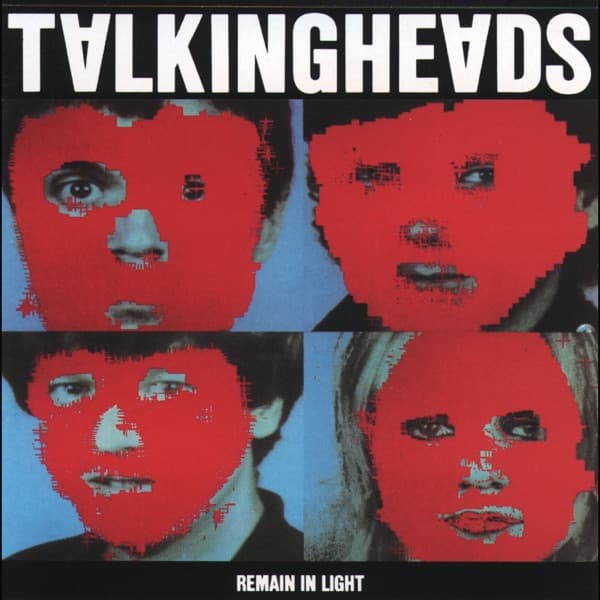
Talking Heads
Remain in Light
Loops of Afrobeat rhythm recorded in the Bahamas before samplers existed, Brian Eno's treatments, Adrian Belew's guitar, and David Byrne asking how he got here. Side one is the funk; side two is the dread. Play "Once in a Lifetime" and then "The Overload" and you have the whole range of the decade's art rock.

Paul Simon
Graceland
Simon went to Johannesburg during the cultural boycott and recorded with Ladysmith Black Mambazo, the Boyoyo Boys and the bassist Bakithi Kumalo. The result is joyous and the argument about it was bitter, and both are still true. Play "You Can Call Me Al" and "Diamonds on the Soles of Her Shoes" and hear South African township music enter the American mainstream.

Tracy Chapman
Tracy Chapman
An acoustic guitar, a low voice and eleven songs about poverty, escape and revolution, released in the year of "Pour Some Sugar on Me". It sold ten million. Play "Fast Car" and hear a folk record that a whole pop audience decided, at once, that it needed.

The Human League
Dare
Sheffield synth-pop with the guitars removed and the hooks left in: "Don't You Want Me", "Love Action", "The Sound of the Crowd". Play it for the first fully synthetic album to top the charts on both sides of the Atlantic, and for the sound of British pop deciding that machines were the future.

Kraftwerk
Computer World
Pocket calculators, home computers and data banks, sung about in German and English over sequenced rhythms in 1981. "Numbers" became "Planet Rock"; the whole record became Detroit techno. Play it and hear the blueprint for hip-hop, house and techno laid out by four men from Düsseldorf who dressed like bank clerks.

New Order
Power, Corruption & Lies
The album where Joy Division's survivors stopped grieving and started dancing: sequencers, drum machines and Peter Hook's bass played like a lead guitar. "Blue Monday" was left off the LP and sold more than any twelve-inch in history anyway. Play "Age of Consent" first and hear indie and dance music becoming one thing.

The Smiths
The Queen Is Dead
Johnny Marr's guitars at their most orchestral, Morrissey at his funniest and saddest, and "There Is a Light That Never Goes Out", the song every indie kid has cried to. Play it for British independent music at its peak, on an independent label, a year before the band came apart.

R.E.M.
Murmur
Kudzu on the cover, mumbled words, a Rickenbacker that rang like a bell. Rolling Stone made it album of the year over "Thriller". Play it for the sound of American college rock being born in a Southern college town, and for how strange it still sounds next to everything else from 1983.

The Replacements
Let It Be
Named after the Beatles as a joke, it is the album where a Minneapolis hardcore band discovered ballads, a Kiss cover and a song about a friend who is gay. "Unsatisfied" and "Answering Machine" are the tenderest things American punk had produced. Play it for the moment the underground learned to write about feelings.
Hüsker Dü
Zen Arcade
A double concept album about a boy who leaves home, recorded in forty-five hours on SST, with hardcore, psychedelia, acoustic songs and a fourteen-minute jam. Play it and you hear the moment American punk decided it could be anything it wanted, which is the whole idea of alternative rock.
Minutemen
Double Nickels on the Dime
Forty-five songs on two LPs from San Pedro, most under two minutes, with funk, jazz, country and Creedence inside the punk. D. Boon's guitar, Mike Watt's bass, George Hurley's drums, and the idea that a band could "jam econo" and still say everything. Boon died in a van crash the next year. Play it for the range.

Sonic Youth
Daydream Nation
A double album of guitars in invented tunings, a Gerhard Richter candle on the cover, and "Teen Age Riot" to open. Play it for the sound of noise being turned into songs, and for the record that persuaded the majors to sign the underground. Nirvana followed Sonic Youth to Geffen two years later.

Pixies
Doolittle
Fifteen songs about the Bible, Buñuel and the ocean, produced by Gil Norton, with "Debaser", "Monkey Gone to Heaven" and "Here Comes Your Man". Play it and you hear the quiet-loud dynamics the 1990s were built on, and a band bigger in Britain than in Boston until Nirvana explained them to America.
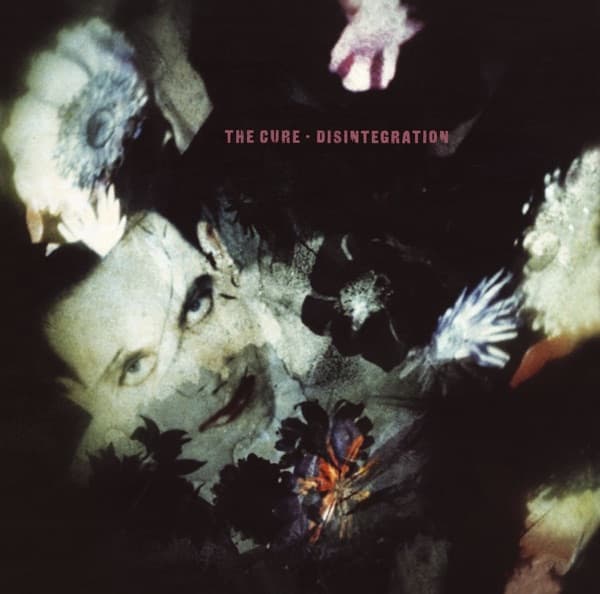
The Cure
Disintegration
Robert Smith turning thirty, depressed and determined to make a masterpiece: seventy minutes of slow, huge, keyboard-drenched sorrow with "Lovesong" and "Pictures of You" inside it. It sold three million. Play it for how goth sounds when it is also the most beautiful pop record of its year.

The Stone Roses
The Stone Roses
Byrds guitars, a funk rhythm section that had been to the Haçienda, Ian Brown's untrained swagger and "I Wanna Be Adored". Play it for the moment British indie met acid house and Manchester decided it was the centre of the world, which for a year or two it was. Britpop is a footnote to it.
Black Flag
Damaged
Henry Rollins's first album with the band, MCA's refusal to distribute it and the sticker SST put on the cover to say so. "Rise Above", "Six Pack", "TV Party". Play it for hardcore's founding text: fast, furious, funny, and made by people who booked their own tours in a van.
Bad Brains
Bad Brains
Cassette only, from a New York tape label: fifteen songs of hardcore played faster and tighter than anyone thought possible, with dub reggae between them. "Banned in D.C.", "Pay to Cum", "Sailin' On". Play it for the record every hardcore band measured itself against and none could match.

Iron Maiden
The Number of the Beast
Bruce Dickinson's first album, "Run to the Hills", "Hallowed Be Thy Name" and a title track preachers burned in car parks. Play it for the New Wave of British Heavy Metal at full gallop, twin guitars and a singer who could reach the back of a stadium, and for the moment metal went global on its own terms.
Metallica
Master of Puppets
Eight songs, three of them eight minutes long, with acoustic introductions, slow crescendos and Cliff Burton's bass leading the way. It sold half a million with no radio and was the first metal album in the National Recording Registry. Play "Battery" and the title track and hear thrash become something with emotion as well as speed.
Slayer
Reign in Blood
Twenty-nine minutes, ten songs, produced by Rick Rubin with every trace of reverb removed. "Angel of Death" opens it and "Raining Blood" closes it with the sound of a storm. Play it for the fastest, darkest record of the Big Four, and the limit that death metal spent a decade trying to pass.
Guns N' Roses
Appetite for Destruction
Twelve songs about Los Angeles at its dirtiest, made by five men who were living it. It took a year to reach number one and then sold thirty million. Play "Welcome to the Jungle", "Sweet Child o' Mine" and "Paradise City" for the last great hard-rock debut before grunge, and for the end of hair metal, delivered by the best hair band.

Bon Jovi
Slippery When Wet
Desmond Child co-wrote the hits, the band recorded in Vancouver with Bruce Fairbairn, and MTV did the rest. "You Give Love a Bad Name", "Livin' on a Prayer", "Wanted Dead or Alive". Play it for hair metal turned into pop songs a stadium could sing, which is what the rest of the Strip spent three years trying to copy.
Grandmaster Flash and the Furious Five
The Message
The album built around the single: party raps, "It's Nasty" over Tom Tom Club, and then seven minutes of Melle Mel on the edge over an empty synthesizer riff. Play the title track for the moment rap became reporting, and for the first hip-hop recording the Library of Congress preserved.
Run-DMC
Raising Hell
Rick Rubin and Russell Simmons producing, "Peter Piper" over Bob James, "My Adidas", "It's Tricky" over the Knack, and "Walk This Way" with Aerosmith. The first rap album to go triple platinum. Play it for the sound of hip-hop kicking the door of rock radio open and walking through in unlaced sneakers.

Beastie Boys
Licensed to Ill
Three white punks, Rick Rubin, Led Zeppelin samples and a fake frat-boy attitude that took over the real frat boys. The first rap album to reach number one. Play it for the sound of Def Jam at its most shameless, and then play "Paul's Boutique" to hear how much the same three men had learned by 1989.

Eric B. & Rakim
Paid in Full
James Brown breaks, Marley Marl mixing, and Rakim rapping as though he had all the time in the world: internal rhymes, no shouting, a sermon at a whisper. Play "I Know You Got Soul" and the title track and hear the MC's job being rewritten. Every rapper since rhymes inside the bar because he did.
Public Enemy
It Takes a Nation of Millions to Hold Us Back
The Bomb Squad's wall of sirens, James Brown and noise; Chuck D's baritone; Flavor Flav's counterpunch; "Bring the Noise", "Don't Believe the Hype", "Rebel Without a Pause". Play it loud for the record that made rap as serious as any album form and the sound of the late-1980s racial cauldron with the lid off.

Boogie Down Productions
Criminal Minded
KRS-One and Scott La Rock on the cover with guns, "South Bronx" and "The Bridge Is Over" answering the Juice Crew, and "9mm Goes Bang" a year before N.W.A. Scott La Rock was shot dead months later. Play it for the origin of both conscious rap and gangsta rap in the same forty minutes, which tells you how close they were.

N.W.A
Straight Outta Compton
Dr. Dre's sirens and chopped funk, Ice Cube and MC Ren's rage, Eazy-E's comic menace, and "Fuck tha Police". Two million sold without radio and a letter from the FBI. Play it for the sound of Los Angeles taking the microphone from New York, and for the moment rap became the most argued-about music in America.

De La Soul
3 Feet High and Rising
Prince Paul sampling Steely Dan, Johnny Cash, Hall and Oates and a French-language record; skits; daisies; "Me Myself and I". Play it for the moment hip-hop discovered it could be gentle and strange, and for the sampling era at its most joyful, a year before the lawsuits began to close it down.

Anita Baker
Rapture
Eight songs, a contralto that bends like a saxophone, and a jazz-trained rhythm section. "Sweet Love" and "Caught Up in the Rapture" made quiet storm a multi-platinum format. Play it after midnight for the sound of R&B's grown-up wing at its most assured.
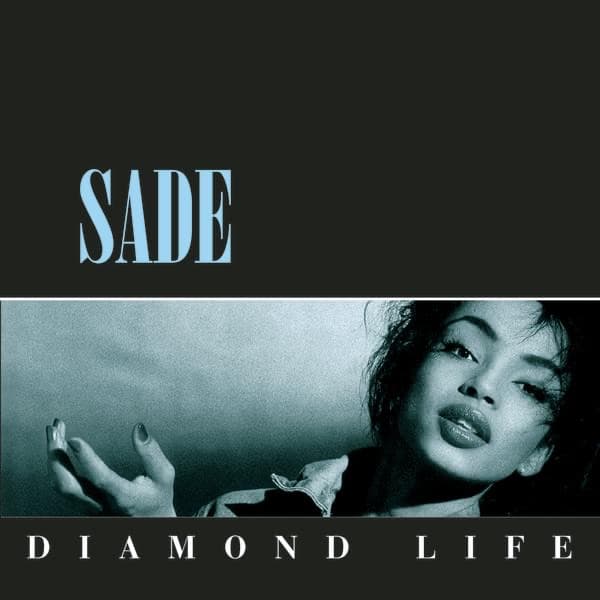
Sade
Diamond Life
Released in Britain in 1984 and America in 1985: "Smooth Operator", "Your Love Is King", a Nigerian-born Londoner singing over a jazz band with nothing wasted. Play it for the international passport of quiet storm, and for a record that has never once sounded dated.

George Strait
Strait Country
A Texas dance-hall band, a fiddle, a steel guitar and "Unwound", released while Nashville was still selling Urban Cowboy pop. Play it for the first shot of the new traditionalism, and for a voice and a hat that would not change for forty years.

Randy Travis
Storms of Life
Kyle Lehning produced, the steel guitar cried, and a baritone that sounded like 1955 sold three million copies in 1986: the first country debut to go platinum. Play "On the Other Hand" and "Diggin' Up Bones" for the record that turned Nashville back toward its roots and set up the 1990s boom.

Wynton Marsalis
Black Codes (From the Underground)
Marsalis with his brother Branford, Kenny Kirkland, Charnett Moffett and Jeff "Tain" Watts, playing acoustic post-bop with the fire of the 1960s Miles quintet. Play it for the young lions' argument at its most persuasive, and for the moment jazz decided its future was in its past.

Black Uhuru
Anthem
Sly and Robbie on drum machines and synths at Compass Point, Michael Rose and Puma Jones on vocals, "What Is Life?" and "Solidarity". The first reggae album to win a Grammy, in February 1985. Play it for the bridge between roots reggae and the digital dancehall that "Sleng Teng" would finish building weeks later.

Take 6
Take 6
Six voices, no instruments, gospel texts on jazz chords: "Spread Love", "Mary", "Gold Mine". It reached the top ten of the jazz and Christian charts and won two Grammys. Play it for the moment gospel sounded newer than anything on pop radio, using nothing that had not been available in 1930.
Rubén Blades y Seis del Solar
Buscando América
Salsa with synthesizers instead of horns, and songs about a priest murdered at the altar, a body washed up on a beach, and a continent searching for itself. Play it for the record that made salsa a literature, and for a Panamanian lawyer writing the news his governments would not print.
The Mixtape
The decade in tracks, in the order that tells its story. Press Listen on any of them.
Video Killed the Radio Star
The BugglesReleased in 1979, but this is the first thing MTV ever played, at 12:01 am on 1 August 1981. The mixtape has to start where the decade did.
Once in a Lifetime
Talking HeadsAfrobeat loops, Eno, and David Byrne asking how he got here. Art rock found the dance floor and never went home.
Love Will Tear Us Apart
Joy DivisionReleased a month after Ian Curtis died. The bridge from post-punk to everything New Order, the Cure and the Smiths would do with sadness.
Computer Love
KraftwerkFour Germans predicting online dating in 1981. Hip-hop, house and techno all sampled this album; Coldplay borrowed the melody twenty-four years later.
Rise Above
Black FlagHardcore's anthem, from a band that booked its own tours and took its own beatings. Two and a half minutes of refusing to lie down.
Planet Rock
Afrika Bambaataa & the Soulsonic ForceKraftwerk on a Roland TR-808. Electro is born, the 808 becomes hip-hop's band, and forty years of bass music begin here.
The Message
Grandmaster Flash and the Furious FiveBroken glass everywhere. Melle Mel over an empty synth riff, the record rap did not want and could not do without.
Billie Jean
Michael JacksonThe bassline, the drum machine, the glove, the moonwalk, the video that broke MTV. If the decade has one song, this is it.
Blue Monday
New OrderThe best-selling twelve-inch ever made, by a guitar band that had been listening to Italian disco. Indie and the dance floor meet in the middle.
Sweet Dreams (Are Made of This)
EurythmicsA sequencer riff, Annie Lennox in a suit with orange hair, and a video MTV played until America surrendered. British synth-pop at its most imperial.
Rockit
Herbie HancockA jazz pianist, a bass player from the downtown avant-garde, and Grand Mixer D.ST scratching. The first scratch most of America ever heard, on MTV.
When Doves Cry
Prince and the RevolutionNo bassline, because he took it out at the last minute. The biggest single of 1984 sounds like nothing before or since.
Born in the U.S.A.
Bruce SpringsteenA Vietnam veteran's lament with the biggest snare drum of the decade. Half of America heard the chorus and missed the verses.
Walk This Way
Run-DMCRick Rubin's idea: put Aerosmith in the room. The first rap record in Billboard's top five, and the wall between rock and rap radio, kicked through.
Under Me Sleng Teng
Wayne SmithA Casio keyboard preset, slowed down by King Jammy. Reggae's first fully digital riddim, and the moment every bass player in Kingston lost a job.
Your Love
Frankie Knuckles and Jamie PrincipleHouse music's first love song, built on a TR-909 Derrick May brought from Detroit. Played at the Power Plant for years before Trax pressed it.
Master of Puppets
MetallicaEight and a half minutes about addiction, with a clean middle section that made the thrash kids cry sellout and everyone else cry. Thrash grows up.
Forever and Ever, Amen
Randy TravisA baritone, a steel guitar and a wedding vow. The new traditionalists take over country radio, and the 1990s boom gets its voice.
I Know You Got Soul
Eric B. & RakimBobby Byrd's break under a rapper who never raises his voice. Rakim rewrites what an MC does in four minutes.
Strings of Life
Rhythim Is RhythimDerrick May, a piano and sampled strings over a machine. Detroit techno's anthem, and the record Britain would rave to a year later.
Welcome to the Jungle
Guns N' RosesThe Sunset Strip remembering it was dangerous. The last great hard-rock single before grunge changed the rules.
Fast Car
Tracy ChapmanAn acoustic guitar and a story about a way out, in the year of hair metal. Ten million people bought it. Folk was never gone, only waiting.
Straight Outta Compton
N.W.ADre's sirens, Cube's rage, and Los Angeles taking the microphone. The FBI wrote a letter. Two million people bought the record anyway.
Voodoo Ray
A Guy Called GeraldManchester answers Chicago: a bedroom, a 808, a 303 and a sampled voice. The Second Summer of Love's homegrown anthem.
Here Comes Your Man
PixiesThe catchiest song on "Doolittle" and the template for the 1990s: quiet verse, loud chorus, a surf guitar and a scream held in reserve.
Fight the Power
Public EnemySpike Lee asked for an anthem and got the decade's last word: Elvis, John Wayne, a boombox in Bed-Stuy, and the 1990s starting a year early.
What Came Next
The 1980s ended with the underground at the door. Sonic Youth had signed to Geffen; Nirvana's "Bleach" was out on Sub Pop; the Pixies had written the grammar. In September 1991 "Nevermind" would arrive, and by January it had knocked Michael Jackson off the top of the chart. Hair metal, the biggest thing on MTV in 1989, would be gone from it in eighteen months.
Hip-hop went two ways at once. N.W.A had made Los Angeles the centre; Dr. Dre's "The Chronic" (1992) would make it the mainstream. The Native Tongues and Public Enemy had made the album the form; A Tribe Called Quest, Nas and the Wu-Tang Clan would perfect it. And the sampling free-for-all of "3 Feet High and Rising" and "Paul's Boutique" would be shut by the courts in 1991, when a judge ruled against Biz Markie and producers started clearing every note.
The machines kept multiplying. House and techno had gone to Britain and come back as rave, jungle and, by the end of the decade, a global industry. New jack swing became the R&B of Mary J. Blige and Boyz II Men. Garth Brooks, whose debut had arrived in April 1989, would sell more records in the 1990s than any American artist, and the neotraditional country of Strait and Travis would become a stadium format. The compact disc finished off vinyl, and, in 1999, a college student wrote a program called Napster that would finish off the compact disc.