100 Years of Music / Chapter 8 of 11
1990s: Identity and Influence
Golden eras, grunge angst, G-funk and a CD in every car. Everything has something to say.
Opening
Seattle, a rehearsal space with a torn carpet, 1991. A guitarist in a cardigan plays four chords through a cheap distortion pedal, quiet, then loud, then quiet again. Across the country in Queensbridge, a nineteen-year-old rapper is writing a verse in a notebook about a housing project stairwell, and a producer is chopping a piano loop off a record his father owned. Neither of them knows the other exists. Within three years both of them will have changed what a record is for.
The 1990s are the decade the music industry got richer than it had ever been and then found out it was about to lose everything. The compact disc made albums expensive and singles scarce. A new counting system, SoundScan, told the charts the truth for the first time. And in a dorm room in 1999, a teenager wrote a program that let anyone share any song with anyone. The gold rush and the flood arrived in the same ten years.
Inside that industry, the underground won. Punk kids from Aberdeen, Washington went to number one. Rap crews from Staten Island and Compton and Atlanta built empires and then, in two of the worst years the music has ever had, buried two of their brightest. Country outsold everything. Techno crossed the Atlantic and came back as a stadium sound. A hip-hop singer from New Jersey won five Grammys in a night. A boy band from Orlando sold a million CDs in a week.
The 1990s were about feeling everything, loudly, quietly, and often both in the same song. Bands stopped pretending. Regional identity mattered more than ever. Genre identity became personal identity. That is what this chapter tracks: how the decade atomized into a thousand scenes, and how every one of those scenes was sure it was telling the truth.
Put the needle down anywhere. A flannel shirt in a mosh pit, a lowrider on Crenshaw with a Moog whine coming out of the speakers, a warehouse in Berlin at four in the morning, a Nashville arena with a man in a headset mic flying over the crowd on a wire. It all happened at once. That is the point.
The World
SoundScan tells the charts the truth
On the chart dated 25 May 1991, Billboard replaced phone surveys of record-store clerks with SoundScan, a barcode count of what actually sold. The first honest week put N.W.A and Garth Brooks near the top and embarrassed everyone who had been guessing. Rap, country and metal had always been bigger than the charts said. Now the industry had to admit it, and it started spending accordingly.
The compact disc and the missing single
CDs outsold cassettes in the United States by the early 1990s. A CD cost fifteen to eighteen dollars and could not be taped over. Labels learned that if they did not release a hit as a single, fans had to buy the whole album to own the song, so by the late 1990s the physical single was almost extinct in America. Billboard changed its Hot 100 rules in December 1998 to let airplay-only songs chart at all. The album was king, the price was high, and the resentment was building.
Rodney King, the riots and the police
A home video of Los Angeles police beating Rodney King in March 1991 played on every news channel. When the officers were acquitted on 29 April 1992, South Central burned for five days and more than sixty people died. Ice Cube, Dr. Dre and Ice-T had been describing this city for years. Body Count's "Cop Killer" became the year's political football, police unions boycotted Time Warner, and Ice-T pulled the track off the record himself in July. The argument about what rap was allowed to say ran through the whole decade.
The Telecommunications Act and one owner for the dial
The Telecommunications Act, signed on 8 February 1996, removed the national cap on how many radio stations one company could own. Clear Channel went from a few dozen stations to more than a thousand by the end of the decade. Playlists got shorter and were programmed from a central office. A local DJ breaking a local record became a story people told about the past. The independent web and the file-sharing network that followed were, in part, a reaction to this.
MP3, Winamp, Napster
Engineers at Fraunhofer in Germany finished a way to squeeze a CD track to a tenth of its size with most of the sound intact; the format was standardized in 1993 and given the name ".mp3" in 1995. Winamp, a free player written by a college student, arrived in 1997. The Diamond Rio, a pocket player, shipped in 1998 and survived a lawsuit from the record industry. Then, in June 1999, a nineteen-year-old named Shawn Fanning released Napster, and within months millions of people were trading every song ever recorded for free. The industry sued in December. The fight had already been lost.
MTV grows up: Unplugged, The Real World, TRL
MTV stopped being only a jukebox. "Unplugged" turned Eric Clapton's acoustic set into the Album of the Year in 1993 and Nirvana's November 1993 taping into a farewell nobody knew they were watching. "The Real World" invented reality television in 1992. "Beavis and Butt-Head" reviewed videos from a couch from 1993. In September 1998 "Total Request Live" put a studio in Times Square and let teenagers vote a video to number one, which is how Britney, the Backstreet Boys and Korn ended up on the same countdown.
The decade counts its dead
Kurt Cobain in April 1994, Selena in March 1995, Tupac Shakur in September 1996, the Notorious B.I.G. in March 1997, Jeff Buckley in May 1997, Princess Diana in August 1997. Each one stopped a scene cold. Elton John's rewritten "Candle in the Wind" for Diana became the best-selling single since charts began. Puff Daddy's "I'll Be Missing You" did the same job for Biggie. The 1990s learned to grieve in public, on MTV, with a candle in one hand and a CD in the other.
Columbine, Woodstock 99 and the end of the party
On 20 April 1999 two students murdered thirteen people at Columbine High School in Colorado. Within days the press blamed Marilyn Manson, whose music the killers did not especially like. Three months later Woodstock 99 ended in fires and assaults on a former air base in upstate New York. The decade that had promised authenticity closed on a question it could not answer: what do you owe a crowd, and what does a crowd owe you? Then everyone went home to worry about Y2K.
The Sounds
The golden era, the wars, and the South
I call the 1990s the golden era, full stop, and the case is easy to make. Between 1990 and 1994 every MC had to earn it with wordplay, flow and originality, and sampling reached a creative peak just before the courts made it expensive. A Tribe Called Quest and De La Soul, the Native Tongues, put jazz records under conversational rhymes. Gang Starr paired Guru's level monotone with DJ Premier's chopped, scratched hooks. Pete Rock and CL Smooth, Black Moon and Mobb Deep built the New York sound: dusty drums, a filtered bass loop, a horn stab that hits like a punch. Nas took all of it and wrote "Illmatic". The Wu-Tang Clan took a kung-fu video store and a Staten Island basement and made "Enter the Wu-Tang (36 Chambers)", nine rappers on one record and a business plan that let each of them sign anywhere.
The West Coast answered with a different sound and a different weather. Ice Cube left N.W.A and made "AmeriKKKa's Most Wanted" and "Death Certificate", political and personal fire. Dr. Dre left too and built G-funk on "The Chronic": Parliament-Funkadelic bass, a whining Moog lead, a slow tempo you could drive to, and a skinny kid from Long Beach named Snoop Doggy Dogg who rapped like he was talking to you from the passenger seat. Cypress Hill brought Latino pride, stoner anthems and spooky beats out of South Gate. Warren G, Nate Dogg and DJ Quik were the smooth end of the same street. E-40, Too $hort and the Hieroglyphics crew gave the Bay its own slang and flow.
Then it turned. Bad Boy in New York had the Notorious B.I.G., Brooklyn's king, whose "Ready to Die" and "Life After Death" told stories with a novelist's eye and a comedian's timing. Death Row in Los Angeles had Dre, Snoop, Tha Dogg Pound and, from October 1995, Tupac Shakur, a poet, a provocateur and a prophet who contradicted himself on purpose. The 1995 Source Awards put the two camps in one room and it went wrong on stage. Magazines sold the feud, the labels fed it, and the artists paid: Tupac was shot in Las Vegas and died on 13 September 1996; Biggie was shot in Los Angeles and died on 9 March 1997. Jay-Z's "Reasonable Doubt" had arrived in between, the hustler's manifesto that would outlast both empires.
The South had been there the whole time. The Geto Boys and Scarface in Houston, UGK in Port Arthur, Eightball and MJG in Memphis, Three 6 Mafia's horrorcore and DJ Screw's chopped-and-screwed tapes gave the region a slow drawl and a dark heart. Then OutKast stood up at the 1995 Source Awards, got booed by New York, and André 3000 said the South had something to say. "ATLiens" and "Aquemini" proved it, Goodie Mob and the Dungeon Family kept the conscience, and by 1998 Master P's No Limit in New Orleans was selling millions with no radio and Cash Money's Juvenile was turning bounce into "Back That Azz Up". The 2000s would belong to the South. This is where that started.
And the mainstream got bigger without the underground going quiet. Puff Daddy's shiny-suit era put Biggie samples and pop hooks on MTV every hour. Lauryn Hill, Missy Elliott and Timbaland reinvented what a rap record could sound like. Eminem, DMX and Busta Rhymes arrived at the end. Meanwhile Rawkus, The Roots, Common, Mos Def and Talib Kweli, Company Flow, MF DOOM, Slum Village and J Dilla kept it weird, lyrical and philosophical, and The Neptunes and Swizz Beatz were writing the beats that would run the next decade.
Grunge, alternative and the year punk broke
Grunge was not just a genre. It was a cultural detonation. Sub Pop in Seattle had been putting out murky, slow punk with metal riffs since the late 1980s: Mudhoney, Soundgarden, Nirvana's "Bleach". Then Nirvana signed to Geffen, hired Butch Vig, and made "Nevermind". Released on 24 September 1991, it hit number one in January 1992 and knocked Michael Jackson off the top. Pearl Jam's "Ten" was more classic rock and deeply principled. Soundgarden were heavy, sludgy and operatic. Alice in Chains were the darkest corner, metal-drenched and harrowing. Stone Temple Pilots had the hooks and the swagger. The sound was dirty guitar, quiet-loud dynamics and a voice that cracked on purpose. The subject was depression, isolation and whether any of it was real.
Kurt Cobain hated what fame did with the music, made the abrasive "In Utero" with Steve Albini, sat down for "MTV Unplugged" in a cardigan, and died on 5 April 1994. Hole's "Live Through This" came out a week later. The scene did not end there, but it changed: Foo Fighters were Dave Grohl's reinvention, Bush and Live and Collective Soul and Candlebox took the sound to arena radio, and Creed made it a punchline that sold ten million copies. I call that post-grunge: grunge aesthetics with polished production. It ruled the dial until nu-metal took the slot.
Alternative in the 1990s meant rock that did not fit the boxes, and suddenly it was on every radio and movie soundtrack. Radiohead went from "Creep" to "The Bends" to "OK Computer", art-rock outsiders who became the decade's visionaries. The Smashing Pumpkins layered glam, goth and metal into "Siamese Dream" and a two-disc epic. The Red Hot Chili Peppers were funk-rock punks who found depth. Beck was the slacker king of genre-hopping. Jane's Addiction were psychedelic, sexual and chaotic, and Perry Farrell's Lollapalooza put the whole scene on one stage in the summer of 1991. Weezer were geeky and secretly heavy. R.E.M., Sonic Youth and the Pixies, the college-rock elders, made their best-selling records and, in the Pixies' case, broke up by fax.
The indie underground kept its own counsel. Pavement, Guided by Voices and Built to Spill made the lo-fi, hooky, wrong-on-purpose rock that indie would run on for twenty years. Neutral Milk Hotel's "In the Aeroplane Over the Sea" and Elliott Smith's whispered albums became the records people passed hand to hand. Jeff Buckley made "Grace" and drowned. And a generation of women did the decade's most honest writing: Liz Phair answering the Stones from a Chicago bedroom, PJ Harvey, Björk, Tori Amos, Sinéad O'Connor tearing up a photo of the Pope on live television, Alanis Morissette selling thirty million copies of a breakup, and the riot grrrl bands, Bikini Kill and Sleater-Kinney, who made a punk scene where girls were the point.
Britain built its own thing. My Bloody Valentine's "Loveless" made shoegaze, a wall of guitar with the melody buried like a secret, and Slowdive and Ride followed it in. The Stone Roses played to thirty thousand people at Spike Island in 1990 and then vanished for four years. Suede brought glam back. Then Britpop: Oasis were the Gallagher brothers' Beatles obsession turned stadium-sized, Blur were the brainy art-school rival, Pulp were kitchen-sink drama and sexual politics, the Verve were orchestral grandeur, the Manic Street Preachers were the conscience. In August 1995 Blur and Oasis released singles the same day and the whole country picked a side. In Bristol, Massive Attack and Portishead slowed hip-hop down into trip-hop, the sound of a city after midnight.
Rage, machines and the arena after grunge
Rock outside the alternative bubble spent the decade absorbing what the underground had done. The Red Hot Chili Peppers recorded "Blood Sugar Sex Magik" in a Hollywood mansion with Rick Rubin and released it the same day as "Nevermind". Rage Against the Machine set revolution to riffs and rhymes: Tom Morello's guitar doing DJ tricks, Zack de la Rocha shouting slogans you could not un-hear. Tool made heavy music that was patient and strange. Faith No More and Jane's Addiction had shown the way in 1990. By the end of the decade Rage and Tool were headlining Woodstock 99 and Limp Bizkit was on the same bill.
Some bands traded guitars for glitchy samples. Nine Inch Nails was Trent Reznor's tortured brilliance in digital form; "The Downward Spiral" went to number two in 1994 and his mud-caked set at Woodstock 94 made industrial rock a mainstream event. Ministry had already fused thrash and machines with political venom. Marilyn Manson, Reznor's protégé, was shock rock that rattled the culture and got blamed for Columbine. The line for all of it: heavy riffs, sampling, screaming vocals, themes of alienation and control.
The mainstream arena did not disappear. Metallica became the biggest rock band in the world with a black-covered album that sold sixteen million copies in America alone. Guns N' Roses released two albums on one day in 1991 and then fell apart. Aerosmith, Bon Jovi and Tom Petty kept selling. U2 reinvented themselves twice. Foo Fighters became the most consistent rock band of the next twenty-five years. And Queen, three months after Freddie Mercury died, went back to number two on the American chart because two guys headbanged to "Bohemian Rhapsody" in a car in "Wayne's World".
Divas, boy bands and the Swedish hit factory
Pop in the 1990s belonged first to the voices. Mariah Carey arrived in 1990 with a five-octave range and by 1995 was putting Ol' Dirty Bastard on a remix. Whitney Houston sang Dolly Parton's "I Will Always Love You" in "The Bodyguard" and held number one for fourteen weeks. Celine Dion sang the "Titanic" song. Janet Jackson signed the biggest record deal in history in 1991 and used it to make "janet." and "The Velvet Rope", records about sex and depression that sounded like the future. Michael Jackson made "Dangerous" with Teddy Riley and premiered "Black or White" in front of half a billion people. The ballad, the key change and the video budget were the tools.
Then the kids took over. Lou Pearlman built the Backstreet Boys and *NSYNC in Orlando and sold them to Europe before America noticed. The Spice Girls sold girl power to the whole planet in 1996. And in a studio in Stockholm called Cheiron, a former metal singer named Max Martin worked out a formula: a huge chorus, a vocal melody that sat on the beat like a drum part, and lyrics in slightly wrong English that everyone could sing. "Quit Playing Games (with My Heart)", "...Baby One More Time", "I Want It That Way". Britney Spears was sixteen. Christina Aguilera followed. "TRL" counted the votes. The 2000s pop chart was built here.
Pop also learned new tricks. Los del Río's "Macarena" spent fourteen weeks at number one in 1996 and taught America a dance. Cher's "Believe" in 1998 pushed an Antares pitch-correction box called Auto-Tune past the point where it fixed a note and into the place where it became a sound; twenty years later every rapper would use it. Ricky Martin's "The Cup of Life" at the February 1999 Grammys started a Latin pop explosion. Shania Twain's "Come On Over" made a country record the best-selling album by a woman in American history. Pop was learning to eat every other genre. It has not stopped.
Hip-hop soul, the harmony groups and neo-soul
R&B in 1990 was new jack swing, Teddy Riley's stuttering drum machines under gospel-trained voices. Then a twenty-one-year-old from Yonkers named Mary J. Blige made "What's the 411?" with Puff Daddy in 1992 and the Rock Hall's phrase for it is exact: it defined hip-hop soul. Rap beats, a singer who sounded like she meant it, no smoothing. Everything R&B did for the next thirty years starts there.
The harmony groups ruled the chart. Boyz II Men held number one for thirteen weeks with "End of the Road" and fourteen with "I'll Make Love to You", and sixteen with Mariah on "One Sweet Day". En Vogue were the funky divas. TLC made "CrazySexyCool", a diamond-selling album whose creators filed for bankruptcy the next year, which tells you how the contracts worked. Toni Braxton, Brandy, Monica and Aaliyah, who at fifteen was the voice on Timbaland and Missy Elliott's strangest beats, made the sound of the second half of the decade. Usher's "My Way" and Destiny's Child's "The Writing's on the Wall" set up the next one. R. Kelly wrote and produced hits across the decade; he was convicted of sex crimes in 2021 and 2022, and this chapter leaves it at that.
And a counter-movement started. D'Angelo's "Brown Sugar" in 1995 sounded like Marvin Gaye had been listening to Wu-Tang. Kedar Massenburg, who managed him, coined "neo-soul" for it and for Erykah Badu's "Baduizm", which arrived in 1997 in a headwrap with a voice out of Billie Holiday. Maxwell's "Urban Hang Suite" was the quiet storm reborn. Lauryn Hill's "Miseducation" was the movement's crown. The point was live instruments, Fender Rhodes, and singing about something. It fed straight into the Soulquarians, J Dilla and the 2000s.
Rave, the Act, and the machines cross the ocean
Britain spent 1990 to 1992 in a field. Acid house had become rave, and rave meant twenty thousand people at an illegal free party like Castlemorton Common in May 1992, which is the one that made the government act. The Criminal Justice and Public Order Act 1994 gave police power to shut down gatherings playing music "characterised by the emission of a succession of repetitive beats". The scene went indoors and split into a dozen sounds. The Prodigy, who had been a rave act, made "The Fat of the Land" and went to number one in America. The Chemical Brothers, Fatboy Slim and the big beat clubs in Brighton and London put rock drums and hip-hop breaks under acid lines. Underworld's "Born Slippy .NUXX" became the anthem after "Trainspotting" used it. Orbital played Glastonbury in 1994 and made dance music a festival headliner.
Jungle came out of London's Black and mixed-race clubs: breakbeats sped to 160 beats per minute, dub bass, ragga vocals. Goldie's "Timeless" in 1995 made it an album form, and Roni Size and Reprazent's "New Forms" won the 1997 Mercury Prize over "OK Computer". UK garage followed at the end of the decade, the sound that would give the 2000s Craig David, So Solid Crew and, eventually, dubstep and grime. Meanwhile Warp Records in Sheffield released "Artificial Intelligence" in 1992 and a label sampler accidentally named a genre: Aphex Twin, Autechre, Boards of Canada. Aphex Twin's "Selected Ambient Works 85–92" was the sound of a teenager in Cornwall building his own synthesizers, and it is still the record people mean when they say "IDM".
On the continent, techno had gone home to Berlin. Tresor opened in a bank vault in 1991. Basic Channel stripped techno to a pulse and an echo. The Love Parade grew from a few hundred people in 1989 to over a million in the late 1990s. Detroit's second wave, Carl Craig, Jeff Mills and Underground Resistance, Richie Hawtin across the river in Windsor, played Berlin as often as home. Trance, from Frankfurt, was the melodic, hands-in-the-air version that would fill superclubs by 1999. And in Paris two kids in robot helmets released "Homework" in 1997; Daft Punk, Air, Cassius and Étienne de Crécy were "French touch", disco filtered through a sampler, and it made the world want to dance to France.
America came last and came through Moby. "Play", released in May 1999, put Alan Lomax's 1959 field recordings of Southern gospel and blues singers over house beats and licensed every track to an advert or a film. It sold ten million copies to people who had never been to a club. Björk's "Homogenic", with Mark Bell of LFO on beats and an Icelandic string octet, showed what electronic pop could be when a singer treated the machines as an orchestra. Between them they pointed at the 2000s, when the laptop would be the instrument.
Garth, the boom and the road out of Nashville
Country had never sold like this. Garth Brooks, an Oklahoma kid who loved Kiss and James Taylor equally, took arena rock staging, a headset microphone and a fly rig into the country show. "No Fences" in 1990 sold more than sixteen million. "Ropin' the Wind" in September 1991 became the first country album ever to enter the Billboard 200 at number one, a fact SoundScan made visible and the industry could not ignore. He sold more records than anyone in the 1990s, in any genre. Billy Ray Cyrus's "Achy Breaky Heart" in 1992 taught America a line dance and sat at number one on the pop album chart for seventeen weeks. Brooks and Dunn's "Boot Scootin' Boogie" did the same job for the dance halls.
Under the boom, the neo-traditionalists held the line. Alan Jackson's "keep it country" was a philosophy and a business plan; George Strait kept doing what he had done since 1981, and it kept working; Vince Gill sang harmony so clean it became a standard. Trisha Yearwood and Mary Chapin Carpenter wrote and sang grown women's songs. Tim McGraw and Faith Hill married in 1996 and became the format's royal couple. LeAnn Rimes sang "Blue" at thirteen. Shania Twain and her husband Mutt Lange, who had produced Def Leppard, made "Come On Over" a pop record with a fiddle on it and sold forty million copies. Then the Dixie Chicks, three women with a banjo and a fiddle and real harmony, sold twelve million copies of "Wide Open Spaces" and proved the boom could be traditional and enormous at once.
And a road ran the other way. Uncle Tupelo, from Belleville, Illinois, named their 1990 debut after a Carter Family song, played punk-fast hillbilly and Hank Williams slow, and when they split in 1994 they became Wilco and Son Volt. A magazine named "No Depression" after that record became the name for the whole scene. Whiskeytown gave the world Ryan Adams. Lucinda Williams took six years and three producers to make "Car Wheels on a Gravel Road" and it is the record every Americana songwriter still measures against. Steve Earle came out of jail and rehab and made three great albums in a row. And Johnny Cash, dropped by his label and playing dinner theatres, sat down in Rick Rubin's living room with a guitar in 1994 and made "American Recordings". The last act of his life, and one of the best.
The Black Album, the extreme underground and nu-metal
Metal split in two in the 1990s and both halves won. The first half was Metallica. "Metallica", the black-covered album produced by Bob Rock and released in August 1991, slowed the band down, turned the drums up and sold sixteen million copies in the United States. Every rock radio station played "Enter Sandman". Pantera went the other way: "Vulgar Display of Power" in 1992 was groove metal, Dimebag Darrell's guitar sounding like a chainsaw hitting a bell, and "Far Beyond Driven" entered the Billboard 200 at number one in 1994 without a single note of compromise. Sepultura, from Brazil, put tribal drums under the riffs on "Roots". Type O Negative made goth metal funny and sad at once. Kyuss in the California desert and Sleep in San Jose slowed Black Sabbath to a crawl and invented stoner rock.
The second half was extreme. Death metal peaked with Death's "Human" and "Symbolic", Morbid Angel signing to a major label, Cannibal Corpse getting banned in Germany and Entombed's Stockholm buzzsaw. In Norway a smaller, colder scene went further. Mayhem, Burzum, Emperor and Darkthrone made black metal: treble guitars, blast beats, shrieked vocals, corpse paint, recorded badly on purpose. Between 1992 and 1993 members of that scene burned at least a dozen churches, including the medieval stave church at Fantoft. On 10 August 1993 Varg Vikernes of Burzum stabbed Mayhem's guitarist Euronymous to death in Oslo. The music was real and so was the evil. The book "Lords of Chaos" tells it; treat the scene's own accounts with care.
By 1994 a band from Bakersfield had a different idea. Korn tuned down to A, put a hip-hop groove under seven-string guitars and let Jonathan Davis scream about abuse. Deftones blended beauty and brutality like no one else. Limp Bizkit added a rapper and a DJ and sold the whole thing at Woodstock 99. Slipknot arrived in masks in 1999. System of a Down brought Armenian folk and politics. Rob Zombie made the horror movie a party. Nu-metal, was metal for the modern age, and the modern age was the "TRL" countdown. It would be the biggest rock sound of the early 2000s and the one the next generation swore it hated.
Dookie, the Warped Tour and the emo basement
Punk went to the suburbs. Green Day, three kids from the East Bay who had grown up at the all-ages Gilman Street club, signed to Reprise and released "Dookie" on 1 February 1994. It sold ten million copies in America; I call it the gateway drug. The Offspring's "Smash", on the independent Epitaph, sold eleven million and became the best-selling indie-label record there had ever been. Rancid, Bad Religion, NOFX, Lagwagon and MxPx filled the two independent labels, Epitaph and Fat Wreck Chords, that made punk a business without a major. The Vans Warped Tour started in 1995 and put a skate ramp next to the stage. blink-182's "Enema of the State" in June 1999 was crude jokes and big hooks, and it set up the 2000s pop-punk boom, including Sum 41, who formed in 1996 and would arrive with the new decade.
Ska-punk rode the same wave. Sublime from Long Beach mixed reggae, dub, hip-hop and hardcore and their singer Bradley Nowell died two months before the album that made them famous. No Doubt's "Tragic Kingdom" and "Don't Speak" put Gwen Stefani on every magazine cover. The Mighty Mighty Bosstones and Reel Big Fish wore suits and played horns. For a year or two in 1997 every high school had a ska band.
Underneath, punk evolved emotionally. Fugazi in Washington kept the five-dollar shows and the DIY ethics and made records of political fire and dynamic invention. Jawbreaker were the raw emo blueprint soaked in cigarette smoke. Sunny Day Real Estate's "Diary", on Sub Pop in 1994, was beautiful, anguished and genre-defining. Texas Is the Reason, Mineral and Braid were the Midwest cornerstones; The Promise Ring, The Get Up Kids and Jimmy Eat World turned it into songs. In Sweden, Refused made "The Shape of Punk to Come" in 1998, broke up weeks later, and were right about the title. At the Drive-In, from El Paso, were about to prove it. Bikini Kill, Bratmobile and riot grrrl, from Olympia, had already remade the scene's rules about who got the microphone.
Young Lions, a Pulitzer and the sample vault
Miles Davis died on 28 September 1991 with a hip-hop record, "Doo-Bop", unfinished on the shelf. The argument about what jazz should be after him ran the decade. Wynton Marsalis and the Young Lions, the suit-wearing neo-traditionalists who ran the new Jazz at Lincoln Center, said it should sound like the tradition and honor it. In April 1997 Marsalis's oratorio "Blood on the Fields" became the first jazz work to win the Pulitzer Prize for Music. Joshua Redman, Roy Hargrove, Brad Mehldau and Christian McBride were the generation under him, virtuosos who could play anything and mostly chose the standards. Cassandra Wilson and Diana Krall showed a jazz singer could sell records again, Wilson by covering Robert Johnson and Joni Mitchell, Krall by channeling Nat King Cole.
The other answer came from the sample vault. Blue Note opened its catalog to a British producer and Us3's "Cantaloop (Flip Fantasia)", built on Herbie Hancock's "Cantaloupe Island", became the label's first platinum record in 1993. Guru of Gang Starr put Donald Byrd, Roy Ayers and Branford Marsalis on "Jazzmatazz", live jazz over rap beats. A Tribe Called Quest had already made the case on "The Low End Theory" with Ron Carter on bass. Medeski Martin and Wood took the organ trio to the jam-band circuit. Acid jazz, in London and New York, was the club version. Jazz was alive in hip-hop whether the Young Lions liked it or not.
And the decade's biggest jazz record was neither. Ry Cooder and Nick Gold went to Havana in March 1996 and recorded a room full of Cuban musicians in their seventies and eighties. "Buena Vista Social Club" sold millions, won a Grammy, became a Wim Wenders film and put Ibrahim Ferrer and Compay Segundo at Carnegie Hall. Ken Burns's ten-part "Jazz" would air in January 2001 and argue the whole history from Armstrong to Marsalis. The 1990s had already shown the music was bigger than any one story about it.
Dancehall goes to the Grammys and into the riddim
Dancehall took over from roots reggae in the 1980s and in the 1990s it took over the world's bass. Shabba Ranks, gravel-voiced and unstoppable, won the Best Reggae Album Grammy in 1992 and again in 1993, the first dancehall artist to do it, and "Mr. Loverman" was on American radio. Super Cat signed to Columbia. Shaggy took an old ska song, "Oh Carolina", to number one in Britain and then made "Boombastic" a global hit and a Grammy winner. Beenie Man's "Who Am I (Sim Simma)" and his feud with Bounty Killer ran the Jamaican charts. Big Mountain's reggae cover of Peter Frampton sat in the American top ten. Ini Kamoze's "Here Comes the Hotstepper" went to number one there in 1994.
Then the conscious turn. Buju Banton, the biggest and roughest voice in dancehall, converted to Rastafari and made "Til Shiloh" in 1995, a record of drums, scripture and "Untold Stories", the song that sounds like Bob Marley's "Redemption Song" for a new generation. Capleton, Sizzla and Luciano followed, and Xterminator's productions made the Bobo Ashanti sound the late-1990s roots revival. Bob Marley's "Legend" kept selling to every college dorm in the world; his estate was finally settled in 1991, and his son Damian released his first album in 1996.
The riddim, the instrumental track dozens of singers voice over, was the decade's quiet export. Shabba Ranks's "Dem Bow" (1990) gave its drum pattern to a Puerto Rican underground that would call itself reggaeton. Dancehall toasting sat inside New York hip-hop from Biggie to Lauryn Hill, who sampled Sister Nancy's "Bam Bam" and recorded her album at Tuff Gong. Sean Paul cut his first singles in 1996 and 1997. The 2000s, when dancehall and reggaeton both went to number one, were already audible.
Selena, the Latin explosion and rock en español
Selena Quintanilla was the Queen of Tejano, the accordion-and-synth border music of South Texas, and she was about to be much more. "Amor Prohibido" in 1994 sold like a pop record and won her a Grammy. On 31 March 1995 the president of her fan club shot her dead in a Corpus Christi motel. She was twenty-three. "Dreaming of You", the English-language crossover she was recording, came out that July and entered the Billboard 200 at number one, the first mostly Spanish-language album to do it. Jennifer Lopez played her in the 1997 film and then made her own record.
The crossover Selena did not live to lead arrived four years later. Ricky Martin, a former member of Menudo, sang "The Cup of Life" at the Grammys on 24 February 1999 and got a standing ovation; "Livin' la Vida Loca" was number one within three months. Enrique Iglesias, Marc Anthony, who had already made salsa romántica records that sold in the millions, and Shakira, whose "Pies Descalzos" and "Dónde Están los Ladrones?" were rock records from Barranquilla, all followed. Carlos Santana's "Supernatural", his comeback with Clive Davis, won eight Grammys in one night. Luis Miguel had spent the decade selling boleros to the whole Spanish-speaking world. The industry called it the Latin explosion. It was a market noticing itself.
Under and around all of it, other Latin musics were doing their own work. Café Tacvba's "Re" (1994), Maná, Los Fabulosos Cadillacs and Soda Stereo made rock en español a continent-wide scene with its own MTV. Los Tigres del Norte's "Jefe de Jefes" was the corrido, the border ballad, grown up and dangerous. Banda and technobanda, brass bands from Sinaloa, filled Los Angeles dance halls and made a Spanish-language station the city's number one. In Puerto Rico, DJ Playero's underground cassettes put Spanish rap over dancehall riddims; a teenager named Daddy Yankee first appeared on "Playero 37" in 1992. Celia Cruz kept touring at seventy. Buena Vista Social Club brought Cuba's old men to Carnegie Hall. Latin music in the 1990s was not one thing. It was a dozen, and each was about to get louder.
Kirk Franklin stomps into MTV
Gospel had been feeding pop for a century and in the 1990s it took some of it back. Kirk Franklin, a choir director from Fort Worth, made "Kirk Franklin and the Family" in 1993 and it became the first gospel debut to go platinum. Then, in 1997, "Stomp" with God's Property put a Funkadelic sample and a Salt-N-Pepa rap under a church choir, went into rotation on MTV and to number one on the R&B airplay chart, and then won Best Gospel Choir or Chorus Album at the 1998 Grammys. Purists hated it. The kids in the choir loved it. Franklin's "Nu Nation Project" the next year put Bono, Mary J. Blige and R. Kelly on the same gospel track. The fusion of hip-hop and church was now a market.
Around him the tradition stayed strong and got louder. Yolanda Adams's "Mountain High... Valley Low" in 1999 was a gospel record produced like R&B and it crossed over. Fred Hammond and Radical for Christ, Donnie McClurkin, whose "Stand" became a standard, Richard Smallwood's "Total Praise" and the Clark Sisters kept the choir sound alive. Take 6 sang six-part a cappella that won Grammys in both gospel and jazz. BeBe and CeCe Winans, with Mavis Staples on "I'll Take You There", topped the R&B chart. Mary Mary's "Shackles" was months away. Gospel taught the 1990s R&B singers how to sing; in the 1990s it took the beats back in return.
Lilith Fair, Righteous Babe and the whisper
The folk revival of the 1990s was mostly women and mostly done without permission. Ani DiFranco started Righteous Babe Records in Buffalo in 1990, sold her tapes from the trunk of her car and turned down every major label; by 1996 she was selling hundreds of thousands. Tracy Chapman, whose first album had made her famous in 1988, came back in 1995 with "Give Me One Reason", a twelve-bar blues that became her biggest hit. The Indigo Girls sang "Galileo" in harmony. Jewel's "Pieces of You", recorded partly in a coffee shop, took two years to sell twelve million copies. Sarah McLachlan, told that radio would not play two women in a row, put a tour together to prove it wrong: Lilith Fair, in the summer of 1997, was the highest-grossing festival tour in America that year. Dar Williams, Fiona Apple, Iris DeMent and Gillian Welch, whose "Revival" sounded like a 1930s field recording made in 1996, wrote the songs under the noise.
The men whispered. Elliott Smith, from Portland, made "Either/Or" on a four-track and found himself in a white suit at the Oscars in March 1998 singing "Miss Misery" between Celine Dion and Trisha Yearwood. Nick Drake, dead since 1974, was rediscovered when "Pink Moon" scored a Volkswagen advert at the decade's end, and a generation of bedroom songwriters heard him for the first time. Beck put the electronics away for "Mutations" and reached back to the folk and tropicália records his grandfather might have owned. Uncle Tupelo and Wilco kept the Woody Guthrie line alive; Billy Bragg and Wilco set Guthrie's unpublished lyrics to music on "Mermaid Avenue" in 1998. Folk in the 1990s was not a movement. It was a voice and a guitar, and it was everywhere.
The box set, the hill country and the young guns
Blues in the 1990s was a reissue business and then it was not. Columbia's "Robert Johnson: The Complete Recordings" box set in 1990 sold a million copies of a man who had died in 1938. Stevie Ray Vaughan died in a helicopter crash on 27 August 1990, and the blues-rock guitar hero seat stayed empty. Buddy Guy, who had been without a label for a decade, made "Damn Right, I've Got the Blues" in 1991 with Eric Clapton and Jeff Beck and won a Grammy. Clapton himself made "From the Cradle" in 1994, a straight blues album that went to number one. John Lee Hooker, at seventy-two, was in the Top 40 with "The Healer" and its follow-ups.
The interesting blues came from Mississippi and from kids. Fat Possum Records, out of Oxford, recorded R.L. Burnside and Junior Kimbrough playing the one-chord hill country trance they had played in juke joints for fifty years, and put Burnside on tour with the Jon Spencer Blues Explosion. Keb' Mo' and Corey Harris went back to the acoustic Delta. Susan Tedeschi and Jonny Lang, who was fifteen, were the new guitar players. The White Stripes were in a Detroit garage working it out. The blues was not the decade's sound. It was under the decade's sound, the way it had been under every decade before it.
Timeline
Sinéad O'Connor, "Nothing Compares 2 U"
A Prince song nobody had noticed, sung by a shaven-headed Irish woman in a single close-up with one real tear. It went to number one almost everywhere. Two years later she tore up a photograph of the Pope on "Saturday Night Live" and American radio dropped her. Both events belong to the same person and the same decade: the one that rewarded honesty and then punished it.
Ice Cube leaves N.W.A and makes "AmeriKKKa's Most Wanted"
Cube walked out of N.W.A over money and flew to New York to record with Public Enemy's Bomb Squad. The result, released 16 May 1990, was West Coast fury over East Coast noise, and the first sign that the coasts could talk. "Death Certificate" the next year was angrier still and arrived weeks before the Los Angeles riots it seemed to predict.
The Stone Roses at Spike Island
On 27 May 1990 about thirty thousand people stood on a chemical-works site in Cheshire to watch a Manchester band with one album play through a bad sound system. Baggy, the guitar-band-meets-rave sound, had its Woodstock. The Roses then disappeared into a legal fight with their label for four years, and the field they left was filled by Oasis.
Uncle Tupelo, "No Depression"
Three kids from Belleville, Illinois, named their debut after a Carter Family song from 1936 and played it like the Minutemen. Jay Farrar and Jeff Tweedy would split in 1994 into Son Volt and Wilco, and a fan magazine would take the album's name for the whole alt-country movement. The record itself is the sound of punk discovering it had grandparents.
Garth Brooks, "No Fences"
Released 27 August 1990, with "Friends in Low Places" and "The Thunder Rolls". The Country Music Hall of Fame counts more than sixteen million copies. Brooks was a business student who had studied arena rock, and he brought its lights, its wireless headset and its fly-over-the-crowd rigging to a genre that had been standing still at a microphone. Country would not be small again.
Stevie Ray Vaughan dies
On 27 August 1990 a helicopter carrying Vaughan from an Eric Clapton show in Wisconsin hit a hillside in fog. He was thirty-five and had been sober for four years. He was the last blues guitarist to be a rock star on the scale of Hendrix, and the decade that followed found nobody to take the chair.
Rodney King, on tape
On 3 March 1991 a man named George Holliday filmed Los Angeles police officers beating Rodney King on a roadside and gave the tape to a television station. Every rap record out of Los Angeles for the next two years, from Ice Cube to "The Chronic", is an answer to that footage. The acquittal of the officers in April 1992 set the city on fire.
Massive Attack, "Blue Lines"
A Bristol sound system called the Wild Bunch slowed hip-hop to a walking pace, put a dub bassline and a string section under it, and let Shara Nelson sing "Unfinished Sympathy" over the top. Released 8 April 1991, it invented what the press called trip-hop. Portishead, Tricky and half of the 2000s' chill-out compilations followed it out of the same city.
SoundScan changes the chart
Billboard's chart dated 25 May 1991 was the first built on barcode scans instead of store clerks' guesses. N.W.A's "Efil4zaggin" went to number one within weeks and Garth Brooks lived at the top for months. The record industry had been under-counting rap and country for years. Once the numbers were honest, the money followed them.
The first Lollapalooza
Perry Farrell built a farewell tour for Jane's Addiction and invited Siouxsie and the Banshees, Nine Inch Nails, Ice-T's Body Count, Living Colour, the Butthole Surfers and the Rollins Band to come along, with tents for political groups and piercing stalls. It opened in Arizona on 18 July 1991 and ran every summer through 1997. Alternative music had a travelling capital, and so did the idea that a festival could be a culture.
Metallica, "Metallica"
The Black Album, released 12 August 1991, produced by Bob Rock with the drums pushed up and the tempos pulled down. It entered the Billboard 200 at number one and has sold more than sixteen million copies in the United States. Old fans called it selling out. New fans heard "Enter Sandman" and bought the four thrash records that came before it. Metal became the biggest music in America without anyone on the radio admitting it.
Pearl Jam, "Ten"
Released 27 August 1991 and ignored for a year, then it sold thirteen million copies. "Alive" was about Eddie Vedder's stepfather; "Jeremy" was about a real boy who shot himself in a Texas classroom. I call Pearl Jam the classic-rock end of grunge, and they were also the most stubborn band in it: they stopped making videos after "Jeremy" and took Ticketmaster to Congress over service fees in 1994.
Garth Brooks debuts at number one on the Billboard 200
"Ropin' the Wind", released in September 1991, was the first country album to enter the all-genre album chart at number one. It then fought Michael Jackson and Nirvana for the top spot through the winter. SoundScan had made the count honest; Brooks had made the audience huge. It finished 1992 as the best-selling album in America of any genre.
Nirvana, "Nevermind"
Released 24 September 1991 on DGC, produced by Butch Vig, expected to sell a quarter of a million copies. It hit number one on 11 January 1992, one week after Michael Jackson's "Dangerous", and the Library of Congress essay on it is right that the ground had moved: how records sounded, what they were about, and what a rock band was for. Three power chords through a Boss distortion pedal, a chorus about apathy that a whole generation shouted back, and a punk band from Aberdeen that credited every influence it had. Hair metal was over by Christmas.
A Tribe Called Quest, "The Low End Theory"
Also 24 September 1991. Q-Tip and Ali Shaheed Muhammad turned the bass up, brought Ron Carter in to play upright on "Verses from the Abstract" and let Phife Dawg become a star. Every jazz-rap and boom-bap producer of the next decade, from Pete Rock to J Dilla, studied how quiet this record is. The Native Tongues had made their masterpiece, and "Scenario", with a nineteen-year-old Busta Rhymes, closed it.
Miles Davis dies
On 28 September 1991 in Santa Monica, at sixty-five, with "Doo-Bop", a hip-hop album made with the producer Easy Mo Bee, unfinished. He had played Montreux that summer with a Gil Evans orchestra, looking back for the first time in his life. The argument about what jazz was for after him, tradition or fusion or the sample vault, ran the whole decade.
My Bloody Valentine, "Loveless"
Kevin Shields spent nearly two years in nineteen studios bending guitars with a tremolo arm until they sounded like weather. Released 4 November 1991. Melody Maker put the bill at a quarter of a million pounds of Creation Records' money and the figure stuck; Shields told Magnet the arithmetic does not work and that Creation's money trouble had nothing to do with the band. Shoegaze had its bible either way, and nobody has made a guitar sound like this since, though most of the 2010s tried.
Michael Jackson, "Dangerous" and "Black or White"
The "Black or White" video premiered on 14 November 1991 across four American networks and dozens of countries at once, and the album, produced with Teddy Riley's new jack swing, came out twelve days later and went straight to number one. Then a punk band from Seattle knocked it off. The transition of power in pop is exactly that specific.
Eric Clapton on "MTV Unplugged"
Taped 16 January 1992 in Windsor, England, with "Tears in Heaven" for his dead son and a slow acoustic "Layla". The album sold twenty-six million copies and won Album of the Year at the 1993 Grammys. MTV had found the format that would define the decade's idea of authenticity: the same songs, the plug pulled, the singer with nowhere to hide.
Pantera, "Vulgar Display of Power"
Released 25 February 1992. Phil Anselmo barking, Dimebag Darrell's guitar scooped hollow in the middle and squealing at the edges, a rhythm section that swung like a wrecking ball. Groove metal. Where Metallica had slowed down to reach the radio, Pantera slowed down to hit harder, and every metalcore band of the 2000s took the breakdown from here.
Shabba Ranks wins the reggae Grammy
At the February 1992 ceremony "As Raw as Ever" won Best Reggae Album, the first time the award had gone to dancehall rather than roots. "X-tra Naked" won again the next year. Ranks was on Epic, on American radio with "Mr. Loverman", and the sound of the Kingston dancehall was suddenly a global export with a Grammy behind it.
The Los Angeles riots and "Cop Killer"
The officers who beat Rodney King were acquitted on 29 April 1992 and South Central burned for five days. Ice-T's metal band Body Count had released "Cop Killer" a month earlier; police unions called for a boycott of Time Warner and Ice-T announced at the end of July that he was pulling the track himself. Dr. Dre and Snoop wrote "The Day the Niggaz Took Over" about the riots. The argument about what rap could say, and who was allowed to say it, was now national.
Billy Ray Cyrus, "Achy Breaky Heart"
A song the Marcy Brothers had already recorded as "Don't Tell My Heart", sung by a mulleted former car salesman from Kentucky, with a line dance attached. It went to number four on the pop chart and "Some Gave All" sat at number one on the Billboard 200 for seventeen weeks. The country boom had its novelty hit and its dance craze in the same summer, and the line-dance floor became a business.
Castlemorton and the road to the Criminal Justice Act
Over the May 1992 bank holiday about twenty thousand people held a free rave on Castlemorton Common in Worcestershire for a week. The BBC calls it the biggest illegal rave Britain has had. The tabloids ran it on the front page and the government wrote a law: the Criminal Justice and Public Order Act of November 1994 let police stop vehicles within five miles of a rave and shut down gatherings playing, in the Act's own words, wholly or mainly repetitive beats. Rave went indoors, split into jungle, garage and big beat, and bands like the Prodigy wrote songs about it.
Mary J. Blige, "What's the 411?"
Released 28 July 1992 on Uptown, executive-produced by a twenty-two-year-old Sean Combs. Hip-hop drums, a gospel-trained voice from the Yonkers projects that cracked when it wanted to, and no attempt to make any of it smooth. The Rock Hall says it defined hip-hop soul, and that is the whole story of R&B for the next thirty years.
R.E.M., "Automatic for the People"
Released 5 October 1992. The biggest college-rock band in the world, at the peak of its fame, made a quiet record about death, with string arrangements by Led Zeppelin's John Paul Jones. "Everybody Hurts" and "Man on the Moon" were the singles. It sold eighteen million copies and proved a mainstream alternative record did not have to be loud to be honest.
Whitney Houston, "I Will Always Love You"
Released 3 November 1992 from "The Bodyguard". Dolly Parton wrote it in 1973 as a goodbye to her mentor Porter Wagoner. Houston opens it a cappella, on Kevin Costner's suggestion, and holds the key change for the biggest chorus of the decade. Fourteen weeks at number one, a record at the time, and the soundtrack sold more than forty million copies worldwide.
Aphex Twin, "Selected Ambient Works 85–92"
Richard D. James, a teenager from Cornwall who built his own synthesizers, released a collection of home recordings on the Belgian label R&S in November 1992. Warp's "Artificial Intelligence" compilation, out four months earlier, had already put him beside Autechre and given the press the tag "IDM". The record is melodic, hissy, and unlike anything from the clubs it came out of. Everyone who has made electronic music for headphones since has heard it.
Dr. Dre, "The Chronic"
Released 15 December 1992 on Death Row, the label Dre and Suge Knight had built after N.W.A fell apart. Parliament-Funkadelic bass played live, a whining Moog lead, tempos slow enough to drive to, and a twenty-one-year-old Snoop Doggy Dogg on nearly every track. G-funk. The record sold three million copies in a year and turned gangsta rap into the sound of American radio, which had never played it.
The Pixies break up by fax
In January 1993 Black Francis told a radio interviewer the band was finished, then had a fax sent to the other members. The Pixies had sold few records and inspired "Nevermind" outright; Cobain said "Smells Like Teen Spirit" was him trying to write a Pixies song. Their breakup at the moment their sound conquered the world is the decade's cleanest irony.
"Beavis and Butt-Head" starts reviewing videos
Mike Judge's two cartoon teenagers premiered on MTV on 8 March 1993 and spent half of every episode watching music videos from a couch, saying "this sucks" or "this rules". Their verdicts moved records. White Zombie and Pantera ruled; most of MTV's own playlist sucked. It was the decade's honest music criticism, and it was on the network it was mocking.
Janet Jackson, "janet."
In 1991 Janet signed with Virgin for a reported thirty-two million dollars, then the largest record deal in history. "janet.", released 18 May 1993, was what she did with it: an album about sex and freedom, produced with Jimmy Jam and Terry Lewis, that went to number one and sold twenty million copies. "The Velvet Rope" in 1997 went darker. Between them they set the template for the pop diva as auteur.
Liz Phair, "Exile in Guyville"
Released 22 June 1993 on Matador. A bedroom songwriter from Chicago answered the Rolling Stones' "Exile on Main St." track for track, in a flat voice, with the frankest lyrics about sex that had been on an indie record. It was the year's most argued-about album and the beginning of a run of women, PJ Harvey, Björk, Hole, Alanis, who made the decade's bluntest rock.
Kirk Franklin and the Family
A twenty-three-year-old choir director from Fort Worth released a live album on a small label, GospoCentric, in June 1993. It stayed at number one on the gospel chart for most of two years and became the first gospel debut to go platinum. Franklin wrote and arranged like an R&B producer and led the choir like a rapper. Gospel had a new front man and, four years later, an MTV hit.
Björk, "Debut"
The singer from the Sugarcubes moved to London, hired the house producer Nellee Hooper, and released "Debut" on 5 July 1993. Harps, brass, house beats, a voice from another planet. "Post" (1995) and "Homogenic" (1997) followed, each stranger and better. Björk made electronic pop that treated the machines as an orchestra and the voice as a weather system, and nobody has caught up.
Euronymous is murdered and the churches burn
On 10 August 1993 Varg Vikernes of Burzum stabbed Øystein Aarseth, called Euronymous, of Mayhem to death in Oslo. Since June 1992 members of the Norwegian black-metal circle around Aarseth's record shop had burned at least a dozen churches, including the twelfth-century stave church at Fantoft. Vikernes was convicted in May 1994. Mayhem's "De Mysteriis Dom Sathanas" came out that year with both men on it. The music is real; the scene's own mythology is not a source.
Nirvana, "In Utero"
Released 21 September 1993, recorded in two weeks with Steve Albini, who mic'd the drums like a punk record and refused to touch the mixes. Geffen panicked and had two songs remixed for radio. Cobain called it the sound he had wanted all along. "Heart-Shaped Box", "Rape Me", "All Apologies". It went to number one anyway. Seven months later he was dead.
Wu-Tang Clan, "Enter the Wu-Tang (36 Chambers)"
Released 9 November 1993 on Loud. Nine rappers from Staten Island, kung-fu movie dialogue, RZA's beats built from broken soul records and a cheap sampler in a basement. Gritty, weird, game-changing. The contract let every member sign solo deals elsewhere, and Method Man, Raekwon, GZA and Ol' Dirty Bastard did, which made the Wu a franchise before anyone used the word. "C.R.E.A.M." is the hook the decade rapped along to.
Nirvana tapes "MTV Unplugged in New York"
On 18 November 1993 Nirvana sat down at Sony Studios among lilies and candles, played almost no hits, covered the Meat Puppets with the Meat Puppets, and ended with Lead Belly's "Where Did You Sleep Last Night". Cobain's scream at the end of it is the sound of the decade. The album came out in November 1994, after his death, and went to number one. The set was a funeral nobody in the room knew they were at.
Snoop Doggy Dogg, "Doggystyle"
Released 23 November 1993 and the first debut album to enter the Billboard 200 at number one. Dre produced it as the sequel to "The Chronic"; Snoop drawled "Gin and Juice" and "Who Am I (What's My Name)?" while awaiting trial for murder, of which he was later acquitted. The record made Death Row the most powerful label in rap and its owner, Suge Knight, the most feared man in it.
Us3, "Cantaloop (Flip Fantasia)"
Blue Note, the most famous jazz label in the world, let a British producer named Geoff Wilkinson sample its vault. He built a rap track on Herbie Hancock's 1964 "Cantaloupe Island" and it went top ten in America in 1994. "Hand on the Torch" became Blue Note's first platinum album. Guru's "Jazzmatazz" the same year put the real players, Donald Byrd and Roy Ayers, in the studio with the rappers. Jazz found its next audience through a sampler.
Green Day, "Dookie"
Released 1 February 1994 on Reprise, three kids from the all-ages Gilman Street club in Berkeley with fourteen songs about boredom, panic attacks and masturbation. It sold ten million copies in the United States, won a Grammy, and got the band banned from Gilman for signing to a major. I call it the gateway drug. The Offspring's "Smash" arrived nine weeks later on an indie and sold eleven million. Punk was pop now, and the argument about that never ended.
Nine Inch Nails, "The Downward Spiral"
Trent Reznor rented the house where the Manson family killed Sharon Tate, built a studio in it and made a concept album about a man taking himself apart. Released 8 March 1994, it went to number two. "Closer" became a club hit despite its chorus, and "Hurt" would be Johnny Cash's last great song. Industrial rock, a Chicago and Berlin underground for a decade, was suddenly arena music.
Selena, "Amor Prohibido"
Released 13 March 1994 on EMI Latin, a month after Selena won a Grammy for her live album. The title track was about her grandparents' romance across a class line; "Bidi Bidi Bom Bom" was a beach party; "Fotos y Recuerdos" was a Pretenders song in Spanish. Tejano, the accordion-and-synth music of the Texas border, had a pop star, and she was about to record in English.
Kurt Cobain dies
Kurt Cobain shot himself in the greenhouse of his Seattle home on or about 5 April 1994; an electrician found him on the 8th. He was twenty-seven. Thousands gathered at a public vigil in the Seattle Center on 10 April and Courtney Love read his note to them. Grunge went on as a radio format for years, but the person who had made it mean something was gone, and everyone who wrote a quiet-loud song after that was writing in his shadow.
Nas, "Illmatic"
Released 19 April 1994 on Columbia. Ten tracks, thirty-nine minutes, a twenty-year-old from the Queensbridge houses, and a production team, DJ Premier, Pete Rock, Q-Tip, Large Professor, L.E.S., that had never been assembled for one rapper before. "N.Y. State of Mind" is a stairwell at night; "The World Is Yours" is a boy deciding not to die there. I still call it the best hip-hop album ever. Rolling Stone's 200 Greatest Hip-Hop Albums puts it twenty-fourth and gives first place to "Ready to Die". It went gold slowly and then became the measure of everything.
Johnny Cash, "American Recordings"
Dropped by Columbia, ignored by Nashville, Cash sat in Rick Rubin's living room in 1993 with one guitar and sang whatever he wanted: his own murder ballads, Nick Lowe, Tom Waits, Leonard Cohen. Released 26 April 1994 on Rubin's American label, with a cover shot in black between two dogs. It won the Grammy for Best Contemporary Folk Album and started the last, best act of his career, six albums that ended with "Hurt".
OutKast, "Southernplayalisticadillacmuzik"
Released 26 April 1994 on LaFace, two teenagers from East Point, Atlanta, produced by Organized Noize in a basement they called the Dungeon. Live bass, Cadillac funk, a drawl New York had never taken seriously. "Player's Ball" had already been a hit the previous Christmas. It marks the start of the ATL shift. The Rock Hall's own page dates the record to 1993, and misdates "Aquemini" and "Stankonia" by a year as well; the LaFace release was April 1994. Within four years the South would be the center of the map.
Blur, "Parklife"
Released 25 April 1994. Damon Albarn, an art-school kid who had toured America and hated it, wrote a concept album about English suburbia with the Kinks and Madness in its ear and the actor Phil Daniels narrating the title track. It won four Brit Awards and named a movement. Britpop was now a word the newspapers used, and Oasis were four months away.
Oasis, "Definitely Maybe"
Released 29 August 1994 on Creation, the fastest-selling debut in British chart history at that point. Noel Gallagher wrote the songs with the Beatles, T. Rex and the Sex Pistols in mind and no shame about any of it; Liam sang them like he was picking a fight. "Live Forever" is the manifesto. The Gallaghers gave Britain back its swagger, and the tabloids a decade of copy.
Jeff Buckley, "Grace"
Released 23 August 1994 on Columbia. The son of the folk singer Tim Buckley, a Sin-é coffee-house regular in New York with a four-octave voice, sang Leonard Cohen's "Hallelujah" the way everyone has sung it since, along with Benjamin Britten and his own songs. It sold slowly. He drowned in the Wolf River in Memphis on 29 May 1997 with the second album unfinished, and "Grace" became the one record every singer of the next decade cited.
Portishead, "Dummy"
Released 22 August 1994. Geoff Barrow, who had been a tape operator on "Blue Lines", scratched spy-movie soundtracks and Isaac Hayes into slow beats, and Beth Gibbons sang like a torch singer in a bomb shelter. It won the 1995 Mercury Prize. "Glory Box" and "Sour Times" were on every late-night radio show for a decade. Bristol had a second masterpiece and trip-hop had a name it hated.
Woodstock 94 and the mud
On 12 to 14 August 1994, three hundred and fifty thousand people went to a farm in Saugerties, New York, for the twenty-fifth anniversary of Woodstock. It rained. Green Day started a mud fight with the crowd and became famous for it; Nine Inch Nails took the stage coated head to foot and gave the performance that made industrial rock a mainstream event. Pay-per-view sold the whole thing. Five years later the sequel would burn.
The Notorious B.I.G., "Ready to Die"
Released 13 September 1994 on Bad Boy. Christopher Wallace, a twenty-two-year-old former crack dealer from Bedford-Stuyvesant, told the story of his life from birth to suicide in a voice that could be hilarious and terrifying in the same bar. "Juicy" was the dream; "Gimme the Loot" and "Warning" were the job. Puffy made the singles for radio and Easy Mo Bee and Premier made the rest. I call him Brooklyn's king. New York had its answer to "The Chronic".
Korn, "Korn"
Released 11 October 1994. Five kids from Bakersfield tuned seven-string guitars down to A, put hip-hop bass and a funk groove under the riffs, and let Jonathan Davis scream about the abuse he had survived on "Daddy". Produced by Ross Robinson, who would also do Sepultura's "Roots" and Slipknot. I call it the blueprint for nu-metal's downtuned breakdowns. It sold two million copies without a radio hit, and by 1998 "Follow the Leader" entered at number one.
TLC, "CrazySexyCool"
Released 15 November 1994 on LaFace, with "Creep", "Red Light Special" and "Waterfalls", a song about AIDS and drug dealing that went to number one with a video in which the group walked on water. The album sold more than ten million copies in America. In July 1995 all three members filed for bankruptcy. The record was the sound of the mid-1990s; the contract was the sound of the industry.
2Pac, "Me Against the World"
Released 14 March 1995 while Tupac Shakur was in Clinton Correctional Facility on a sexual-abuse conviction he denied. It entered the Billboard 200 at number one, the first album to do that with its artist in prison. "Dear Mama" is the reason: a thank-you to a Black Panther mother who had been a crack addict, without a single line of excuse. The word for him is contradictions. This is the record where they are all in the open.
Selena is murdered
On 31 March 1995 Yolanda Saldívar, who ran Selena's fan club and had been caught stealing from it, shot her at a Days Inn in Corpus Christi. She was twenty-three. Sixty thousand people filed past her coffin. "Dreaming of You", the English-language album she had been making, came out on 18 July and entered the Billboard 200 at number one, the first mostly Spanish-language record to do it. The crossover happened; she was not there for it.
Alanis Morissette, "Jagged Little Pill"
A former Canadian teen-pop singer moved to Los Angeles, wrote with the producer Glen Ballard, and on 13 June 1995 released the decade's biggest breakup record. "You Oughta Know" was the single radio was scared of and played anyway. It sold thirty-three million copies worldwide and won Album of the Year. NPR ranks it among the greatest albums by women; teenage girls in 1995 did not need a list to know.
The Source Awards
On 3 August 1995 at the Paramount Theatre in New York, Suge Knight took the stage and told artists who did not want their executive in every video to come to Death Row, which everyone understood as a shot at Puffy. Snoop asked the booing crowd whether the East Coast had love for him. And OutKast, booed as they collected Best New Rap Group, had André 3000 say the South had something to say. Jeff Chang's "Can't Stop Won't Stop" tells the night well. The feud, and the next decade, both start here.
The Battle of Britpop
Blur moved "Country House" to 14 August 1995 to clash with Oasis's "Roll with It", and the whole country picked a side; the BBC's evening news led with the chart. Blur won the week, 274,000 to 216,000. Oasis won the war: "(What's the Story) Morning Glory?" in October sold four million in Britain and put "Wonderwall" in every pub. Britannica's entry on Britpop treats the week as the movement's peak, and it was. Pulp's "Different Class" in October was its best record.
2Pac, "All Eyez on Me"
Suge Knight put up Shakur's 1.4 million dollar bail in October 1995 and Tupac walked out of prison into a Death Row studio. "All Eyez on Me", released 13 February 1996, was hip-hop's first double album, twenty-seven tracks recorded in about two weeks, with "California Love" and "How Do U Want It" on top. It sold five million copies in a year. He would live seven more months.
Fugees, "The Score"
Released 13 February 1996, the same day as "All Eyez on Me". Three kids from New Jersey with a Haitian guitarist, a producer, and a singer-rapper named Lauryn Hill who could do both better than anyone in the group. A cover of Roberta Flack's "Killing Me Softly" that went to number one in twenty countries, a cover of "No Woman, No Cry", and "Ready or Not". It sold twenty million copies, won the Grammy for Best Rap Album, and broke up the band.
Jay-Z, "Reasonable Doubt"
Released 25 June 1996 on Roc-A-Fella, the label Shawn Carter, Damon Dash and Kareem Burke started because nobody else would sign him. Mafioso rap from a Marcy Projects hustler who rapped like an accountant with a grudge, with Premier and Ski on the beats and Biggie on "Brooklyn's Finest". I call it the hustler's manifesto. It went gold slowly. Within a decade its author ran Def Jam.
Tupac Shakur is shot in Las Vegas and dies
On 7 September 1996, after a Mike Tyson fight, a white Cadillac pulled alongside Suge Knight's BMW on Flamingo Road and someone fired into it. Shakur died on 13 September at twenty-five. Nobody was charged for twenty-seven years. Britannica and the Rock Hall both frame it the same way: the most charismatic figure in rap, killed inside the feud his label had fed. "The Don Killuminati", recorded in a week, came out two months later under a new name.
Daft Punk, "Homework"
Released 20 January 1997 on Virgin. Two Parisians in their early twenties, Thomas Bangalter and Guy-Manuel de Homem-Christo, filtered Chicago house and 1970s disco through cheap samplers in a bedroom, and "Da Funk" and "Around the World" became the sound of every club in the world. French touch, the press called it. Air's "Moon Safari" arrived a year later and made the same city sound like a spaceship lounge. Paris had not mattered in pop since Gainsbourg. Now it did.
The Notorious B.I.G. is shot in Los Angeles and dies
On 9 March 1997, leaving a Vibe magazine party after the Soul Train Awards, Christopher Wallace was shot four times at a red light on Wilshire Boulevard and died at twenty-four. "Life After Death", the double album with "Hypnotize" and "Mo Money Mo Problems", was released sixteen days later and went to number one. The Rock Hall calls the two records prophecy. Puff Daddy's "I'll Be Missing You", over the Police's "Every Breath You Take", was the eulogy that ran all summer.
Wynton Marsalis wins the Pulitzer
On 7 April 1997 "Blood on the Fields", a three-hour oratorio about a couple in slavery, became the first jazz work to win the Pulitzer Prize for Music. Duke Ellington had been refused one in 1965. Marsalis, the trumpet player who ran Jazz at Lincoln Center and argued that jazz was a classical tradition to be preserved, had won the argument in the one room that had always said no. Ken Burns's "Jazz" would make his case on television in 2001.
Kirk Franklin and God's Property, "Stomp"
A choir from Dallas, a Funkadelic sample ("One Nation Under a Groove"), a rap from Salt-N-Pepa's Cheryl James, and a video that MTV played like it was a rap hit, which it was. "Stomp" went to number one on the R&B airplay chart in the summer of 1997 and its album entered the Billboard 200 at number three. It won Best Gospel Choir or Chorus Album at the 1998 Grammys, and it did it with a record that radio played like R&B. The church had come to the club and the club stood up.
Radiohead, "OK Computer"
Released in Britain on 16 June 1997, recorded in a mansion near Bath with the producer Nigel Godrich. The Library of Congress essay on it notes what it broke: song form, guitar sound, and the rock lyric itself, replaced with fragments about airbags, corporations and a man who has had enough. "Paranoid Android" was six and a half minutes long and went top three in Britain. It has sold millions and taught a generation that a rock record could sound like anxiety.
Missy Elliott, "Supa Dupa Fly"
Released 15 July 1997. Missy Elliott had been a songwriter and Timbaland a producer from Virginia; together they made beats that stuttered, went silent, and put a rain sample where the drums should be. "The Rain (Supa Dupa Fly)" had her in an inflated trash-bag suit with a fish-eye lens, the most imitated video of the decade. The Rock Hall calls the sound futuristic. It still is.
Lilith Fair
Sarah McLachlan had been told promoters would not book two women on the same bill. So she booked thirty. Lilith Fair, opening 5 July 1997, was Jewel, Tracy Chapman, Fiona Apple, Sheryl Crow, the Indigo Girls, Erykah Badu and a rotating cast, and it out-grossed every other festival tour in America that summer. It ran three years and a dollar of every ticket went to women's charities. The singer-songwriter had a festival and radio ran out of excuses.
"Candle in the Wind 1997"
Diana, Princess of Wales, died in a Paris car crash on 31 August 1997. Bernie Taupin rewrote the 1973 Marilyn Monroe lyric in a day, Elton John sang it once at Westminster Abbey on 6 September to two billion viewers, George Martin produced the single, and it sold thirty-three million copies, the most of any single since the charts began. It was never performed again. The decade mourned in public and bought the record.
Roni Size and Reprazent win the Mercury Prize
On 11 September 1997 a drum-and-bass collective from Bristol beat "OK Computer", the Prodigy, the Spice Girls and the Chemical Brothers to the Mercury Prize with "New Forms". Goldie's "Timeless" in 1995 had shown jungle could be an album; Size showed it could be jazz, with a live double bass and a rapper. The London underground that started in Black clubs after the Criminal Justice Act now had Britain's most serious music prize.
Lauryn Hill, "The Miseducation of Lauryn Hill"
Released 25 August 1998 and recorded partly at Bob Marley's Tuff Gong studio in Kingston. The Library of Congress essay counts what it did: the biggest first week for a woman in history, ten Grammy nominations, and "Doo Wop (That Thing)" entering the Hot 100 at number one. Reggae, hip-hop, soul and a schoolroom skit, made by a pregnant twenty-three-year-old whose group had just fallen apart. It is still her only solo studio album. It is still enough.
"TRL" premieres and Britney arrives
"Total Request Live" started on 14 September 1998 in a glass studio over Times Square with Carson Daly counting down the ten videos viewers had voted for. Five weeks later "...Baby One More Time", written and produced in Stockholm by Max Martin and sung by a sixteen-year-old from Louisiana in a school uniform, was released, and by January it was number one everywhere. Backstreet Boys, *NSYNC, Christina Aguilera and Korn shared the countdown. Pop had a parliament, and it met at 3.30 every afternoon.
OutKast, "Aquemini"
Released 29 September 1998. Big Boi and André 3000 were now producing themselves, playing live instruments and writing about Rosa Parks, aliens, and what happens to a neighborhood when the money leaves. Rosa Parks sued over the single named after her. Rolling Stone puts it twenty-seventh on its hip-hop list and they rewrote the rules. Three years after the Source Awards booed them, the South was the most interesting place on the map.
Cher, "Believe", and the Auto-Tune effect
Antares released Auto-Tune in 1997 as a tool to fix flat notes without anyone noticing. On "Believe", released 19 October 1998, the pitch-correction speed was set fast enough to snap Cher's voice between notes like a robot: Sound on Sound calls it the first commercial record to use the software's side-effects on purpose, and notes that the producers spent years crediting a Digitech Talker pedal instead. It won Best Dance Recording and was nominated for Record of the Year. Producers called it the Cher effect. Ten years later T-Pain and Kanye West would build careers on it.
Eminem, "The Slim Shady LP"
Released 23 February 1999 on Aftermath, after Dr. Dre heard a Detroit battle rapper's demo and signed him within days. "My Name Is" was a cartoon about a white trailer-park kid with a murderous alter ego, and the album finished the year at number twenty-two on Billboard's album chart, which no debut from a Detroit battle rapper was supposed to do. Every argument the decade had had about what rap was allowed to say, and who was allowed to say it, restarted at once. Dre's own "2001", with "Still D.R.E." and "Forgot About Dre", closed the year in November.
The Grammys: Lauryn Hill's five and Ricky Martin's "Cup of Life"
On 24 February 1999 Lauryn Hill won five Grammys, including Album of the Year, the first hip-hop record to take it, and the first time a woman had won five in a night. The same evening Ricky Martin, a former member of Menudo, made his Grammy stage debut with "La Copa de la Vida" and a full brass section, and collected Best Latin Pop Performance for "Vuelve". "Livin' la Vida Loca" was number one by May, and the industry announced a Latin explosion with Marc Anthony, Enrique Iglesias, Jennifer Lopez and Santana's "Supernatural" behind it. One night, two futures.
Backstreet Boys, "Millennium"
Released 18 May 1999 and sold 1.13 million copies in its first week in the United States, the record at the time. "I Want It That Way", written by Max Martin and Andreas Carlsson in Stockholm, is the song that defines the Cheiron formula: a chorus you can sing after one listen and a lyric that does not quite make sense. Lou Pearlman's Orlando factory had two of the three biggest acts in America and a fraud conviction waiting for him.
Moby, "Play"
Released 17 May 1999. A vegan New York DJ who had already been through techno and punk put Alan Lomax's 1959 field recordings of Southern singers, Vera Hall's "Trouble So Hard", Bessie Jones, Boy Blue, over house pianos and breakbeats, and then licensed every one of the eighteen tracks to a film, a television show or an advert. It sold ten million copies to people who had never set foot in a club. Electronic music had found a way into American living rooms, and the licensing model had found the internet age.
Napster
Shawn Fanning, eighteen, released Napster on 1 June 1999 from a Northeastern University dorm. It let any computer share any MP3 with any other, free, and by the end of the year millions were using it. The RIAA sued on 7 December 1999; Metallica followed in April 2000. Britannica's entry tracks the shutdown in 2001, but the point had been made: the compact disc's decade was over, and the industry had spent it raising prices and killing the single. The next ten years would be about what replaced it.
Woodstock 99
On 22 to 25 July 1999, on a decommissioned air base in Rome, New York, in hundred-degree heat, with four-dollar water and overflowing toilets, Korn, Limp Bizkit, Rage Against the Machine, Metallica and the Red Hot Chili Peppers played to two hundred thousand people. During "Break Stuff" the crowd did. On the last night bonfires became riots, and the reports of sexual assault came out in the weeks after. Three months earlier Columbine had blamed Marilyn Manson; Rolling Stone ran his answer. The decade that had sold authenticity ended by asking what a crowd owed anyone.
Artists
Nirvana
Three people, a Boss distortion pedal and a singer who wrote pop melodies and then buried them in noise because he was embarrassed by them. Cobain credited every band he stole from, the Pixies, the Wipers, the Meat Puppets, and that generosity is why the underground forgave him for being famous. "Nevermind" ended hair metal; "In Utero" showed what he wanted instead; the "Unplugged" set showed a folk singer underneath. He died at twenty-seven and the decade never fully got over it.
- Nevermind
- In Utero
- MTV Unplugged in New York
Pearl Jam
The other Seattle giant, built on the ruins of Mother Love Bone with a surfer from San Diego on vocals. I call them classic-rock-leaning and principled, and both are right: Eddie Vedder sang like a man on a ledge, and the band refused to make videos, fought Ticketmaster in front of Congress, and outlasted every peer by never chasing a hit. "Ten" sold thirteen million copies; "Vs." sold nearly a million in its first week; they are still touring.
- Ten
- Vs.
- Vitalogy
Soundgarden
The heaviest and oldest of the Seattle bands, the first to sign to a major, and the one that sounded most like Led Zeppelin and Black Sabbath had been raised on Sonic Youth. Chris Cornell had a four-octave voice; Kim Thayil tuned his guitar to drop D and odd time signatures. "Superunknown" went to number one and "Black Hole Sun" was the summer of 1994 in a psychedelic video. Cornell died in 2017.
- Badmotorfinger
- Superunknown
Alice in Chains
The darkest corner of grunge: metal-drenched and harrowing. Jerry Cantrell and Layne Staley sang in harmonies that sounded like a church in a mine, and the songs were about heroin without any of the glamour. "Dirt" is one of the bleakest records ever to sell four million copies; the "Jar of Flies" EP was the first EP to enter the Billboard 200 at number one. Staley died in 2002 of the thing the songs were about.
- Dirt
- Jar of Flies
Radiohead
Five schoolfriends who had one grunge-era hit, "Creep", and spent the decade escaping it. "The Bends" was the great guitar record of 1995; "OK Computer" broke the rock song apart and put it back together as anxiety; "Kid A", in 2000, would throw the guitars out entirely. Thom Yorke's voice and Jonny Greenwood's arrangements made them the band every serious rock musician of the next twenty years measured against. I call them visionaries and does not overstate it.
- The Bends
- OK Computer
The Smashing Pumpkins
Billy Corgan wanted to be huge and made no secret of it. "Siamese Dream" stacked dozens of guitar tracks into layered, emotional epics with glam, goth and metal in the mix. "Mellon Collie and the Infinite Sadness" was a two-CD, twenty-eight-song teenage opera that went to number one and won a Grammy for a song called "Bullet with Butterfly Wings". I call "1979" the best song anyone wrote about being sixteen in a suburb.
- Siamese Dream
- Mellon Collie and the Infinite Sadness
Beck
A folk busker who put a hip-hop beat and a slide guitar under a song about being a loser, and became the slacker king of genre-hopping weirdness. "Odelay", made with the Dust Brothers, was a collage of everything: bossa nova, country, noise, funk. "Mutations" was quiet folk with Nigel Godrich. He kept two careers going, one on Geffen and one on tiny indies, and both were good.
- Mellow Gold
- Odelay
- Mutations
Weezer
Geeky, emotional and deceptively heavy. Rivers Cuomo wrote power-pop songs about Dungeons & Dragons, Buddy Holly and his garage, and Ric Ocasek of the Cars produced them with the guitars turned up to metal. The Blue Album sold three million. "Pinkerton", in 1996, was a raw, embarrassing record about loneliness that flopped and then became the founding document of 2000s emo.
- Weezer (The Blue Album)
- Pinkerton
Red Hot Chili Peppers
Funk-rock punks who found depth. Flea played bass like a drummer, John Frusciante played guitar like Hendrix on a budget, and Anthony Kiedis rapped about California until, on "Under the Bridge", he sang about it instead. "Blood Sugar Sex Magik", made with Rick Rubin in a haunted mansion, came out the same day as "Nevermind". "Californication", in 1999, was the comeback with Frusciante back from heroin, and It is where the depth arrived.
- Blood Sugar Sex Magik
- Californication
Jane's Addiction
Psychedelic, sexual and chaotic, the alternative pioneers who made Lollapalooza. "Ritual de lo Habitual" put a naked sculpture on the cover and a ten-minute song about a threesome and a funeral on the record, and it went top twenty. Perry Farrell broke the band up with a farewell tour he turned into a travelling festival, and that festival is where the decade's underground met its audience.
- Nothing's Shocking
- Ritual de lo Habitual
Oasis
The Gallagher brothers' Beatles obsession turned stadium-sized. Noel wrote the songs and Liam sang them with a sneer that made "Wonderwall" sound like a threat. Their first two albums sold twenty million; they played to a quarter of a million people at Knebworth in August 1996, and two and a half million had applied for tickets. The fights, the drugs and the tabloids were the point as much as the music. Britain has not had a band that big since.
- Definitely Maybe
- (What's the Story) Morning Glory?
Blur
Britpop's brainy, art-school rival to Oasis's brawn. Damon Albarn wrote character studies of suburban England with the Kinks and XTC in his ear, Graham Coxon played guitar like he was trying to sabotage the songs, and "Parklife" named the movement. They won the Battle of Britpop in 1995, lost the war, and then in 1997 made "Song 2", a two-minute joke about American grunge that became their biggest American hit. Albarn went on to Gorillaz.
- Parklife
- The Great Escape
- Blur
Pulp
Kitchen-sink drama, sexual politics and wit, and a singer, Jarvis Cocker, who had been trying for fifteen years before anyone listened. I call "Common People" the best British single of the decade: a Greek art student who wants to slum it, and a narrator who explains why she never can. "Different Class" won the Mercury Prize. In 1996 Cocker invaded the stage during Michael Jackson's Brit Awards performance and became a national hero.
- His 'n' Hers
- Different Class
My Bloody Valentine
Kevin Shields bent his guitar's tremolo arm while strumming, ran it through reverse reverb and layered the result until it sounded like a wall of pink light. "Loveless" took two years, nearly bankrupted Creation Records, and defined shoegaze: the band staring at their effects pedals, the melody buried like a secret. Slowdive and Ride followed. Nobody heard another note from them for twenty-two years.
- Isn't Anything
- Loveless
Massive Attack
A sound-system crew from Bristol who slowed hip-hop to a walk and let dub, soul and paranoia in. "Blue Lines" invented trip-hop, though they hated the word; "Protection" put Tracey Thorn on it; "Mezzanine" in 1998 turned it into something colder and got "Teardrop" onto every television drama of the next decade. Tricky and Portishead came out of the same city and the same tempo.
- Blue Lines
- Mezzanine
Björk
She had been a child star in Iceland and the singer in the Sugarcubes; in 1993 she moved to London and made "Debut", then "Post", then "Homogenic", each one stranger and more her own. Beats from LFO, strings from an Icelandic octet, harps, brass, and a voice that goes from a whisper to a shriek in one bar. She treated electronic music as an orchestra and pop as a place to put ideas, and every art-pop singer since works in her wake.
- Debut
- Post
- Homogenic
PJ Harvey
A farmer's daughter from Dorset who made "Dry" and "Rid of Me", two of the rawest guitar records of the decade, with Steve Albini recording the second one so the drums sound like they are in the next room. "To Bring You My Love" added the blues and a red dress and made her a star. She never made the same record twice and never made a bad one.
- Rid of Me
- To Bring You My Love
Bikini Kill
Kathleen Hanna wrote "girls to the front" on a flyer and a movement started. Riot grrrl came out of Olympia in 1991 as zines, meetings and bands, and Bikini Kill were its loudest voice: three-chord hardcore with lyrics about assault, desire and who gets the microphone. "Rebel Girl", produced by Joan Jett, is the anthem. Sleater-Kinney, from the same town, took the ideas into the best rock band of the late 1990s.
- Pussy Whipped
- Reject All American
Sleater-Kinney
Two guitars, no bass, two singers who shouted over each other, and a drummer, Janet Weiss, who hit like Keith Moon. They came out of riot grrrl and past it: "Dig Me Out" and "The Hot Rock" are about work, love and the state of the country, in songs that never last three minutes. By the end of the decade critics were calling them the best rock band in America, and nobody in the clubs they came from argued.
- Call the Doctor
- Dig Me Out
Jeff Buckley
One studio album, a coffee-house residency, a four-octave voice and a swim in the Mississippi that killed him at thirty. "Grace" covers Leonard Cohen, Benjamin Britten and Nina Simone and puts his own "Lover, You Should've Come Over" beside them without embarrassment. Every singer of the 2000s who reached for the high note, from Chris Martin to Matt Bellamy, was reaching for his.
- Grace
A Tribe Called Quest
Jazz-rap royalty: smooth, smart, soulful. Q-Tip's nasal, conversational rhymes, Phife Dawg's five-foot punchlines, Ali Shaheed Muhammad's taste in records. "The Low End Theory" put an upright bass under the drums and taught a generation how much space a rap record could have; "Midnight Marauders" was warmer and funnier. They were the Native Tongues' finest hour and the most-sampled influence on every producer who wanted to sound thoughtful.
- The Low End Theory
- Midnight Marauders
Gang Starr
Guru's monotone wisdom plus DJ Premier's raw production equals timeless. Guru started the group in Boston in 1986; the line-up everyone means came together in Brooklyn with Premier, a Houston kid, two years later. Premier chopped tiny pieces of records into new hooks and scratched the choruses in, and that technique is the sound of New York rap from "Illmatic" to "Reasonable Doubt" to Biggie. "Mass Appeal" is about not chasing one. Guru died in 2010; Premier is still the standard.
- Step in the Arena
- Hard to Earn
- Moment of Truth
Nas
Nasir Jones, son of a jazz trumpeter, wrote "Illmatic" at nineteen and twenty and has spent thirty years being compared to it. Cinematic, poetic, perfect, and the record is all three: a project stairwell, a friend's funeral, a boy deciding to write instead. "It Was Written" sold more; "I Am..." and the feud with Jay-Z would come later. He is the decade's finest writer of verses, and the argument about that has mostly stopped.
- Illmatic
- It Was Written
Wu-Tang Clan
Nine rappers, one producer, a chess-and-kung-fu mythology and a contract that let every member sign solo deals anywhere. RZA made beats from broken soul records and old movie dialogue; Method Man, Raekwon, GZA, Ghostface and Ol' Dirty Bastard each had a voice you could pick out of a crowd. "36 Chambers" was gritty and weird; the solo run that followed, "Tical", "Only Built 4 Cuban Linx...", "Liquid Swords", "Ironman", was the most productive three years any crew has had. A crew like no other.
- Enter the Wu-Tang (36 Chambers)
- Wu-Tang Forever
Dr. Dre
The producer who made N.W.A sound dangerous, then left and made G-funk: live bass, a whining Moog, Parliament grooves slowed to cruising speed. "The Chronic" made Snoop a star; "Doggystyle" made Death Row a dynasty; "2001" in 1999 made Eminem the next one. G-funk was born on "The Chronic". Dre has discovered more stars than anyone in rap and produced fewer of his own albums than anyone of his stature.
- The Chronic
- 2001
Snoop Dogg
Calvin Broadus rapped like he was talking to you from a porch, behind the beat and never in a hurry, and "Doggystyle" entered the chart at number one while he was awaiting a murder trial he was acquitted of. He survived Death Row, moved to No Limit, and became the most likeable man in America. The drawl and the slang were the whole West Coast in one voice.
- Doggystyle
- Tha Doggfather
Ice Cube
He wrote most of "Straight Outta Compton", left N.W.A over money, and made two albums of political and personal fire with Public Enemy's producers. "It Was a Good Day" is the calm inside the storm. Then he made "Boyz n the Hood" and "Friday" and became a movie star, but the early records are where the Los Angeles riots were written down before they happened.
- AmeriKKKa's Most Wanted
- Death Certificate
- The Predator
Cypress Hill
Latino pride, stoner anthems and spooky beats. B-Real rapped in a nasal whine, Sen Dog barked, and DJ Muggs built the beats from horror-movie loops and dusty funk. "Black Sunday" entered at number one and "Insane in the Brain" made them the first Latino rap group with a platinum album. They played Lollapalooza, Woodstock 94 and every rock festival that would have them, and they taught the rock crowd to rap along.
- Cypress Hill
- Black Sunday
The Notorious B.I.G.
Slick wordplay, Mafioso cool, emotional storytelling, Brooklyn's king. Christopher Wallace could be the funniest person on a record and the saddest on the next track, and he did it in a voice that sounded like it was coming from a comfortable chair. Two albums, both landmarks, the second released sixteen days after he was murdered. Nobody has been charged.
- Ready to Die
- Life After Death
2Pac
Charisma, contradictions, raw emotion. A prophet, poet and provocateur. The son of a Black Panther, a drama-school student, a movie star, a convict, a Death Row soldier, and the writer of "Dear Mama", "Keep Ya Head Up" and "Hit 'Em Up". He recorded so much in his last year that posthumous albums outnumber the ones he released alive. Shot in Las Vegas in September 1996 and dead at twenty-five, he is the decade's central tragedy.
- Me Against the World
- All Eyez on Me
Jay-Z
The hustler's manifesto in 1996; the biggest rapper in the world by 1998, when "Vol. 2... Hard Knock Life" put an "Annie" sample over a Swizz Beatz-era street record and sold five million. Stylish, witty, street-wise. He wrote without writing anything down, started a label because nobody would sign him, and turned it into a template for the hip-hop mogul that the Rock Hall names in his citation.
- Reasonable Doubt
- Vol. 2... Hard Knock Life
Mobb Deep
Havoc and Prodigy, two teenagers from the same housing project as Nas, made "The Infamous" in 1995 and "Shook Ones, Pt. II" became the sound of a New York winter: a piano loop that seems to shiver, a drum that hits like a door slamming, and a rapper describing violence without ever raising his voice. Street-smart, sample-heavy excellence. Prodigy died in 2017.
- The Infamous
- Hell on Earth
OutKast
Big Boi and André 3000 met in high school, made their first record in a basement studio called the Dungeon, and got booed at the 1995 Source Awards. Spaced-out, philosophical and funky, and each album was a further step out: "ATLiens" and "Aquemini" put live instruments, Southern gospel and science fiction into rap and made Atlanta the capital. The Rock Hall inducted them in 2025. "Stankonia" and the biggest album of the 2000s were next.
- Southernplayalisticadillacmuzik
- ATLiens
- Aquemini
Master P
Percy Miller started No Limit Records in a Richmond, California record shop with insurance money, moved it home to New Orleans, and by 1998 was selling tens of millions of records with no radio, cheap Pen & Pixel covers and a new album every few weeks. Independent hustle turned industry power move. "Make 'Em Say Uhh!" was the hit; the business model was the influence. Cash Money, across town, would perfect it.
- Ghetto D
- MP Da Last Don
Lauryn Hill
She could rap better than Wyclef and sing better than anyone in the room, and the Fugees' "The Score" was the proof. "The Miseducation of Lauryn Hill" was one solo album, recorded partly at Tuff Gong in Kingston while she was pregnant, that fused reggae, hip-hop and soul with lyrics about heartbreak, faith and what a woman is told to do with her career. Five Grammys in a night. She has never released another studio album and has never needed to.
- The Score
- The Miseducation of Lauryn Hill
Missy Elliott
A songwriter for Aaliyah and 702 who became the strangest and most joyful rapper of the era, with Timbaland building beats out of stutters, silences and baby noises. "Supa Dupa Fly" and the trash-bag video for "The Rain" announced her; "Get Ur Freak On" would take her global in 2001. She wrote, rapped, sang, produced and directed, and the Rock Hall made her the first woman rapper it inducted.
- Supa Dupa Fly
- Da Real World
The Roots
Live instruments, conscious flow, Philly pride. Black Thought and Questlove started busking on South Street and became the only rap band that plays every night, a fact that later made them a television house band. "Things Fall Apart" in 1999, with Erykah Badu on "You Got Me", was the record that brought the underground, Common, Mos Def, D'Angelo, into one Electric Lady studio, and the Soulquarians came out of it.
- Do You Want More?!!!??!
- Illadelph Halflife
- Things Fall Apart
Eminem
A white battle rapper from a Detroit trailer park whose demo Dr. Dre heard in 1998. "The Slim Shady LP" was cartoon violence, self-loathing and rhyme schemes nobody had heard before; "The Marshall Mathers LP" in 2000 would be the fastest-selling rap album ever. Every argument the decade had about what rap was allowed to say restarted around him, and he sold more records than anyone in the next one.
- The Slim Shady LP
Mary J. Blige
The queen of hip-hop soul, a title the Rock Hall's citation makes official. She sang gospel-trained R&B over rap beats with no smoothing, and she sang about her own life, the drinking and the bad men, in a way that made her listeners feel seen. "My Life" in 1994 is the confession; "Share My World" is the recovery. Every R&B singer who put a rap beat under a real voice afterwards is in her debt.
- What's the 411?
- My Life
Whitney Houston
The best pop voice of her generation, trained in a Newark church by her mother Cissy. Her Super Bowl anthem in January 1991, weeks into the Gulf War, was released as a single; "I Will Always Love You" held number one for fourteen weeks; "The Bodyguard" soundtrack is one of the best-selling albums ever made. In 1998 "My Love Is Your Love" put her over Wyclef and Rodney Jerkins beats and proved she could do the new thing too.
- The Bodyguard
- My Love Is Your Love
Mariah Carey
Five octaves, a whistle register, and a songwriter's ear that made "Vision of Love", "Hero" and "Always Be My Baby". By "Daydream" she was putting Ol' Dirty Bastard on the "Fantasy" remix, over the objections of the label boss she was married to, and inventing the pop-star-with-a-rapper single that ran the next twenty years. "One Sweet Day" with Boyz II Men held number one for sixteen weeks, a record that stood until 2019. "All I Want for Christmas Is You" is in the National Recording Registry.
- Mariah Carey
- Daydream
- Butterfly
Janet Jackson
The youngest Jackson made the decade's most adult pop. After "Rhythm Nation" she signed the biggest deal in history, and "janet." used it to talk about sex, while "The Velvet Rope" talked about depression, domestic violence and sexuality over Jimmy Jam and Terry Lewis productions that sampled Joni Mitchell and Rod Stewart. The Rock Hall inducted her in 2019. Every pop star who treats an album as a confession is following her.
- janet.
- The Velvet Rope
TLC
T-Boz, Left Eye and Chilli wore condoms on their clothes on the first album and sang about safe sex, and on the second, "CrazySexyCool", made the best-selling record any American girl group has released. "Waterfalls" was about AIDS and had a rap verse from Left Eye that Rolling Stone still quotes. They went bankrupt at the height of it. "No Scrubs" in 1999 was the comeback. Left Eye died in 2002.
- CrazySexyCool
- FanMail
D'Angelo
A preacher's son who played every instrument on "Brown Sugar" and sang like Marvin Gaye after listening to Wu-Tang. The record gave the industry the word neo-soul and gave Erykah Badu, Maxwell and Lauryn Hill a lane. "Voodoo", in 2000, made in the same Electric Lady sessions as "Things Fall Apart", would be the movement's masterpiece. He then vanished for fourteen years, which is its own kind of statement. He died in October 2025.
- Brown Sugar
Erykah Badu
She arrived in a headwrap with a voice out of Billie Holiday and an album, "Baduizm", that put Fender Rhodes and jazz chords under hip-hop drums and went triple platinum. "On & On" is the single. She was the mother of neo-soul and its conscience, and by the end of the decade she was in the studio with the Roots, Common and J Dilla making the records the 2000s underground grew from.
- Baduizm
- Live
Aaliyah
Fifteen on her first record, made with R. Kelly, who illegally married her that year and was convicted decades later of sexual offences against women and girls. Seventeen on "One in a Million", where Timbaland and Missy Elliott gave her the strangest, sparest beats in R&B and she floated over them like she was barely trying. "Are You That Somebody?" in 1998 has a baby cooing as a rhythm instrument. She died in a plane crash in 2001 at twenty-two, and the sound she had made with Timbaland ran the next decade without her.
- One in a Million
- Aaliyah
Britney Spears
A former Mouseketeer from Louisiana, sixteen, in a school uniform in a video that made every parent in America nervous, singing a Max Martin song that had been written for TLC. "...Baby One More Time" was number one in nearly every country with a chart; the album sold twenty-five million. She was the first star of the "TRL" age and the last of the CD age, and everything pop did in the 2000s, including what it did to her, starts here.
- ...Baby One More Time
Backstreet Boys
Five boys assembled by Lou Pearlman in Orlando, sold to Germany first, then America, and given the best songs the Cheiron studio in Stockholm had. My pick for the decade's perfect pop single is "I Want It That Way", which makes no sense as a lyric. "Millennium" sold more than a million copies in a week. They sued Pearlman, who turned out to be running a Ponzi scheme, and outlasted him.
- Backstreet's Back
- Millennium
Garth Brooks
The best-selling solo artist in American history, and the Country Music Hall of Fame has the numbers. He brought arena-rock production, a headset mic and a rope rig to the country stage, sang songs about wife-beaters and gay rights on the same records as "Friends in Low Places", played Central Park for a crowd the city counted in the hundreds of thousands, and, in 1999, released an album as a fictional rock star named Chris Gaines. He is the reason country stopped being a small business.
- No Fences
- Ropin' the Wind
Alan Jackson
While Garth went to the arena, Jackson kept it country, the philosophy the Hall of Fame quotes in his citation. "Chattahoochee" is a river, a truck and a summer in three minutes; "Gone Country" is a joke at Nashville's expense that Nashville played anyway. Twenty-six number ones, a string of them written alone, and a duet with George Strait, "Murder on Music Row", that accused the industry of killing the music while it was cutting the check.
- Here in the Real World
- A Lot About Livin' (And a Little 'bout Love)
Shania Twain
A Canadian singer who married Mutt Lange, the producer of Def Leppard's "Hysteria", and made country records built like stadium rock: a fiddle, a huge chorus, a video with a bare midriff. "Come On Over" sold forty million copies worldwide and is the best-selling album by a woman in American history. Nashville argued about whether it was country. Forty million people did not.
- The Woman in Me
- Come On Over
Dixie Chicks
A bluegrass trio with a fiddle and a banjo from Dallas who hired a new singer, Natalie Maines, in 1995 and became the biggest group in country. "Wide Open Spaces" sold twelve million copies, more than any country group's album before it, and proved the boom could be traditional and enormous at once. In 2003 they would find out how fast the format could turn on you. They record as the Chicks now.
- Wide Open Spaces
- Fly
Johnny Cash
Dropped by his label in the 1980s and playing dinner theatres, Cash met Rick Rubin, the producer of the Beastie Boys and Slayer, who asked him to sit in a living room with a guitar and sing. "American Recordings" won a Grammy; "Unchained", with Tom Petty's band, won another, and American Recordings took out a full-page ad of Cash giving the finger to Nashville. The series ran to his death in 2003 and gave him "Hurt". A career rescued by a heavy metal producer and a punk's ear for honesty.
- American Recordings
- Unchained
Wilco
Jeff Tweedy's half of Uncle Tupelo became the band that took alt-country somewhere else. "A.M." was the country record; "Being There" was a double album that let the Stones and Big Star in; "Summerteeth" in 1999 was pop with a pill problem. With Billy Bragg they set Woody Guthrie's unpublished lyrics to music on "Mermaid Avenue". "Yankee Hotel Foxtrot", the record that made them famous, was two years away.
- Being There
- Mermaid Avenue
- Summerteeth
Lucinda Williams
A poet's daughter who wrote "Passionate Kisses" for Mary Chapin Carpenter and took six years, three producers and a legend of perfectionism to finish "Car Wheels on a Gravel Road". The record is the sound of the Deep South from a car window: gravel, Baton Rouge, a lover in a Lake Charles jail. It won a Grammy and became the measure for every Americana songwriter since. She was forty-five when it came out.
- Car Wheels on a Gravel Road
Metallica
The thrash band that slowed down and became the biggest rock band on earth. The Black Album sold sixteen million copies in America; the tour behind it lasted three years. "Load" and "Reload" cut the hair and added the blues and lost some of the old fans. In April 2000 they would sue Napster and lose the rest, for a while. Nobody in metal has sold more or been argued about longer.
- Metallica
- Load
Pantera
Four Texans who had been a glam band in the 1980s and reinvented themselves as the heaviest thing on a major label. Dimebag Darrell's guitar tone, scooped in the middle and screaming at the top, defined groove metal; Phil Anselmo barked; Vinnie Paul swung. "Far Beyond Driven" entered the Billboard 200 at number one in 1994, the most extreme record ever to do so. Dimebag was shot on stage in 2004.
- Cowboys from Hell
- Vulgar Display of Power
- Far Beyond Driven
Korn
The blueprint for nu-metal's downtuned breakdowns. Seven-string guitars tuned to A, a bass played with a slap that clicked like a drum, hip-hop grooves and a singer, Jonathan Davis, who screamed, scatted and wept about his childhood. The first record sold without radio; "Follow the Leader" in 1998 entered at number one and gave "TRL" its metal band. Deftones, Limp Bizkit, Slipknot and System of a Down came through the door they opened.
- Korn
- Follow the Leader
Nine Inch Nails
Trent Reznor's tortured brilliance in digital form. He played everything, programmed everything and screamed everything, and "The Downward Spiral" took industrial music from Chicago clubs to number two on the Billboard 200. His Woodstock 94 set in the mud was the performance of the festival. He produced Marilyn Manson, scored films later, and the Rock Hall inducted him in 2020 with a lyric from "Hurt" on the plaque.
- Pretty Hate Machine
- The Downward Spiral
- The Fragile
Rage Against the Machine
Revolution set to riffs and rhymes. Tom Morello made his guitar sound like a DJ scratching, a siren and a helicopter; Zack de la Rocha rapped Marxist slogans you could shout at a police line. The debut, in late 1992, changed the rules for how a rock record could be made, as the Rock Hall puts it. They played Woodstock 99 in front of an upside-down American flag and were the only band that day who seemed to have a point.
- Rage Against the Machine
- Evil Empire
- The Battle of Los Angeles
Green Day
Three kids from the Gilman Street scene who wrote perfect two-and-a-half-minute pop songs about boredom and anxiety and played them like the Buzzcocks. "Dookie" sold ten million copies and got them banned from the club they came from. I call it the gateway drug for millions, and it was: every kid who bought a guitar in 1994 learned "Basket Case" first. The Rock Hall put them in on the first ballot.
- Dookie
- Insomniac
- Nimrod
Fugazi
DIY ethics, political fire and dynamic invention. Ian MacKaye of Minor Threat and Guy Picciotto of Rites of Spring ran their own label, Dischord, charged five dollars a show and never more than ten for a record, refused every major-label offer and every interview with a magazine that ran alcohol ads. The music was post-hardcore before the term: dub bass, two guitars talking, songs that stopped and started on a dime. Every band that says it is independent is measured against them.
- Repeater
- Red Medicine
Sublime
Reggae, dub, punk, hip-hop and a Dalmatian, from a Long Beach house party. Bradley Nowell sang like a beach bum and wrote like a poet, and "Santeria", "What I Got" and "Doin' Time" were on every radio in America in 1996 and 1997. He died of a heroin overdose on 25 May 1996, two months before the album that made them famous came out. Ska-punk had its biggest band and no one to front it.
- 40oz. to Freedom
- Sublime
Aphex Twin
Richard D. James built synthesizers as a teenager, released "Selected Ambient Works 85–92" from a bedroom, and spent the decade making electronic music that was either the most beautiful or the most frightening thing you had heard, sometimes on the same record. The "Come to Daddy" and "Windowlicker" videos, with Chris Cunningham, put his grinning face on dancers and children. Warp's IDM, and every laptop producer since, started here.
- Selected Ambient Works 85–92
- Richard D. James Album
The Prodigy
Liam Howlett made rave anthems in a bedroom in Essex; Keith Flint, a dancer, became the singer and the face, green-haired and snarling in the "Firestarter" video. "The Fat of the Land" entered at number one in America and Britain in 1997, the first British dance record to do it. They toured like a punk band and played to rock crowds. Flint died in 2019.
- Music for the Jilted Generation
- The Fat of the Land
The Chemical Brothers
Two history students from Manchester who DJed hip-hop breaks next to acid house and made records that did both at once. "Dig Your Own Hole" was big beat's masterpiece, "Setting Sun" with Noel Gallagher went to number one, and "Block Rockin' Beats" won a Grammy. They headlined festivals as a light show and two men behind a table, and made that a thing a band could be.
- Exit Planet Dust
- Dig Your Own Hole
Goldie
A graffiti writer with gold teeth who heard jungle in a London club and made it an album. "Timeless" in 1995 was an hour of breakbeats, strings and Diane Charlemagne's voice on "Inner City Life", and the Metalheadz label and Blue Note club nights he ran were where drum and bass grew up. Roni Size won the Mercury two years later. Goldie opened the door.
- Timeless
Daft Punk
Thomas Bangalter and Guy-Manuel de Homem-Christo had been in an indie band a magazine called "a daft punky thrash". They kept the insult, put on robot helmets, and made "Homework": Chicago house and Chic guitars filtered through cheap gear in a bedroom. "Da Funk" and "Around the World" ran every club in 1997. "Discovery" in 2001 would make them pop stars. The helmets were the point: the music, not the face.
- Homework
Moby
A punk who became a techno DJ who became the man who put electronic music in every American living room. "Go" sampled "Twin Peaks" in 1991; "Play" in 1999 sampled Alan Lomax's field recordings and was licensed track by track to films and adverts until ten million people owned it. Critics hated the model; the next twenty years of sync licensing followed it exactly.
- Everything Is Wrong
- Play
Selena
Selena Quintanilla-Pérez learned Spanish phonetically to sing Tejano with her family band, won a Grammy at twenty-two, and made "Amor Prohibido" a record that sold like pop. She designed her own stage clothes and ran boutiques. Murdered by the head of her fan club at twenty-three, she became the first Latin star whose crossover happened after her death, when "Dreaming of You" entered the pop chart at number one. Jennifer Lopez played her; a generation of Latina singers cite her first.
- Amor Prohibido
- Dreaming of You
Ricky Martin
A member of the boy band Menudo at twelve, a soap actor, a Spanish-language star with "Vuelve", and then, on the night of 24 February 1999, the man who made his Grammy stage debut with "La Copa de la Vida" and walked off with Best Latin Pop Performance. "Livin' la Vida Loca", written by Desmond Child, was number one for five weeks. The industry called what followed the Latin explosion, and he was its face.
- Vuelve
- Ricky Martin
Shakira
A Colombian teenager with a Lebanese father who wrote her own songs and sang them like a rock singer, with belly-dancing in the videos. "Pies Descalzos" sold millions across Latin America; "Dónde Están los Ladrones?", produced with Emilio Estefan after her lyrics were stolen from a suitcase at an airport, made her the continent's biggest star. The English-language "Laundry Service" in 2001 would take her everywhere else.
- Pies Descalzos
- Dónde Están los Ladrones?
Buena Vista Social Club
Ry Cooder went to Havana in March 1996 to record with West African musicians who never got their visas, so producer Nick Gold rounded up the Cuban veterans instead: Compay Segundo, ninety, Ibrahim Ferrer, shining shoes, Rubén González, who no longer owned a piano. The album sold millions, won a Grammy, became a Wim Wenders film, and made son and bolero the sound of every dinner party in the West. Old men, old songs, new world.
- Buena Vista Social Club
Café Tacvba
Four art students from the Mexico City suburbs who could play ska, bolero, norteño, punk, electronica and a Leo Dan cover on the same record, and did, on "Re" in 1994. Rock en español had been a Spanish and Argentine story; Café Tacvba made it Mexican and made it the most inventive band on the continent. "Avalancha de Éxitos" was covers; "Revés/Yo Soy" in 1999 was a double album of noise and pop. MTV Latino built its schedule around them.
- Re
- Revés/Yo Soy
Kirk Franklin
A choir director who arranged like an R&B producer and led like a rapper, and who took a church choir to MTV with "Stomp". His first album was the first gospel debut to go platinum; the "Stomp" album won the gospel choir Grammy while R&B radio played the single; "The Nu Nation Project" put Bono and Mary J. Blige on a gospel track. The purists complained. The choirs got younger. Contemporary gospel is his shape now.
- Kirk Franklin and the Family
- God's Property from Kirk Franklin's Nu Nation
- The Nu Nation Project
Buju Banton
The roughest voice in dancehall, whose 1992 "Boom Bye Bye" made him notorious for its call for violence against gay men, then, after friends were killed and he converted to Rastafari, the man who made "Til Shiloh", the record that brought roots reggae back inside dancehall. "Untold Stories", one voice and a guitar, is the decade's "Redemption Song". He served seven years in an American prison in the 2010s and came home to a stadium.
- Til Shiloh
- Inna Heights
Shabba Ranks
Gravel voice, gold rope, the first dancehall deejay to win a Grammy, and then a second the next year. "Mr. Loverman" was on American pop radio; "Dem Bow" in 1990 gave its drum pattern to the Puerto Rican underground that became reggaeton. He was the sound of Jamaica's dancehalls going global, and the lyrics that made him famous at home made him controversial abroad.
- As Raw as Ever
- X-tra Naked
Wynton Marsalis
A trumpet player who had won Grammys in jazz and classical the same year, and who spent the 1990s building Jazz at Lincoln Center and an argument: jazz is America's classical music, its canon runs from Armstrong to Ellington to Coltrane, and fusion and hip-hop are not part of it. "Blood on the Fields" won the first Pulitzer for a jazz work in 1997. Ken Burns made his case on television. The Young Lions he mentored played everything and mostly chose the standards. The argument is still going.
- Blood on the Fields
- Standard Time, Vol. 1
Cassandra Wilson
A jazz singer from Mississippi who, on "Blue Light 'til Dawn" in 1993, put acoustic guitars and hand drums under Robert Johnson, Van Morrison and Joni Mitchell and sang them in a low, slow voice that made jazz vocals sound like the Delta. "New Moon Daughter" won a Grammy. She showed that a jazz singer in the 1990s could pick from the whole American songbook, not just the standards, and Norah Jones and a decade of others followed.
- Blue Light 'til Dawn
- New Moon Daughter
Tracy Chapman
She had become famous at Wembley in 1988 singing "Fast Car" alone with a guitar. In 1995 "New Beginning" gave her "Give Me One Reason", a twelve-bar blues she had written a decade earlier, and it became her biggest hit and won the Grammy for Best Rock Song. Quiet, unfashionable and unbothered by it, she was the model for every singer-songwriter at Lilith Fair.
- Tracy Chapman
- New Beginning
Elliott Smith
The singer in a Portland punk band who started recording whispered songs on a four-track and found that the whisper carried further. "Either/Or" is the one: double-tracked vocals, Beatles chords, lyrics about drinking and disappointment that never ask for pity. Gus Van Sant put him in "Good Will Hunting" and he sang "Miss Misery" at the Oscars in a white suit. He died in 2003. Every bedroom songwriter since has his records.
- Either/Or
- XO
Ani DiFranco
She started Righteous Babe Records in 1990 at nineteen, sold cassettes from her car, and turned down every major label that came calling, which was all of them. A percussive acoustic guitar played with taped fingers, a punk's speed and a poet's eye for the personal as political. By "Dilate" in 1996 she was selling hundreds of thousands on her own label. The independent musician of the internet age was her idea before there was an internet to do it on.
- Not a Pretty Girl
- Dilate
Buddy Guy
The Chicago guitarist Hendrix and Clapton had copied spent the 1980s without a record deal. "Damn Right, I've Got the Blues" in 1991, with Clapton, Jeff Beck and Mark Knopfler guesting, won a Grammy and gave him the career he had been owed for thirty years. He played louder and wilder than anyone in the room and still does, in his eighties, at the club he owns on the South Side.
- Damn Right, I've Got the Blues
- Feels Like Rain
Records
Nirvana
Nevermind
Twelve songs, a baby chasing a dollar on the cover, and a pop record hiding under a punk one. Butch Vig's production is clean enough for radio and the songs are good enough that it did not matter that the singer was mumbling. It knocked Michael Jackson off number one in January 1992 and is in the National Recording Registry. Play it loud and then notice how many of the choruses you already know.
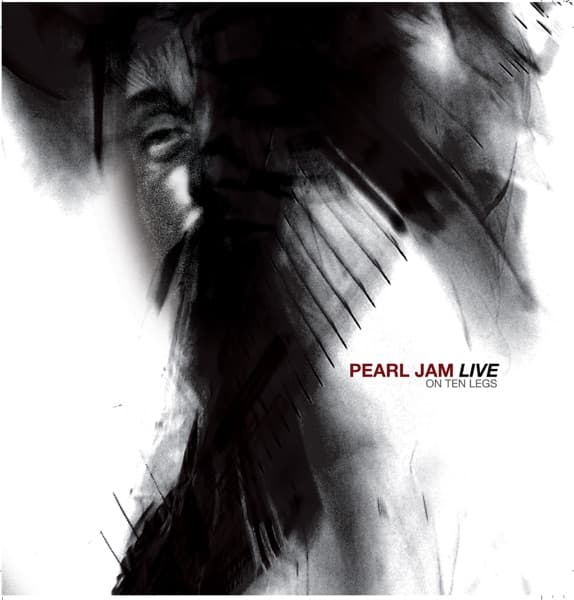
Pearl Jam
Ten
Big, reverbed, arena-sized grunge about a stepfather, a school shooting and a man drowning, sung by a surfer who had mailed his audition on a cassette. It took a year to catch and then sold thirteen million. If "Nevermind" was punk pretending to be pop, "Ten" was classic rock that had read the same books. "Alive" is the song the whole crowd still sings back.

Soundgarden
Superunknown
Seventy minutes of drop-D riffs in odd time signatures, psychedelic guitar and Chris Cornell singing about the day the sun turns black. It entered at number one the month before Cobain died, and "Black Hole Sun" was the summer's song. The heaviest of the Seattle records and the one that sounds most like it was made by people who could really play.
Alice in Chains
Dirt
A concept album about heroin by a band whose singer was dying of it. Cantrell and Staley's harmonies sound like a hymn sung in a basement, the riffs are Sabbath slow, and "Rooster" is about Cantrell's father in Vietnam. Four million people bought the bleakest record of the decade. Play "Would?" and hear how grunge could be metal without the leather.

Nirvana
In Utero
Recorded in two weeks with Steve Albini in Minnesota, mixed to sound like a room, and the record Cobain said he had wanted all along. "Heart-Shaped Box" and "All Apologies" are as pretty as anything on "Nevermind"; "Scentless Apprentice" and "Milk It" are noise. The label wanted it remixed and got two tracks. It went to number one anyway.
The Smashing Pumpkins
Siamese Dream
Billy Corgan reportedly played most of the guitars and bass himself, stacking dozens of tracks into a wall that shimmers instead of crushing. "Today" and "Disarm" are the hits; "Mayonaise" and "Soma" are the reason people cry at their shows. Made in Atlanta under a deadline and a breakdown, and it sounds like both.

Radiohead
OK Computer
The Library of Congress essay on it lists what it broke: song form, guitar sound, the lyric itself. Airbags, androids, a computer reading a list of things that make life fitter and happier. Nigel Godrich's production made guitars sound like weather. It went to number one in Britain and top thirty in America and has sold millions since. Play "Let Down" and hear a rock band decide it did not have to be one.

Radiohead
The Bends
The guitar record before the guitars went away. "Fake Plastic Trees", "High and Dry", "Street Spirit (Fade Out)" and "Just" are the songs Coldplay, Muse and Travis built careers copying. The band had one hit, "Creep", and were sick of it; this is where they found out they were something else. It grew slowly on both sides of the Atlantic and never left.

Beck
Odelay
Made with the Dust Brothers, who had produced the Beastie Boys' "Paul's Boutique", and built the same way: a collage of samples, slide guitar, drum breaks, bossa nova and a cheap keyboard. "Devils Haircut", "Where It's At" and "The New Pollution" were hits; the whole thing sounds like a yard sale in Los Angeles. It won two Grammys and made irony sound warm.

Weezer
Weezer (The Blue Album)
Ten power-pop songs about a garage, a sweater, a surf trip and Buddy Holly, produced by Ric Ocasek with the guitars up to metal and the harmonies up to the Beach Boys. Spike Jonze's "Buddy Holly" video put them in "Happy Days" and MTV played it every hour. The album that told every shy kid with a guitar that shy was allowed.

Jeff Buckley
Grace
A voice that could do Nusrat Fateh Ali Khan and Led Zeppelin in the same song, over a band that was learning the songs as they cut them. "Hallelujah" is here in the version everyone means; so are "Lover, You Should've Come Over" and "Last Goodbye". It sold slowly and then, after he drowned in 1997, became the record every singer of the next decade owned.

Neutral Milk Hotel
In the Aeroplane Over the Sea
Jeff Mangum, from Louisiana by way of Athens, Georgia, read "The Diary of Anne Frank", had dreams about her, and made a record of fuzzed acoustic guitar, singing saw, brass band and a voice that cracks on every held note. It sold almost nothing in 1998 and then, passed hand to hand and forum to forum, became the founding text of 2000s indie. He stopped performing for a decade. The record kept going without him.
Liz Phair
Exile in Guyville
Eighteen songs, a response track by track to "Exile on Main St.", sung flat and close to the microphone by a Chicago woman who had been recording as Girly-Sound in her bedroom. The frankest record about sex on an indie label and the one that opened the door for every woman who followed on Matador and beyond. NPR ranks it among the greatest albums women have made.
Alanis Morissette
Jagged Little Pill
A twenty-one-year-old former Canadian pop singer and the producer Glen Ballard, in his home studio, with songs about a specific ex-boyfriend and the specific things he had done. "You Oughta Know", "Hand in My Pocket", "Ironic", "You Learn". Thirty-three million copies, Album of the Year, and the record that put a woman's anger on every rock station at once.

Björk
Homogenic
Beats from Mark Bell of LFO that sound like volcanic rock cracking, strings from an Icelandic octet, and a voice singing about her country and a broken heart. "Jóga", "Bachelorette", "Hunter". Electronic music treated as an orchestra and pop treated as a place for ideas, and the record that showed the machines could carry an emotion as well as a beat.
My Bloody Valentine
Loveless
Guitars bent with a tremolo arm and layered until they sound like weather, drums sampled and looped, vocals buried where the mix cannot find them. "Only Shallow", "When You Sleep", "Soon". It took two years and nearly bankrupted its label and there has been no successor for more than thirty years. The most influential sound of the 1990s that nobody could copy.

Oasis
(What's the Story) Morning Glory?
"Wonderwall", "Don't Look Back in Anger", "Champagne Supernova", "Some Might Say". Four million copies in Britain, where roughly one household in six owns it, and the record that made Oasis the biggest band in the country since the Beatles they copied. It is also often cited as an early front in the loudness war: mastered hot, with the guitars turned up until they clip. Play it in a pub and watch the room sing.

Blur
Parklife
A concept album about suburban England: the disco kid on "Girls & Boys", the commuter on the title track with the actor Phil Daniels narrating, the pensioner on "End of a Century". The Kinks and Madness are in its bones and so is a real affection for the people it mocks. It won four Brit Awards and gave the decade's British pop its name.
Pulp
Different Class
"Common People" and "Disco 2000" are the hits, but "I Spy", "Sorted for E's & Wizz" and "Underwear" are the record: Jarvis Cocker narrating class, sex and the comedown from a rave with a raised eyebrow and a broken heart. It won the Mercury Prize and is the smartest thing Britpop produced. Fifteen years of nobody listening went into every line.

Massive Attack
Blue Lines
Hip-hop at walking pace, dub bass, a string section, a reggae toaster called Horace Andy and Shara Nelson singing "Unfinished Sympathy" over a beat that sounds like a heartbeat in a taxi. Bristol's sound-system culture made into an album. Everything called trip-hop, chill-out or downtempo for the next fifteen years is downstream of it.

Portishead
Dummy
Spy-movie soundtracks scratched into slow beats, a theremin, and Beth Gibbons singing like a torch singer who has given up on the torch. "Sour Times", "Glory Box", "Roads". It won the 1995 Mercury Prize and made Bristol's second masterpiece in three years. The band hated the word trip-hop; the word stuck anyway.
A Tribe Called Quest
The Low End Theory
The bass turned up, the samples quieted down, Ron Carter on upright on one track and Phife Dawg finally as good as Q-Tip on all of them. "Check the Rhime", "Jazz (We've Got)", "Scenario". Rolling Stone puts it ninth on its hip-hop list, and it is the record every producer who wanted to sound thoughtful learned from. Play it quietly; that is how it was built.
Dr. Dre
The Chronic
G-funk, invented in one record: live bass replaying Parliament, a Moog whining over the top, tempos slow enough to cruise to, and Snoop on nearly every song. "Nuthin' but a G Thang", "Let Me Ride", "Dre Day". It sold three million copies in a year and made gangsta rap the sound of American radio, which had never played it. The National Recording Registry added it in 2019.
Snoop Doggy Dogg
Doggystyle
The sequel to "The Chronic", made by the same producer with the star now in front. "Gin and Juice", "Who Am I (What's My Name)?", "Murder Was the Case". The first debut to enter the Billboard 200 at number one, while its author awaited a murder trial. Snoop's drawl, behind the beat and never hurried, is the West Coast in one voice.

Wu-Tang Clan
Enter the Wu-Tang (36 Chambers)
Nine rappers, RZA's beats from broken soul records and kung-fu movie dialogue, recorded cheaply in a Staten Island basement and mixed to sound like it. "C.R.E.A.M.", "Protect Ya Neck", "Method Man". A business plan disguised as a record: every member was free to sign elsewhere, and did. The National Recording Registry added it in 2022.

Nas
Illmatic
Ten tracks, thirty-nine minutes, a nineteen-year-old's photo on the cover over a project skyline, and the producers DJ Premier, Pete Rock, Q-Tip, Large Professor and L.E.S. each giving him their best beat. "N.Y. State of Mind", "The World Is Yours", "One Love". Still the best hip-hop album ever made; Rolling Stone's hip-hop list puts it twenty-fourth. Everything since has been measured against it, including everything Nas made.

The Notorious B.I.G.
Ready to Die
A life from birth to suicide in seventeen tracks, told by a man who could be the funniest and saddest person on a record inside one verse. "Juicy" for the radio, "Gimme the Loot" and "Warning" for the street, "Suicidal Thoughts" for the end. Puffy made it sell and Easy Mo Bee and Premier made it last. New York's answer to "The Chronic", and the record the whole East Coast rallied behind.

2Pac
All Eyez on Me
Recorded in about two weeks after Death Row bailed him out of prison, twenty-seven tracks, hip-hop's first double album. "California Love", "How Do U Want It", "Ambitionz Az a Ridah", "I Ain't Mad at Cha". It sold five million in a year and is the sound of a man who knew he did not have long, spending it all. Seven months later he was dead.

Jay-Z
Reasonable Doubt
Mafioso rap from a Marcy Projects hustler who rapped like an accountant with a grudge and never wrote a line down. "Dead Presidents II", "Can't Knock the Hustle", "Brooklyn's Finest" with Biggie. Premier, Ski and Clark Kent on the beats. It went gold slowly and became the record its author, and everyone else, calls his best. The hustler's manifesto.

OutKast
Aquemini
Live horns, harmonica, a gospel choir, "Rosa Parks", "SpottieOttieDopaliscious" and a song about Atlanta as a spaceship. Big Boi and André 3000 producing themselves and writing about what happens when the money leaves a neighborhood. Rolling Stone places it among the greatest hip-hop albums; the South, booed three years earlier, now owned the map.

Lauryn Hill
The Miseducation of Lauryn Hill
Recorded partly at Tuff Gong in Kingston, with a schoolroom of children between the songs and a pregnant twenty-three-year-old writing about the group she had lost and the man who had left. "Doo Wop (That Thing)", "Ex-Factor", "To Zion", "Everything Is Everything". Five Grammys, the first Album of the Year for a hip-hop record, the National Recording Registry, and no follow-up. She said what she had to.

Missy Elliott
Supa Dupa Fly
Timbaland's beats stutter, drop out and put a rain sample where the snare should be; Missy raps, sings, giggles and burps over them. "The Rain (Supa Dupa Fly)", "Sock It 2 Me", "Beep Me 911". The Rock Hall calls it futuristic and it has aged like a record made next year. The trash-bag suit video was the most imitated of the decade.

Juvenile
400 Degreez
New Orleans bounce, Mannie Fresh's drum machines, and "Back That Azz Up", the song that made Cash Money a major-label partner and put a teenage Lil Wayne on the record. It sold four million copies from a label that had been selling out of car trunks. Master P's No Limit had shown the South could do it independently; Cash Money showed what came next.
Mary J. Blige
What's the 411?
Hip-hop soul, defined, as the Rock Hall says. Rap beats, a gospel-trained voice from the Yonkers projects, and no attempt to make any of it smooth. "Real Love", "You Remind Me", "Reminisce". Puff Daddy's first great production and the template for every R&B record that put a rap beat under a real voice afterwards.

TLC
CrazySexyCool
Babyface, Dallas Austin, Organized Noize and Jermaine Dupri producing; Left Eye rapping about AIDS on "Waterfalls" in a verse Rolling Stone still quotes; "Creep" and "Red Light Special" for the slow jams. The best-selling album by an American girl group and the one whose makers filed for bankruptcy the next year. The sound of 1995 and the sound of the contracts.

D'Angelo
Brown Sugar
A twenty-one-year-old preacher's son playing almost every instrument, singing like Marvin Gaye and Prince in falsetto, over Fender Rhodes and drums that hang behind the beat like hip-hop. "Brown Sugar", "Lady", "Cruisin'". The record that gave the industry the word neo-soul and gave a generation of singers permission to be quiet and strange.
Erykah Badu
Baduizm
Jazz chords, Fender Rhodes, hip-hop drums and a voice out of Billie Holiday singing about a bad boyfriend and the cycle of the universe. "On & On", "Next Lifetime", "Appletree". Triple platinum, two Grammys, and the record that made neo-soul a movement instead of a marketing word.

Aaliyah
One in a Million
Timbaland and Missy Elliott, before either was famous, building the sparest, strangest beats in R&B, and a seventeen-year-old floating over them like she was barely trying. "One in a Million", "If Your Girl Only Knew", "4 Page Letter". The record that invented the sound of the next decade's radio, three years early.
Whitney Houston and others
The Bodyguard: Original Soundtrack Album
Six Whitney Houston songs, including "I Will Always Love You", "I'm Every Woman" and "I Have Nothing", and a handful of others, attached to a Kevin Costner thriller. It sold more than forty million copies worldwide, one of the best-selling albums ever made, and won Album of the Year. The pop ballad, at the peak of its power, with the best voice of its generation.

Britney Spears
...Baby One More Time
Max Martin's Cheiron studio in Stockholm, a sixteen-year-old from Louisiana, and a title song that had been turned down by TLC. "Sometimes", "(You Drive Me) Crazy". Twenty-five million copies, the first "TRL" star, and the record that made the Swedish pop formula the sound of the next decade. Pop as a machine, and a great one.
Garth Brooks
No Fences
"Friends in Low Places", "The Thunder Rolls", "Unanswered Prayers", "Two of a Kind, Workin' on a Full House". Sixteen million copies by the Hall of Fame's count. Arena-sized country from a man who loved Kiss and James Taylor equally, with songs about a wife-beater's wife getting a gun and a man thanking God for the prayer that was not answered. The boom starts here.

Shania Twain
Come On Over
Sixteen songs produced by Mutt Lange like a Def Leppard record with a fiddle: "Man! I Feel Like a Woman!", "You're Still the One", "That Don't Impress Me Much", "From This Moment On". Forty million copies worldwide, the best-selling album by a woman in American history, and a remixed pop version for countries that did not want the fiddle. Nashville argued. The world bought it.
Dixie Chicks
Wide Open Spaces
A fiddle, a banjo, real three-part harmony and a new singer, Natalie Maines, on a record about leaving home. The title track, "There's Your Trouble", "You Were Mine". Twelve million copies, more than any country group's album before it. Proof that the boom did not have to sound like arena rock.

Uncle Tupelo
No Depression
Punk speed on "Graveyard Shift", Carter Family sorrow on the title track, and two songwriters, Jay Farrar and Jeff Tweedy, who would split into Son Volt and Wilco. Made for a few thousand dollars in Boston and named, by a magazine and then by a whole movement, as the start of alternative country. Play it after the Carters and before Wilco and hear the line.

Lucinda Williams
Car Wheels on a Gravel Road
Six years, three producers and a reputation for perfectionism, and every second earned. "Right in Time", "Drunken Angel", "Lake Charles", "Joy". A road trip through the Deep South from a car window, sung in a voice that sounds like gravel and honey. It won a Grammy and is the record every Americana songwriter measures against.

Johnny Cash
American Recordings
One man, one guitar, Rick Rubin's living room, and thirteen songs about murder, loss and God from Cash, Nick Lowe, Tom Waits, Leonard Cohen and Kris Kristofferson. "Delia's Gone" opens it with a killing. The Hall of Fame notes the Grammy it won; what it really won was the last decade of Cash's life, which he spent making the best records of his career.

Metallica
Metallica
The Black Album. Bob Rock slowed the tempos, tuned the drums like a cannon and made the band record together in a room. "Enter Sandman", "Sad but True", "The Unforgiven", "Nothing Else Matters". Sixteen million copies in America, more than any metal record before or since, and the album that made a thrash band the biggest rock act on earth.
Pantera
Vulgar Display of Power
A fist hitting a face on the cover and the same thing inside. "Mouth for War", "Walk", "This Love", "Fucking Hostile". Dimebag's scooped, squealing guitar defines groove metal, Anselmo barks, and the rhythm section swings like a wrecking ball. Every metalcore breakdown of the 2000s comes from this record.

Mayhem
De Mysteriis Dom Sathanas
The founding document of Norwegian black metal, recorded with a guitarist who would be murdered and a bassist who would murder him, both on the record. Blast beats, treble guitars, Attila Csihar singing like a priest possessed. "Freezing Moon" is the anthem. The music is real and extraordinary; "Lords of Chaos" tells the story around it, and the story is worse than the music.
Korn
Korn
Seven-string guitars tuned to A, slap bass that clicks like a drum, a hip-hop groove and Jonathan Davis screaming, scatting and weeping about his childhood on "Daddy". Ross Robinson produced it in a way that sounds like it might fall apart. I call it nu-metal's blueprint, and every band on the "TRL" countdown in 1999 had a copy.
Nine Inch Nails
The Downward Spiral
Recorded in the house where Sharon Tate was murdered, a concept album about a man taking himself apart. "Closer", "March of the Pigs", "Hurt". Industrial noise, funk bass, piano ballads and a scream, arranged like a symphony and sold like a rock record. It went to number two and made Trent Reznor the decade's loneliest superstar.
Rage Against the Machine
Rage Against the Machine
A photo of a monk burning himself on the cover and "Killing in the Name" on side one. Morello's guitar as a DJ, a siren and a helicopter; de la Rocha rapping Marxist slogans at a police line. The Rock Hall says it changed the rules for how a rock record could be made. It sold three million copies, and its buyers argued about whether they were the machine.
Green Day
Dookie
Fourteen songs in thirty-nine minutes about boredom, panic attacks and masturbation, played like the Buzzcocks by three kids from Gilman Street. "Basket Case", "Longview", "When I Come Around", "Welcome to Paradise". Ten million copies in America, a Grammy, and a lifetime ban from the club they came from. The gateway drug.
The Offspring
Smash
"Come Out and Play", "Self Esteem", "Gotta Get Away". Skater punk with shout-along choruses, as, on an independent label owned by Bad Religion's guitarist. Eleven million copies, the best-selling indie-label album ever at the time, and proof that the punk business could be run without a major. Epitaph bought a building with the money.

Sunny Day Real Estate
Diary
Beautiful, anguished and genre-defining. Jeremy Enigk sang in a strangled high voice about faith and failure over guitars that went from a whisper to a wall in a bar. "Seven", "In Circles", "Song About an Angel". The record that turned Washington post-hardcore into the emo of the next decade, on the same label as Nirvana.
Refused
The Shape of Punk to Come
A Swedish hardcore band with a title borrowed from Ornette Coleman, jazz breaks, techno, a string quartet and "New Noise", the song that starts with a whisper and explodes. They broke up weeks after it came out, mid-tour, in a basement. The title was accurate: At the Drive-In, the 2000s post-hardcore boom and a decade of screamed choruses followed it.

Aphex Twin
Selected Ambient Works 85–92
Home recordings by a Cornish teenager who built his own synthesizers, released with tape hiss intact. "Xtal", "Ageispolis", "Pulsewidth". Melodic, hazy and unlike the clubs it came out of, and the record every headphone electronic producer since has heard. Warp's "Artificial Intelligence" compilation, four months earlier that year, had already given the sound a name: IDM.

Goldie
Timeless
Jungle as an album: a twenty-one-minute title suite with strings and Diane Charlemagne's "Inner City Life", breakbeats at 160, dub bass, and a graffiti writer's idea of a symphony. It went top ten in Britain and made drum and bass a thing the broadsheets wrote about. Roni Size's Mercury two years later was built on this.
Roni Size and Reprazent
New Forms
Drum and bass with a live double bass, a rapper, a singer and a Bristol collective's idea that the music could be jazz. "Brown Paper Bag", "Share the Fall", "Heroes". It won the 1997 Mercury Prize over "OK Computer" and the Prodigy, and it is the moment the London underground that started after the Criminal Justice Act got the establishment's prize.

The Prodigy
The Fat of the Land
"Firestarter", "Breathe", "Smack My Bitch Up", the last with a video MTV would only show after midnight. Rave breakbeats, punk energy, guitar samples and Keith Flint snarling. It entered at number one in America and Britain, the first British dance album to do it, and put electronic music on the main stage of every rock festival.

Daft Punk
Homework
Chicago house, Chic guitars and filtered disco through cheap gear in a Paris bedroom. "Da Funk", "Around the World", "Rollin' & Scratchin'". The record that made French touch a scene and two men in robot helmets the biggest dance act of the next fifteen years. It is rawer than what came after and, in places, better.

Boards of Canada
Music Has the Right to Children
Two brothers from Scotland, analogue synthesizers detuned like a warped cassette, children's voices from public-information films, and hip-hop drums slowed to a nod. "Roygbiv", "Aquarius", "Turquoise Hexagon Sun". The sound of a 1970s childhood remembered through tape hiss, and the record every ambient, lo-fi and vaporwave producer since has tried to make.

Moby
Play
Alan Lomax's 1959 field recordings of Southern gospel and blues singers over house pianos and breakbeats, and every one of the eighteen tracks licensed to a film, a television show or an advert. "Porcelain", "Natural Blues", "Why Does My Heart Feel So Bad?". Ten million copies to people who had never been to a club, and the licensing model the next twenty years would copy.

Selena
Amor Prohibido
Tejano cumbia with synthesizers and a pop singer's instinct: the title track about her grandparents, "Bidi Bidi Bom Bom", "No Me Queda Más", a Pretenders cover in Spanish. It sold like a pop record across the Southwest and Mexico and made her the Queen of Tejano. A year after it came out she was dead, and the crossover she was building happened without her.

Buena Vista Social Club
Buena Vista Social Club
Recorded in six days in Havana's EGREM studio with Cuban veterans in their seventies and eighties and Ry Cooder on slide guitar. "Chan Chan", "Dos Gardenias", "Candela". Son, bolero and danzón from before the revolution, sold in the millions to a world that had not heard them. A Grammy, a Wim Wenders film, and Carnegie Hall for men who had been shining shoes.

Café Tacvba
Re
Twenty songs in every Mexican style the band could think of, ska, bolero, norteño, huapango, punk, electronica, a Leo Dan cover, and one, "Las Flores", that became a standard. Rock en español's "White Album", made in Mexico City by four art students who refused to pick a genre. The record that made Latin rock the most inventive scene on the continent.

Kirk Franklin and God's Property
God's Property from Kirk Franklin's Nu Nation
A Dallas youth choir, a Funkadelic sample, a rap from Salt-N-Pepa's Cheryl James and a video MTV played like a rap hit. "Stomp" went to number one on R&B airplay and the album entered the Billboard 200 at number three, the highest a gospel record had ever gone. Grammys in R&B categories. The church came to the club and the club stood up.

Buju Banton
Til Shiloh
Dancehall's roughest voice, newly Rastafarian, over nyabinghi drums, scripture and one acoustic guitar. "Untold Stories", "Til I'm Laid to Rest", "Champion", "Wanna Be Loved". The record that brought roots reggae back inside dancehall and the one that Capleton, Sizzla and the late-1990s conscious revival grew from. His "Redemption Song" is on it.

Us3
Hand on the Torch
Blue Note opened its vault to a British producer and got its first platinum album. "Cantaloop (Flip Fantasia)", built on Herbie Hancock's "Cantaloupe Island", went top ten in America; the rest samples Art Blakey, Horace Silver and Lou Donaldson under rappers and live horns. Acid jazz's biggest record and the moment the jazz establishment noticed where its next audience was coming from.

Cassandra Wilson
Blue Light 'til Dawn
Acoustic guitars, hand drums, a low slow voice, and a songbook that runs from Robert Johnson's "Come On in My Kitchen" to Van Morrison and Joni Mitchell. Produced by Craig Street in a New York loft. The record that let a jazz singer sing anything and made the Delta part of the jazz vocabulary again.
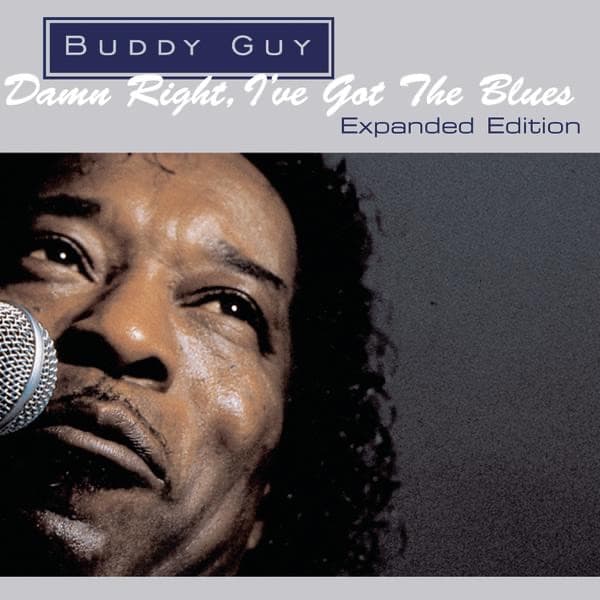
Buddy Guy
Damn Right, I've Got the Blues
The Chicago guitarist Hendrix and Clapton copied, without a record deal for a decade, given a British label, a big budget and Clapton, Jeff Beck and Mark Knopfler as guests. He plays louder and wilder than any of them. It won a Grammy and gave him the career he had been owed since 1960. The blues did not disappear in the 1990s; it waited for the phone to ring.
The Mixtape
The decade in tracks, in the order that tells its story. Press Listen on any of them.
Smells Like Teen Spirit
NirvanaFour chords, a Pixies dynamic and a chorus about not caring that a generation cared about more than anything. Start here because everything in the decade is either this or a reaction to it.
Scenario
A Tribe Called QuestThe Native Tongues passing the mic around a room, and a nineteen-year-old Busta Rhymes stealing the record with the last verse. The golden era in five minutes.
Enter Sandman
MetallicaA clean guitar figure, then the wall. The riff that put thrash metal on every rock station and every stadium PA in America, and still does.
Unfinished Sympathy
Massive AttackHip-hop slowed to a heartbeat, strings recorded at Abbey Road, and Shara Nelson walking down a Los Angeles street in one unbroken shot. Bristol invents a tempo.
Nuthin' but a "G" Thang
Dr. Dre feat. Snoop Doggy DoggLeon Haywood's bassline, a Moog whine, and Snoop talking from the passenger seat. G-funk arrives, and gangsta rap becomes the sound of a Saturday afternoon.
I Will Always Love You
Whitney HoustonDolly Parton's goodbye to Porter Wagoner, opened a cappella and held at number one for fourteen weeks. The pop ballad at the top of its power.
Real Love
Mary J. BligeAn Audio Two drum break under a gospel voice from the projects. Hip-hop soul in one single, and the template for R&B from here to now.
Walk
PanteraA riff in twelve-eight that stomps rather than runs. Groove metal in three and a half minutes, and the breakdown every 2000s hardcore band would steal.
C.R.E.A.M.
Wu-Tang ClanA Charmels piano loop, Raekwon and Inspectah Deck on the stairwell, Method Man on the hook. Cash rules everything, and the Wu took the lesson to heart.
Hyperballad
BjörkA woman throws things off a cliff every morning so she can be kind all day, over a beat that builds from a pulse to a storm. Electronic pop with a whole life in it.
N.Y. State of Mind
NasDJ Premier's piano loop, and a twenty-year-old describing a project stairwell at night so exactly that you can smell it. The best hip-hop album ever made, track two.
Basket Case
Green DayA song about a panic attack that ten million suburban kids learned on their first guitar. The gateway drug, as I call it, and still the fastest way in.
Where Did You Sleep Last Night (MTV Unplugged)
NirvanaLead Belly's song, Cobain's scream at the end, and a room full of candles that turned out to be a wake. Recorded in November 1993, released after his death.
Delia's Gone
Johnny CashA murder ballad, one voice, one guitar, a man in his sixties in a producer's living room. The whole "American Recordings" idea in three minutes.
Juicy
The Notorious B.I.G.Mtume's "Juicy Fruit" and a Brooklyn kid telling the story of getting out. Every rap-to-riches song since is a cover of it. Biggie at his warmest.
Live Forever
OasisNoel Gallagher's answer to grunge: a song that says maybe you want to live forever instead. Britpop's manifesto, and the best thing they ever wrote.
Common People
PulpA Greek art student who wants to slum it, and Jarvis Cocker explaining, over six minutes that keep speeding up, why she never can. Britain's best single of the decade.
Dear Mama
2PacA thank-you to a Black Panther mother who had been a crack addict, without one excuse. The record that went to number one while he was in prison, and the one that explains why people loved him.
Amor Prohibido
SelenaA cumbia about her grandparents falling in love across a class line, sung by the Queen of Tejano a year before she was killed. The border's pop music, at its peak.
You Oughta Know
Alanis MorissetteFlea and Dave Navarro on the track, and a twenty-one-year-old asking an ex whether the new woman goes down on him in a theatre. Radio played it anyway, and thirty million bought the album.
Brown Sugar
D'AngeloA Rhodes, a drum that hangs behind the beat, and a falsetto singing about weed as if it were a woman. Neo-soul gets its name from this.
Untold Stories
Buju BantonDancehall's roughest voice with one acoustic guitar, singing about poverty in Kingston. The 1990s "Redemption Song", and the record the conscious revival grew from.
Inner City Life
GoldieBreakbeats at 160, strings, and Diane Charlemagne singing about London over the top. Jungle becomes drum and bass becomes an album, in one single.
Dead Presidents
Jay-ZA Lonnie Liston Smith piano loop, a Nas line on the hook, and a hustler explaining the job as if you were an investor. The manifesto, as, and the start of an empire.
Around the World
Daft PunkThree words, a disco bassline through a filter, and a Michel Gondry video with skeletons and swimmers. French touch conquers the world with almost no lyrics.
Paranoid Android
RadioheadSix and a half minutes, three songs in one, a riff in 7/8 and a choir. A rock band deciding that the rock song was not enough anymore, and getting to number three in Britain with the result.
The Rain (Supa Dupa Fly)
Missy ElliottAn Ann Peebles sample, a Timbaland beat with holes in it, and Missy in an inflated trash bag through a fish-eye lens. The most imitated video of the decade and the sound of the next one.
Stomp
Kirk Franklin and God's PropertyA choir, a Funkadelic sample and Salt-N-Pepa's Cheryl James rapping. The church on MTV, and the moment gospel took its beats back.
Doo Wop (That Thing)
Lauryn HillA doo-wop piano, a rap verse for the men and a sung one for the women, and the first song to enter the Hot 100 at number one as an artist's debut. Five Grammys followed.
Rosa Parks
OutKastA harmonica breakdown, a hook about the back of the bus, and a lawsuit from Rosa Parks. The South, booed in 1995, now the most interesting place on the map.
...Baby One More Time
Britney SpearsThree piano chords, a Max Martin chorus and a school uniform. The "TRL" era starts here, and so does the pop machine of the next twenty years.
Livin' la Vida Loca
Ricky MartinDesmond Child's song, a horn section, five weeks at number one, and the Latin explosion in a single. Often cited as the first number one recorded entirely in Pro Tools.
My Name Is
EminemA Labi Siffre sample, a Dr. Dre beat and a white kid from Detroit introducing an alter ego. The decade ends with the argument about rap starting over.
Porcelain
MobyA piano, a reversed string sample and a whisper, licensed to every advert and film of 2000. Electronic music in the living room, and the end of the CD decade in one quiet song.
What Came Next
By the end of 1999 the CD had made the record industry richer than it had ever been and Napster had shown it the door. The 2000s would be the decade of the download, the iPod, the ringtone and the collapse of the album as a business, and everyone in this chapter would have to find a new way to get paid. Metallica sued. Radiohead gave a record away. Prince put one in a newspaper.
The music went where the decade had pointed it. The South ran hip-hop: OutKast, Lil Wayne, T.I., Three 6 Mafia at the Oscars. Timbaland and the Neptunes, who started here, wrote the sound of pop radio. Eminem became the biggest star in the world, Jay-Z became the biggest executive, and 50 Cent arrived on a mixtape. The Strokes and the White Stripes took garage rock back from nu-metal; Coldplay and the Killers took "The Bends" to the stadium; the emo basement bands became My Chemical Romance and Fall Out Boy on "TRL". Britney and Christina grew up in public. Beyoncé left Destiny's Child. Shakira learned English. The Chicks said something about the president and found out how fast a format could turn.
And the underground kept doing what it had learned in the 1990s: run your own label, make your own scene, sell it yourself. Ani DiFranco and Fugazi had shown the way; MySpace and the blog would give everyone the tools. The kids who had bought "Nevermind" and "Illmatic" and "Dookie" on CD were about to rip them to a hard drive and build the next thing out of the pieces. Nothing here started from nothing. Nothing here ended, either.