100 Years of Music / Genre
Rock
Rhythm and blues with a country accent, played too loud through an electric guitar for a teenage audience that had just been invented. Rock and roll got its name in 1951, took over the world in 1964, and has been arguing with itself ever since.
The lineage
Rock and roll was not a new music so much as a new audience for an old one. The ingredients were all in place by 1950: the backbeat, which means the drummer hitting the snare hard on beats two and four of a four-beat bar, from R&B; boogie-woogie piano; the electric guitar, which Leo Fender began selling as the Broadcaster in 1950; country’s twang and songs about cars and trains; and the shout of the church. In March 1951 Ike Turner’s band cut "Rocket 88" at Sam Phillips’s Memphis studio with a guitar amplifier damaged on the drive up, and the distortion stayed on the record. That July Alan Freed started playing R&B records for white teenagers on WJW in Cleveland and calling the music rock and roll. His Moondog Coronation Ball in March 1952 was the first rock concert, and it was shut down by the crowd.
The next five years made the canon. Bill Haley’s "Rock Around the Clock" (1954) went to number one in 1955 after Blackboard Jungle put it under the opening credits. Elvis Presley walked into Phillips’s studio and cut "That’s All Right" on 5 July 1954. Chuck Berry’s "Maybellene" (1955) was a country tune with a blues engine and lyrics about a car, and his guitar introductions became the genre’s alphabet. Little Richard’s "Tutti Frutti" (1955), Fats Domino, Bo Diddley, Carl Perkins, Buddy Holly and Jerry Lee Lewis followed within two years. The 45 rpm single (1949), the transistor radio (1954) and television (Elvis on Ed Sullivan, September 1956) carried it into every bedroom. Link Wray’s "Rumble" (1958) added the power chord and was kept off some stations because its title suggested a gang fight.
Then the first generation left the stage, Holly in a plane in February 1959, Elvis into the Army, Berry into prison, Richard into the church, and the Brill Building, the girl groups and the surf bands kept the beat until the Beatles landed at Kennedy Airport in February 1964. The British Invasion sent America’s own music back to it, louder: the Rolling Stones playing Chess Records covers, the Kinks’ "You Really Got Me" (1964) played through a slashed speaker cone, the Who’s "My Generation" (1965). Dylan went electric in 1965, Pet Sounds and Revolver came in 1966, Sgt. Pepper and Are You Experienced in 1967, and the album replaced the single as the thing that mattered. Psychedelia in San Francisco, the Velvet Underground in New York, Woodstock in August 1969 and Altamont four months later closed the decade with the music at its most ambitious and its most exhausted.
The 1970s made rock enormous. Led Zeppelin (1969) and Black Sabbath (1970) turned the blues riff into hard rock and heavy metal. King Crimson (1969), Yes, Genesis and Pink Floyd’s The Dark Side of the Moon (1973) made it symphonic and called it progressive. David Bowie’s Ziggy Stardust (1972) made it theatre. The Allman Brothers and Lynyrd Skynyrd made it Southern. Springsteen’s Born to Run (1975), the Eagles’ Hotel California (1976) and Fleetwood Mac’s Rumours (1977) made it the biggest business in music, and Boston, Journey, Queen and Kiss built the arena show to hold it. Punk arrived in 1976 to tear it down and became a chapter of its own. MTV went on air in August 1981 and rock learned to be looked at: Springsteen’s Born in the U.S.A. (1984), U2’s The Joshua Tree (1987), Guns N’ Roses’ Appetite for Destruction (1987).
Nirvana’s Nevermind replaced Michael Jackson at number one in January 1992, and for a decade the alternative chapter of this history was rock’s main story. The Strokes and the White Stripes revived the garage in 2001, Arctic Monkeys did it from the internet in 2006, and Radiohead spent the 2000s taking the guitar apart. In 2017 Nielsen reported that hip-hop and R&B had passed rock as the most consumed music in the United States, and the genre has lived since then as a spirit rather than a chart: in Olivia Rodrigo’s pop-punk, in Turnstile and Fontaines D.C. and Wet Leg, in every festival headliner over fifty. The riff, the backbeat and the loud guitar have not gone anywhere. They are just no longer the centre.
Branches
Rock and roll
The original: R&B and country played for teenagers with a backbeat and an electric guitar. "Rocket 88" (1951), Haley, Elvis, Berry, Little Richard, Domino, Holly. Five years that everything after refers back to.
Rockabilly
Country boys playing blues fast with a slap bass and echo. Sun Records in Memphis: Elvis’s "That’s All Right" (1954), Carl Perkins’s "Blue Suede Shoes" (1956), Johnny Cash, Jerry Lee Lewis. Punk and the Stray Cats revived it.
Surf
Instrumental guitar drenched in reverb, played fast with a picked tremolo. Dick Dale’s "Let’s Go Trippin’" (1961) started it in Southern California; the Beach Boys added harmony and made it pop.
British Invasion
British bands who had learned American R&B from records sold it back to America. The Beatles on Ed Sullivan (February 1964), the Rolling Stones, the Kinks, the Who, the Animals. Rock became a band’s music, not a singer’s.
Garage rock
Thousands of American teenagers copying the British bands with cheap guitars and fuzz pedals. "Louie Louie" (1963), "96 Tears" (1966), the Sonics, the Seeds. Crude, loud, and the direct ancestor of punk.
Psychedelic rock
Rock that tried to sound like an acid trip: studio effects, drones, long solos, Indian instruments. The 13th Floor Elevators coined the term in 1966; Revolver, Sgt. Pepper, Jefferson Airplane, the Grateful Dead and Hendrix defined it.
Hard rock
Blues rock made heavier, louder and slower, with the riff as the song. Blue Cheer and Steppenwolf in 1968, Led Zeppelin from 1969, Deep Purple, then Aerosmith, AC/DC and Van Halen through the 1970s.
Progressive rock
Rock musicians borrowing classical form, jazz harmony and science fiction, at album length. King Crimson’s In the Court of the Crimson King (1969), Yes, Genesis, Pink Floyd, Rush. Ambition as a genre.
Glam rock
Rock as costume and theatre, with a stomping beat. David Bowie’s Ziggy Stardust (1972), T. Rex, Roxy Music, Slade; in America the New York Dolls and Kiss. Punk, new wave and hair metal all raided its wardrobe.
Arena rock
Rock written for 20,000 people and FM radio: big choruses, big production, big lights. Boston (1976), Journey, Foreigner, Queen’s "We Will Rock You" (1977), Kiss, Bon Jovi. Punk called it corporate, and it sold anyway.
How to listen
Find the backbeat. Count four and listen for the snare drum on two and four; clap on those beats and you are clapping the way a rock audience has clapped since 1955. Then find the riff, the short repeated guitar figure the song hangs on: "Johnny B. Goode", "Satisfaction", "Smoke on the Water", "Seven Nation Army". Beat plus riff is the genre’s grammar.
Then listen for what the guitar is doing to the amplifier. Clean and twangy is 1956. A little hair on the sound is 1964. Fuzz is 1966. Overdriven and sustained is 1969. Wall of distortion is 1991. The history of rock can be told as the history of what happens when you turn a guitar amp past where it was designed to go.
Play the returns. Chuck Berry’s "Maybellene" (1955), the Beatles’ "Roll Over Beethoven" (1963), the Ramones’ "Blitzkrieg Bop" (1976), the White Stripes’ "Fell in Love with a Girl" (2001). Every twenty years or so somebody strips it back to three chords and calls it new, and every time they are right.
Across the decades
The parts get built: electricity, boogie, and a guitar out front
Rock and roll is twenty years away, but almost every part of it is manufactured in this decade. Start with the instrument. In 1932 a Los Angeles company run by George Beauchamp and Adolph Rickenbacker began selling the Electro A-22, an aluminum lap steel with a horseshoe magnet pickup that people called the Frying Pan. It was the first electric guitar anyone could buy. In January 1935 Bob Dunn recorded an amplified steel with Milton Brown's Musical Brownies in Texas. By 1939 Charlie Christian was playing single-note solos on a Gibson ES-150 through an amplifier in Benny Goodman's sextet, and the guitar had a voice as loud as a saxophone.
Then the rhythm. Boogie-woogie put eight beats to the bar under the blues, and "Roll 'Em Pete" in December 1938 showed what a shouter could do on top of it. The Bluebird blues records out of Chicago put drums behind a guitar. Western swing put drums behind a fiddle. Sister Rosetta Tharpe put a guitar solo at the front of a gospel song called "Rock Me" and sang it in a nightclub.
None of these people thought they were inventing anything. They were trying to be heard in a loud room, on a cheap record, over a big band, in a church that wanted to clap. That is the honest origin of most of what this project covers: not a manifesto, a volume problem.
The fuse is lit
Nobody in the 1940s made a rock and roll record, because the phrase did not exist as a genre. But if you line up the records historians argue about as the first one, most of them are in this chapter. Sister Rosetta Tharpe's "Strange Things Happening Every Day" (1944): electric guitar, boogie piano, a gospel shout. Roy Brown's "Good Rockin' Tonight" (1947) and Wynonie Harris's cover (1948), with the word rocking used the way the next decade would use it and a backbeat you can clap to. John Lee Hooker's "Boogie Chillen'" (1948), a teenager sneaking out to a club on one chord. Fats Domino's "The Fat Man" (December 1949), a New Orleans piano playing triplets over a snare. Big Joe Turner had been doing it since 1938.
What these records share is the machinery. Electric guitar, from T-Bone Walker and Muddy Waters and Ernest Tubb's sideman. Boogie-woogie piano, from Pete Johnson and Amos Milburn. The honking tenor saxophone, from Louis Jordan's band and Illinois Jacquet's solo on Lionel Hampton's "Flying Home". The backbeat, from gospel handclaps and jump blues drummers. The shout, from the church and the Kansas City bars. And the independent label with a distributor in the trunk of a car. The 1950s did not invent any of it; the 1950s found the teenagers.
Two technical strands run underneath. Les Paul spent the decade building a solid-body electric guitar out of a four-by-four fence post and recording himself eight times over on "Lover" in 1948; his name would be on the guitar that Jimmy Page and Slash played. Bing Crosby's tape machines made overdubbing and editing normal by 1950. A distorted guitar through a torn speaker cone, the sound of "Rocket 88" in 1951, was an accident waiting for this decade's tools.
Rock and roll: the big bang
Rhythm and blues had been rocking for years. Wynonie Harris sang about good rockin’ in 1948, and Jackie Brenston’s "Rocket 88" hit number one on the R&B chart in 1951 with a distorted guitar and a boogie piano. What happened in the 1950s was that a Cleveland disc jockey named Alan Freed started calling those records "rock and roll" on a powerful station, and white teenagers found them.
Three cities made three versions of it. In Memphis, Sam Phillips put a country boy in front of a blues song and got Elvis Presley, then Carl Perkins, Johnny Cash and Jerry Lee Lewis: rockabilly, all slapback echo and hiccup. In Chicago, Chess Records took Chuck Berry’s country-flavored guitar and Bo Diddley’s hambone rhythm and cut the records that taught every future rock band what a guitar was for. In New Orleans, Fats Domino rolled a boogie-woogie piano into pop gold and Little Richard screamed "Tutti Frutti" over the same rhythm section until the tape ran out.
The core is simple and that is the point: twelve-bar blues changes, a backbeat on two and four, an electric guitar or a piano doing the talking, and lyrics written from inside a teenager’s head about cars, school, dances and being told no. Buddy Holly added a melodic sense that pointed straight at the Beatles. The Everly Brothers added Appalachian harmony. Eddie Cochran and Gene Vincent added the leather jacket.
It looked finished by 1959. Little Richard was in the ministry, Elvis was in the Army, Jerry Lee Lewis was in disgrace, Buddy Holly was dead and Chuck Berry was in court. It was not finished. It had just been exported.
Rock splinters: the British Invasion, psychedelia, the garage and the blues boom
Rock and roll looked finished in 1960. Elvis was in the army, Buddy Holly was dead, Little Richard was in the church and Chuck Berry was in court. What saved it was a bunch of British teenagers who had bought every one of those records, plus the Chess and Stax singles that never got played on American pop radio, and who re-exported the whole lot with a new swagger. The Beatles landed in New York in February 1964. The Rolling Stones, the Animals, the Kinks, the Who and the Yardbirds followed. Gritty, catchy and cool as hell, the British Invasion gave America its own music back and made rock a global business.
Then it got weird. LSD, Vietnam and civil unrest shook the culture, and the music followed. In San Francisco the Grateful Dead and Jefferson Airplane played the ballrooms and the park; in Los Angeles the Byrds, the Doors and Love; in London Pink Floyd under Syd Barrett, all kaleidoscope and abstraction. Jimi Hendrix set fire to everything, literally and figuratively. Psychedelic rock was colorful, experimental and built to sound like an altered state: wah pedals, backwards tape, extended solos, surreal lyrics, sitars and studio tricks.
Underneath the charts a grittier thing was happening in basements and garages. The Kingsmen cut "Louie Louie" in Portland in 1963 and nobody could understand the words. The Sonics in Tacoma played like their amps were on fire. The Standells, the 13th Floor Elevators, the Seeds and a thousand bands with one single each made stripped-down, shouted, attitude-first rock. It sold little at the time. It became the direct ancestor of punk.
Meanwhile the surf bands gave the early decade its sunshine. Dick Dale bent Middle Eastern melody through a drenched-in-reverb Fender and called it "Misirlou". The Ventures made the guitar instrumental a chart genre. The Beach Boys took car songs and beach songs and, under Brian Wilson, grew into the most ambitious studio band in America.
As rock expanded, a lot of players doubled down on the blues, but with volume and virtuosity. John Mayall's Bluesbreakers were a finishing school; Clapton, Peter Green and Mick Taylor all passed through. Cream turned the 12-bar into a power trio's excuse for a ten-minute jam. Fleetwood Mac under Green played it straight and beautiful. Led Zeppelin's first record, January 1969, and Blue Cheer's cover of "Summertime Blues" the year before, pointed straight at heavy metal, and Steppenwolf put the words "heavy metal thunder" into a lyric about a motorcycle in 1968. The name stuck.
Rock takes over the world, in every direction at once
There was no single sound of rock in the seventies. There was every sound. The Rolling Stones made "Exile on Main St." (1972) in a French basement, a double album of blues, gospel and country played loose and mixed muddy on purpose. The Who wrote rock operas. Led Zeppelin fused Delta blues, English folk and pure volume into something mythic, and "Led Zeppelin IV" (1971) put a folk ballad that turns into a hard-rock climax, "Stairway to Heaven", at the centre of FM radio for the rest of the century. Aerosmith brought swagger and sleaze with bluesy firepower. Kiss painted their faces and set off flash pots. Blue Öyster Cult were mystical and weird and heavy in all the right ways.
Prog rock cracked open time signatures. While some cranked the distortion, Pink Floyd built atmosphere, politics and existential dread into "The Dark Side of the Moon" (1973), a record about time, money and madness that stayed on the American chart for over seven hundred weeks. Yes had virtuosity, spacey lyrics and Jon Anderson's high tenor. Genesis, with Peter Gabriel in costume, told stories. King Crimson were angular and aggressive. Emerson, Lake and Palmer had classical chops and big ideas. Jethro Tull put a flute in front of a rock band. Rush, from Toronto, had brains and brawn. These were not just songs. They were journeys, and they needed the LP side to make them.
Glam dolled it up while everyone else got heavier. David Bowie killed his old self and came back in June 1972 as Ziggy Stardust, an alien rock star with red hair and a band called the Spiders from Mars; his "Starman" on Top of the Pops that July is the moment a generation of British kids decided they could be anyone. Marc Bolan's T. Rex made boogie riffs glitter. Roxy Music, with Brian Eno twiddling a synthesizer at the side of the stage, made sophistication and strangeness in equal measure. The New York Dolls wore lipstick and played like a garage band falling down stairs, and punk heard them. Slade and Sweet supplied the stomping singles, and Gary Glitter did too, before later crimes put him outside any story a museum would tell.
The singer-songwriters turned inward. Carole King's "Tapestry" (1971) made honesty beautiful and stayed on the American album chart for six years. Joni Mitchell's "Blue" went further inside than anyone had. James Taylor was the soft-spoken heart of Laurel Canyon. Cat Stevens sang spiritual searching over acoustic guitar. Neil Young was fragile and fierce, sometimes in the same song. Jackson Browne wrote political and emotional ballads. Paul Simon, out of the duo, went looking for the world's rhythms. Elton John, with Bernie Taupin's words, made the piano a rock instrument again. Out of the same canyon came the Eagles, who polished country rock until it gleamed and then wrote "Hotel California" (1976) about what the polish cost.
The South rose again on amplifiers. The Allman Brothers Band married blues, jazz and country into twin-guitar jams and cut two nights at the Fillmore East in March 1971 that fixed what a live rock album could be; Duane Allman died on a motorcycle that October. Lynyrd Skynyrd answered with three guitars, "Free Bird" and "Sweet Home Alabama", and lost their singer Ronnie Van Zant in a plane crash in October 1977. The Band, four Canadians and an Arkansan, kept writing an America that never quite existed. Crosby, Stills, Nash and Young sang harmony and heartbreak. And the arena filled: Boston's "More Than a Feeling", Kansas, Foreigner, Journey, bands built for hockey rinks. Bruce Springsteen's "Born to Run" (1975) and Fleetwood Mac's "Rumours" (1977) were the decade's two great rock records about wanting out. Queen's "Bohemian Rhapsody" (1975), six minutes with an opera in the middle, proved a single could be anything. Steely Dan proved a rock band could be two cynics and the best session players in Los Angeles.
The big tent, the small club and the hairspray
The 1980s were the golden age of the radio hook. Rock got polished, catchy and enormous, built to fill stadiums and sell by the million. Bruce Springsteen recorded "Nebraska" (1982) alone on a four-track cassette machine, then made "Born in the U.S.A." (1984) with the biggest drum sound of the decade and put seven singles in the top ten. Tom Petty, John Mellencamp, Bryan Adams, Bob Seger and INXS worked the same seam: heartland stories with arena choruses.
The Police, U2 and Dire Straits were the British and Irish end of the tent. "Synchronicity" (1983) sent the Police to Shea Stadium and then apart. "The Joshua Tree" (1987) made U2 the biggest band in the world. "Brothers in Arms" (1985) made Mark Knopfler the sound of the compact disc, with a video full of computer animation that MTV played until it wore out. Phil Collins, Peter Gabriel, Journey, Foreigner, Huey Lewis, Bruce Hornsby, Robert Palmer and Billy Idol filled the rest of the dial.
Glam metal was hard rock in spandex. Van Halen's "1984" put a synthesizer on a rock number one. Mötley Crüe, Ratt, Quiet Riot, Twisted Sister, Poison and Cinderella made the Sunset Strip a genre. Def Leppard's "Hysteria" (1987) and Bon Jovi's "Slippery When Wet" (1986) turned it into pop with bigger drums. Guns N' Roses' "Appetite for Destruction" (1987) was what happened when the Strip remembered it was dangerous.
Paul Simon went to Johannesburg for "Graceland" (1986) and came back with a masterpiece and a boycott argument. The Traveling Wilburys (1988) put Dylan, Harrison, Orbison, Petty and Jeff Lynne in one garage. Tracy Chapman's "Fast Car" (1988) was a folk song that a rock audience adopted in a single summer. Rock in the 1980s was not one thing. It was a tent, and the tent was full.
Rage, machines and the arena after grunge
Rock outside the alternative bubble spent the decade absorbing what the underground had done. The Red Hot Chili Peppers recorded "Blood Sugar Sex Magik" in a Hollywood mansion with Rick Rubin and released it the same day as "Nevermind". Rage Against the Machine set revolution to riffs and rhymes: Tom Morello's guitar doing DJ tricks, Zack de la Rocha shouting slogans you could not un-hear. Tool made heavy music that was patient and strange. Faith No More and Jane's Addiction had shown the way in 1990. By the end of the decade Rage and Tool were headlining Woodstock 99 and Limp Bizkit was on the same bill.
Some bands traded guitars for glitchy samples. Nine Inch Nails was Trent Reznor's tortured brilliance in digital form; "The Downward Spiral" went to number two in 1994 and his mud-caked set at Woodstock 94 made industrial rock a mainstream event. Ministry had already fused thrash and machines with political venom. Marilyn Manson, Reznor's protégé, was shock rock that rattled the culture and got blamed for Columbine. The line for all of it: heavy riffs, sampling, screaming vocals, themes of alienation and control.
The mainstream arena did not disappear. Metallica became the biggest rock band in the world with a black-covered album that sold sixteen million copies in America alone. Guns N' Roses released two albums on one day in 1991 and then fell apart. Aerosmith, Bon Jovi and Tom Petty kept selling. U2 reinvented themselves twice. Foo Fighters became the most consistent rock band of the next twenty-five years. And Queen, three months after Freddie Mercury died, went back to number two on the American chart because two guys headbanged to "Bohemian Rhapsody" in a car in "Wayne's World".
Back to the garage, with a snarl
Rock was not dead. It just moved back into the garage. The early 2000s saw a gritty, stylish return to punky minimalism and jagged guitars, from bands who looked like CBGB ghosts in Hedi Slimane suits. The Strokes' Is This It rewired cool and brought lo-fi downtown back. The White Stripes were Jack White's bluesy, minimal, genre-bending chaos, two people and a red-and-white color scheme. The Hives were Swedish punks with explosive precision. Franz Ferdinand made danceable riffs with art-school swagger. Interpol were brooding, suited-up post-punk revivalists. Yeah Yeah Yeahs turned Karen O's stage presence into something visceral. The Vines, the Libertines, the Kings of Leon, and eventually Arctic Monkeys and the Black Keys followed.
There was a heavier, dustier rock too. Queens of the Stone Age's Songs for the Deaf was a drive through the California desert with Dave Grohl on drums. At the Drive-In's Relationship of Command was post-hardcore at its most accomplished, and when the band split, the Mars Volta took the prog half with them. Radiohead's Kid A, released 2 October 2000, is the decade's opening statement: the biggest rock band in the world putting its guitars down and going to number one in America anyway. Coldplay, Snow Patrol, the Fray, OneRepublic, Lifehouse and early Maroon 5 were the crossover class: rock-leaning acts with radio hooks and pop polish that were not underground but were not bubblegum either.
This was the last decade where rock felt like youth culture. It was on TV, in movies, in your buddy's burnt CDs. It was not one movement; it was many at once. And it laid the groundwork for the genreless, playlist-driven world that followed, where your favorite band might be screaming one track and crooning the next.
The undercurrent: rock stops being the center and gets interesting
Rock was not the main channel any more, and it took most of the decade for everyone to admit it. This was not a death. It was a demotion that turned out to be creatively useful. Freed from having to be pop, rock bands got weirder, heavier, quieter and more specific.
The big guitar records still landed. The Black Keys turned a blues duo into an arena act with Brothers in 2010 and El Camino in 2011. Arctic Monkeys reinvented themselves as a late-night lounge band on AM in 2013 and got the biggest audience of their lives. Foo Fighters made Wasting Light on analogue tape in Dave Grohl's garage and won Best Rock Album. Jack White, Queens of the Stone Age and Radiohead all made strong records to smaller and smaller mainstream fanfare.
Garage rock got noisier and more prolific, and the names to know are Ty Segall and Thee Oh Sees releasing albums faster than anyone could buy them, Parquet Courts talking their way through American politics, King Gizzard and the Lizard Wizard putting out five albums in one year because they felt like it. This is rock as a hobby that got out of hand, in the best way.
Two moments define the decade's mood. In September 2014 U2 pushed Songs of Innocence into 500 million iTunes accounts without asking, and the world reacted like it had been burgled: the biggest rock band alive discovered nobody wanted a free album from them. In January 2016 David Bowie released Blackstar, a jazz-inflected record about mortality, and died two days later. One was rock as an imposition. The other was rock as a last word, and everybody understood which mattered.
Rock became a mood, an energy and a tool
The 2020s are still unfolding, but one thing is already clear: rock did not vanish. It became a mood, an energy, a tool. This is the decade of hyper-fragmentation, cross-genre fusion and vibes over boundaries. The guitar might not rule the charts, but it haunts the edges of almost every genre, and when it hits, it hits different.
It is not about domination any more. It is about connection. Rock is the underground signal. It is the loop under a bedroom pop track. It is the distorted scream buried under a viral banger. It is still here, shapeshifting with every scroll and stream.
Garage, post-punk and indie sleaze came back hard and stylish. Fontaines D.C., IDLES and Shame brought UK punk revivalism with brains and rage. Wet Leg were witty, infectious and completely unbothered. Black Country New Road, Squid, black midi and Dry Cleaning came out of one small south London venue, the Windmill in Brixton, sounding like art students who had heard everything. The Last Dinner Party arrived fully formed in 2024 and English Teacher won the Mercury Prize.
The elders had a loud decade too. Bob Dylan opened it at seventy-nine with "Rough and Rowdy Ways", the best-reviewed record of his late career. The Rolling Stones made "Hackney Diamonds" without Charlie Watts. The Beatles put out a last song built from a 1977 cassette and a machine that could separate John Lennon's voice from his piano. The Cure came back after sixteen years with a record about death and went straight to number one in Britain. Oasis reformed in 2025 and their ticket prices became a government matter.
Timeline
The Frying Pan goes on sale
George Beauchamp's aluminum lap steel with a horseshoe-magnet pickup, built by machinist Adolph Rickenbacker's company in Los Angeles, became the first commercially produced electric guitar in 1932. Fewer than twenty sets sold that year. But it solved the problem every guitarist in a band had, which was being heard, and within seven years the idea had reached Bob Dunn in Texas and Charlie Christian in Oklahoma City.
Bob Dunn plugs in a steel guitar
On January 27, 1935, in Chicago, Milton Brown and His Musical Brownies recorded "Taking Off" with Bob Dunn playing an amplified steel guitar, the first electric instrument on a country record. Dunn had come up through Hawaiian music and phrased his steel like the trombonist Jack Teagarden. Brown died in a car wreck in 1936; Dunn's sound went straight into Bob Wills's band.
Robert Johnson records in room 414 of the Gunter Hotel
Referred by Jackson talent broker H. C. Speir to ARC's Ernie Oertle, Johnson recorded in San Antonio over three days in late November 1936 under producer Don Law, singing into the corner of the room. "Cross Road Blues," "Come On in My Kitchen," "Terraplane Blues," and "Kind Hearted Woman Blues" came from these sessions. It was a bad year to record a Delta bluesman, and the industry was holding far fewer such sessions than it had in 1929.
Sister Rosetta Tharpe records "Rock Me"
Tharpe stepped out of the Pentecostal church and onto the stage of the Cotton Club that fall, and on October 31, 1938, she cut four sides for Decca alone: one voice, one guitar, no band. "Rock Me" opens with the guitar and swings like a dance record. Church people were scandalized, and Elvis Presley, Little Richard, and Chuck Berry were listening.
"Roll 'Em Pete": rhythm and blues before the name
A week after Carnegie Hall, on December 30, 1938, Pete Johnson and Joe Turner recorded the number they had worked up in Kansas City clubs where Turner tended bar and shouted over the piano. Johnson's boogie-woogie at a sprint, Turner's huge voice tossing off verses: it is a blues, and it is also the clearest preview of rock and roll the decade offers. Turner recorded "Shake, Rattle and Roll" sixteen years later.
Charlie Christian joins Benny Goodman
John Hammond smuggled the twenty-three-year-old Oklahoma City guitarist onto the bandstand at the Victor Hugo restaurant in Los Angeles in August 1939 while Goodman was away from the stand. Goodman called "Rose Room," a tune he assumed the kid would not know, and Christian took chorus after chorus on his amplified Gibson. He was hired on the spot. The electric guitar had its first great soloist and its first star.
Sister Rosetta Tharpe: "Strange Things Happening Every Day"
Recorded for Decca in September 1944 with pianist Sammy Price's trio, Tharpe's gospel song about hypocrites and miracles reached number two on the race chart in the spring of 1945, the first gospel record to cross over. Her electric guitar breaks, bent and driving, are the reason it keeps turning up on lists of the first rock and roll record. Chuck Berry, Little Richard and Elvis all said they had heard her.
Roy Brown: "Good Rockin' Tonight"
Brown, a New Orleans singer who had tried to sound like Bing Crosby, wrote a jump blues about a party and offered it to Wynonie Harris, who turned it down. Brown recorded it himself for the DeLuxe label in 1947 and it climbed to number thirteen on the race chart. The word "rocking" had been church slang and bedroom slang for years; this is the record that made it a party. Harris changed his mind within months.
Wynonie Harris: "Good Rockin' Tonight"
Harris, the Omaha shouter who had turned Roy Brown's song down, recorded it for King in Cincinnati late in 1947, in the rush of sessions before the second recording ban. His version added a hand-clapped backbeat and a gospel-style call and response, and it went to number one on the race chart in 1948 and stayed on the chart half a year. When historians want to name a first rock and roll record and do not want to say "Rocket 88", this is the one they usually pick. Elvis cut it at Sun in 1954.
Les Paul: "Lover (When You're Near Me)"
In his Hollywood garage in 1947 Paul recorded a guitar part onto an acetate disc, played along with it while cutting a second disc, and repeated the trick until the Rodgers and Hart tune had eight guitars on it, some recorded at half speed so they played back an octave high and twice as fast. Capitol released it in 1948. It is the first multitrack pop record; by 1950 he was doing it on Ampex tape with Mary Ford, and in 1952 Gibson put his name on a solid-body guitar.
John Lee Hooker: "Boogie Chillen'"
Hooker, a Mississippi migrant working in Detroit car plants, recorded alone at United Sound with an acoustic guitar fitted with a pickup, one microphone and a sheet of plywood under his stamping foot. One chord, a boogie riff his stepfather had taught him, and a story about a boy sneaking out to a club on Hastings Street. Modern Records released it in November 1948 and it reached number one on the race chart in January 1949. It is the most primitive-sounding hit of the decade and one of the most modern.
Fats Domino: "The Fat Man"
On 10 December 1949 at Cosimo Matassa's J&M studio in New Orleans, a twenty-one-year-old pianist recorded a rewrite of the old "Junker's Blues" for Imperial with bandleader Dave Bartholomew producing. Rolling piano triplets, a snare on the backbeat and a wah-wah vocal trumpet: Imperial claimed ten thousand sales in New Orleans in ten days and it reached number two on the rhythm and blues chart in early 1950. Domino later said what they called rock and roll was what he had been playing all along.
Sam Phillips opens a studio at 706 Union Avenue
On January 3, 1950, a former radio engineer named Sam Phillips opened the Memphis Recording Service in a storefront on Union Avenue, advertising that he would record anything, anywhere, any time. He meant weddings and funerals. What walked in were B.B. King, Howlin’ Wolf, Ike Turner and, four years later, a truck driver named Presley. Phillips launched his own label, Sun Records, in February 1952. Every rockabilly record in this chapter was cut in that one small room.
Alan Freed puts "rock and roll" on the radio
Alan Freed was hired in 1951 to host a classical program on Cleveland’s WJW. Leo Mintz, who ran a record store on Prospect Avenue and had noticed white teenagers buying rhythm and blues, offered to sponsor a three-hour late-night show instead, with Freed spinning records by Black musicians. Freed howled, pounded a phone book in time, branded himself Moondog and called the music by an old blues slang word for sex. The name stuck. He moved to WINS in New York in 1954 and took the word with him.
"Rocket 88"
Ike Turner’s Kings of Rhythm drove from Clarksdale to Memphis in March 1951 and cut a song about an Oldsmobile at Sam Phillips’s studio, credited to their saxophonist and singer Jackie Brenston. The guitar amplifier had been damaged on the way, and the fuzz stayed on the record. Chess Records in Chicago released it and it went to number one on the R&B chart. Many historians file it as the first rock and roll record; others point to Wynonie Harris or Fats Domino in 1948 and 1949. Either way, the distortion was the future.
The Moondog Coronation Ball
Freed, Mintz and promoter Lew Platt booked the Cleveland Arena, capacity 9,500, for a five-act dance on March 21, 1952. Tickets for a later Moondog show had been printed with no date on them, counterfeits went round on top of that, and 20,000 to 25,000 people turned up: hundreds forced the doors, smashed glass and pushed past the police. Accounts differ on how long the ten o’clock show lasted, anywhere from fifteen minutes to two hours, and on whether the police or the fire department stopped it. It is generally called the first rock and roll concert, and it was also the first rock and roll riot, and the pattern for the next decade of headlines was set in one night.
Solid bodies: the Stratocaster, the Les Paul and the electric bass
Leo Fender, a radio repairman in Fullerton, California, had put the first mass-produced solid-body electric guitar on sale in 1950 and the Precision Bass, the first practical electric bass, in 1951. Gibson answered in 1952 with a gold-top model carrying Les Paul’s name. In 1954 Fender released the Stratocaster, with three pickups, a contoured body and a vibrato arm. Buddy Holly played one on Ed Sullivan. The instruments that would define rock for the rest of the century were all in the shops before the music had a name in most towns.
Bill Haley records "Rock Around the Clock"
A former western-swing bandleader from Pennsylvania cut the song for Decca on April 12, 1954, in two takes at the end of a session, and it did nothing. Haley had been rocking since "Rocket 88" (he covered it in 1951) and "Crazy Man, Crazy" (1953). The record needed a movie. It got one a year later.
Brown v. Board of Education
On May 17, 1954, the Supreme Court ruled unanimously that separate schools for Black and white children were unconstitutional. Nothing about the record business changed that day. But the music of this decade crossed the same line the court had just drawn, on jukeboxes and transistor radios, in Alan Freed’s ballrooms and on Ed Sullivan’s stage, years before most schools did.
Elvis Presley records "That’s All Right"
Sam Phillips had put the nineteen-year-old with guitarist Scotty Moore and bassist Bill Black on July 5, 1954, and the session was going nowhere until Elvis started clowning through Arthur Crudup’s 1946 blues at double speed. Phillips rolled tape. The flip side was Bill Monroe’s bluegrass waltz "Blue Moon of Kentucky," sped up the same way. Disc jockey Dewey Phillips played the record on WHBQ two nights later and the phones lit up. Sun 209 was in stores by July 19.
Bo Diddley records the beat that carries his name
Ellas McDaniel, a Chicago street musician with a homemade tremolo, auditioned for Chess and recorded on March 2, 1955, with Jerome Green on maracas and Billy Boy Arnold on harmonica. "Bo Diddley," released on Checker in April, put the hambone rhythm, shave-and-a-haircut, two bits, on an electric guitar and a tom-tom. The B-side, "I’m a Man," answered Muddy’s "Hoochie Coochie Man," and Muddy answered back with "Mannish Boy." Diddley played the song on Ed Sullivan that November (the Library of Congress essay says November 20; the Rock Hall says the 17th), was told to play something else, and played it anyway.
"Blackboard Jungle" makes "Rock Around the Clock" a hit
The film about a teacher in a violent city high school opened in March 1955 with Bill Haley’s year-old flop playing over the titles at a volume theaters had never used. Kids danced in the aisles. By July the record was number one on the Billboard chart, where it stayed eight weeks, and it eventually sold more than three million copies. It was the first rock and roll record to top the pop chart, and the first time adults understood that the music and the teenager were the same problem.
Chuck Berry records "Maybellene"
A St. Louis hairdresser in his late twenties drove to Chicago, found Muddy Waters, and was sent to Chess. On May 21, 1955, he recorded a hopped-up version of a country fiddle tune, "Ida Red," as a car-chase song with a guitar intro learned from Louis Jordan’s guitarist and T-Bone Walker. Leonard Chess gave Alan Freed a third of the writing credit, Freed played it on WINS, and it went to number one on the R&B chart and number five pop. Country, blues and a teenager’s vocabulary in one record: that is the recipe.
Little Richard records "Tutti Frutti"
A session at Cosimo Matassa’s J&M studio in New Orleans on September 14, 1955, was going badly until the lunch break, when Richard Penniman sat down at the piano in the Dew Drop Inn and hammered out a filthy song he sang in clubs. Producer Bumps Blackwell had a local writer, Dorothy LaBostrie, clean up the words, and they cut it in a few takes. The opening line is a drum fill made of syllables. Pat Boone’s cover outsold it. Nobody remembers Pat Boone’s.
RCA buys Elvis for $35,000
Five singles into his Sun career, Elvis had a manager, Colonel Tom Parker, and a bidding war. On November 21, 1955, RCA Victor bought his contract from Sam Phillips for $35,000, more than anyone had ever paid for a singer, plus $5,000 in back royalties to Elvis. Phillips used the money to keep Sun alive and to promote Carl Perkins. RCA got the biggest star of the century. Both sides thought they had won, and both were right.
Carl Perkins records "Blue Suede Shoes"
Perkins wrote it on a potato sack after hearing a boy at a dance tell his date not to step on his suedes, and cut it at Sun on December 19, 1955. Released on New Year’s Day 1956, it climbed the country, R&B and pop charts at the same time, the first record to do that, and it became Sun’s first million seller. On the way to play it on national television in March, Perkins’s car crashed on Route 13 between Dover and Woodside, Delaware, and Elvis sang it on TV instead. Rockabilly’s truest guitarist never got the moment back.
"Heartbreak Hotel"
Elvis’s first RCA single, recorded in Nashville on January 10, 1956, and released on January 27, was a slow, echo-drenched blues written from a newspaper story about a suicide. RCA hated it. By spring it was number one on the pop chart for seven weeks, and number one on the country chart, and it sold a million copies. Elvis appeared on national television six times that winter and spring, and by summer the word teenager and the word Elvis meant roughly the same thing.
Elvis on The Ed Sullivan Show
Sullivan had said he would never book him. On September 9, 1956, with Charles Laughton hosting because Sullivan was recovering from a car crash, Elvis sang "Don’t Be Cruel," "Love Me Tender," Little Richard’s "Ready Teddy" and part of "Hound Dog" from a CBS studio in Los Angeles. Sixty million people watched, more than eighty percent of everyone in front of a television. On the third appearance, January 6, 1957, the cameras stayed above his waist, which only told the country where to look.
The Million Dollar Quartet
On December 4, 1956, Carl Perkins was cutting a session at Sun with a new piano player named Jerry Lee Lewis when Elvis dropped by with a girlfriend. Johnny Cash came in. Sam Phillips let the tape roll while the four of them sang gospel songs around the piano for an afternoon, and called the newspaper. The photograph became the studio’s icon. The tape, mostly hymns, is the sound of where all four of them came from.
Jerry Lee Lewis, "Whole Lotta Shakin’ Goin’ On"
A Louisiana piano player who had been thrown out of Bible college recorded a song he had been playing in clubs for years, at Sun in February 1957, in one take, with his own boogie left hand doing the work of a bass player. Radio stations banned it. Then he played it on the Steve Allen Show in July, kicked the piano stool across the stage, and the record sold millions and went to number one on the country and R&B charts. His career lasted another year before a marriage to his thirteen-year-old cousin ended it in London.
Buddy Holly and the Crickets, "That’ll Be the Day"
Holly had recorded the song for Decca in Nashville in 1956 and been dropped. In February 1957 he drove from Lubbock to Norman Petty’s studio in Clovis, New Mexico, and cut it again, faster, with his own guitar solo. Released on Brunswick under the band’s name on May 27, 1957, it climbed for four months and hit number one on September 23. Holly wrote his own songs, led his own band, produced his own records and wore glasses. The Beatles named themselves after the Crickets.
The Quarrymen: Lennon meets McCartney
Skiffle, a British do-it-yourself craze set off by Lonnie Donegan’s 1956 hit "Rock Island Line," put washboards and cheap guitars in the hands of thousands of teenagers. One of them, sixteen-year-old John Lennon, led a group called the Quarrymen. On July 6, 1957, at a church fete in Woolton, Liverpool, a fifteen-year-old named Paul McCartney watched them play, then showed Lennon he could tune a guitar and knew all the words to "Twenty Flight Rock." Lennon asked him to join.
American Bandstand goes national
A Philadelphia afternoon dance show hosted by a twenty-seven-year-old named Dick Clark went out on the ABC network on August 5, 1957. Every weekday after school, teenagers across the country watched other teenagers dance to records and rate them. Clark was clean, polite and enormously powerful, and the show made a Philadelphia teen idol out of anyone he chose to.
Little Richard quits for God
On tour in Australia in October 1957, Little Richard saw a fireball in the sky, decided it was a sign, threw his rings into Sydney Harbour and announced he was leaving rock and roll for the ministry. He enrolled in a Bible college in Alabama. Specialty kept releasing records from the vault for two years. The wildest man in the music was gone at the peak of it, and he would not come back to it until the Beatles asked him to tour with them.
Chuck Berry records "Johnny B. Goode"
Cut at Chess on January 6, 1958, and released that spring, it is Berry’s own story moved from St. Louis to Louisiana and with "colored boy" changed to "country boy" so it would get played. The intro is a Carl Hogan lick from a 1946 Louis Jordan record, doubled and sped up, and it has been the first thing every rock guitarist learns for sixty years. NASA put it on the Voyager probe. It got to number eight.
Elvis goes into the Army
On March 24, 1958, the most famous man in America reported to the Memphis draft board, had his hair cut at Fort Chaffee in front of the press, and served two years as an ordinary soldier, most of it in Germany. He recorded enough beforehand to keep the hits coming. He came back a different singer, and the music he had led was, for the moment, leaderless.
Ritchie Valens, "Donna" and "La Bamba"
Richard Valenzuela, seventeen, from Pacoima in the San Fernando Valley, had a ballad for his girlfriend on one side and a Veracruz wedding song he barely knew the Spanish words to on the other. "Donna" broke first in late November 1958; disc jockeys flipped it and "La Bamba" followed. It was the first rock and roll hit sung in Spanish. He had eight months left.
The day the music died
Buddy Holly, sick of a freezing tour bus, chartered a small plane after a show at the Surf Ballroom in Clear Lake, Iowa. Ritchie Valens won a seat on a coin toss; J.P. "The Big Bopper" Richardson took Waylon Jennings’s. The plane went down in a snowy field minutes after takeoff early on February 3, 1959. Holly was twenty-two, Valens seventeen. Don McLean gave the date its name twelve years later.
Payola
Congress, already investigating rigged television quiz shows, turned to radio in November 1959 and found that hundreds of disc jockeys had taken money to play records. Alan Freed refused to sign a statement denying it and was fired by WABC on November 21. Dick Clark sold his music interests, testified politely in 1960 and survived. Freed pleaded guilty to commercial bribery, was blackballed, and died broke in 1965. The man who named rock and roll became its first scapegoat, and the majors used the scandal to take the business back from the independents.
The Beatles play "The Ed Sullivan Show"
They landed at the newly renamed Kennedy Airport on February 7, 1964 with "I Want to Hold Your Hand" already at number one. Two nights later, seventy-three million people, close to forty percent of the country, watched them play five songs on CBS. The British Invasion starts here: within months the Dave Clark Five, the Animals, the Kinks, the Rolling Stones and the Who were on American radio, and every garage in the country had a band in it.
The Kinks cut "You Really Got Me" through a slashed speaker
Dave Davies has always told it the same way: he took a razor blade to the cone of a small green Elpico amplifier to get a sound rougher than any fuzz box. His brother Ray wrote a riff that moves in two-chord jumps like a fist. Released in August 1964, it went to number one in Britain and the Top 10 in America. Heavy metal and punk both claim it as an ancestor, and both are right.
Keith Richards plugs in a fuzz box for "Satisfaction"
Richards has always said the riff came to him in his sleep in a Florida motel, and that he got it onto a cassette machine and went back to bed. In the studio he ran it through a Gibson Maestro Fuzz-Tone as a placeholder for a horn part that never got recorded. Released in America in June 1965, it was the Rolling Stones' first US number one and the moment the band stopped being a blues cover act and became the anti-Beatles: raw, bored, dangerous.
The Byrds invent folk rock with "Mr. Tambourine Man"
Roger McGuinn played a twelve-string Rickenbacker he had bought after seeing "A Hard Day's Night", the Wrecking Crew played everything else, and the Byrds sang a Dylan song in Beatles harmony. It was number one on June 26, 1965, the first Dylan composition to top the American chart. Dylan came to hear them at Ciro's on the Sunset Strip and saw where his songs could go with a drummer.
Dylan goes electric at Newport
"Like a Rolling Stone" came out on July 20, 1965: six minutes long, an organ part played by a guitarist who had never played organ, and a chorus that was a question. Five days later at the Newport Folk Festival Dylan walked out with the Paul Butterfield Blues Band, played three electric songs, and part of the crowd booed. Sources still argue about whether it was the sound, the volume or the short set. What is not in dispute is that the folk revival's biggest star had just left it.
"Highway 61 Revisited" makes the rock album a literary form
Released August 30, 1965, five weeks after Newport, and named for the road that runs from Dylan's Minnesota to the Mississippi Delta. Mike Bloomfield's guitar, Al Kooper's organ, a police whistle, and nine songs that read like Beat poetry set to Chicago blues, ending with the eleven-minute "Desolation Row". The Beatles heard it and started writing differently. So did everyone else.
The Who stutter through "My Generation"
Pete Townshend wrote it as a mod anthem and Roger Daltrey sang it with a stammer that the BBC worried was mocking people who stuttered. John Entwistle took a bass solo, which was not done. The song rose through several keys and ended in feedback. Released in Britain in October 1965, it reached number two there. The line about hoping to die before getting old became the decade's most quoted and least followed piece of advice.
"Rubber Soul" starts the album race
Released December 3, 1965, and made in about a month, "Rubber Soul" had a sitar on "Norwegian Wood", a fuzz bass on "Think for Yourself", a harmonium, and no filler. Capitol issued it in America with no singles pulled from it, so people had to buy the whole record. Brian Wilson heard it, decided the Beach Boys had to answer it, and made "Pet Sounds". The Beatles heard "Pet Sounds" and made "Sgt. Pepper". The album, not the single, was now the unit of ambition.
"Pet Sounds": Brian Wilson composes with the studio
Wilson stopped touring in 1964 and stayed in Los Angeles writing. With lyricist Tony Asher and the Wrecking Crew he built tracks out of harpsichord, bass harmonica, bicycle bells, a theremin and dogs barking, and had the band add their harmonies when they got home. Released May 16, 1966, it disappointed Capitol and confused American fans. In London, Paul McCartney called "God Only Knows" the greatest song ever written. The album was the response to "Rubber Soul" that inspired "Sgt. Pepper".
"Clapton is God": the British blues boom produces Cream
Eric Clapton left the Yardbirds because they wanted hits, joined John Mayall's Bluesbreakers, and made an album in 1966 with a Les Paul turned up so loud the engineer complained. Someone painted "Clapton is God" on a London wall. In July 1966 he formed Cream with Jack Bruce and Ginger Baker, the first supergroup and the first power trio, and blues rock became a genre with a ten-minute solo in the middle of it. Jimi Hendrix arrived in London that autumn and sat in with them.
"Revolver" and the tape loops of "Tomorrow Never Knows"
The first song recorded for "Revolver", in April 1966, was its last track: one chord, a drum pattern that sounds like a machine, John Lennon's voice run through a rotating Leslie speaker, and five tape loops the band had made at home, played on machines around Abbey Road with engineers holding pencils to keep the tape taut. "Eleanor Rigby" had a string octet and no Beatles playing. Released August 5, 1966, "Revolver" is the point at which the studio became the band's main instrument. They played their last concert three weeks later.
The Doors release their debut with a seven-minute "Light My Fire"
Released January 4, 1967 on Elektra, "The Doors" mixed Ray Manzarek's organ bass lines, Robby Krieger's flamenco-inflected guitar, John Densmore's jazz drumming and Jim Morrison's baritone reading of Blake and Céline. "Light My Fire" ran seven minutes on the album; the single, cut to three, was number one that July. "The End" closed the record with an eleven-minute Oedipal drama that got them fired from the Whisky a Go Go. Los Angeles psychedelia had its dark side.
"The Velvet Underground & Nico" sells almost nothing
Andy Warhol paid for it, put a peelable banana on the cover and added a German model named Nico as singer. Lou Reed wrote about heroin, amphetamines and whips; John Cale played a viola drone under it; Moe Tucker stood up at the drums. It came out on Verve in March 1967; the exact day is not documented, and March 12 is the date convention has settled on. Verve barely promoted it, a lawsuit over the back cover forced a recall, and it never charted above 171. Everybody who bought one, the story goes, started a band. Punk, art rock and indie all start here.
The Jimi Hendrix Experience releases "Are You Experienced"
Chas Chandler of the Animals found Hendrix playing in a Greenwich Village club in 1966, took him to London, and paired him with Noel Redding and Mitch Mitchell. The album, released in Britain on May 12, 1967 and in America in August with a different track list, had "Purple Haze", "Hey Joe", "The Wind Cries Mary", "Foxy Lady" and a title track that ran the guitar backwards. He played feedback like a melody. Nobody had done this, and the guitar has not recovered.
"Sgt. Pepper's Lonely Hearts Club Band"
Released in Britain on May 26, 1967 and in America the following week (some sources give June 1, others June 2), it was the Beatles' answer to "Pet Sounds": a fictional band, a gatefold sleeve with the lyrics printed, a crowd of cardboard celebrities, and songs that ran into one another. "A Day in the Life" ended with a forty-piece orchestra climbing to a chord that hangs for forty seconds. It was recorded on four-track machines over five months. For a summer it was the record everybody on earth was listening to at once.
The Monterey International Pop Festival
June 16 to 18, 1967, at the county fairgrounds, organized by Lou Adler and John Phillips of the Mamas and the Papas with the acts playing for free. Otis Redding won over the hippies with the Stax band behind him. Janis Joplin with Big Brother stopped the show. The Who smashed their gear, and then Jimi Hendrix, unknown in America, set his Stratocaster on fire. Ravi Shankar played a four-hour set. D.A. Pennebaker filmed it, and the first great rock festival became the template for Woodstock.
Johnny Cash records "At Folsom Prison"
Cash had been asking Columbia to let him record in a prison for years; new producer Bob Johnston said yes. On January 13, 1968, with the Tennessee Three, Carl Perkins, June Carter and the Statler Brothers, he played two shows for the inmates of Folsom State Prison in California and opened with "Folsom Prison Blues". Released in May, the album went gold before the year was out, put him on FM rock radio, got him a network television show and made him the country singer the counterculture trusted.
Tropicália: Caetano Veloso and Gilberto Gil swallow the world
Brazil had been under military rule since 1964. Veloso and Gil, with Gal Costa, Tom Zé, Os Mutantes and the arranger Rogério Duprat, put out the collective album "Tropicália ou Panis et Circencis" in July 1968: bossa nova, Beatles, Hendrix, tango, twelve-tone music and military marches at once. Veloso's own song "Tropicália" opened his solo album the same year. Purists booed them at festivals for using electric guitars. In December the regime jailed both men, and in 1969 sent them into exile in London.
"Led Zeppelin": the blues, heavier than it has ever been
Jimmy Page built the band out of the ashes of the Yardbirds with Robert Plant, John Paul Jones and John Bonham, recorded the album in about thirty-six hours of studio time, and released it in America on January 12, 1969 before Britain had heard of them. "Dazed and Confused", "Communication Breakdown" and a cover of "You Shook Me" defined the template: blues form, a drummer who hit like a heavyweight, and a volume that needed stadiums. "Led Zeppelin II" and "Whole Lotta Love" followed in October. Heavy metal now had a business model.
Sly and the Family Stone: "Everyday People" and "Stand!"
Sly Stone's band was Black and white, men and women, a trumpet player and a drummer who could both sing, and "Everyday People", number one on the pop chart in February 1969, was the mission statement. "Stand!", released in May, had "I Want to Take You Higher", "Sing a Simple Song" and a thirteen-minute jam. They played both Woodstock and the Harlem Cultural Festival that summer. Funk with harmony, psychedelia with a groove, and the last optimistic record of the decade.
Miles Davis goes electric: "In a Silent Way" and the "Bitches Brew" sessions
On February 18, 1969, Miles brought three electric keyboard players, including Herbie Hancock and Chick Corea, and the guitarist John McLaughlin into a New York studio and recorded a few long takes that producer Teo Macero spliced into two side-long pieces. "In a Silent Way" came out in July. In August, over three days, he cut the sessions for "Bitches Brew", released the following March, louder, longer and built like a rock record. Fusion, and the argument about it, start here.
Woodstock
August 15 to 18, 1969, on Max Yasgur's dairy farm in Bethel, New York. The organizers expected fifty thousand; more than four hundred thousand came, the fences came down, and it became a free festival in the rain. Richie Havens opened, Santana's "Soul Sacrifice" on the Saturday made an unknown band famous, Sly played at three in the morning, and Jimi Hendrix closed on Monday morning to a thinned crowd with a "Star-Spangled Banner" full of feedback bombs and sirens. The film made it a myth. For three days the counterculture looked like a country.
Detroit: "Kick Out the Jams" and "The Stooges"
The MC5 recorded "Kick Out the Jams" live at the Grande Ballroom on October 30 and 31, 1968, and Elektra released it in February 1969 with the opening obscenity intact; a department store refused to stock it and the label dropped the band. In Ann Arbor, the MC5's little brothers the Stooges, with Iggy Pop on vocals and Ron Asheton on a wah pedal, released their first album on August 5, 1969. "I Wanna Be Your Dog" is three chords, a sleigh bell and one piano note. Punk had its Detroit chapter written seven years early.
"Abbey Road"
Released September 26, 1969, and the last album the Beatles recorded together, though "Let It Be" came out later. George Harrison wrote "Something" and "Here Comes the Sun"; the second side was a suite of song fragments stitched into one piece, ending with a drum solo, three guitar solos traded in turn, and a line about the love you take. It was recorded on an eight-track console, the first the band had used for a whole album, and mixed to sound like the future. By April 1970 the band was over.
Altamont
The Rolling Stones ended their American tour with a free concert at Altamont Speedway east of San Francisco on December 6, 1969, with the Hells Angels hired as security and paid in beer. Fights broke out through Santana, Jefferson Airplane and the Flying Burrito Brothers; the Grateful Dead refused to play. During the Stones' set an eighteen-year-old named Meredith Hunter drew a gun and was stabbed to death in front of the stage. "Let It Bleed", with "Gimme Shelter", had come out the day before. Four months after Woodstock, the decade got its other ending.
The Minimoog goes on sale
Robert Moog's company turns the wall-sized modular synthesizer into a single keyboard with three oscillators, a filter and a pitch wheel, small enough to sit on top of a Hammond organ and cheap enough for a working band. It is the first synthesizer sold in music shops. Sun Ra records with one the same year; Keith Emerson, Herbie Hancock, Stevie Wonder and Kraftwerk follow. The three oscillators never quite lock together, which is the fat sound everyone falls for.
Black Sabbath invent heavy metal on a Friday the thirteenth
Four kids from Birmingham, England, who had been a blues band called Earth, release a debut named after a horror film on 13 February 1970. Tony Iommi, who lost two fingertips in a sheet-metal press, plays slow and low with home-made thimbles; the title track opens on the tritone, the interval old church music called the devil's. Critics hate it. It goes top ten in Britain and top twenty-five in America, and every metal band since owns a copy.
Miles Davis releases "Bitches Brew"
Recorded over three days in August 1969 with two bassists, multiple drummers, three electric keyboards and John McLaughlin on guitar, then spliced together by producer Teo Macero, "Bitches Brew" hits shops on 30 March 1970. It is the loudest argument yet that jazz can absorb Sly Stone and Jimi Hendrix. It sells half a million copies and empties the room of purists. Nearly every member of the band leads a fusion group within two years.
The Armadillo World Headquarters opens in Austin
A former National Guard armory in Austin, Texas, opens as a music hall in August 1970. Within two years Willie Nelson has moved home from Nashville and found that long-haired students and boot-wearing ranchers will stand in the same room for the right songs. The Armadillo becomes the clubhouse of "progressive country" and the reason "outlaw" becomes a category rather than an insult.
Santana, "Abraxas"
A year after Woodstock, Carlos Santana's band releases "Abraxas" in September 1970 and it goes to number one. "Oye Como Va" is a Tito Puente cha-cha-chá from 1962 played through a Hammond organ and a sustaining guitar; "Black Magic Woman" is a Fleetwood Mac blues taken to Latin percussion. Latin rock becomes a shelf in the record shop, and a generation of Mexican-American kids hears itself on FM radio.
The Allman Brothers Band at Fillmore East
Over 12 and 13 March 1971 the Allman Brothers record two nights at Bill Graham's Fillmore East in New York. Duane Allman and Dickey Betts's twin guitars, Gregg Allman's organ and two drummers stretch "Whipping Post" past twenty minutes without wasting a bar. Released in July, it is the record that makes Southern rock a national thing. Duane dies in a motorcycle crash in Macon that October, aged twenty-four.
Led Zeppelin IV
Released 8 November 1971 with no title and no band name on the sleeve, only four symbols. "Black Dog", "Rock and Roll", "When the Levee Breaks" with John Bonham's drums recorded in a stairwell at Headley Grange, and "Stairway to Heaven", a folk ballad that climbs into a hard-rock climax over eight minutes. Never released as a single, "Stairway" becomes the most-requested song on American FM radio. The album sells more than twenty million copies in the United States alone.
Neil Young, "Harvest"
Released in February 1972, cut partly in Nashville with session players Young called the Stray Gators, partly in a barn. "Heart of Gold" goes to number one, the only chart-topping single he will ever have. Young later writes that it put him in the middle of the road, so he headed for the ditch. The next three years give us "Tonight's the Night" and "On the Beach", and the singer-songwriter has a model for refusing success.
The Rolling Stones, "Exile on Main St."
Tax exiles from Britain, the Stones record in the humid basement of Keith Richards's rented villa on the French Riviera through the summer of 1971, then finish in Los Angeles. Released 12 May 1972, the double album is blues, gospel, country and soul played loose and mixed murky on purpose. Critics are lukewarm. Within a decade it is the record people mean when they say the Stones.
David Bowie becomes Ziggy Stardust
"The Rise and Fall of Ziggy Stardust and the Spiders from Mars" arrives on 16 June 1972: a concept album about an alien rock star with five years to save the Earth, played by a bisexual singer with orange hair and Mick Ronson on guitar. On 6 July Bowie sings "Starman" on Top of the Pops and drapes an arm around Ronson, and a generation of British kids, many of them future punks and synth-pop stars, decides on the spot that they can be anyone. Glam has its king.
Pink Floyd, "The Dark Side of the Moon"
Released 1 March 1973 in America and a fortnight later in Britain. A concept album about time, money, madness and death, built at Abbey Road with tape loops of cash registers, a VCS3 synthesizer, Clare Torry's wordless vocal and Alan Parsons at the desk. It goes to number one for one week and then stays on the American chart for more than seven hundred, the longest run of any album. Prog has its mass-market masterpiece and the LP has its standard for how a record should sound.
CBGB opens on the Bowery
Hilly Kristal opens a bar at 315 Bowery in December 1973 meaning to book Country, Bluegrass and Blues, which is what the letters stand for. Instead, from March 1974, Television talk him into letting them play, on the condition that bands play their own songs. Patti Smith, the Ramones, Blondie, Talking Heads, the Dead Boys and Richard Hell follow. The room smells of dog and the stage is tiny. Everything American punk becomes is worked out here.
Gram Parsons and Emmylou Harris, "Grievous Angel"
Parsons died of an overdose at the Joshua Tree Inn on 19 September 1973, aged twenty-six; his road manager stole the body and burned it in the desert. "Grievous Angel", released in January 1974, is what he left: country songs sung with Emmylou Harris, a folk singer he had found in a Washington bar, with James Burton on guitar. Their two voices on "Love Hurts" are the hinge between the Byrds and everything later called Americana.
Bruce Springsteen, "Born to Run"
Two albums in and about to be dropped, Springsteen spends fourteen months on a record he wants to sound like Roy Orbison singing Bob Dylan over Phil Spector's wall of sound. Released 25 August 1975, it is eight songs about getting out of a New Jersey shore town: "Thunder Road", "Jungleland", the title track with its glockenspiel and Clarence Clemons's saxophone. In October he is on the covers of Time and Newsweek the same week.
Queen, "Bohemian Rhapsody"
Released as a single on 31 October 1975: five minutes fifty-five seconds, a ballad, an opera of overdubbed Freddie Mercury voices (up to 180 of them, the tape worn transparent), a hard-rock section and a coda. EMI said it was too long for radio. Mercury gave a copy to DJ Kenny Everett, who played it fourteen times in a weekend. It spends nine weeks at number one in Britain, and the promotional film made to avoid miming on Top of the Pops is the model for the music video.
Patti Smith, "Horses"
Released 10 November 1975 on Arista, produced by John Cale at Electric Lady. It opens with a poet from New Jersey announcing that Jesus died for somebody's sins but not hers, and then tearing into Van Morrison's "Gloria". Robert Mapplethorpe shoots the cover: Smith in a white shirt and braces, jacket over the shoulder. It is the first album out of CBGB, and it says that punk can be literary, female and furious at once.
Eagles, "Hotel California"
Released 8 December 1976. Don Felder's twelve-string figure, Don Henley's lyric about a hotel you can check out of but never leave, and a two-guitar coda with Joe Walsh, who had replaced Bernie Leadon and turned the band from country rock to rock. The album sells more than twenty million copies in America. It is the sound of the Laurel Canyon dream after the money arrived, and the band knew it.
Fleetwood Mac, "Rumours"
Released 4 February 1977 by a band in which two couples had just broken up and the drummer's marriage was ending, recorded in Sausalito on cocaine and grief. Every song is an argument with someone else in the room: Lindsey Buckingham's "Go Your Own Way", Stevie Nicks's "Dreams", Christine McVie's "Don't Stop". It spends thirty-one weeks at number one and sells forty million copies. Pop-rock production has a new benchmark for polish.
Elvis Presley dies at Graceland
Found on the bathroom floor of his Memphis mansion on 16 August 1977, aged forty-two, overweight and dependent on prescription drugs, the year after he cut his last studio tracks in the Jungle Room. Tens of thousands line Elvis Presley Boulevard. RCA's pressing plants run around the clock. The first rock and roll generation has a death to mark the end of its own youth, and the Elvis-imitation industry, and the cult of the dead star, both begin.
Talking Heads: 77
Three art students from Rhode Island and a keyboard player from the Modern Lovers release a debut in September 1977 of tight, nervous songs about buildings and food and, in "Psycho Killer", a murderer who cannot stop apologising, sung by David Byrne in a strangled yelp over Tina Weymouth's bass. Recorded the same year as "Never Mind the Bollocks", it is the other thing punk could be: brainy, funky and polite. Brian Eno produces the next three.
The Lynyrd Skynyrd plane goes down
On 20 October 1977, three days after "Street Survivors" was released with the band in flames on its sleeve, Lynyrd Skynyrd's chartered Convair runs out of fuel over Mississippi. Singer Ronnie Van Zant, guitarist Steve Gaines and his sister Cassie die. The sleeve is withdrawn. Southern rock's biggest band is finished for a decade, and "Free Bird" becomes something shouted at every concert in America for reasons nobody can quite explain.
Van Halen release their debut
Released 10 February 1978. Track two, "Eruption", is one minute and forty-two seconds of Eddie Van Halen alone, tapping the fretboard with both hands through a Marshall at full volume, a warm-up the producer had left the tape running for. Guitar players stop what they are doing. With David Lee Roth's grin and a cover of "You Really Got Me", the album makes hard rock a party again, and the eighties' guitar hero has arrived a year early.
The Sony Walkman goes on sale
On 1 July 1979 Sony releases the TPS-L2 in Japan: a blue and silver cassette player the size of a paperback, with light headphones and no record button. Co-founder Masaru Ibuka wanted to listen to opera on flights; engineers built it from the Pressman journalists' recorder. Sony expected to sell five thousand a month and sold thirty thousand in two months. Listening becomes private, portable and personal, and the mixtape gets a reason to exist.
Disco Demolition Night
On 12 July 1979 Chicago rock DJ Steve Dahl and the White Sox let fans into Comiskey Park for ninety-eight cents and a disco record. Between games of a doubleheader Dahl blows up a crate of records in centre field. Thousands rush the field, light fires and tear up the turf; the second game is forfeited. The backlash had a racial and homophobic edge that many have named since. Radio drops disco within months, and the music goes back underground to Chicago and Detroit clubs, where it becomes house and techno.
AC/DC, "Highway to Hell"
Released 27 July 1979, the first AC/DC album produced by Robert "Mutt" Lange, who tightens the Young brothers' riffs and puts Bon Scott's leer right up front. It is the band's first American top-twenty album. Seven months later Scott dies after a night of drinking in London, and "Back in Black", made with Brian Johnson, becomes one of the biggest-selling albums ever. The bridge from seventies hard rock to eighties metal is this record.
Pink Floyd, "The Wall"
Released 30 November 1979, a double album that Roger Waters wrote after spitting on a fan in Montreal: a rock star builds a wall between himself and the world, brick by brick. "Another Brick in the Wall, Part 2", with a school choir and a disco beat suggested by producer Bob Ezrin, goes to number one in Britain and America. The album is the last the classic line-up makes together, and the arena rock decade ends with its biggest band walled in.
The Clash, "London Calling"
Released 14 December 1979 as a double album sold for the price of a single one. Punk is three years old and the Clash are already past it: reggae ("Guns of Brixton"), rockabilly ("Brand New Cadillac"), soul, ska and jazz, produced by the drunk and brilliant Guy Stevens. The cover is Paul Simonon smashing his bass at the Palladium, in a layout copied from Elvis's debut. Punk's promise of freedom is kept by breaking punk's rules.
Talking Heads release "Remain in Light"
Recorded at Compass Point in the Bahamas with Brian Eno, built from looped Afrobeat grooves after the band had been listening to Fela Kuti, and finished with Adrian Belew's guitar and David Byrne's improvised, sermon-like lyrics. Released on 8 October 1980. "Once in a Lifetime" is on it. Art rock had found the dance floor.
John Lennon is murdered
On 8 December 1980 Lennon was shot four times outside the Dakota on Manhattan's Upper West Side by a fan who had asked for his autograph that afternoon. "Double Fantasy", his comeback with Yoko Ono, had been out three weeks. Fans kept a vigil outside the building for a week. The 1960s were finally over.
MTV goes on the air
At 12:01 am on 1 August 1981, in a few thousand New Jersey cable homes, John Lack said "Ladies and gentlemen, rock and roll" and the Buggles' "Video Killed the Radio Star" played. Within two years a video could break a single nationally. Within eighteen months the channel's near-total absence of Black artists had become a scandal.
Springsteen releases "Nebraska"
Demos recorded alone at home on a four-track cassette machine, meant as guides for the E Street Band, released as they were. Ten songs about killers, debt and closed factories in Reagan's first recession. The songs he wrote alongside them would become "Born in the U.S.A.".
The compact disc goes on sale
Sony and Philips had agreed the "Red Book" standard in 1980. On 1 October 1982 Sony's CDP-101 player and Billy Joel's "52nd Street" went on sale in Japan; Europe and America followed on 2 March 1983. Sixteen bits, 44.1 kHz, seventy-four minutes, no surface noise. Within a decade it would replace both the LP and the cassette.
R.E.M. release "Murmur"
Four students from Athens, Georgia, a Rickenbacker guitar that jangled like the Byrds, and a singer whose words nobody could make out. Released by I.R.S. on 12 April 1983, it became college radio's founding album, and the band went from clubs to arenas without ever quite leaving the outside.
The Police release "Synchronicity"
Recorded on Montserrat by three men who could barely stand to be in a room together, with Stewart Copeland's drums set up in the dining room. "Every Breath You Take", its video shot by Godley and Creme, became the most-played song in radio history. The album went to number one in June 1983, the band played Shea Stadium in August and then stopped.
Run-DMC, "Rock Box" and the first rap video on MTV
Two MCs from Hollis, Queens, a DJ named Jam Master Jay, and producer Larry Smith put a hard-rock guitar over a drum machine. "Rock Box" became the first rap video MTV played, and the debut album "Run-D.M.C." became the first rap album to go gold. Their leather jackets and unlaced Adidas became a uniform.
Van Halen's "1984" and "Jump"
Eddie Van Halen built his own studio and put an Oberheim synthesizer riff on the band's first number one single. Producer Ted Templeman said the keyboard won them a bigger audience; the guitar solo kept the old one. The album sat at number two behind "Thriller", and "Beat It" had Eddie on it too.
Springsteen releases "Born in the U.S.A."
Released 4 June 1984, twelve songs with the biggest snare drum of the decade and a title track that Reagan's campaign misheard as a flag-waver. Seven singles reached the top ten, "Dancing in the Dark" had a Brian De Palma video with Courteney Cox, and the tour ran fifteen months. The cover was a pair of jeans in front of a flag.
Prince releases "Purple Rain"
The soundtrack to a film in which Prince plays himself, built from sessions between March 1983 and March 1984 on Oberheim and DX7 synths and a Linn LM-1, with the title track, "I Would Die 4 U" and "Baby I'm a Star" taken from a live show at First Avenue in Minneapolis on 3 August 1983. Twenty-four straight weeks at number one, four top-ten singles, an Oscar, and "Darling Nikki", which sent Tipper Gore to the Senate.
Band Aid records "Do They Know It's Christmas?"
Bob Geldof, after seeing BBC reports of the Ethiopian famine, wrote a song with Midge Ure and put a studio full of British pop stars to work on it for a day. Released in December 1984, it became the best-selling British single to that date and raised more than ten million dollars. "We Are the World" and Live Aid followed within seven months.
"Brothers in Arms" and the CD million-seller
Dire Straits recorded their fifth album digitally on Montserrat and released it in May 1985. "Money for Nothing", with Sting on the chorus and a computer-animated video MTV played on a loop, made it a monster. It became the first album to sell a million copies on compact disc and the first to outsell its own LP on the format.
Live Aid
On 13 July 1985, sixteen hours of concerts at Wembley Stadium in London and JFK Stadium in Philadelphia, organised by Geldof and Ure, reached a television audience estimated above a billion people in more than a hundred countries and raised over a hundred million dollars for famine relief. Queen's twenty minutes, U2's "Bad", Phil Collins flying Concorde to play both shows: the decade's definitive spectacle.
The PMRC hearings and the Parental Advisory label
On 19 September 1985 a Senate committee heard the Parents Music Resource Center, led by Tipper Gore and Susan Baker, present its "Filthy Fifteen": Prince, Madonna, Judas Priest, Mötley Crüe, Twisted Sister, AC/DC. Frank Zappa, Dee Snider and John Denver testified against a ratings system. On 1 November the record industry agreed to a voluntary warning sticker. Farm Aid had played three days after the hearing.
"Sun City": Artists United Against Apartheid
Little Steven Van Zandt, inspired by Peter Gabriel's "Biko", gathered Springsteen, Miles Davis, Run-DMC, Bono, Bob Dylan and dozens more to vow never to play the whites-only South African resort. Radio mostly ignored it. Paul Simon, who had recorded in Johannesburg that year, was about to test the boycott from the other side.
Run-DMC release "Raising Hell", with "Walk This Way"
Produced by Rick Rubin and Russell Simmons, released in May 1986. "My Adidas" got the group a million-dollar endorsement, the first for non-athletes. "Walk This Way", Rubin's idea, put Steven Tyler and Joe Perry in the studio and the record at number four on the Hot 100, the first rap single in the top five. The album went triple platinum, another first.
Bon Jovi's "Slippery When Wet" and "Graceland"
In August 1986 two very different records defined the tent. Bon Jovi, with songwriter Desmond Child, made hair metal into pop and sold twelve million; "Livin' on a Prayer" was its anthem. The same month Paul Simon released "Graceland", recorded partly in Johannesburg with South African musicians during the cultural boycott: a masterpiece and an argument that has never entirely ended.
Los Lobos take "La Bamba" to number one
Ritchie Valens had cut the Mexican folk song in 1958. For the 1987 biopic, Los Lobos, a band from East Los Angeles who had already made a college-radio classic with "How Will the Wolf Survive?" (1984), recorded it again. It went to number one, in Spanish. The next year their all-Mexican "La Pistola y el Corazón" won a Grammy.
U2 release "The Joshua Tree"; Prince releases "Sign o' the Times"
Two March 1987 albums at opposite ends of the tent. U2, with Eno and Lanois, wrote about America from the outside and became the biggest band in the world; "With or Without You" was their first number one. Prince, having disbanded the Revolution in October 1986, made a double album alone that covered AIDS, crack, gospel and jazz. Time magazine put U2 on its cover.
Eric B. & Rakim release "Paid in Full"; Guns N' Roses release "Appetite for Destruction"
Rakim's calm, internally rhymed, almost mathematical flow on "Paid in Full" and "I Know You Got Soul" changed what an MC could do; every rapper after him rhymes inside the line. Two weeks later, on the Sunset Strip, Guns N' Roses put out an album that took a year to reach number one and then sold thirty million. "Welcome to the Jungle" and "Sweet Child o' Mine" are on it.
Sonic Youth release "Daydream Nation"
A double album on Enigma, recorded in New York with guitars in tunings of the band's own invention. "Teen Age Riot" opens it. It was the last record the band made before signing to Geffen and the one that convinced major labels the underground could sell. Pitchfork's list dates it 1987; the release was October 1988.
The Berlin Wall opens
On 9 November 1989 East Germany opened its border. Public Enemy would sample Desmond Tutu on the change in the "climate of consciousness"; David Hasselhoff would sing on the wall at New Year; Roger Waters would stage "The Wall" in Potsdamer Platz the following July. The Cold War that had shaped the decade's politics ended on television, like everything else in it.
The Stone Roses at Spike Island
On 27 May 1990 about thirty thousand people stood on a chemical-works site in Cheshire to watch a Manchester band with one album play through a bad sound system. Baggy, the guitar-band-meets-rave sound, had its Woodstock. The Roses then disappeared into a legal fight with their label for four years, and the field they left was filled by Oasis.
Stevie Ray Vaughan dies
On 27 August 1990 a helicopter carrying Vaughan from an Eric Clapton show in Wisconsin hit a hillside in fog. He was thirty-five and had been sober for four years. He was the last blues guitarist to be a rock star on the scale of Hendrix, and the decade that followed found nobody to take the chair.
The first Lollapalooza
Perry Farrell built a farewell tour for Jane's Addiction and invited Siouxsie and the Banshees, Nine Inch Nails, Ice-T's Body Count, Living Colour, the Butthole Surfers and the Rollins Band to come along, with tents for political groups and piercing stalls. It opened in Arizona on 18 July 1991 and ran every summer through 1997. Alternative music had a travelling capital, and so did the idea that a festival could be a culture.
Metallica, "Metallica"
The Black Album, released 12 August 1991, produced by Bob Rock with the drums pushed up and the tempos pulled down. It entered the Billboard 200 at number one and has sold more than sixteen million copies in the United States. Old fans called it selling out. New fans heard "Enter Sandman" and bought the four thrash records that came before it. Metal became the biggest music in America without anyone on the radio admitting it.
Pearl Jam, "Ten"
Released 27 August 1991 and ignored for a year, then it sold thirteen million copies. "Alive" was about Eddie Vedder's stepfather; "Jeremy" was about a real boy who shot himself in a Texas classroom. I call Pearl Jam the classic-rock end of grunge, and they were also the most stubborn band in it: they stopped making videos after "Jeremy" and took Ticketmaster to Congress over service fees in 1994.
Nirvana, "Nevermind"
Released 24 September 1991 on DGC, produced by Butch Vig, expected to sell a quarter of a million copies. It hit number one on 11 January 1992, one week after Michael Jackson's "Dangerous", and the Library of Congress essay on it is right that the ground had moved: how records sounded, what they were about, and what a rock band was for. Three power chords through a Boss distortion pedal, a chorus about apathy that a whole generation shouted back, and a punk band from Aberdeen that credited every influence it had. Hair metal was over by Christmas.
My Bloody Valentine, "Loveless"
Kevin Shields spent nearly two years in nineteen studios bending guitars with a tremolo arm until they sounded like weather. Released 4 November 1991. Melody Maker put the bill at a quarter of a million pounds of Creation Records' money and the figure stuck; Shields told Magnet the arithmetic does not work and that Creation's money trouble had nothing to do with the band. Shoegaze had its bible either way, and nobody has made a guitar sound like this since, though most of the 2010s tried.
Eric Clapton on "MTV Unplugged"
Taped 16 January 1992 in Windsor, England, with "Tears in Heaven" for his dead son and a slow acoustic "Layla". The album sold twenty-six million copies and won Album of the Year at the 1993 Grammys. MTV had found the format that would define the decade's idea of authenticity: the same songs, the plug pulled, the singer with nowhere to hide.
The Los Angeles riots and "Cop Killer"
The officers who beat Rodney King were acquitted on 29 April 1992 and South Central burned for five days. Ice-T's metal band Body Count had released "Cop Killer" a month earlier; police unions called for a boycott of Time Warner and Ice-T announced at the end of July that he was pulling the track himself. Dr. Dre and Snoop wrote "The Day the Niggaz Took Over" about the riots. The argument about what rap could say, and who was allowed to say it, was now national.
R.E.M., "Automatic for the People"
Released 5 October 1992. The biggest college-rock band in the world, at the peak of its fame, made a quiet record about death, with string arrangements by Led Zeppelin's John Paul Jones. "Everybody Hurts" and "Man on the Moon" were the singles. It sold eighteen million copies and proved a mainstream alternative record did not have to be loud to be honest.
"Beavis and Butt-Head" starts reviewing videos
Mike Judge's two cartoon teenagers premiered on MTV on 8 March 1993 and spent half of every episode watching music videos from a couch, saying "this sucks" or "this rules". Their verdicts moved records. White Zombie and Pantera ruled; most of MTV's own playlist sucked. It was the decade's honest music criticism, and it was on the network it was mocking.
Nirvana, "In Utero"
Released 21 September 1993, recorded in two weeks with Steve Albini, who mic'd the drums like a punk record and refused to touch the mixes. Geffen panicked and had two songs remixed for radio. Cobain called it the sound he had wanted all along. "Heart-Shaped Box", "Rape Me", "All Apologies". It went to number one anyway. Seven months later he was dead.
Nirvana tapes "MTV Unplugged in New York"
On 18 November 1993 Nirvana sat down at Sony Studios among lilies and candles, played almost no hits, covered the Meat Puppets with the Meat Puppets, and ended with Lead Belly's "Where Did You Sleep Last Night". Cobain's scream at the end of it is the sound of the decade. The album came out in November 1994, after his death, and went to number one. The set was a funeral nobody in the room knew they were at.
Green Day, "Dookie"
Released 1 February 1994 on Reprise, three kids from the all-ages Gilman Street club in Berkeley with fourteen songs about boredom, panic attacks and masturbation. It sold ten million copies in the United States, won a Grammy, and got the band banned from Gilman for signing to a major. I call it the gateway drug. The Offspring's "Smash" arrived nine weeks later on an indie and sold eleven million. Punk was pop now, and the argument about that never ended.
Nine Inch Nails, "The Downward Spiral"
Trent Reznor rented the house where the Manson family killed Sharon Tate, built a studio in it and made a concept album about a man taking himself apart. Released 8 March 1994, it went to number two. "Closer" became a club hit despite its chorus, and "Hurt" would be Johnny Cash's last great song. Industrial rock, a Chicago and Berlin underground for a decade, was suddenly arena music.
Kurt Cobain dies
Kurt Cobain shot himself in the greenhouse of his Seattle home on or about 5 April 1994; an electrician found him on the 8th. He was twenty-seven. Thousands gathered at a public vigil in the Seattle Center on 10 April and Courtney Love read his note to them. Grunge went on as a radio format for years, but the person who had made it mean something was gone, and everyone who wrote a quiet-loud song after that was writing in his shadow.
Blur, "Parklife"
Released 25 April 1994. Damon Albarn, an art-school kid who had toured America and hated it, wrote a concept album about English suburbia with the Kinks and Madness in its ear and the actor Phil Daniels narrating the title track. It won four Brit Awards and named a movement. Britpop was now a word the newspapers used, and Oasis were four months away.
Oasis, "Definitely Maybe"
Released 29 August 1994 on Creation, the fastest-selling debut in British chart history at that point. Noel Gallagher wrote the songs with the Beatles, T. Rex and the Sex Pistols in mind and no shame about any of it; Liam sang them like he was picking a fight. "Live Forever" is the manifesto. The Gallaghers gave Britain back its swagger, and the tabloids a decade of copy.
Jeff Buckley, "Grace"
Released 23 August 1994 on Columbia. The son of the folk singer Tim Buckley, a Sin-é coffee-house regular in New York with a four-octave voice, sang Leonard Cohen's "Hallelujah" the way everyone has sung it since, along with Benjamin Britten and his own songs. It sold slowly. He drowned in the Wolf River in Memphis on 29 May 1997 with the second album unfinished, and "Grace" became the one record every singer of the next decade cited.
Woodstock 94 and the mud
On 12 to 14 August 1994, three hundred and fifty thousand people went to a farm in Saugerties, New York, for the twenty-fifth anniversary of Woodstock. It rained. Green Day started a mud fight with the crowd and became famous for it; Nine Inch Nails took the stage coated head to foot and gave the performance that made industrial rock a mainstream event. Pay-per-view sold the whole thing. Five years later the sequel would burn.
Korn, "Korn"
Released 11 October 1994. Five kids from Bakersfield tuned seven-string guitars down to A, put hip-hop bass and a funk groove under the riffs, and let Jonathan Davis scream about the abuse he had survived on "Daddy". Produced by Ross Robinson, who would also do Sepultura's "Roots" and Slipknot. I call it the blueprint for nu-metal's downtuned breakdowns. It sold two million copies without a radio hit, and by 1998 "Follow the Leader" entered at number one.
Alanis Morissette, "Jagged Little Pill"
A former Canadian teen-pop singer moved to Los Angeles, wrote with the producer Glen Ballard, and on 13 June 1995 released the decade's biggest breakup record. "You Oughta Know" was the single radio was scared of and played anyway. It sold thirty-three million copies worldwide and won Album of the Year. NPR ranks it among the greatest albums by women; teenage girls in 1995 did not need a list to know.
The Battle of Britpop
Blur moved "Country House" to 14 August 1995 to clash with Oasis's "Roll with It", and the whole country picked a side; the BBC's evening news led with the chart. Blur won the week, 274,000 to 216,000. Oasis won the war: "(What's the Story) Morning Glory?" in October sold four million in Britain and put "Wonderwall" in every pub. Britannica's entry on Britpop treats the week as the movement's peak, and it was. Pulp's "Different Class" in October was its best record.
Radiohead, "OK Computer"
Released in Britain on 16 June 1997, recorded in a mansion near Bath with the producer Nigel Godrich. The Library of Congress essay on it notes what it broke: song form, guitar sound, and the rock lyric itself, replaced with fragments about airbags, corporations and a man who has had enough. "Paranoid Android" was six and a half minutes long and went top three in Britain. It has sold millions and taught a generation that a rock record could sound like anxiety.
"Candle in the Wind 1997"
Diana, Princess of Wales, died in a Paris car crash on 31 August 1997. Bernie Taupin rewrote the 1973 Marilyn Monroe lyric in a day, Elton John sang it once at Westminster Abbey on 6 September to two billion viewers, George Martin produced the single, and it sold thirty-three million copies, the most of any single since the charts began. It was never performed again. The decade mourned in public and bought the record.
Napster
Shawn Fanning, eighteen, released Napster on 1 June 1999 from a Northeastern University dorm. It let any computer share any MP3 with any other, free, and by the end of the year millions were using it. The RIAA sued on 7 December 1999; Metallica followed in April 2000. Britannica's entry tracks the shutdown in 2001, but the point had been made: the compact disc's decade was over, and the industry had spent it raising prices and killing the single. The next ten years would be about what replaced it.
Woodstock 99
On 22 to 25 July 1999, on a decommissioned air base in Rome, New York, in hundred-degree heat, with four-dollar water and overflowing toilets, Korn, Limp Bizkit, Rage Against the Machine, Metallica and the Red Hot Chili Peppers played to two hundred thousand people. During "Break Stuff" the crowd did. On the last night bonfires became riots, and the reports of sexual assault came out in the weeks after. Three months earlier Columbine had blamed Marilyn Manson; Rolling Stone ran his answer. The decade that had sold authenticity ended by asking what a crowd owed anyone.
At the Drive-In's Relationship of Command
Released 12 September 2000 and produced by Ross Robinson, the El Paso band's third album was post-hardcore with the energy of a riot and the melodies of a pop record. One Armed Scissor was on MTV within weeks. The band split in 2001; Omar Rodríguez-López and Cedric Bixler-Zavala formed the Mars Volta, and everyone else in the emo and screamo scenes spent the decade chasing this sound.
Radiohead put the guitars down: Kid A
Released 2 October 2000, Kid A was the biggest rock band in the world abandoning rock: Warp Records electronics, Charles Mingus horns, a lyric sheet Thom Yorke cut up and pulled out of a hat. There was no single and no video. It went to number one in America anyway, partly because the whole album had leaked on Napster weeks before, and the Rock and Roll Hall of Fame later called the band pioneers of the digital revolution. Every indie band that added a laptop this decade was answering it.
Linkin Park's Hybrid Theory
Released 24 October 2000, Hybrid Theory sold more copies in America than any other debut of the decade. Chester Bennington's scream and Mike Shinoda's rap traded verses over Joe Hahn's turntables, and In the End and Crawling became the songs every fourteen-year-old in 2001 knew by heart. Crawling won the Grammy for Best Hard Rock Performance in February 2002. Nu-metal never got bigger, and never needed to.
Tool's Lateralus goes to number one
Released 15 May 2001, Lateralus debuted at the top of the Billboard 200: a seventy-nine minute progressive metal record with a title track whose rhythms follow the Fibonacci sequence. Schism won the Grammy for Best Metal Performance in February 2002. It proved a metal band could be as ambitious as it wanted and still sell, a lesson Mastodon and Opeth took to heart.
Napster is shut down
Shawn Fanning and Sean Parker's file-sharing service had launched in June 1999 and reached tens of millions of users by the time Metallica and Dr. Dre sued it in 2000. A court injunction forced it offline in July 2001, and Metallica and Dre settled their suits that month. The record business had won the case and lost the war: Kazaa, LimeWire and BitTorrent were already running, and the RIAA would spend the decade suing its own customers.
The Strokes' Is This It
First released in Australia on 30 July 2001 and in America that October, with a different cover and no New York City Cops after 9/11, Is This It was recorded live in a basement studio in the East Village to sound like a great band on a cheap radio. Julian Casablancas sang through a distorted mic about being bored and young downtown. The Guardian ranked it the second-best album of the century. Every skinny-tie band of the next five years was trying to be this.
The White Stripes' White Blood Cells
Released 3 July 2001 on the tiny Sympathy for the Record Industry label, and recorded in three days in Memphis, White Blood Cells was the moment the Detroit duo stopped being a garage-rock secret. Fell in Love with a Girl got a Lego video from Michel Gondry and MTV play. The Rock and Roll Hall of Fame, which inducted the band in 2025, dates the record to its 2002 V2 reissue; the first pressing was 2001.
9/11 and the Clear Channel memo
Within days of the attacks, Clear Channel, which owned more than a thousand American radio stations, circulated a list of about 160 songs its program directors considered lyrically questionable: Imagine, Walk Like an Egyptian, everything by Rage Against the Machine. It was a suggestion, not a ban, and it became the decade's symbol of how consolidated radio had become. Jimmy Eat World renamed Bleed American after itself. Alan Jackson and Bruce Springsteen wrote the songs the country actually needed.
System of a Down's Toxicity
Released 4 September 2001, Toxicity was a week old when the attacks happened and Chop Suey! was on the Clear Channel list of songs radio was told to think twice about. It went to number one anyway: Armenian folk scales, a sitar, a song about mass incarceration and one about groupies, Serj Tankian switching from croon to bark mid-line. The band won a Grammy in 2006 for B.Y.O.B., their song about who gets sent to war.
A thousand songs in your pocket: the iPod
Apple announced the iPod on 23 October 2001: a five-gigabyte hard drive, a scroll wheel, 399 dollars, and a slogan that put a thousand songs in your pocket. It only worked with a Mac at first. Within four years it was the object that defined the decade, the white earbuds were a brand, and the shuffle button had changed how a generation listened, one song at a time, from any era, in any order.
Wilco's Yankee Hotel Foxtrot
Reprise Records rejected the album in 2001. Wilco bought it back, streamed it free from their own website on 29 September 2001, and sold it to Nonesuch, another label owned by the same parent company, which released it on 23 April 2002. It became the band's best-selling record. Jeff Tweedy's songs were wrapped in shortwave static and piano feedback, and the story became the decade's standard lesson about labels and the internet.
Bruce Springsteen's The Rising
Released 30 July 2002, The Rising reunited Springsteen with the E Street Band for the first time in eighteen years to write about the firefighters, widows and empty skies of the previous September. It went to number one and won Best Rock Album at the Grammys in February 2003. It was the decade's most direct answer to a national wound from a rock star, and it set up the political records he would make about the war that followed.
Interpol's Turn On the Bright Lights
Released on Matador on 19 August 2002, recorded in a Connecticut house studio, Interpol's debut was New York in suits: Paul Banks' baritone, Daniel Kessler's clean guitar arpeggios, a bass player who dressed like a mortician. Critics said Joy Division; the band said the Chameleons. NYC and Obstacle 1 were the songs. It was the second half of the New York revival the Strokes had started, and the darker one.
Queens of the Stone Age's Songs for the Deaf
Released 27 August 2002, Songs for the Deaf was a drive from Los Angeles to Joshua Tree with the radio stations changing between songs and Dave Grohl on drums. No One Knows was the hit; Josh Homme's robot-precise riffs and Nick Oliveri's screaming were the texture. It was the heaviest rock record to be a hit this decade without being metal, and Grohl went back to the Foo Fighters a better drummer.
Coldplay's A Rush of Blood to the Head
Released 26 August 2002, Coldplay's second album traded the acoustic hush of Parachutes for piano and electric guitar and made them the biggest British band of the decade. Clocks, built on a piano figure Chris Martin found at the end of the sessions, won Record of the Year at the Grammys in February 2004. Every sensitive stadium band that followed, from Snow Patrol to the Fray, took its map from here.
Johnny Cash records Hurt
American IV: The Man Comes Around, released 5 November 2002, was the fourth of Cash's records with Rick Rubin, and it closed on a cover of Nine Inch Nails' Hurt. Mark Romanek shot the video in February 2003 in the closed House of Cash museum, Cash at seventy-one with his hands shaking and June watching from the stairs. It won six MTV Video Music Award nominations that summer. Trent Reznor said the song was not his anymore.
Evanescence's Fallen
Released 4 March 2003 on Wind-up, Fallen put Amy Lee's operatic voice over nu-metal guitars and a piano, and Bring Me to Life, with Paul McCoy of 12 Stones shouting the counter-vocal, went top five on the strength of the Daredevil soundtrack. It sold seventeen million copies. The band won Best New Artist at the Grammys in February 2004, and every symphonic-goth act from Within Temptation to Nightwish suddenly had an American audience.
The White Stripes' Elephant and Seven Nation Army
Recorded in two weeks at Toe Rag in London on equipment older than the band, and released 1 April 2003, Elephant opened with a riff Jack White played on a guitar through an octave pedal so it sounded like a bass. Seven Nation Army became a football chant in Belgium and Italy, then everywhere. The Rock and Roll Hall of Fame calls it anthemic, much-sampled and genre-defying; I call it the last rock riff everyone on earth knows.
The iTunes Music Store opens
On 28 April 2003 Apple opened a store with 200,000 songs from all five major labels at 99 cents each, no subscription, and burned to as many CDs as you liked. It sold a million songs in its first week. It was the first time the labels had let anyone sell single tracks online at scale, and it broke the album as the unit of sale. Windows users got it in October, and by the end of the decade Apple was the biggest music retailer in America.
Johnny Cash dies
Cash died in Nashville on 12 September 2003, of complications from diabetes, four months after June Carter Cash. He had spent the nineties and 2000s recording with Rick Rubin for American Recordings, an acoustic run that won Grammys and, with Hurt, a new generation. The posthumous American V and VI kept the voice going until 2010. The Country Music Hall of Fame calls him a cultural hero; the black clothes did the rest.
Loretta Lynn's Van Lear Rose, produced by Jack White
Released 27 April 2004, Van Lear Rose was thirteen songs Lynn wrote herself, recorded in Nashville in twelve days with Jack White producing and playing guitar. She was seventy-two: the Guardian's obituary gives her birth year as 1932, though the Recording Academy's own page still carries the 1935 date reported during her lifetime, which would have made her sixty-nine. Portland, Oregon, a duet about a drunken one-night stand, was the single. It won the Grammy for Best Country Album and became the biggest crossover of her career, and it showed the garage-rock kids that the country legends were not museum pieces.
Modest Mouse's Float On
Good News for People Who Love Bad News, released 6 April 2004, was the Issaquah band's fourth album and the one that put Isaac Brock's strangeness on the radio. Float On, a song about things going wrong and being fine anyway, went top ten on the pop chart and was covered on American Idol. The album went platinum, and a whole tier of nineties indie bands, from Death Cab to the Shins, found out they could be that big.
Arcade Fire's Funeral
Released 14 September 2004 on Merge, recorded in a Montreal loft after several band members lost grandparents and a parent, Funeral was a band with more instruments than members, accordion and hurdy-gurdy and strings, playing like the building was on fire. Wake Up and Rebellion (Lies) became stadium songs before the band had played one. David Bowie sang with them within a year. The Guardian ranked it twentieth among the century's albums, and it is the record that made indie an arena genre.
Green Day's American Idiot
Released 21 September 2004, six weeks before the presidential election, American Idiot was a punk rock opera about Jesus of Suburbia, a kid raised on television and a war on the news. Boulevard of Broken Dreams won Record of the Year at the Grammys in February 2006. It sold sixteen million copies, went to Broadway in 2010, and gave a band that had seemed finished the biggest record of its life. The Rock and Roll Hall of Fame calls it the moment punk went where it had never gone before.
Live 8
On 2 July 2005, twenty years after Live Aid, Bob Geldof staged ten free concerts in the G8 countries and South Africa to pressure the summit at Gleneagles on African debt and aid. Pink Floyd reunited with Roger Waters in Hyde Park for the last time, Paul McCartney and U2 opened with Sgt. Pepper, and Jay-Z and Linkin Park played Philadelphia. The leaders promised to double aid by 2010. It was the last time a rock concert could plausibly claim to be the biggest event on earth.
Arctic Monkeys make chart history
Whatever People Say I Am, That's What I'm Not was released on 23 January 2006 and sold more than 360,000 copies in its first week, the fastest-selling debut album in British history, outselling the rest of the top twenty combined. The Sheffield band had handed out demo CDs at gigs in 2003 and let fans put them online; by the time the album arrived they had two number one singles. The BBC quoted HMV saying nothing like it had happened since the Beatles.
The Dixie Chicks: Not Ready to Make Nice
Taking the Long Way, released 23 May 2006 and produced by Rick Rubin, was the band's answer to three years of boycotts. Not Ready to Make Nice named the death threats. Country radio still would not play it; it debuted at number one anyway. On 11 February 2007 the band won all five Grammys they were nominated for: Album of the Year for Taking the Long Way, Record and Song of the Year for Not Ready to Make Nice. They did not make another record for fourteen years.
My Chemical Romance's The Black Parade
Released 23 October 2006 and produced by Rob Cavallo, who had made American Idiot, The Black Parade was a concept album about a dying man, played in marching-band jackets, with a title track that changes time signature like Bohemian Rhapsody. It went platinum in two months. NPR later wrote about the taste war it started, the last time a band this theatrical was this big. The kids in eyeliner at Warped Tour had their opera.
Radiohead: pay what you want for In Rainbows
Out of contract with EMI, Radiohead announced In Rainbows ten days before it went on sale on 10 October 2007, as a download from their own website at any price the buyer typed in, including nothing. Nigel Godrich later told Rolling Stone the sessions had been the hardest of the band's life. The forty-pound discbox, with the CD and double vinyl in it, followed in December, and the CD went to number one after the new year. It was the decade's most-discussed business decision, and the record, with Reckoner and Nude, is one of their warmest.
Alive 2007 and Guitar Hero III
Daft Punk's live album from the Paris show of 14 June 2007 came out on 19 November, a document of the pyramid tour that the Guardian's reviewer described as a conversion experience. That autumn Guitar Hero III and the first Rock Band put plastic guitars in millions of living rooms, and a generation learned Through the Fire and Flames by Dragonforce with their thumbs. Music was becoming a thing you played along with on a screen.
Fleet Foxes and Vampire Weekend
Vampire Weekend's debut, released 29 January 2008 on XL, was four Columbia graduates playing Afropop guitars over harpsichord and singing about Oxford commas; the Guardian's review that month said it was the year's most talked-about record before the year had started. Fleet Foxes' debut, on Sub Pop in June, was Seattle harmonies that sounded like a church in the woods, and NPR had them in session by the summer. The indie decade's last two great debuts, and both were about the past.
The Black Keys break out with Brothers
Two men from Akron, Ohio had been making blues-rock in a basement for eight years. Brothers, released in May 2010, was the record that turned them into an arena band, and it won Best Alternative Music Album at the Grammys the following February. Tighten Up is a whistle, a drum break and a riff, and it was everywhere for two years.
Arcade Fire win Album of the Year
The Suburbs beat Eminem, Lady Gaga and Katy Perry to the biggest Grammy of all, and half the audience had to look up who they were. It is the high-water mark of the blog-era indie generation: an art-rock band from Montreal on an independent label, winning the award that usually goes to whoever sold the most.
Foo Fighters make Wasting Light on tape
Dave Grohl put an analogue tape machine in his garage, hired Butch Vig, who had produced Nevermind twenty years earlier, and banned computers. The record won Best Rock Album at the 2012 Grammys. It is a statement of position more than a revolution: at the exact moment music went fully digital, the biggest rock band in America made a point of not doing that.
Spotify launches in the United States
The Swedish service arrived in America in July 2011 with a catalogue of nearly everything and a free tier paid for by adverts. In 2011 streaming was about nine percent of US recorded-music revenue. Within five years it would be more than half, and within eight nearly eighty percent. Every other business story in this chapter follows from this one.
Vampire Weekend release Modern Vampires of the City
Their third album turned a band people had filed as preppy and clever into one that could write about faith and mortality without embarrassment. It won Best Alternative Music Album at the 2014 Grammys, and Diane Young is the best two and a half minutes of guitar pop the decade produced.
Arctic Monkeys release AM
A Sheffield band who had started as the fastest, snottiest guitar group in Britain came back as a slow, greased-back, hip-hop-influenced late-night band, with falsetto backing vocals and a drum sound borrowed from Dr. Dre. It was their biggest record by far, and it is the last British guitar album to reach that scale.
Beck wins Album of the Year over Beyoncé
Morning Phase, a quiet acoustic record, beat Beyoncé at the 2015 Grammys, and Kanye West nearly walked on stage about it. It became a shorthand for the Recording Academy's problem: an awards body whose voters were older, whiter and more guitar-inclined than the audience it claimed to represent, in a decade when the audience had moved.
The War on Drugs release Lost in the Dream
Adam Granduciel spent two years and an anxiety disorder building an album out of Springsteen, Dire Straits and shoegaze, layered until the guitars turn into weather. It is the decade's best long drive of a record, and it is about depression, which is why the eight-minute songs feel like relief rather than indulgence.
Apple buys Beats for three billion dollars
Apple acquired Beats Electronics and Beats Music on 28 May 2014, bringing Jimmy Iovine and Dr. Dre into the company. It was the largest acquisition Apple had ever made. A year later the streaming service they had bought reappeared as Apple Music, and the streaming war had two giants in it instead of one.
U2 put Songs of Innocence in 500 million iTunes accounts
On 9 September 2014 Apple pushed U2's new album into every iTunes library on earth for free, without asking. The reaction was fury: people wanted to know how to delete it. Apple had to publish a removal tool. It is the decade's clearest lesson in the difference between distribution and desire.
The Billboard 200 starts counting streams
From the chart dated 13 December 2014, America's album chart stopped being a pure sales ranking and started measuring consumption: sales, track downloads and on-demand streams, folded together. It was the biggest change to the chart since 1991, and it rewired how records are made, sequenced and marketed.
Apple Music launches
Apple relaunched the service it had bought with Beats, and it arrived with a three-month free trial that would not have paid artists at all. Taylor Swift published an open letter about it and Apple changed the policy within a day. Between Spotify, Apple and a relaunched Tidal, the streaming subscription became the way most people would pay for music.
Tame Impala releases Currents
Kevin Parker put the guitars away, built the record himself in a studio in Perth, and turned psychedelic rock into synth-heavy heartbreak pop. The Less I Know the Better has a bass line half the world can hum. It is the exact point where indie rock stopped resisting the dancefloor.
The Bataclan
On 13 November 2015 gunmen attacked venues across Paris, killing 90 people at an Eagles of Death Metal show at the Bataclan. Bands cancelled European tours. Security at concerts changed permanently. For a generation who treated the gig as the one place where nothing bad happened, something broke that night.
Blackstar and the death of David Bowie
Bowie released Blackstar on 8 January 2016, his sixty-ninth birthday, a record built on a young London jazz quartet and full of horns, and he died of cancer two days later. He had known. The album won Best Alternative Music Album and Best Rock Song at the 2017 Grammys, his first competitive wins for his own music.
Lemonade
Beyoncé released a visual album on HBO about infidelity, ancestry, the American South and Black womanhood, with Jack White, James Blake and Kendrick Lamar on it and a country song in the middle. It won Best Urban Contemporary Album but lost Album of the Year to Adele, who said on stage that it should have won. Billboard called it the second-best album of the decade.
Prince dies
He was found dead at Paisley Park on 21 April 2016 of an accidental fentanyl overdose, aged fifty-seven. He had played a solo piano tour weeks earlier. Because he had kept his music off streaming for years, most of the world could not immediately play the records, which made the loss feel oddly physical.
Bob Dylan wins the Nobel Prize in Literature
The Swedish Academy gave the prize for literature to a songwriter for the first time, in October 2016, for creating new poetic expressions within the American song tradition. Dylan said nothing for five days, then let his website mention it. In November he told the committee he would not travel to Stockholm, and he stayed away from the ceremony. The argument it started, about whether lyrics are literature, is still going.
Chester Bennington dies
The singer of Linkin Park killed himself on 20 July 2017, two months after his friend Chris Cornell of Soundgarden had done the same. For everyone who had been fourteen in 2001, this was the decade's hardest news, and it forced a conversation about mental health in heavy music that the scene had avoided for thirty years.
Mitski releases Be the Cowboy
Fourteen songs in thirty-two minutes, each one a small, exact scene about wanting and not getting. Nobody is a disco song about crushing loneliness. It made Mitski the most quoted songwriter of the decade's second half among people under twenty-five, and it did it without a hit single.
The Music Modernization Act passes
The House approved the Senate's version unanimously on 25 September 2018 and it was signed into law that October. It created a single agency to collect and pay mechanical royalties for streaming, extended federal protection to recordings made before 1972, and gave producers a legal claim to royalties. It is the biggest rewrite of American music copyright in a generation.
Tool return, and finally allow streaming
Fear Inoculum arrived in August 2019, thirteen years after the band's last album, and went straight to number one with a ten-minute title track. Days earlier the band had put its entire back catalogue on streaming services for the first time, and every one of their old albums re-entered the charts. The holdouts had run out of reasons.
Streaming ends the decade at almost eighty percent
The RIAA's year-end figures for 2019 put streaming at 79.5 percent of all American recorded-music revenue, with 60.4 million paid subscriptions. Vinyl earned 504 million dollars, its best year since 1988 and its fourteenth straight year of growth. Everything else, downloads especially, was in retreat. The industry had a new shape.
The world stops touring
In the week of 11 March 2020 the live music business closed. The Rolling Stones postponed a stadium tour. Festivals, award shows and club nights went with them. Touring is where working musicians actually earn, so this was not a pause in entertainment, it was the removal of an entire industry's income overnight, from the headliner to the person selling shirts at the back. It stayed mostly closed for two years.
Fiona Apple's Fetch the Bolt Cutters
Recorded largely in her own house with dogs audible on the tape and objects used as percussion, Fetch the Bolt Cutters landed on 17 April 2020 into a world that had just been sent home. It is a record about refusing to be small, played on whatever was lying around. It won Best Alternative Music Album and Best Rock Performance at the 2021 Grammys, and it remains the most convincing argument of the decade that a record does not need a studio.
Little Richard dies
Richard Penniman died on 9 May 2020, aged 87. He had spent the 1950s inventing the physical language of rock and roll: the shriek, the pounded piano, the eyeliner, the speed. Every performer in this chapter who has ever thrown themselves across a stage is quoting him, whether they know it or not.
Machine Gun Kelly takes pop-punk to number one
Tickets to My Downfall, produced by Travis Barker of blink-182, debuted at number one on the Billboard 200 on the chart dated 10 October 2020. A Cleveland rapper had made a 2003 pop-punk record, and a generation who were not born in 2003 bought it. Barker went on to produce for half the scene, and the revival ran for the rest of the decade.
A skateboard, a cranberry juice and Fleetwood Mac's Dreams
In late September 2020 a man named Nathan Apodaca filmed himself longboarding to work drinking juice and lip-syncing to "Dreams", a song from 1977. By mid-October Fleetwood Mac were in the top ten of Billboard's global charts alongside BTS. Nothing about the record had changed. The distribution had. This is the clearest single example of what the algorithm did to music history: it flattened time.
Turnstile's Glow On drags hardcore into daylight
Glow On, released 27 August 2021, debuted at number thirty on the Billboard 200, which for a Baltimore hardcore band is roughly impossible. It has breakdowns and gang vocals and also Cure guitars, a Blood Orange feature and songs that sound like sunshine. It did not soften hardcore to get there. It just refused to accept that the audience had a ceiling.
Kate Bush goes to number one thirty-seven years late
"Running Up That Hill", released in 1985, was used in the fourth season of Stranger Things and by July 2022 it was topping charts around the world and back in the Hot 100's top five. Metallica's "Master of Puppets" got the same treatment from the same show. A television sync could now do more for a catalogue than any radio campaign, and the entire licensing business reorganised itself around that fact.
The last Beatles song
"Now and Then", built from a 1977 cassette demo of John Lennon using machine learning to separate his voice from his piano, was released on 2 November 2023 and went to number one in Britain a week later. It was the Beatles' eighteenth UK number one, sixty years after their first: the longest gap between an act's first and last chart-topper ever recorded. The same technology that frightened everybody in the Heart on My Sleeve story made this possible.
Oasis announce a reunion, and a pricing scandal
On 27 August 2024 Liam and Noel Gallagher announced they would tour together in 2025 after sixteen years apart. Within days the sale had turned into a national argument, as tickets advertised at £135 rose above £350 under dynamic pricing. Promoters cancelled more than fifty thousand resale tickets, and in March 2025 the UK competition regulator said Ticketmaster may have misled fans. The biggest reunion in British rock became a consumer-protection case.
The Cure return after sixteen years
Songs of a Lost World entered the UK chart at number one on 8 November 2024, the Cure's first number one album in thirty-two years and their first record of new material in sixteen. It is eight songs about death, played slowly, by a man in his sixties who has been writing the same beautiful gloom since 1979 and finally had the world's mood match it. It swept the alternative categories at the 2026 Grammys.
Los Angeles burns and FireAid answers
Wildfires tore through Los Angeles in January 2025, destroying whole neighbourhoods including homes belonging to musicians and crew. On 30 January the industry staged FireAid across two arenas. The concerts raised around $100 million, and when questions were later raised about where the money went, an outside law firm reviewed it and reported no misconduct in September 2025.
Brian Wilson and Sly Stone die two days apart
Sly Stone died on 9 June 2025, aged 82, after a long illness. Brian Wilson died on 11 June, also 82. Between them they invented most of what a pop record could be in the 1960s: Wilson made the studio an instrument, Stone put a multiracial band on stage and made funk out of gospel and rock. Losing both inside three days felt like a door closing on the century this project has been walking through.
Back to the Beginning, and then Ozzy
On 5 July 2025 the original Black Sabbath line-up played together for the last time at Villa Park in Birmingham, three miles from where they formed. Ozzy Osbourne sang four songs from a black throne because he could no longer stand. Forty thousand people were there and 5.8 million watched the stream; none of the bands on the bill took a fee. He died on 22 July, aged 76, seventeen days later.
The money keeps growing and the argument does not stop
By the first half of 2026 American recorded music revenue was up 6.9% year on year, with streaming making up 82% of it and double-digit growth in vinyl, CDs and sync licensing. Meanwhile a court had found Live Nation to be an illegal monopoly, the Justice Department settled rather than force a sale, and rivals called the deal feeble. The industry has never made more money or trusted its own structure less.
Artists
Everyone in the century tagged Rock, in the order they arrived. Each name opens its full entry in the chapter that carries it.
Robert Johnson
- Cross Road Blues
- Terraplane Blues
- Come On in My Kitchen
- Hellhound on My Trail
- Love in Vain
Sister Rosetta Tharpe
- Rock Me
- That's All
- This Train
Big Joe Turner and Pete Johnson
- Roll 'Em Pete
- Cherry Red
Big Joe Turner
- Roll 'Em Pete
- Cherry Red
- Shake, Rattle and Roll
Charlie Christian
- Rose Room
- Seven Come Eleven
- Solo Flight
Sister Rosetta Tharpe
- Strange Things Happening Every Day
- Up Above My Head
- This Train
- Down by the Riverside
Sister Rosetta Tharpe
- Strange Things Happening Every Day
- Up Above My Head
- Didn’t It Rain
Wynonie Harris
- Good Rockin' Tonight
- Who Threw the Whiskey in the Well
- All She Wants to Do Is Rock
- Bloodshot Eyes
Roy Brown
- Good Rockin' Tonight
- Rockin' at Midnight
- Hard Luck Blues
John Lee Hooker
- Boogie Chillen'
- Hobo Blues
- Crawlin' King Snake
- I'm in the Mood
Les Paul
- Lover (When You're Near Me)
- Brazil
- How High the Moon
Fats Domino
- The Fat Man
- Ain't That a Shame
- Blueberry Hill
Les Paul
- How High the Moon
- The World Is Waiting for the Sunrise
- Vaya con Dios
Lloyd Price
- Lawdy Miss Clawdy
- Stagger Lee
- Personality
Bill Haley and His Comets
- Crazy Man, Crazy
- Shake, Rattle and Roll
- Rock Around the Clock
- See You Later, Alligator
Elvis Presley
- That’s All Right
- Mystery Train
- Heartbreak Hotel
- Hound Dog
- Jailhouse Rock
Chuck Berry
- Maybellene
- Roll Over Beethoven
- Rock and Roll Music
- Johnny B. Goode
Little Richard
- Tutti Frutti
- Long Tall Sally
- Lucille
- Good Golly, Miss Molly
Bo Diddley
- Bo Diddley
- I’m a Man
- Who Do You Love?
- Say Man
Fats Domino
- Ain’t That a Shame
- Blueberry Hill
- I’m Walkin’
- Walking to New Orleans
Johnny Cash
- Folsom Prison Blues
- I Walk the Line
- Big River
Carl Perkins
- Blue Suede Shoes
- Honey Don’t
- Matchbox
Gene Vincent
- Be-Bop-A-Lula
- Race with the Devil
- Blue Jean Bop
Wanda Jackson
- I Gotta Know
- Fujiyama Mama
- Let’s Have a Party
Marty Robbins
- Singing the Blues
- A White Sport Coat
- El Paso
Lonnie Donegan
- Rock Island Line
- Cumberland Gap
- Gamblin’ Man
Buddy Holly
- That’ll Be the Day
- Peggy Sue
- Not Fade Away
- Rave On
Jerry Lee Lewis
- Whole Lotta Shakin’ Goin’ On
- Great Balls of Fire
- Breathless
- High School Confidential
Eddie Cochran
- Twenty Flight Rock
- Summertime Blues
- C’mon Everybody
- Somethin’ Else
The Coasters
- Searchin’
- Young Blood
- Yakety Yak
- Charlie Brown
Billy Lee Riley
- Flyin’ Saucers Rock and Roll
- Red Hot
The Everly Brothers
- Bye Bye Love
- Wake Up Little Susie
- All I Have to Do Is Dream
- Cathy’s Clown
Ritchie Valens
- Come On, Let’s Go
- Donna
- La Bamba
Bob Dylan
- The Freewheelin' Bob Dylan
- Highway 61 Revisited
- Blonde on Blonde
- John Wesley Harding
- Nashville Skyline
The Beach Boys
- Surfin' U.S.A.
- Pet Sounds
- Good Vibrations
Johnny Cash
- Ring of Fire
- At Folsom Prison
- At San Quentin
Buck Owens
- Act Naturally
- I've Got a Tiger by the Tail
- Carnegie Hall Concert
The Beatles
- A Hard Day's Night
- Rubber Soul
- Revolver
- Sgt. Pepper's Lonely Hearts Club Band
- Abbey Road
The Kinks
- You Really Got Me
- Waterloo Sunset
- The Kinks Are the Village Green Preservation Society
The Animals
- The House of the Rising Sun
- We Gotta Get Out of This Place
- Don't Let Me Be Misunderstood
The Rolling Stones
- (I Can't Get No) Satisfaction
- Paint It Black
- Beggars Banquet
- Let It Bleed
The Who
- My Generation
- Substitute
- I Can See for Miles
- Tommy
The Byrds
- Mr. Tambourine Man
- Eight Miles High
- Sweetheart of the Rodeo
Miles Davis
- E.S.P.
- Miles Smiles
- In a Silent Way
- Bitches Brew
Cream
- Fresh Cream
- Disraeli Gears
- Wheels of Fire
Simon & Garfunkel
- Sounds of Silence
- Parsley, Sage, Rosemary and Thyme
- Bookends
Jimi Hendrix
- Are You Experienced
- Axis: Bold as Love
- Electric Ladyland
The Doors
- The Doors
- Strange Days
- Morrison Hotel
Jefferson Airplane
- Surrealistic Pillow
- After Bathing at Baxter's
- Volunteers
Pink Floyd
- The Piper at the Gates of Dawn
- A Saucerful of Secrets
The Velvet Underground
- The Velvet Underground & Nico
- White Light/White Heat
- The Velvet Underground
Grateful Dead
- Anthem of the Sun
- Live/Dead
Janis Joplin
- Cheap Thrills
- I Got Dem Ol' Kozmic Blues Again Mama!
- Pearl
Sly and the Family Stone
- Dance to the Music
- Stand!
- There's a Riot Goin' On
Led Zeppelin
- Led Zeppelin
- Led Zeppelin II
Santana
- Santana
- Abraxas
The Stooges
- The Stooges
- Fun House
MC5
- Kick Out the Jams
- Back in the USA
Black Sabbath
- Black Sabbath
- Paranoid
- Master of Reality
Neil Young
- After the Gold Rush
- Harvest
- Rust Never Sleeps
Miles Davis
- Bitches Brew
- A Tribute to Jack Johnson
- On the Corner
Santana
- Abraxas
- Santana III
- Caravanserai
Deep Purple
- Deep Purple in Rock
- Machine Head
- Made in Japan
Ozzy Osbourne
- Paranoid
- Crazy Train
- Patient Number 9
Sly and the Family Stone
- There's a Riot Goin' On
- Fresh
Parliament-Funkadelic
- Maggot Brain
- Mothership Connection
- One Nation Under a Groove
Led Zeppelin
- Led Zeppelin IV
- Physical Graffiti
- Houses of the Holy
David Bowie
- Hunky Dory
- The Rise and Fall of Ziggy Stardust and the Spiders from Mars
- Low
Joni Mitchell
- Blue
- Court and Spark
- Hejira
The Allman Brothers Band
- At Fillmore East
- Eat a Peach
- Brothers and Sisters
Elton John
- Honky Château
- Goodbye Yellow Brick Road
- Captain Fantastic and the Brown Dirt Cowboy
Pink Floyd
- The Dark Side of the Moon
- Wish You Were Here
- The Wall
Eagles
- Desperado
- Hotel California
Waylon Jennings
- Honky Tonk Heroes
- Dreaming My Dreams
- Wanted! The Outlaws
Lynyrd Skynyrd
- (Pronounced 'Lĕh-'nérd 'Skin-'nérd)
- Second Helping
- Street Survivors
Brian Eno
- Here Come the Warm Jets
- Another Green World
- Ambient 1: Music for Airports
Queen
- A Night at the Opera
- News of the World
- Bohemian Rhapsody
Fleetwood Mac
- Fleetwood Mac
- Rumours
- Tusk
Bruce Springsteen
- Born to Run
- Darkness on the Edge of Town
Patti Smith
- Horses
- Easter
Emmylou Harris
- Pieces of the Sky
- Elite Hotel
- Luxury Liner
Ramones
- Ramones
- Rocket to Russia
- Blitzkrieg Bop
The Clash
- The Clash
- London Calling
Talking Heads
- Talking Heads: 77
- Fear of Music
- Psycho Killer
AC/DC
- Let There Be Rock
- Powerage
- Highway to Hell
Elvis Costello
- My Aim Is True
- This Year's Model
- Armed Forces
Van Halen
- Van Halen
- Van Halen II
- Eruption
The Police
- Outlandos d'Amour
- Reggatta de Blanc
- Roxanne
The Police
- Don't Stand So Close to Me
- Every Little Thing She Does Is Magic
- Every Breath You Take
Talking Heads
- Once in a Lifetime
- Burning Down the House
- This Must Be the Place (Naive Melody)
Duran Duran
- Girls on Film
- Hungry Like the Wolf
- Rio
- The Reflex
Van Halen
- Unchained
- Jump
- Panama
- Hot for Teacher
Prince
- 1999
- When Doves Cry
- Purple Rain
- Sign o' the Times
Bruce Springsteen
- Atlantic City
- Born in the U.S.A.
- Dancing in the Dark
- Brilliant Disguise
U2
- Sunday Bloody Sunday
- Pride (In the Name of Love)
- With or Without You
- Where the Streets Have No Name
R.E.M.
- Radio Free Europe
- So. Central Rain
- The One I Love
- Orange Crush
Run-DMC
- Sucker M.C.'s
- Rock Box
- My Adidas
- Walk This Way
The Replacements
- I Will Dare
- Unsatisfied
- Bastards of Young
- Can't Hardly Wait
Bon Jovi
- Runaway
- You Give Love a Bad Name
- Livin' on a Prayer
- Wanted Dead or Alive
Sonic Youth
- Death Valley '69
- Schizophrenia
- Teen Age Riot
Beastie Boys
- (You Gotta) Fight for Your Right (To Party!)
- Paul Revere
- Hey Ladies
- Shake Your Rump
Guns N' Roses
- Welcome to the Jungle
- Sweet Child o' Mine
- Paradise City
- Patience
Pixies
- Gigantic
- Where Is My Mind?
- Debaser
- Here Comes Your Man
Jane's Addiction
- Nothing's Shocking
- Ritual de lo Habitual
My Bloody Valentine
- Isn't Anything
- Loveless
Nine Inch Nails
- Pretty Hate Machine
- The Downward Spiral
- The Fragile
Nirvana
- Nevermind
- In Utero
- MTV Unplugged in New York
Pearl Jam
- Ten
- Vs.
- Vitalogy
Soundgarden
- Badmotorfinger
- Superunknown
Red Hot Chili Peppers
- Blood Sugar Sex Magik
- Californication
Metallica
- Metallica
- Load
Buddy Guy
- Damn Right, I've Got the Blues
- Feels Like Rain
Alice in Chains
- Dirt
- Jar of Flies
Rage Against the Machine
- Rage Against the Machine
- Evil Empire
- The Battle of Los Angeles
The Smashing Pumpkins
- Siamese Dream
- Mellon Collie and the Infinite Sadness
PJ Harvey
- Rid of Me
- To Bring You My Love
Weezer
- Weezer (The Blue Album)
- Pinkerton
Oasis
- Definitely Maybe
- (What's the Story) Morning Glory?
Blur
- Parklife
- The Great Escape
- Blur
Pulp
- His 'n' Hers
- Different Class
Jeff Buckley
- Grace
Johnny Cash
- American Recordings
- Unchained
Korn
- Korn
- Follow the Leader
Green Day
- Dookie
- Insomniac
- Nimrod
Café Tacvba
- Re
- Revés/Yo Soy
Radiohead
- The Bends
- OK Computer
Shakira
- Pies Descalzos
- Dónde Están los Ladrones?
Radiohead
- Kid A
- Hail to the Thief
- In Rainbows
The Hives
- Veni Vidi Vicious
- Hate to Say I Told You So
- Tyrannosaurus Hives
Linkin Park
- Hybrid Theory
- Meteora
- In the End
Johnny Cash
- American III: Solitary Man
- American IV: The Man Comes Around
- Hurt
Modest Mouse
- The Moon & Antarctica
- Good News for People Who Love Bad News
- Float On
Coldplay
- Parachutes
- A Rush of Blood to the Head
- Clocks
- Viva la Vida or Death and All His Friends
The Strokes
- Is This It
- Last Nite
- Room on Fire
The White Stripes
- White Blood Cells
- Elephant
- Seven Nation Army
blink-182
- Take Off Your Pants and Jacket
- blink-182
- I Miss You
System of a Down
- Toxicity
- Chop Suey!
- Mezmerize
Shakira
- Laundry Service
- Whenever, Wherever
- Hips Don't Lie
Interpol
- Turn On the Bright Lights
- Antics
Yeah Yeah Yeahs
- Fever to Tell
- Maps
- It's Blitz!
Arcade Fire
- Funeral
- Neon Bible
- Wake Up
The Killers
- Hot Fuss
- Mr. Brightside
- Sam's Town
Franz Ferdinand
- Franz Ferdinand
- Take Me Out
My Chemical Romance
- Three Cheers for Sweet Revenge
- The Black Parade
- Welcome to the Black Parade
Green Day
- American Idiot
- Boulevard of Broken Dreams
- 21st Century Breakdown
Kelly Clarkson
- Breakaway
- Since U Been Gone
- My December
Arctic Monkeys
- Whatever People Say I Am, That's What I'm Not
- Favourite Worst Nightmare
- I Bet You Look Good on the Dancefloor
Fall Out Boy
- From Under the Cork Tree
- Infinity on High
- Dance, Dance
Paramore
- Riot!
- Misery Business
- Brand New Eyes
Arcade Fire
- The Suburbs
- Reflektor
The Black Keys
- Brothers
- El Camino
Lady Gaga
- Born This Way
- Joanne
- Shallow
Radiohead
- The King of Limbs
- A Moon Shaped Pool
Tame Impala
- Lonerism
- Currents
- The Less I Know the Better
Vampire Weekend
- Modern Vampires of the City
- Father of the Bride
Arctic Monkeys
- AM
- Do I Wanna Know?
David Bowie
- The Next Day
- Blackstar
Jason Isbell
- Southeastern
- The Nashville Sound
St. Vincent
- St. Vincent
- Masseduction
- Digital Witness
Sturgill Simpson
- Metamodern Sounds in Country Music
- A Sailor's Guide to Earth
Ghost
- Meliora
- Cirice
- Prequelle
Mitski
- Puberty 2
- Be the Cowboy
- Nobody
Brandi Carlile
- By the Way, I Forgive You
- The Joke
Tool
- Fear Inoculum
Turnstile
- Glow On
- Never Enough
- BLACKOUT
Wet Leg
- Chaise Longue
- Wet Leg
- Moisturizer
Zach Bryan
- American Heartbreak
- Zach Bryan
- I Remember Everything
Fontaines D.C.
- Skinty Fia
- Romance
- Starburster
MJ Lenderman
- Boat Songs
- Manning Fireworks
- She's Leaving You
boygenius
- The Record
- Not Strong Enough
- The Film
The Cure
- Songs of a Lost World
- Alone
- A Fragile Thing
Records
Every record in the century tagged Rock, oldest first. Each title opens its write-up in its own decade.
Milton Brown and His Musical Brownies
Taking Off

Robert Johnson
The Complete Recordings
Sister Rosetta Tharpe
Rock Me / The Lonesome Road
Pete Johnson and Big Joe Turner
Roll 'Em Pete
Sister Rosetta Tharpe
Strange Things Happening Every Day
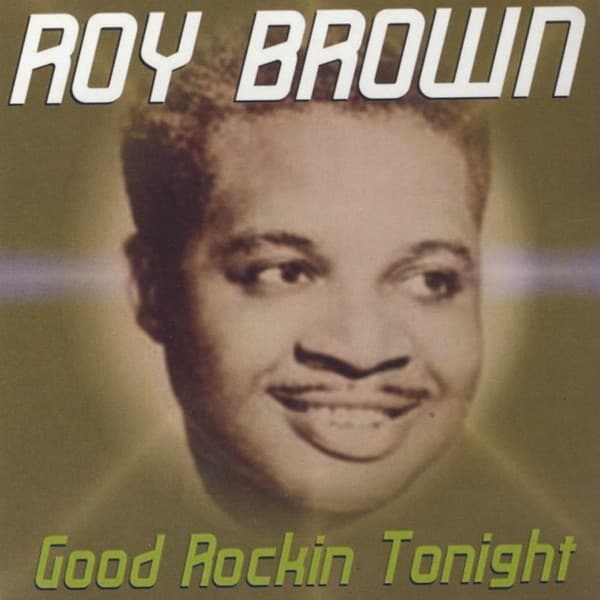
Roy Brown
Good Rockin' Tonight

John Lee Hooker
Boogie Chillen'
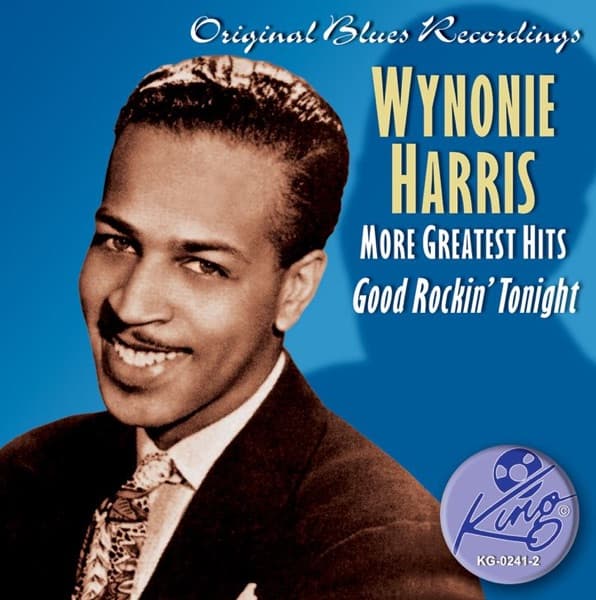
Wynonie Harris
Good Rockin' Tonight
Les Paul
Lover (When You're Near Me)

Elvis Presley
Elvis Presley
Fats Domino
Rock and Rollin’ with Fats Domino
Lonnie Donegan
Lonnie Donegan Showcase

Chuck Berry
After School Session

Little Richard
Here’s Little Richard

The Crickets
The "Chirping" Crickets

Johnny Cash
Johnny Cash with His Hot and Blue Guitar

Bo Diddley
Bo Diddley

Bob Dylan
Highway 61 Revisited

The Beatles
Rubber Soul

The Sonics
Here Are the Sonics

The Beach Boys
Pet Sounds

The Beatles
Revolver

Bob Dylan
Blonde on Blonde
John Mayall with Eric Clapton
Blues Breakers with Eric Clapton

The Doors
The Doors

The Velvet Underground
The Velvet Underground & Nico

The Jimi Hendrix Experience
Are You Experienced

The Beatles
Sgt. Pepper's Lonely Hearts Club Band

Jefferson Airplane
Surrealistic Pillow

Pink Floyd
The Piper at the Gates of Dawn

Cream
Disraeli Gears

Love
Forever Changes

Johnny Cash
At Folsom Prison

Blue Cheer
Vincebus Eruptum

The Byrds
Sweetheart of the Rodeo

The Jimi Hendrix Experience
Electric Ladyland
Big Brother and the Holding Company
Cheap Thrills

The Band
Music from Big Pink

Van Morrison
Astral Weeks
Various
Tropicália ou Panis et Circencis

MC5
Kick Out the Jams

Led Zeppelin
Led Zeppelin

The Stooges
The Stooges
Sly and the Family Stone
Stand!

Miles Davis
In a Silent Way

Bob Dylan
Nashville Skyline

The Beatles
Abbey Road

The Rolling Stones
Let It Bleed

Grateful Dead
Live/Dead

Miles Davis
Bitches Brew

Black Sabbath
Paranoid

Santana
Abraxas

Led Zeppelin
Led Zeppelin IV

The Allman Brothers Band
At Fillmore East
The Rolling Stones
Exile on Main St.

David Bowie
The Rise and Fall of Ziggy Stardust and the Spiders from Mars

Deep Purple
Machine Head
Pink Floyd
The Dark Side of the Moon

Gram Parsons
Grievous Angel

Bruce Springsteen
Born to Run

Queen
A Night at the Opera

Patti Smith
Horses

Eagles
Hotel California

Fleetwood Mac
Rumours

Television
Marquee Moon

Steely Dan
Aja

Van Halen
Van Halen

The Clash
London Calling

Pink Floyd
The Wall

AC/DC
Highway to Hell
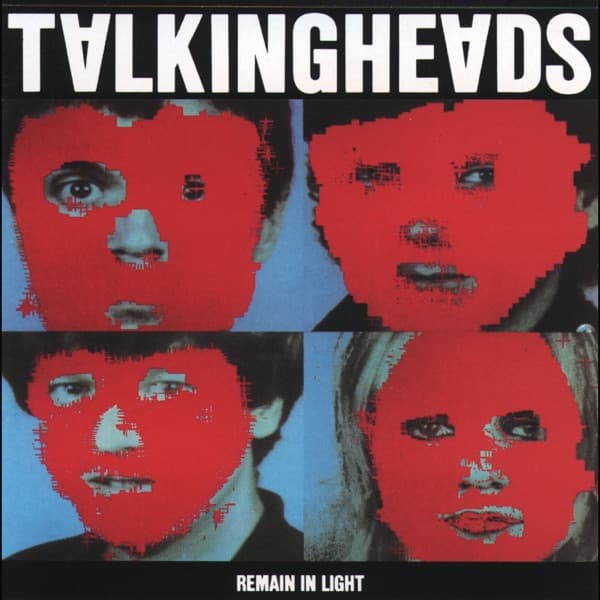
Talking Heads
Remain in Light

Bruce Springsteen
Nebraska

The Police
Synchronicity

R.E.M.
Murmur
Prince and the Revolution
Purple Rain

Bruce Springsteen
Born in the U.S.A.

The Replacements
Let It Be

Dire Straits
Brothers in Arms

Paul Simon
Graceland

Bon Jovi
Slippery When Wet
Run-DMC
Raising Hell

Beastie Boys
Licensed to Ill

Prince
Sign o' the Times

U2
The Joshua Tree
Guns N' Roses
Appetite for Destruction

Sonic Youth
Daydream Nation

Pixies
Doolittle
Nirvana
Nevermind
Pearl Jam
Ten
My Bloody Valentine
Loveless

Metallica
Metallica
Buddy Guy
Damn Right, I've Got the Blues
Alice in Chains
Dirt
Rage Against the Machine
Rage Against the Machine

Nirvana
In Utero
The Smashing Pumpkins
Siamese Dream

Soundgarden
Superunknown

Weezer
Weezer (The Blue Album)

Jeff Buckley
Grace

Blur
Parklife
Korn
Korn
Nine Inch Nails
The Downward Spiral
Green Day
Dookie
The Offspring
Smash

Café Tacvba
Re

Radiohead
The Bends
Alanis Morissette
Jagged Little Pill

Oasis
(What's the Story) Morning Glory?
Pulp
Different Class

Radiohead
OK Computer

The Prodigy
The Fat of the Land

Radiohead
Kid A

Linkin Park
Hybrid Theory

At the Drive-In
Relationship of Command
The Strokes
Is This It

Tool
Lateralus
System of a Down
Toxicity

Jimmy Eat World
Bleed American
Wilco
Yankee Hotel Foxtrot

Interpol
Turn On the Bright Lights

Queens of the Stone Age
Songs for the Deaf

Coldplay
A Rush of Blood to the Head

Johnny Cash
American IV: The Man Comes Around

The White Stripes
Elephant

blink-182
blink-182

Arcade Fire
Funeral
Green Day
American Idiot
Loretta Lynn
Van Lear Rose
Arctic Monkeys
Whatever People Say I Am, That's What I'm Not

My Chemical Romance
The Black Parade

Radiohead
In Rainbows
Robert Plant and Alison Krauss
Raising Sand
Arcade Fire
The Suburbs
The Black Keys
Brothers
Lady Gaga
Born This Way
Foo Fighters
Wasting Light
Vampire Weekend
Modern Vampires of the City
Arctic Monkeys
AM
Sturgill Simpson
Metamodern Sounds in Country Music
The War on Drugs
Lost in the Dream
Tame Impala
Currents
Ghost
Meliora
Beyoncé
Lemonade
Radiohead
A Moon Shaped Pool
David Bowie
Blackstar
Jason Isbell and the 400 Unit
The Nashville Sound
Mitski
Be the Cowboy
Brandi Carlile
By the Way, I Forgive You
Post Malone
beerbongs & bentleys
Tool
Fear Inoculum
Fiona Apple
Fetch the Bolt Cutters
Machine Gun Kelly
Tickets to My Downfall
Bob Dylan
Rough and Rowdy Ways
Turnstile
Glow On
Big Thief
Dragon New Warm Mountain I Believe in You
Wet Leg
Wet Leg
Ethel Cain
Preacher's Daughter
boygenius
The Record
Zach Bryan
Zach Bryan
MJ Lenderman
Manning Fireworks
Fontaines D.C.
Romance
The Cure
Songs of a Lost World
Turnstile
Never Enough
Ghost
Skeletá
The Mixtape
Rocket 88
Jackie Brenston and His Delta CatsStart with the fuzz. A damaged amplifier, a boogie piano and a song about a car: the argument about where rock and roll begins usually begins here.
That’s All Right
Elvis PresleyThree instruments, slapback echo and a nineteen-year-old who does not yet know what he is doing. Play it loud and notice that there is no drummer. Nobody needed one.
Bo Diddley
Bo DiddleyOne chord, maracas and a rhythm with a man’s name on it. Clap along; you already know the pattern from a hundred later records.
Maybellene
Chuck BerryA country fiddle tune rewritten as a car chase. The guitar solo is where lead guitar in rock begins, and the words are the first great rock and roll lyric.
Tutti Frutti
Little RichardThe opening line is a drum fill made of syllables. Nothing on the radio had sounded this loud, this fast or this happy about it.
Blue Suede Shoes
Carl PerkinsThe rockabilly record, by the man who wrote it. Listen to the guitar breaks: bent notes, ringing open strings, the sound George Harrison spent his teens copying.
That’ll Be the Day
Buddy Holly and the CricketsGuitar, bass, drums, a singer who writes his own songs and wears glasses. The rock band as we know it starts here, and so does the road to Liverpool.
Johnny B. Goode
Chuck BerryThe intro is a 1946 Louis Jordan lick doubled and sped up. It is the first thing every rock guitarist learns, and it is on a spacecraft leaving the solar system.
Misirlou
Dick Dale and His Del-TonesA Greek melody Dale learned from his Lebanese uncle, played on one string as fast as a human hand can pick, through a reverb tank soaked in salt air. Surf rock at its loudest and the sound of California before it got complicated.
Louie Louie
The KingsmenRecorded for fifty dollars in Portland, mumbled so badly the FBI spent two years trying to work out whether it was obscene. It is not. It is three chords and the beginning of garage rock.
Like a Rolling Stone
Bob DylanSix minutes, an organ played by a man who did not play organ, and a question nobody in pop had asked before. The single that ended the folk revival and started something else.
(I Can't Get No) Satisfaction
The Rolling StonesRichards has always said the riff came in his sleep. It went through a fuzz box as a placeholder. Nobody replaced it. Boredom as a rock and roll subject, and the Stones become the anti-Beatles.
Tomorrow Never Knows
The BeatlesOne chord, a drum loop, seagull noises made from a laughing guitar, and a vocal through a spinning speaker. The Beatles find out what a studio is for. Electronic music, sampling and psychedelia all have a claim on it.
Purple Haze
The Jimi Hendrix ExperienceAn interval called the devil's chord, a guitar octave effect nobody had heard, and a man asking to be excused while he kisses the sky. Two minutes fifty and the guitar is a different instrument.
The Star-Spangled Banner (Live at Woodstock)
Jimi HendrixMonday morning, August 18, 1969, to a field that was mostly mud and leftover people. The anthem with the bombs and sirens left in. The decade's argument with itself, on one guitar.
Gimme Shelter
The Rolling StonesReleased the day before Altamont. Merry Clayton's voice cracks on the word "murder" and they kept the take. End the mixtape here, because the decade did.
Stairway to Heaven
Led ZeppelinRecorders and an acoustic guitar for two minutes, then the drums arrive, then the solo. Eight minutes that FM radio built its format around, never released as a single.
Starman
David BowieThe Top of the Pops performance from 6 July 1972: Bowie in a quilted jumpsuit pointing down the camera and draping an arm over Mick Ronson. Half of British music for the next twenty years was watching.
Time
Pink FloydClocks, a two-minute intro of ticking and rototoms, then Gilmour's solo and a lyric about waking up one day ten years older. Prog with something to say, and the sound of a record designed for a good stereo.
Born to Run
Bruce SpringsteenGlockenspiel, a wall of guitars, Clarence Clemons's saxophone, and a kid begging Wendy to get in the car. Fourteen months in the studio for four and a half minutes, and worth it.
Bohemian Rhapsody
QueenA ballad, an opera, a riff and a coda in six minutes. The label said it was too long for radio. The video made to avoid miming on television is the ancestor of MTV.
Dreams
Fleetwood MacTwo chords, Mick Fleetwood's brushed drums, and Stevie Nicks telling Lindsey Buckingham, who is playing guitar on it, that players only love you when they are playing. The band's only American number one.
Born in the U.S.A.
Bruce SpringsteenA Vietnam veteran's lament with the biggest snare drum of the decade. Half of America heard the chorus and missed the verses.
Welcome to the Jungle
Guns N' RosesThe Sunset Strip remembering it was dangerous. The last great hard-rock single before grunge changed the rules.
Last Nite
The StrokesThe intro is stolen from Tom Petty and nobody minded. Rock goes back to the garage in a leather jacket, and every guitar band of the next five years follows.
Clocks
ColdplayA piano figure found at the end of the sessions, and Record of the Year. The map every sensitive stadium band used for the rest of the decade.
Seven Nation Army
The White StripesA guitar through an octave pedal pretending to be a bass. The last riff everyone on earth knows, and now a football chant on three continents.
Do I Wanna Know?
Arctic MonkeysA slow, greasy riff and a drum sound borrowed from hip-hop. The last British guitar record to be genuinely enormous, and the one every teenager learned first.