100 Years of Music / Genre
Alternative and Indie
Rock made on small labels for college radio, from R.E.M.’s first single in 1981 to the bedroom producers of the 2020s. Alternative was the underground until Nirvana made it the mainstream, and indie has been arguing about what that means ever since.
The lineage
Alternative rock is what punk’s do-it-yourself idea produced once the bands could play. In July 1981 R.E.M., four students from Athens, Georgia, released "Radio Free Europe" on a local label, Hib-Tone: jangling Rickenbacker guitar, a mumbled vocal, a melody borrowed from the Byrds. It was played on college radio stations, whose student programmers ignored commercial rock, and the music they played was called college rock. Murmur (1983) followed on I.R.S. This history dates the genre from that single because it marks the moment a network existed: independent labels like SST, Twin/Tone and Dischord, fanzines, a van circuit of clubs, and radio that would play the records. Hüsker Dü’s Zen Arcade (1984), the Replacements’ Let It Be (1984), the Minutemen and Sonic Youth came up through it.
Britain had the same idea with a different accent. Rough Trade, Factory and Creation put out the Smiths, New Order, the Jesus and Mary Chain’s Psychocandy (1985) and, after the NME’s C86 cassette, the word indie. The Cure and Echo & the Bunnymen, the Cocteau Twins’ dream pop on 4AD, and My Bloody Valentine, whose Isn’t Anything (1988) and Loveless (1991) buried melodies under walls of treated guitar, which the press called shoegaze. In America the Pixies’ Surfer Rosa (1988) and Doolittle (1989) perfected the trick of playing quietly then suddenly very loud. R.E.M.’s Document (1987) went platinum, "Losing My Religion" (1991) went top five, and the first Lollapalooza toured in July 1991. The underground was ready to be found.
Seattle found it. Sub Pop had been selling the city’s heavy, punk-derived rock, Green River, Mudhoney, Soundgarden, as grunge since 1987. Nirvana’s Nevermind (24 September 1991), produced by Butch Vig with "Smells Like Teen Spirit" as the single, went to number one in January 1992, displacing Michael Jackson. Pearl Jam’s Ten, Alice in Chains’ Dirt and Soundgarden’s Superunknown (1994, number one) followed; Kurt Cobain died in April 1994. For a decade the word alternative meant the mainstream of rock: Smashing Pumpkins, Beck, Weezer, Hole, Radiohead, whose OK Computer (1997) and Kid A (2000) took the guitar band as far as it could go. Britpop answered grunge with Blur, Suede, Pulp and Oasis, whose Definitely Maybe (1994) was the fastest-selling British debut and whose 1996 Knebworth shows drew a quarter of a million people. The lo-fi Americans, Pavement, Guided by Voices, Sebadoh, Liz Phair, kept the word indie for the ones who stayed small.
The 2000s rebuilt alternative from New York and the internet. The Strokes’ Is This It (2001) and the White Stripes’ Elephant (2003) brought back the garage; Interpol, the Yeah Yeah Yeahs and, in Britain, the Libertines and Franz Ferdinand followed; Arctic Monkeys built an audience on MySpace and released the fastest-selling British debut in 2006. Pitchfork replaced the NME as the arbiter. Arcade Fire’s Funeral (2004) and The Suburbs, which won Album of the Year at the Grammys in 2011, Modest Mouse, the Shins, LCD Soundsystem and Vampire Weekend defined the decade; indie folk, Sufjan Stevens, Bon Iver, Fleet Foxes, was its quiet side, and Tame Impala and the xx its late-night one. Coachella (from 1999) and Bonnaroo turned it into a summer economy.
Since then the border between indie and pop has mostly dissolved. Mumford & Sons, the Lumineers and Imagine Dragons took indie sounds to stadiums; Lorde (2013) and Billie Eilish (2019), the latter recorded in a bedroom with her brother, took indie’s intimacy to number one. Clairo’s "Pretty Girl" (2017), a webcam video, named bedroom pop; Steve Lacy made "Bad Habit" (2022), a number one, on a phone. Mitski, Big Thief, Phoebe Bridgers and boygenius, whose The Record won three Grammys in 2024, are the current centre of the American tradition; Fontaines D.C., Wet Leg and Black Country, New Road carry the British one. The label alternative no longer describes a sound. It describes an economy, small labels, direct sales, the artist as owner, and an ethic that has held since 1981: make it yourself, on your own terms, and see who shows up.
Branches
College rock
American guitar bands on independent labels, played on campus radio through the 1980s. R.E.M. (1981), Hüsker Dü, the Replacements, the Feelies, 10,000 Maniacs, Camper Van Beethoven. The word alternative replaced it around 1990.
Dream pop
Reverb-soaked guitars, breathy vocals and slow, floating songs. The Cocteau Twins’ Treasure (1984) and the 4AD label, Galaxie 500, Mazzy Star, then Beach House and Cigarettes After Sex.
Shoegaze
Guitars fed through so many effects pedals that the players stared at their feet. My Bloody Valentine’s Isn’t Anything (1988) and Loveless (1991), Ride, Slowdive, Lush. Revived by every generation since.
Grunge
Seattle’s punk-metal hybrid, sold by Sub Pop from 1988: Mudhoney, Soundgarden, Nirvana, Pearl Jam, Alice in Chains. Nevermind (1991) made it the biggest rock in the world for five years.
Lo-fi indie
Deliberately rough recordings on four-track cassette, made into a virtue. Pavement’s Slanted and Enchanted (1992), Guided by Voices, Sebadoh, Daniel Johnston, Elliott Smith. The sound of not wanting to be Nirvana.
Britpop
British guitar pop that answered grunge with 1960s melody and national pride. Suede (1993), Blur, Oasis, Pulp, Supergrass. Peaked with the Blur-Oasis chart battle in August 1995 and Oasis at Knebworth in 1996.
Garage rock revival
The Velvets and the Stooges reheated for a new century. The Strokes’ Is This It (2001), the White Stripes, the Hives, the Yeah Yeah Yeahs, the Libertines, Arctic Monkeys. Skinny ties and short songs.
Indie folk
Acoustic songwriting with indie rock’s scope and orchestration. Sufjan Stevens’s Illinois (2005), Iron & Wine, Bon Iver’s For Emma, Forever Ago (2008), Fleet Foxes, then Phoebe Bridgers and Big Thief.
Bedroom pop
Songs recorded alone on a laptop and released straight to the internet. Clairo’s "Pretty Girl" (2017), Rex Orange County, Cuco, Beabadoobee, Steve Lacy. Billie Eilish’s first album (2019) took the method to number one.
How to listen
Listen for the guitar doing something other than a riff. Alternative rock’s signature is texture: R.E.M.’s jangle, the Pixies’ quiet-loud switch, My Bloody Valentine’s wall, Pavement’s wobble, Radiohead’s refusal. Where a rock record asks you to follow the riff, an alternative record asks what the guitar is for.
Then listen for the singer refusing to sell. Michael Stipe mumbled, Kurt Cobain screamed, Stephen Malkmus shrugged, Thom Yorke hid, Phoebe Bridgers whispered. The genre’s emotional register is ambivalence, and the vocal tells you the band would rather be honest than big, even when they turn out to be both.
Play the hand-offs. R.E.M.’s "Radio Free Europe" (1981), the Pixies’ "Where Is My Mind?" (1988), Nirvana’s "Smells Like Teen Spirit" (1991), Pavement’s "Cut Your Hair" (1994), the Strokes’ "Last Nite" (2001), Bon Iver’s "Skinny Love" (2008), Clairo’s "Pretty Girl" (2017). Each one is a small label’s record that a lot of people found.
Across the decades
College radio and the outsiders
Away from the mainstream glitz, a generation of misfits built their own infrastructure: college radio stations, fanzines, independent labels (SST, Dischord, Twin/Tone, Homestead, Sub Pop by 1988), a circuit of clubs a van could reach. R.E.M.'s "Murmur" (1983) is where most people start: jangling Rickenbackers from Athens, Georgia and a singer you could not quite understand, on a label, I.R.S., that was independent in spirit if not on paper.
The Replacements and Hüsker Dü, both from Minneapolis, both on independents, both on the road constantly, showed that hardcore could grow melodies without losing its nerve. The Minutemen's "Double Nickels on the Dime" (1984) crammed forty-five songs onto two LPs. Sonic Youth tuned their guitars wrong on purpose and made "Daydream Nation" (1988). The Pixies, from Boston via the London label 4AD, wrote the quiet-loud-quiet trick that Nirvana would take to the top of the charts. Dinosaur Jr. turned it up.
Britain ran a parallel scene. The Smiths (1982 to 1987) made Johnny Marr's guitar and Morrissey's misery the sound of a bedsit. The Jesus and Mary Chain buried bubblegum under feedback on "Psychocandy" (1985). Echo and the Bunnymen, the Cure, Siouxsie and the Banshees and Bauhaus drew the darker corners: post-punk that thought too much, goth that dressed for it. The Cocteau Twins and My Bloody Valentine made guitars sound like weather. By 1989 the Stone Roses had crossed indie with acid house in Manchester, and the next decade was already audible.
Grunge, alternative and the year punk broke
Grunge was not just a genre. It was a cultural detonation. Sub Pop in Seattle had been putting out murky, slow punk with metal riffs since the late 1980s: Mudhoney, Soundgarden, Nirvana's "Bleach". Then Nirvana signed to Geffen, hired Butch Vig, and made "Nevermind". Released on 24 September 1991, it hit number one in January 1992 and knocked Michael Jackson off the top. Pearl Jam's "Ten" was more classic rock and deeply principled. Soundgarden were heavy, sludgy and operatic. Alice in Chains were the darkest corner, metal-drenched and harrowing. Stone Temple Pilots had the hooks and the swagger. The sound was dirty guitar, quiet-loud dynamics and a voice that cracked on purpose. The subject was depression, isolation and whether any of it was real.
Kurt Cobain hated what fame did with the music, made the abrasive "In Utero" with Steve Albini, sat down for "MTV Unplugged" in a cardigan, and died on 5 April 1994. Hole's "Live Through This" came out a week later. The scene did not end there, but it changed: Foo Fighters were Dave Grohl's reinvention, Bush and Live and Collective Soul and Candlebox took the sound to arena radio, and Creed made it a punchline that sold ten million copies. I call that post-grunge: grunge aesthetics with polished production. It ruled the dial until nu-metal took the slot.
Alternative in the 1990s meant rock that did not fit the boxes, and suddenly it was on every radio and movie soundtrack. Radiohead went from "Creep" to "The Bends" to "OK Computer", art-rock outsiders who became the decade's visionaries. The Smashing Pumpkins layered glam, goth and metal into "Siamese Dream" and a two-disc epic. The Red Hot Chili Peppers were funk-rock punks who found depth. Beck was the slacker king of genre-hopping. Jane's Addiction were psychedelic, sexual and chaotic, and Perry Farrell's Lollapalooza put the whole scene on one stage in the summer of 1991. Weezer were geeky and secretly heavy. R.E.M., Sonic Youth and the Pixies, the college-rock elders, made their best-selling records and, in the Pixies' case, broke up by fax.
The indie underground kept its own counsel. Pavement, Guided by Voices and Built to Spill made the lo-fi, hooky, wrong-on-purpose rock that indie would run on for twenty years. Neutral Milk Hotel's "In the Aeroplane Over the Sea" and Elliott Smith's whispered albums became the records people passed hand to hand. Jeff Buckley made "Grace" and drowned. And a generation of women did the decade's most honest writing: Liz Phair answering the Stones from a Chicago bedroom, PJ Harvey, Björk, Tori Amos, Sinéad O'Connor tearing up a photo of the Pope on live television, Alanis Morissette selling thirty million copies of a breakup, and the riot grrrl bands, Bikini Kill and Sleater-Kinney, who made a punk scene where girls were the point.
Britain built its own thing. My Bloody Valentine's "Loveless" made shoegaze, a wall of guitar with the melody buried like a secret, and Slowdive and Ride followed it in. The Stone Roses played to thirty thousand people at Spike Island in 1990 and then vanished for four years. Suede brought glam back. Then Britpop: Oasis were the Gallagher brothers' Beatles obsession turned stadium-sized, Blur were the brainy art-school rival, Pulp were kitchen-sink drama and sexual politics, the Verve were orchestral grandeur, the Manic Street Preachers were the conscience. In August 1995 Blur and Oasis released singles the same day and the whole country picked a side. In Bristol, Massive Attack and Portishead slowed hip-hop down into trip-hop, the sound of a city after midnight.
Indie explodes: from blog buzz to big stages
Indie stopped meaning "independent label" and became a sound, an ethos and a whole aesthetic. Fueled by mp3 blogs, Pitchfork reviews and iPod commercials, it took over dorm rooms, festival stages and iTunes libraries. Arcade Fire's Funeral, on Merge in September 2004, was orchestral drama and communal catharsis from a Montreal collective that had just buried several family members. Modest Mouse's weirdness went pop with Float On. The Shins got Garden State immortality. Death Cab for Cutie turned gentle sadness stadium-sized. Vampire Weekend brought Ivy League Afro-pop and baroque bops. The Killers were a synth-drenched Springsteen revival from Las Vegas. Late in the decade MGMT and, in Australia, Tame Impala made it psychedelic and playful.
The blog era had its own lineage. Wilco's Yankee Hotel Foxtrot was dropped by its label, streamed free from the band's website in September 2001, and became the decade's best-known story about a record company being wrong. James Murphy's DFA label and LCD Soundsystem put punk kids on the dancefloor. TV on the Radio, the National, Spoon, the Hold Steady, the New Pornographers, Neko Case, Broken Social Scene, Feist and the Postal Service filled out a scene that was as much Brooklyn and Toronto as Seattle. Animal Collective's Merriweather Post Pavilion in January 2009 and Phoenix's Wolfgang Amadeus Phoenix later that year showed where it was going: toward electronics, toward pop, toward Coachella.
Britain sent its own wave. Coldplay's A Rush of Blood to the Head made stadium melancholy, Arctic Monkeys made the fastest-selling debut in UK history in January 2006, and Radiohead's In Rainbows, sold from their own website for whatever you wanted to pay in October 2007, was the decade's most-discussed business decision. Elliott Smith died in October 2003, and Beck's Sea Change, Sufjan Stevens' Illinois and Bon Iver's For Emma, Forever Ago carried the quieter end of the genre into folk.
Indie grows up, then moves into the bedroom
Indie began the decade in the biggest room it had ever played. Arcade Fire's The Suburbs won Album of the Year at the Grammys in February 2011, an award nobody expected a Montreal art-rock band to win, and for a moment the blog-era class looked like the new mainstream. LCD Soundsystem played what they said was a farewell show at Madison Square Garden that April. Bon Iver won Best New Artist a year later.
Then it dispersed. Tame Impala turned psychedelia into a solo project made in a bedroom in Perth and ended up at the top of festival bills. Vampire Weekend made their densest and best record, Modern Vampires of the City, in 2013. The National perfected a specific kind of adult dread. Beach House, the War on Drugs, Sufjan Stevens, Father John Misty and Angel Olsen each found a different way to be sad at length and in high definition.
The most important shift was who got to make it. Recording moved into bedrooms, distribution moved to Bandcamp and streaming, and a generation of young women and queer artists took over the guitar: Mitski, Julien Baker, Lucy Dacus, Phoebe Bridgers, Snail Mail, Soccer Mommy, Japanese Breakfast, Big Thief, Courtney Barnett, girl in red, Clairo. Baker, Dacus and Bridgers made boygenius together in 2018. This is the algorithm's secret weapon, and it is true, but the songs came first.
Britain and Ireland kept the noise going. IDLES, Shame and Fontaines D.C. made post-punk that sounded like a pub argument you would want to be in. Wolf Alice won the Mercury Prize in 2018. Slowdive and My Bloody Valentine came back and found a huge new audience, because shoegaze turns out to be perfect music for headphones and anxiety.
Sad online gets smart: indie, bedroom pop and the emo revival
The 2020s did not just bring emo back, they recontextualised it. This is the era of sad online music, of introspection, of DIY aesthetics meeting genuinely expensive production. Phoebe Bridgers was the ghost of Elliott Smith with meme fluency and a stadium reach. Ethel Cain made Southern Gothic dreamrock with a cult around it. Beabadoobee took Britpop and 2000s emo and became a Gen Z guitar icon. MUNA, Soccer Mommy and Mitski wrote emotionally dense, rock-rooted records that sounded nothing like each other.
The scene organised itself around collaboration rather than competition. boygenius, the trio of Bridgers, Lucy Dacus and Julien Baker, made "The Record" in 2023 and took three Grammys with it. Big Thief made a double album in four studios that sounded like it was recorded in a field. Waxahatchee and MJ Lenderman made country-shaped indie records that outsold most actual country records in the cities. Clairo, Japanese Breakfast, Snail Mail and Bartees Strange all did their best work in this decade.
The common thread is narrative. These are songs with people and places and specific rooms in them, sung quietly over ambient guitar tones, and the audience knows every word because the lyrics are the point. It is the opposite of the fifteen-second hook, and it turned out both could be enormous at once.
Timeline
"The Velvet Underground & Nico" sells almost nothing
Andy Warhol paid for it, put a peelable banana on the cover and added a German model named Nico as singer. Lou Reed wrote about heroin, amphetamines and whips; John Cale played a viola drone under it; Moe Tucker stood up at the drums. It came out on Verve in March 1967; the exact day is not documented, and March 12 is the date convention has settled on. Verve barely promoted it, a lawsuit over the back cover forced a recall, and it never charted above 171. Everybody who bought one, the story goes, started a band. Punk, art rock and indie all start here.
Tropicália: Caetano Veloso and Gilberto Gil swallow the world
Brazil had been under military rule since 1964. Veloso and Gil, with Gal Costa, Tom Zé, Os Mutantes and the arranger Rogério Duprat, put out the collective album "Tropicália ou Panis et Circencis" in July 1968: bossa nova, Beatles, Hendrix, tango, twelve-tone music and military marches at once. Veloso's own song "Tropicália" opened his solo album the same year. Purists booed them at festivals for using electric guitars. In December the regime jailed both men, and in 1969 sent them into exile in London.
CBGB opens on the Bowery
Hilly Kristal opens a bar at 315 Bowery in December 1973 meaning to book Country, Bluegrass and Blues, which is what the letters stand for. Instead, from March 1974, Television talk him into letting them play, on the condition that bands play their own songs. Patti Smith, the Ramones, Blondie, Talking Heads, the Dead Boys and Richard Hell follow. The room smells of dog and the stage is tiny. Everything American punk becomes is worked out here.
Patti Smith, "Horses"
Released 10 November 1975 on Arista, produced by John Cale at Electric Lady. It opens with a poet from New Jersey announcing that Jesus died for somebody's sins but not hers, and then tearing into Van Morrison's "Gloria". Robert Mapplethorpe shoots the cover: Smith in a white shirt and braces, jacket over the shoulder. It is the first album out of CBGB, and it says that punk can be literary, female and furious at once.
Talking Heads: 77
Three art students from Rhode Island and a keyboard player from the Modern Lovers release a debut in September 1977 of tight, nervous songs about buildings and food and, in "Psycho Killer", a murderer who cannot stop apologising, sung by David Byrne in a strangled yelp over Tina Weymouth's bass. Recorded the same year as "Never Mind the Bollocks", it is the other thing punk could be: brainy, funky and polite. Brian Eno produces the next three.
Joy Division, "Unknown Pleasures"
Released 15 June 1979 on Factory Records in Manchester, in a sleeve of white pulsar waves on black with no words on it. Producer Martin Hannett records the drums one at a time, drenches them in digital delay, and makes a punk band sound like an empty building. Ian Curtis sings in a baritone about losing control. Post-punk has its masterpiece, and the sound of Manchester, and of the 1980s' gloomier half, begins here.
Ian Curtis dies; Joy Division becomes New Order
Joy Division's singer took his own life on 18 May 1980, two days before an American tour and two months before "Closer" was released. "Love Will Tear Us Apart" came out in June. The three survivors carried on as New Order and, over three years, walked post-punk onto the dance floor.
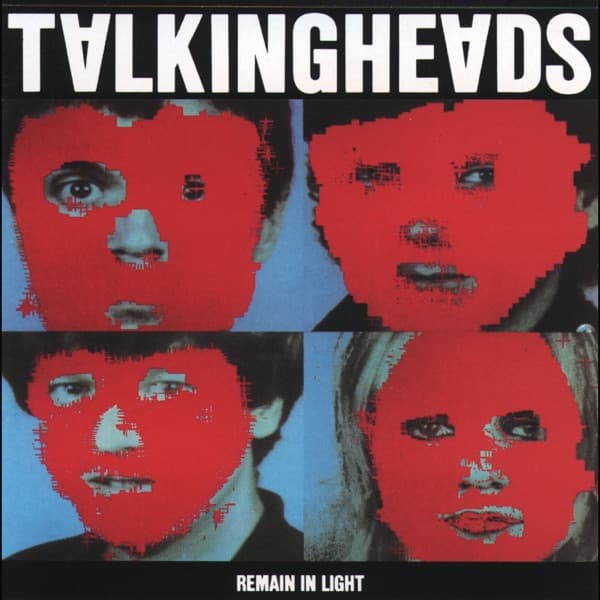
Talking Heads release "Remain in Light"
Recorded at Compass Point in the Bahamas with Brian Eno, built from looped Afrobeat grooves after the band had been listening to Fela Kuti, and finished with Adrian Belew's guitar and David Byrne's improvised, sermon-like lyrics. Released on 8 October 1980. "Once in a Lifetime" is on it. Art rock had found the dance floor.
New Order release "Blue Monday"
Seven and a half minutes on a twelve-inch, no seven-inch, a sleeve that looked like a floppy disc and cost more to make than the record sold for. Built on an Oberheim DMX drum machine and a sequenced bassline after the band heard Italian disco and Kraftwerk. It became the best-selling twelve-inch single ever made and the bridge between post-punk and house.
R.E.M. release "Murmur"
Four students from Athens, Georgia, a Rickenbacker guitar that jangled like the Byrds, and a singer whose words nobody could make out. Released by I.R.S. on 12 April 1983, it became college radio's founding album, and the band went from clubs to arenas without ever quite leaving the outside.
The Smiths release "This Charming Man"
Johnny Marr's chiming Rickenbacker riff, written in a rush one afternoon, under Morrissey's arch, lonely voice. Manchester's Smiths had formed in 1982 and signed to Rough Trade; this second single put them on "Top of the Pops" and made independent guitar music a British institution. They lasted until 1987. Britpop would spend the 1990s trying to be them.
Fugazi play their first show
Dischord dates the first Fugazi show to 3 September 1987, at the Wilson Center in Washington, DC. Five-dollar tickets, all-ages venues, no merchandise, their own label. The line-up settled over the following year: Dischord's credits for the 1988 demo list Ian MacKaye on vocals and guitar, Guy Picciotto on vocals alone, Joe Lally on bass and Brendan Canty on drums. Hardcore's ethic had survived hardcore's tempo, and the 1990s would call the result post-hardcore.
The Second Summer of Love
Chicago records, Ibiza DJs, ecstasy and a smiley face. Danny Rampling's Shoom had opened in London in late 1987; Manchester's Haçienda, open since 1982, finally filled. By summer 1988 acid house was in clubs, warehouses and fields across Britain, spread by flyers and phone lines. A Guy Called Gerald's "Voodoo Ray" was the homegrown record; 808 State's "Pacific State" arrived a year later. The tabloids and the police arrived by autumn.
Sonic Youth release "Daydream Nation"
A double album on Enigma, recorded in New York with guitars in tunings of the band's own invention. "Teen Age Riot" opens it. It was the last record the band made before signing to Geffen and the one that convinced major labels the underground could sell. Pitchfork's list dates it 1987; the release was October 1988.
Pixies release "Doolittle"; Garth Brooks releases his debut
In April 1989, on 4AD, the Pixies followed "Surfer Rosa" (1988) with an album of two-minute songs that went quiet, then loud, then quiet: the trick Nirvana would build a career on. The same month Capitol released "Garth Brooks", produced by Allen Reynolds; "If Tomorrow Never Comes" went to number one, and by 1991 his second album, "No Fences", was the second best-selling record in America of any genre.
The Stone Roses' debut; Bobby Brown and new jack swing
Manchester's Stone Roses put Byrds guitars over a dance-floor rhythm section and made the record that turned indie kids toward acid house; "Madchester" and Britpop follow from it. In America Bobby Brown's "Don't Be Cruel" (1988), produced by Teddy Riley and L.A. Reid and Babyface, had spent 1989 making new jack swing, hip-hop drums under R&B singing, the sound of the radio.
Sinéad O'Connor, "Nothing Compares 2 U"
A Prince song nobody had noticed, sung by a shaven-headed Irish woman in a single close-up with one real tear. It went to number one almost everywhere. Two years later she tore up a photograph of the Pope on "Saturday Night Live" and American radio dropped her. Both events belong to the same person and the same decade: the one that rewarded honesty and then punished it.
The Stone Roses at Spike Island
On 27 May 1990 about thirty thousand people stood on a chemical-works site in Cheshire to watch a Manchester band with one album play through a bad sound system. Baggy, the guitar-band-meets-rave sound, had its Woodstock. The Roses then disappeared into a legal fight with their label for four years, and the field they left was filled by Oasis.
Uncle Tupelo, "No Depression"
Three kids from Belleville, Illinois, named their debut after a Carter Family song from 1936 and played it like the Minutemen. Jay Farrar and Jeff Tweedy would split in 1994 into Son Volt and Wilco, and a fan magazine would take the album's name for the whole alt-country movement. The record itself is the sound of punk discovering it had grandparents.
Massive Attack, "Blue Lines"
A Bristol sound system called the Wild Bunch slowed hip-hop to a walking pace, put a dub bassline and a string section under it, and let Shara Nelson sing "Unfinished Sympathy" over the top. Released 8 April 1991, it invented what the press called trip-hop. Portishead, Tricky and half of the 2000s' chill-out compilations followed it out of the same city.
The first Lollapalooza
Perry Farrell built a farewell tour for Jane's Addiction and invited Siouxsie and the Banshees, Nine Inch Nails, Ice-T's Body Count, Living Colour, the Butthole Surfers and the Rollins Band to come along, with tents for political groups and piercing stalls. It opened in Arizona on 18 July 1991 and ran every summer through 1997. Alternative music had a travelling capital, and so did the idea that a festival could be a culture.
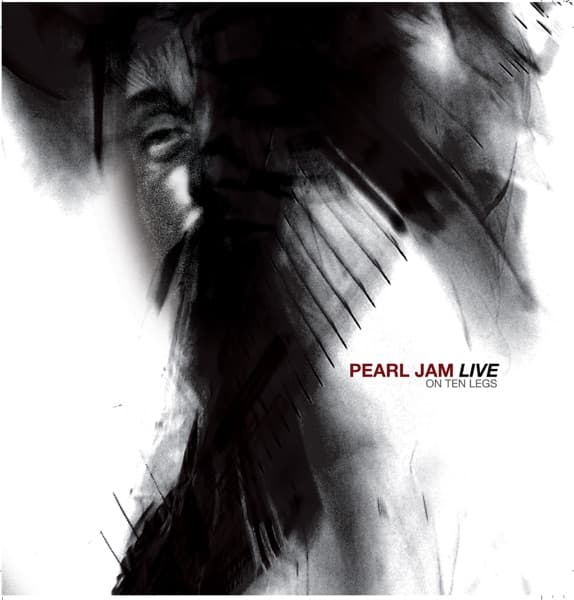
Pearl Jam, "Ten"
Released 27 August 1991 and ignored for a year, then it sold thirteen million copies. "Alive" was about Eddie Vedder's stepfather; "Jeremy" was about a real boy who shot himself in a Texas classroom. I call Pearl Jam the classic-rock end of grunge, and they were also the most stubborn band in it: they stopped making videos after "Jeremy" and took Ticketmaster to Congress over service fees in 1994.
Nirvana, "Nevermind"
Released 24 September 1991 on DGC, produced by Butch Vig, expected to sell a quarter of a million copies. It hit number one on 11 January 1992, one week after Michael Jackson's "Dangerous", and the Library of Congress essay on it is right that the ground had moved: how records sounded, what they were about, and what a rock band was for. Three power chords through a Boss distortion pedal, a chorus about apathy that a whole generation shouted back, and a punk band from Aberdeen that credited every influence it had. Hair metal was over by Christmas.
My Bloody Valentine, "Loveless"
Kevin Shields spent nearly two years in nineteen studios bending guitars with a tremolo arm until they sounded like weather. Released 4 November 1991. Melody Maker put the bill at a quarter of a million pounds of Creation Records' money and the figure stuck; Shields told Magnet the arithmetic does not work and that Creation's money trouble had nothing to do with the band. Shoegaze had its bible either way, and nobody has made a guitar sound like this since, though most of the 2010s tried.
R.E.M., "Automatic for the People"
Released 5 October 1992. The biggest college-rock band in the world, at the peak of its fame, made a quiet record about death, with string arrangements by Led Zeppelin's John Paul Jones. "Everybody Hurts" and "Man on the Moon" were the singles. It sold eighteen million copies and proved a mainstream alternative record did not have to be loud to be honest.
The Pixies break up by fax
In January 1993 Black Francis told a radio interviewer the band was finished, then had a fax sent to the other members. The Pixies had sold few records and inspired "Nevermind" outright; Cobain said "Smells Like Teen Spirit" was him trying to write a Pixies song. Their breakup at the moment their sound conquered the world is the decade's cleanest irony.
"Beavis and Butt-Head" starts reviewing videos
Mike Judge's two cartoon teenagers premiered on MTV on 8 March 1993 and spent half of every episode watching music videos from a couch, saying "this sucks" or "this rules". Their verdicts moved records. White Zombie and Pantera ruled; most of MTV's own playlist sucked. It was the decade's honest music criticism, and it was on the network it was mocking.
Liz Phair, "Exile in Guyville"
Released 22 June 1993 on Matador. A bedroom songwriter from Chicago answered the Rolling Stones' "Exile on Main St." track for track, in a flat voice, with the frankest lyrics about sex that had been on an indie record. It was the year's most argued-about album and the beginning of a run of women, PJ Harvey, Björk, Hole, Alanis, who made the decade's bluntest rock.
Björk, "Debut"
The singer from the Sugarcubes moved to London, hired the house producer Nellee Hooper, and released "Debut" on 5 July 1993. Harps, brass, house beats, a voice from another planet. "Post" (1995) and "Homogenic" (1997) followed, each stranger and better. Björk made electronic pop that treated the machines as an orchestra and the voice as a weather system, and nobody has caught up.
Nirvana, "In Utero"
Released 21 September 1993, recorded in two weeks with Steve Albini, who mic'd the drums like a punk record and refused to touch the mixes. Geffen panicked and had two songs remixed for radio. Cobain called it the sound he had wanted all along. "Heart-Shaped Box", "Rape Me", "All Apologies". It went to number one anyway. Seven months later he was dead.
Nirvana tapes "MTV Unplugged in New York"
On 18 November 1993 Nirvana sat down at Sony Studios among lilies and candles, played almost no hits, covered the Meat Puppets with the Meat Puppets, and ended with Lead Belly's "Where Did You Sleep Last Night". Cobain's scream at the end of it is the sound of the decade. The album came out in November 1994, after his death, and went to number one. The set was a funeral nobody in the room knew they were at.
Green Day, "Dookie"
Released 1 February 1994 on Reprise, three kids from the all-ages Gilman Street club in Berkeley with fourteen songs about boredom, panic attacks and masturbation. It sold ten million copies in the United States, won a Grammy, and got the band banned from Gilman for signing to a major. I call it the gateway drug. The Offspring's "Smash" arrived nine weeks later on an indie and sold eleven million. Punk was pop now, and the argument about that never ended.
Kurt Cobain dies
Kurt Cobain shot himself in the greenhouse of his Seattle home on or about 5 April 1994; an electrician found him on the 8th. He was twenty-seven. Thousands gathered at a public vigil in the Seattle Center on 10 April and Courtney Love read his note to them. Grunge went on as a radio format for years, but the person who had made it mean something was gone, and everyone who wrote a quiet-loud song after that was writing in his shadow.
Blur, "Parklife"
Released 25 April 1994. Damon Albarn, an art-school kid who had toured America and hated it, wrote a concept album about English suburbia with the Kinks and Madness in its ear and the actor Phil Daniels narrating the title track. It won four Brit Awards and named a movement. Britpop was now a word the newspapers used, and Oasis were four months away.
Oasis, "Definitely Maybe"
Released 29 August 1994 on Creation, the fastest-selling debut in British chart history at that point. Noel Gallagher wrote the songs with the Beatles, T. Rex and the Sex Pistols in mind and no shame about any of it; Liam sang them like he was picking a fight. "Live Forever" is the manifesto. The Gallaghers gave Britain back its swagger, and the tabloids a decade of copy.
Jeff Buckley, "Grace"
Released 23 August 1994 on Columbia. The son of the folk singer Tim Buckley, a Sin-é coffee-house regular in New York with a four-octave voice, sang Leonard Cohen's "Hallelujah" the way everyone has sung it since, along with Benjamin Britten and his own songs. It sold slowly. He drowned in the Wolf River in Memphis on 29 May 1997 with the second album unfinished, and "Grace" became the one record every singer of the next decade cited.
Portishead, "Dummy"
Released 22 August 1994. Geoff Barrow, who had been a tape operator on "Blue Lines", scratched spy-movie soundtracks and Isaac Hayes into slow beats, and Beth Gibbons sang like a torch singer in a bomb shelter. It won the 1995 Mercury Prize. "Glory Box" and "Sour Times" were on every late-night radio show for a decade. Bristol had a second masterpiece and trip-hop had a name it hated.
Woodstock 94 and the mud
On 12 to 14 August 1994, three hundred and fifty thousand people went to a farm in Saugerties, New York, for the twenty-fifth anniversary of Woodstock. It rained. Green Day started a mud fight with the crowd and became famous for it; Nine Inch Nails took the stage coated head to foot and gave the performance that made industrial rock a mainstream event. Pay-per-view sold the whole thing. Five years later the sequel would burn.
Alanis Morissette, "Jagged Little Pill"
A former Canadian teen-pop singer moved to Los Angeles, wrote with the producer Glen Ballard, and on 13 June 1995 released the decade's biggest breakup record. "You Oughta Know" was the single radio was scared of and played anyway. It sold thirty-three million copies worldwide and won Album of the Year. NPR ranks it among the greatest albums by women; teenage girls in 1995 did not need a list to know.
The Battle of Britpop
Blur moved "Country House" to 14 August 1995 to clash with Oasis's "Roll with It", and the whole country picked a side; the BBC's evening news led with the chart. Blur won the week, 274,000 to 216,000. Oasis won the war: "(What's the Story) Morning Glory?" in October sold four million in Britain and put "Wonderwall" in every pub. Britannica's entry on Britpop treats the week as the movement's peak, and it was. Pulp's "Different Class" in October was its best record.
Radiohead, "OK Computer"
Released in Britain on 16 June 1997, recorded in a mansion near Bath with the producer Nigel Godrich. The Library of Congress essay on it notes what it broke: song form, guitar sound, and the rock lyric itself, replaced with fragments about airbags, corporations and a man who has had enough. "Paranoid Android" was six and a half minutes long and went top three in Britain. It has sold millions and taught a generation that a rock record could sound like anxiety.
Lilith Fair
Sarah McLachlan had been told promoters would not book two women on the same bill. So she booked thirty. Lilith Fair, opening 5 July 1997, was Jewel, Tracy Chapman, Fiona Apple, Sheryl Crow, the Indigo Girls, Erykah Badu and a rotating cast, and it out-grossed every other festival tour in America that summer. It ran three years and a dollar of every ticket went to women's charities. The singer-songwriter had a festival and radio ran out of excuses.
Woodstock 99
On 22 to 25 July 1999, on a decommissioned air base in Rome, New York, in hundred-degree heat, with four-dollar water and overflowing toilets, Korn, Limp Bizkit, Rage Against the Machine, Metallica and the Red Hot Chili Peppers played to two hundred thousand people. During "Break Stuff" the crowd did. On the last night bonfires became riots, and the reports of sexual assault came out in the weeks after. Three months earlier Columbine had blamed Marilyn Manson; Rolling Stone ran his answer. The decade that had sold authenticity ended by asking what a crowd owed anyone.
Deftones' White Pony
Released 20 June 2000, White Pony took the Sacramento band out of nu-metal and into something closer to shoegaze with a drop-tuned guitar. Change (In the House of Flies) was the hit; Digital Bath and Knife Prty were what other bands copied. The Guardian ranked it among the best albums of the century, which no other record from that scene can say.
At the Drive-In's Relationship of Command
Released 12 September 2000 and produced by Ross Robinson, the El Paso band's third album was post-hardcore with the energy of a riot and the melodies of a pop record. One Armed Scissor was on MTV within weeks. The band split in 2001; Omar Rodríguez-López and Cedric Bixler-Zavala formed the Mars Volta, and everyone else in the emo and screamo scenes spent the decade chasing this sound.
Radiohead put the guitars down: Kid A
Released 2 October 2000, Kid A was the biggest rock band in the world abandoning rock: Warp Records electronics, Charles Mingus horns, a lyric sheet Thom Yorke cut up and pulled out of a hat. There was no single and no video. It went to number one in America anyway, partly because the whole album had leaked on Napster weeks before, and the Rock and Roll Hall of Fame later called the band pioneers of the digital revolution. Every indie band that added a laptop this decade was answering it.
The Strokes' Is This It
First released in Australia on 30 July 2001 and in America that October, with a different cover and no New York City Cops after 9/11, Is This It was recorded live in a basement studio in the East Village to sound like a great band on a cheap radio. Julian Casablancas sang through a distorted mic about being bored and young downtown. The Guardian ranked it the second-best album of the century. Every skinny-tie band of the next five years was trying to be this.
The White Stripes' White Blood Cells
Released 3 July 2001 on the tiny Sympathy for the Record Industry label, and recorded in three days in Memphis, White Blood Cells was the moment the Detroit duo stopped being a garage-rock secret. Fell in Love with a Girl got a Lego video from Michel Gondry and MTV play. The Rock and Roll Hall of Fame, which inducted the band in 2025, dates the record to its 2002 V2 reissue; the first pressing was 2001.
Wilco's Yankee Hotel Foxtrot
Reprise Records rejected the album in 2001. Wilco bought it back, streamed it free from their own website on 29 September 2001, and sold it to Nonesuch, another label owned by the same parent company, which released it on 23 April 2002. It became the band's best-selling record. Jeff Tweedy's songs were wrapped in shortwave static and piano feedback, and the story became the decade's standard lesson about labels and the internet.
Interpol's Turn On the Bright Lights
Released on Matador on 19 August 2002, recorded in a Connecticut house studio, Interpol's debut was New York in suits: Paul Banks' baritone, Daniel Kessler's clean guitar arpeggios, a bass player who dressed like a mortician. Critics said Joy Division; the band said the Chameleons. NYC and Obstacle 1 were the songs. It was the second half of the New York revival the Strokes had started, and the darker one.
Coldplay's A Rush of Blood to the Head
Released 26 August 2002, Coldplay's second album traded the acoustic hush of Parachutes for piano and electric guitar and made them the biggest British band of the decade. Clocks, built on a piano figure Chris Martin found at the end of the sessions, won Record of the Year at the Grammys in February 2004. Every sensitive stadium band that followed, from Snow Patrol to the Fray, took its map from here.
The White Stripes' Elephant and Seven Nation Army
Recorded in two weeks at Toe Rag in London on equipment older than the band, and released 1 April 2003, Elephant opened with a riff Jack White played on a guitar through an octave pedal so it sounded like a bass. Seven Nation Army became a football chant in Belgium and Italy, then everywhere. The Rock and Roll Hall of Fame calls it anthemic, much-sampled and genre-defying; I call it the last rock riff everyone on earth knows.
MySpace launches
Tom Anderson and Chris DeWolfe launched MySpace on 1 August 2003 with a music player any band could put four songs into. By 2005 it was the biggest social network in the world and News Corp bought it for 580 million dollars. Arctic Monkeys, Lily Allen, Adele, Panic! at the Disco and thousands of emo bands were discovered on it. For a few years the friend count was the chart.
Elliott Smith dies
Smith died in Los Angeles on 21 October 2003 of two stab wounds to the chest; the coroner could not rule out that someone else had held the knife. He was thirty-four. The Oscars had put him on stage in a white suit in 1998; the 2000s had given him Figure 8 and a long fight with drugs. From a Basement on the Hill came out the next year. The whisper-and-double-track style of every sad indie record since is his.
Modest Mouse's Float On
Good News for People Who Love Bad News, released 6 April 2004, was the Issaquah band's fourth album and the one that put Isaac Brock's strangeness on the radio. Float On, a song about things going wrong and being fine anyway, went top ten on the pop chart and was covered on American Idol. The album went platinum, and a whole tier of nineties indie bands, from Death Cab to the Shins, found out they could be that big.
Arcade Fire's Funeral
Released 14 September 2004 on Merge, recorded in a Montreal loft after several band members lost grandparents and a parent, Funeral was a band with more instruments than members, accordion and hurdy-gurdy and strings, playing like the building was on fire. Wake Up and Rebellion (Lies) became stadium songs before the band had played one. David Bowie sang with them within a year. The Guardian ranked it twentieth among the century's albums, and it is the record that made indie an arena genre.
YouTube is founded
Chad Hurley, Steve Chen and Jawed Karim, three PayPal veterans, registered the domain on 14 February 2005 and uploaded the first video that April; Google bought it for 1.65 billion dollars in October 2006. Music was its first killer content: the Lazy Sunday clip from Saturday Night Live, OK Go on treadmills, and in 2007 a seventeen-year-old from Atlanta teaching the world a dance. By 2009 it was where kids heard new songs.
Antony and the Johnsons' I Am a Bird Now
Released 1 February 2005 on Secretly Canadian, with Candy Darling on the cover and Lou Reed, Boy George and Rufus Wainwright as guests, I Am a Bird Now was ten songs about being in the wrong body sung in a tremolo that sounded like Nina Simone. It won the Mercury Prize that September and jumped from 135 to 16 on the British chart the next week, the biggest leap in the prize's history.
Sufjan Stevens' Illinois
Released 5 July 2005 on his own Asthmatic Kitty label, Illinois was the second of a promised fifty state albums and the last. Twenty-two tracks with titles longer than most songs, a serial killer, Superman, and Chicago, which became the anthem of the indie-folk decade. Stevens later admitted the fifty-state plan was a joke. The record was not: Rolling Stone put it among the best of the 2000s.
Arctic Monkeys make chart history
Whatever People Say I Am, That's What I'm Not was released on 23 January 2006 and sold more than 360,000 copies in its first week, the fastest-selling debut album in British history, outselling the rest of the top twenty combined. The Sheffield band had handed out demo CDs at gigs in 2003 and let fans put them online; by the time the album arrived they had two number one singles. The BBC quoted HMV saying nothing like it had happened since the Beatles.
My Chemical Romance's The Black Parade
Released 23 October 2006 and produced by Rob Cavallo, who had made American Idiot, The Black Parade was a concept album about a dying man, played in marching-band jackets, with a title track that changes time signature like Bohemian Rhapsody. It went platinum in two months. NPR later wrote about the taste war it started, the last time a band this theatrical was this big. The kids in eyeliner at Warped Tour had their opera.
LCD Soundsystem's Sound of Silver
Released 12 March 2007 in Britain and a week later in America on James Murphy's DFA label, Sound of Silver was the record where the DFA joke, punks playing disco, became serious: All My Friends is a song about getting old built on one piano chord, and Someone Great is about a death set to a synth pulse. The Guardian ranked it fifth among the century's albums. The dance-punk scene Murphy had started with the Rapture in 2002 had produced its masterpiece.
Radiohead: pay what you want for In Rainbows
Out of contract with EMI, Radiohead announced In Rainbows ten days before it went on sale on 10 October 2007, as a download from their own website at any price the buyer typed in, including nothing. Nigel Godrich later told Rolling Stone the sessions had been the hardest of the band's life. The forty-pound discbox, with the CD and double vinyl in it, followed in December, and the CD went to number one after the new year. It was the decade's most-discussed business decision, and the record, with Reckoner and Nude, is one of their warmest.
Fleet Foxes and Vampire Weekend
Vampire Weekend's debut, released 29 January 2008 on XL, was four Columbia graduates playing Afropop guitars over harpsichord and singing about Oxford commas; the Guardian's review that month said it was the year's most talked-about record before the year had started. Fleet Foxes' debut, on Sub Pop in June, was Seattle harmonies that sounded like a church in the woods, and NPR had them in session by the summer. The indie decade's last two great debuts, and both were about the past.
Bon Iver's For Emma, Forever Ago
Justin Vernon made it alone in his father's hunting cabin in Wisconsin in the winter of 2006 to 2007, sick and heartbroken, on an old computer with a borrowed drum kit. He self-released it in July 2007; Jagjaguwar issued it on 19 February 2008. Skinny Love and the cabin story went around the blogs faster than the record did. Kanye West would put him on My Beautiful Dark Twisted Fantasy two years later. The Guardian ranked it among the century's best.
Animal Collective's Merriweather Post Pavilion
Released in January 2009 on Domino, the Baltimore band's ninth album turned a decade of noise and freak-folk into electronic pop: My Girls was a song about wanting a house for your family built on one arpeggio. The Guardian's review that month called it a triumph. It was the year's most acclaimed record, and the indie decade's last statement before the genre dissolved into the electronic pop it had been circling.
The Black Keys break out with Brothers
Two men from Akron, Ohio had been making blues-rock in a basement for eight years. Brothers, released in May 2010, was the record that turned them into an arena band, and it won Best Alternative Music Album at the Grammys the following February. Tighten Up is a whistle, a drum break and a riff, and it was everywhere for two years.
Arcade Fire win Album of the Year
The Suburbs beat Eminem, Lady Gaga and Katy Perry to the biggest Grammy of all, and half the audience had to look up who they were. It is the high-water mark of the blog-era indie generation: an art-rock band from Montreal on an independent label, winning the award that usually goes to whoever sold the most.
LCD Soundsystem say goodbye at Madison Square Garden
James Murphy retired his band with a three-and-a-half-hour show at Madison Square Garden on 2 April 2011, filmed, recorded and treated as the end of an era. He un-retired it six years later with american dream, which annoyed some people and delighted more. The goodbye still stands as the moment the dance-punk decade formally ended.
Bon Iver goes wide
Justin Vernon followed a famous cabin-in-the-woods debut with a self-titled record full of saxophones, drum machines and eighties soft-rock guitar, named its songs after places, and won Best New Artist and Best Alternative Music Album at the 2012 Grammys. Holocene is the one to play: it takes two minutes to arrive and then does not stop.
Gotye and Kimbra record Somebody That I Used to Know
A Belgian-Australian musician built a song around a sample of a 1967 Brazilian guitar instrumental, sang a verse about a broken relationship, and gave the answer verse to a New Zealand singer nobody had heard of. It went to number one in more than twenty countries and won Record of the Year, and it is one of the last global smash hits to come out of nowhere before the algorithm took over.
Lana Del Rey releases Born to Die
A slow, cinematic, deliberately artificial record about Americana, doomed romance and money, made by a singer whose authenticity was argued about for years. The arguments now look silly. Born to Die invented a whole visual and vocal language that pop is still using, and its author ended the decade with the best reviews of her life.
Vampire Weekend release Modern Vampires of the City
Their third album turned a band people had filed as preppy and clever into one that could write about faith and mortality without embarrassment. It won Best Alternative Music Album at the 2014 Grammys, and Diane Young is the best two and a half minutes of guitar pop the decade produced.
Deafheaven release Sunbather
A San Francisco band put shoegaze guitars and post-rock crescendos inside black metal screaming and put a pink album cover on it. Metal purists were furious; everyone else noticed it was gorgeous. Sunbather is the decade's proof that the genre borders in heavy music had become suggestions.
Lorde releases Pure Heroine
A sixteen-year-old from Auckland wrote songs about being bored in the suburbs and not wanting the things pop songs are about, then set them to almost nothing: a click, a bass note, a stack of her own voice. Royals won Song of the Year. It made minimalism the default sound of teenage pop for the rest of the decade.
Arctic Monkeys release AM
A Sheffield band who had started as the fastest, snottiest guitar group in Britain came back as a slow, greased-back, hip-hop-influenced late-night band, with falsetto backing vocals and a drum sound borrowed from Dr. Dre. It was their biggest record by far, and it is the last British guitar album to reach that scale.
The War on Drugs release Lost in the Dream
Adam Granduciel spent two years and an anxiety disorder building an album out of Springsteen, Dire Straits and shoegaze, layered until the guitars turn into weather. It is the decade's best long drive of a record, and it is about depression, which is why the eight-minute songs feel like relief rather than indulgence.
FKA twigs releases LP1
A dancer from Gloucestershire made a debut album out of silence, sub-bass and a soprano that sounds like it is being whispered directly into your ear. Two Weeks is the entry point. It is one of the few records of the decade that genuinely does not sound like anything before it, and it pushed R&B toward the avant-garde.
Sufjan Stevens releases Carrie and Lowell
An album about his mother, who had left when he was a child and had just died. It is almost entirely acoustic guitar and whisper, and it does not resolve into comfort at any point. It is the plainest, hardest record on this list, and people play it when someone dies.
Tame Impala releases Currents
Kevin Parker put the guitars away, built the record himself in a studio in Perth, and turned psychedelic rock into synth-heavy heartbreak pop. The Less I Know the Better has a bass line half the world can hum. It is the exact point where indie rock stopped resisting the dancefloor.
Blackstar and the death of David Bowie
Bowie released Blackstar on 8 January 2016, his sixty-ninth birthday, a record built on a young London jazz quartet and full of horns, and he died of cancer two days later. He had known. The album won Best Alternative Music Album and Best Rock Song at the 2017 Grammys, his first competitive wins for his own music.
Frank Ocean releases Blonde
After four years of silence he put out a visual album to satisfy a label contract, then released Blonde independently the next day. It is quiet, structureless and full of pitched voices and long silences, with no drums on half of it. It should not work as a popular record and it is one of the most loved albums of the decade.
Tyler, the Creator releases Flower Boy
The provocateur from Odd Future grew up in public. Flower Boy is warm, lushly arranged and quietly about loneliness and his own sexuality, and it turned a career built on shock into one built on craft. Two years later IGOR, a break-up record made almost entirely on synthesisers, won Best Rap Album.
Mitski releases Be the Cowboy
Fourteen songs in thirty-two minutes, each one a small, exact scene about wanting and not getting. Nobody is a disco song about crushing loneliness. It made Mitski the most quoted songwriter of the decade's second half among people under twenty-five, and it did it without a hit single.
Billie Eilish releases her debut album
A seventeen-year-old and her brother made When We All Fall Asleep, Where Do We Go? in a bedroom in Highland Park on a laptop, with vocals whispered a few inches from the microphone. It went to number one worldwide and swept the four main Grammy categories in January 2020, the first time anyone had done that since 1981.
Lana Del Rey releases Norman Fucking Rockwell!
Working with Jack Antonoff, she made a long, slow, funny record about California, disappointment and the end of an American story, and the critics who had spent seven years doubting her all changed their minds at once. It was nominated for Album of the Year at the 2020 Grammys.
Fiona Apple's Fetch the Bolt Cutters
Recorded largely in her own house with dogs audible on the tape and objects used as percussion, Fetch the Bolt Cutters landed on 17 April 2020 into a world that had just been sent home. It is a record about refusing to be small, played on whatever was lying around. It won Best Alternative Music Album and Best Rock Performance at the 2021 Grammys, and it remains the most convincing argument of the decade that a record does not need a studio.
Taylor Swift disappears into the woods: Folklore
Announced in the morning and released at midnight on 24 July 2020, Folklore was made remotely with Aaron Dessner of the National and Jack Antonoff. It is quiet, wooden and full of invented people. It debuted at number one on the Billboard 200 while "cardigan" debuted at number one on the Hot 100, the first time any artist had opened at the top of both charts in the same week, and it won Album of the Year in March 2021. The biggest pop star on earth had just proved she could sell an indie record.
drivers license and the seventeen-year-old
Olivia Rodrigo released "drivers license" on 8 January 2021 and it debuted at number one on the Hot 100 on the chart dated 23 January. It is a piano ballad about driving past a house, written by a teenager, and it broke streaming records because everybody on the internet decided at once to work out who it was about. Her album Sour followed in May and made her the most convincing new songwriter in pop.
Turnstile's Glow On drags hardcore into daylight
Glow On, released 27 August 2021, debuted at number thirty on the Billboard 200, which for a Baltimore hardcore band is roughly impossible. It has breakdowns and gang vocals and also Cure guitars, a Blood Orange feature and songs that sound like sunshine. It did not soften hardcore to get there. It just refused to accept that the audience had a ceiling.
Kate Bush goes to number one thirty-seven years late
"Running Up That Hill", released in 1985, was used in the fourth season of Stranger Things and by July 2022 it was topping charts around the world and back in the Hot 100's top five. Metallica's "Master of Puppets" got the same treatment from the same show. A television sync could now do more for a catalogue than any radio campaign, and the entire licensing business reorganised itself around that fact.
SZA's SOS refuses to leave the chart
Released 9 December 2022, SOS debuted at number one with the biggest streaming week an R&B album had ever had. Then it stayed. In May 2025, two and a half years later, it took a thirteenth non-consecutive week at number one, something no R&B record had done since The Bodyguard. SOS is the definitive artefact of the streaming era: an album that succeeds by being lived with rather than bought.
Chromakopia and Tyler's second act
Released on a Monday, 28 October 2024, with almost no warning, Chromakopia debuted at number one with 299,500 units from only four days of tracking. It is a record about turning thirty-three, about a mother's voice on tape, about not wanting the life you asked for. Tyler had gone from provocateur to one of the two or three most careful album-makers in American music.
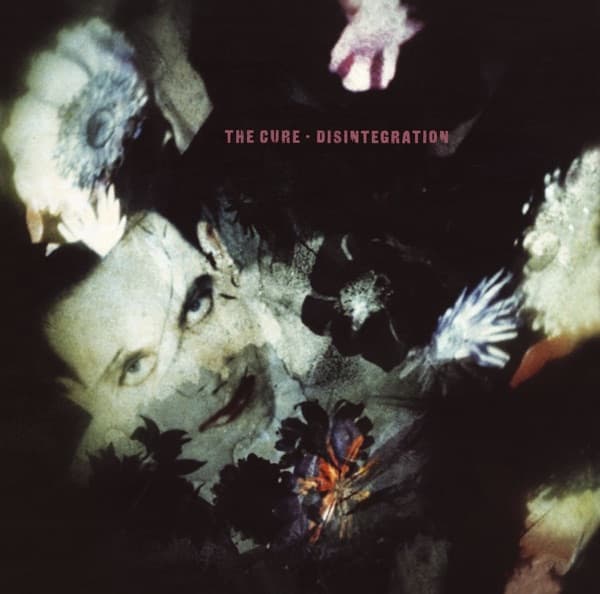
The Cure return after sixteen years
Songs of a Lost World entered the UK chart at number one on 8 November 2024, the Cure's first number one album in thirty-two years and their first record of new material in sixteen. It is eight songs about death, played slowly, by a man in his sixties who has been writing the same beautiful gloom since 1979 and finally had the world's mood match it. It swept the alternative categories at the 2026 Grammys.
Artists
Everyone in the century tagged Alternative and Indie, in the order they arrived. Each name opens its full entry in the chapter that carries it.
The Velvet Underground
- The Velvet Underground & Nico
- White Light/White Heat
- The Velvet Underground
Brian Eno
- Here Come the Warm Jets
- Another Green World
- Ambient 1: Music for Airports
Patti Smith
- Horses
- Easter
Talking Heads
- Talking Heads: 77
- Fear of Music
- Psycho Killer
Elvis Costello
- My Aim Is True
- This Year's Model
- Armed Forces
Blondie
- Parallel Lines
- Eat to the Beat
- Heart of Glass
Joy Division
- Unknown Pleasures
- Closer
Talking Heads
- Once in a Lifetime
- Burning Down the House
- This Must Be the Place (Naive Melody)
The Cure
- Boys Don't Cry
- Close to Me
- Just Like Heaven
- Pictures of You
Depeche Mode
- Just Can't Get Enough
- People Are People
- Stripped
- Personal Jesus
New Order
- Ceremony
- Blue Monday
- Bizarre Love Triangle
- True Faith
U2
- Sunday Bloody Sunday
- Pride (In the Name of Love)
- With or Without You
- Where the Streets Have No Name
The Smiths
- This Charming Man
- How Soon Is Now?
- There Is a Light That Never Goes Out
R.E.M.
- Radio Free Europe
- So. Central Rain
- The One I Love
- Orange Crush
The Replacements
- I Will Dare
- Unsatisfied
- Bastards of Young
- Can't Hardly Wait
Hüsker Dü
- Something I Learned Today
- Celebrated Summer
- Could You Be the One?
Sonic Youth
- Death Valley '69
- Schizophrenia
- Teen Age Riot
Pixies
- Gigantic
- Where Is My Mind?
- Debaser
- Here Comes Your Man
Jane's Addiction
- Nothing's Shocking
- Ritual de lo Habitual
My Bloody Valentine
- Isn't Anything
- Loveless
Fugazi
- Repeater
- Red Medicine
Nirvana
- Nevermind
- In Utero
- MTV Unplugged in New York
Pearl Jam
- Ten
- Vs.
- Vitalogy
Soundgarden
- Badmotorfinger
- Superunknown
Red Hot Chili Peppers
- Blood Sugar Sex Magik
- Californication
Massive Attack
- Blue Lines
- Mezzanine
Alice in Chains
- Dirt
- Jar of Flies
The Smashing Pumpkins
- Siamese Dream
- Mellon Collie and the Infinite Sadness
Björk
- Debut
- Post
- Homogenic
PJ Harvey
- Rid of Me
- To Bring You My Love
Bikini Kill
- Pussy Whipped
- Reject All American
Beck
- Mellow Gold
- Odelay
- Mutations
Weezer
- Weezer (The Blue Album)
- Pinkerton
Oasis
- Definitely Maybe
- (What's the Story) Morning Glory?
Blur
- Parklife
- The Great Escape
- Blur
Pulp
- His 'n' Hers
- Different Class
Jeff Buckley
- Grace
Green Day
- Dookie
- Insomniac
- Nimrod
Café Tacvba
- Re
- Revés/Yo Soy
Radiohead
- The Bends
- OK Computer
Sleater-Kinney
- Call the Doctor
- Dig Me Out
Wilco
- Being There
- Mermaid Avenue
- Summerteeth
Elliott Smith
- Either/Or
- XO
Radiohead
- Kid A
- Hail to the Thief
- In Rainbows
Modest Mouse
- The Moon & Antarctica
- Good News for People Who Love Bad News
- Float On
Coldplay
- Parachutes
- A Rush of Blood to the Head
- Clocks
- Viva la Vida or Death and All His Friends
The Strokes
- Is This It
- Last Nite
- Room on Fire
The White Stripes
- White Blood Cells
- Elephant
- Seven Nation Army
Interpol
- Turn On the Bright Lights
- Antics
LCD Soundsystem
- Losing My Edge
- LCD Soundsystem
- Sound of Silver
- All My Friends
Yeah Yeah Yeahs
- Fever to Tell
- Maps
- It's Blitz!
Sufjan Stevens
- Michigan
- Illinois
- Chicago
Arcade Fire
- Funeral
- Neon Bible
- Wake Up
The Killers
- Hot Fuss
- Mr. Brightside
- Sam's Town
Franz Ferdinand
- Franz Ferdinand
- Take Me Out
My Chemical Romance
- Three Cheers for Sweet Revenge
- The Black Parade
- Welcome to the Black Parade
Arctic Monkeys
- Whatever People Say I Am, That's What I'm Not
- Favourite Worst Nightmare
- I Bet You Look Good on the Dancefloor
Bon Iver
- For Emma, Forever Ago
- Skinny Love
- Blood Bank
Arcade Fire
- The Suburbs
- Reflektor
Lana Del Rey
- Born to Die
- Norman Fucking Rockwell!
- Video Games
Bon Iver
- Bon Iver
- 22, A Million
- Holocene
Radiohead
- The King of Limbs
- A Moon Shaped Pool
Frank Ocean
- channel ORANGE
- Blonde
- Thinkin Bout You
Tame Impala
- Lonerism
- Currents
- The Less I Know the Better
Grimes
- Visions
- Art Angels
- Oblivion
Lorde
- Pure Heroine
- Melodrama
- Royals
Vampire Weekend
- Modern Vampires of the City
- Father of the Bride
Arctic Monkeys
- AM
- Do I Wanna Know?
Deafheaven
- Sunbather
- New Bermuda
Paramore
- Paramore
- After Laughter
St. Vincent
- St. Vincent
- Masseduction
- Digital Witness
FKA twigs
- LP1
- Magdalene
- Two Weeks
Sufjan Stevens
- Carrie and Lowell
- Should Have Known Better
Mitski
- Puberty 2
- Be the Cowboy
- Nobody
Tyler, the Creator
- Flower Boy
- IGOR
Phoebe Bridgers
- Stranger in the Alps
- boygenius
- Motion Sickness
Turnstile
- Time and Space
Billie Eilish
- When We All Fall Asleep, Where Do We Go?
- bad guy
Phoebe Bridgers
- Punisher
- Kyoto
- The Record
Olivia Rodrigo
- drivers license
- Sour
- Guts
Billie Eilish
- Happier Than Ever
- Hit Me Hard and Soft
- BIRDS OF A FEATHER
Tyler, the Creator
- Call Me If You Get Lost
- Chromakopia
- Dont Tap The Glass
Turnstile
- Glow On
- Never Enough
- BLACKOUT
Wet Leg
- Chaise Longue
- Wet Leg
- Moisturizer
Mitski
- Laurel Hell
- The Land Is Inhospitable and So Are We
- Working for the Knife
SZA
- SOS
- Kill Bill
- Snooze
Fontaines D.C.
- Skinty Fia
- Romance
- Starburster
MJ Lenderman
- Boat Songs
- Manning Fireworks
- She's Leaving You
Noah Kahan
- Stick Season
- Stick Season (We'll All Be Here Forever)
- Dial Drunk
boygenius
- The Record
- Not Strong Enough
- The Film
Sleep Token
- Take Me Back to Eden
- The Summoning
- Even in Arcadia
The Cure
- Songs of a Lost World
- Alone
- A Fragile Thing
Records
Every record in the century tagged Alternative and Indie, oldest first. Each title opens its write-up in its own decade.

The Velvet Underground
The Velvet Underground & Nico

Love
Forever Changes

Van Morrison
Astral Weeks
Various
Tropicália ou Panis et Circencis

Patti Smith
Horses

Television
Marquee Moon

Joy Division
Unknown Pleasures
Talking Heads
Remain in Light

New Order
Power, Corruption & Lies

R.E.M.
Murmur

The Replacements
Let It Be
Hüsker Dü
Zen Arcade
Minutemen
Double Nickels on the Dime

The Smiths
The Queen Is Dead

U2
The Joshua Tree

Sonic Youth
Daydream Nation

Pixies
Doolittle
The Cure
Disintegration

The Stone Roses
The Stone Roses

Uncle Tupelo
No Depression
Nirvana
Nevermind
Pearl Jam
Ten
My Bloody Valentine
Loveless

Massive Attack
Blue Lines
Alice in Chains
Dirt

Nirvana
In Utero
The Smashing Pumpkins
Siamese Dream
Liz Phair
Exile in Guyville

Soundgarden
Superunknown

Weezer
Weezer (The Blue Album)

Jeff Buckley
Grace

Blur
Parklife

Portishead
Dummy
Green Day
Dookie

Sunny Day Real Estate
Diary

Café Tacvba
Re

Radiohead
The Bends
Alanis Morissette
Jagged Little Pill

Oasis
(What's the Story) Morning Glory?
Pulp
Different Class

Beck
Odelay

Radiohead
OK Computer

Björk
Homogenic

Neutral Milk Hotel
In the Aeroplane Over the Sea
Refused
The Shape of Punk to Come

Radiohead
Kid A

At the Drive-In
Relationship of Command
The Strokes
Is This It

Jimmy Eat World
Bleed American
Wilco
Yankee Hotel Foxtrot

Interpol
Turn On the Bright Lights

Coldplay
A Rush of Blood to the Head

The White Stripes
Elephant

Arcade Fire
Funeral

Sufjan Stevens
Illinois
Arctic Monkeys
Whatever People Say I Am, That's What I'm Not

My Chemical Romance
The Black Parade

LCD Soundsystem
Sound of Silver

Radiohead
In Rainbows

Fleet Foxes
Fleet Foxes
Bon Iver
For Emma, Forever Ago

Animal Collective
Merriweather Post Pavilion
Arcade Fire
The Suburbs
Bon Iver
Bon Iver
Lana Del Rey
Born to Die
Grimes
Visions
Vampire Weekend
Modern Vampires of the City
Deafheaven
Sunbather
Arctic Monkeys
AM
Lorde
Pure Heroine
FKA twigs
LP1
The War on Drugs
Lost in the Dream
Sufjan Stevens
Carrie and Lowell
Tame Impala
Currents
Frank Ocean
Blonde
Radiohead
A Moon Shaped Pool
Lorde
Melodrama
Phoebe Bridgers
Stranger in the Alps
LCD Soundsystem
american dream
Mitski
Be the Cowboy
Turnstile
Time and Space
Billie Eilish
When We All Fall Asleep, Where Do We Go?
Lana Del Rey
Norman Fucking Rockwell!
Big Thief
U.F.O.F.
Taylor Swift
Folklore
Fiona Apple
Fetch the Bolt Cutters
Phoebe Bridgers
Punisher
Olivia Rodrigo
Sour
Turnstile
Glow On
SZA
SOS
Big Thief
Dragon New Warm Mountain I Believe in You
Wet Leg
Wet Leg
Noah Kahan
Stick Season
Ethel Cain
Preacher's Daughter
boygenius
The Record
Sleep Token
Take Me Back to Eden
Tyler, the Creator
Chromakopia
MJ Lenderman
Manning Fireworks
Fontaines D.C.
Romance
The Cure
Songs of a Lost World
Billie Eilish
Hit Me Hard and Soft
Turnstile
Never Enough
Bon Iver
SABLE, fABLE
The Mixtape
Once in a Lifetime
Talking HeadsAfrobeat loops, Eno, and David Byrne asking how he got here. Art rock found the dance floor and never went home.
Here Comes Your Man
PixiesThe catchiest song on "Doolittle" and the template for the 1990s: quiet verse, loud chorus, a surf guitar and a scream held in reserve.
Smells Like Teen Spirit
NirvanaFour chords, a Pixies dynamic and a chorus about not caring that a generation cared about more than anything. Start here because everything in the decade is either this or a reaction to it.
Live Forever
OasisNoel Gallagher's answer to grunge: a song that says maybe you want to live forever instead. Britpop's manifesto, and the best thing they ever wrote.
Common People
PulpA Greek art student who wants to slum it, and Jarvis Cocker explaining, over six minutes that keep speeding up, why she never can. Britain's best single of the decade.
You Oughta Know
Alanis MorissetteFlea and Dave Navarro on the track, and a twenty-one-year-old asking an ex whether the new woman goes down on him in a theatre. Radio played it anyway, and thirty million bought the album.
Paranoid Android
RadioheadSix and a half minutes, three songs in one, a riff in 7/8 and a choir. A rock band deciding that the rock song was not enough anymore, and getting to number three in Britain with the result.
Everything in Its Right Place
RadioheadStart here: the biggest rock band alive opening its decade with a Rhodes piano and a cut-up voice. The rules are being rewritten in the first ten seconds.
Float On
Modest MouseA song about things going wrong and being fine anyway, from the strangest band in nineties indie. Weirdness goes pop, and a whole scene finds out it can be that big.
My Girls
Animal CollectiveAn arpeggio, a chant about wanting a house for your family, and a beat that takes two minutes to arrive. The indie decade dissolving into the electronic pop it had been circling.
Diane Young
Vampire WeekendTwo and a half minutes of surf guitar, pitch-shifted screaming and a joke about dying young in the title. Indie rock at its most gleefully clever.
The Less I Know the Better
Tame ImpalaThe bass line everyone knows, under a story about being left for someone else. The exact point where indie rock stopped resisting the dancefloor.
Motion Sickness
Phoebe BridgersA break-up song with a punchline in every verse, whispered over a guitar. The generation of American songwriters who took over the guitar, in one track.
Nobody
MitskiA disco song in which the word nobody is repeated until it turns into a panic attack. Two and a half minutes, no fat, absolutely devastating.
Fetch the Bolt Cutters
Fiona AppleFurniture for drums, dogs in the room, and a woman who has stopped being polite about being talked over. Nothing else this decade is built like it.
She's Leaving You
MJ LendermanNeil Young guitars and jokes that turn sad four seconds after they land. American indie rock's best song of the year.
Alone
The CureThree and a half minutes before the first word. It is a song about everyone dying, and it took them to number one in Britain sixteen years after the last record.