100 Years of Music / Genre
Hip-Hop
A Bronx DJ with two copies of the same funk record extended the drum break in 1973, and a culture grew around it: the DJ, the MC, the b-boy and the writer. Fifty years on, hip-hop is the most listened-to music in America and the grammar of global pop.
The lineage
Hip-hop was born in a building the city had given up on. The Cross Bronx Expressway had cut the borough in half, the landlords were burning what was left, and the gangs ran the blocks. On 11 August 1973 Cindy Campbell hired the recreation room at 1520 Sedgwick Avenue for a back-to-school party and her brother Clive, Jamaican-born and known as Kool Herc, played the records. His trick was the Merry-Go-Round: two copies of the same record, two turntables, and the drum break, the few bars where everything drops out but the drummer, played over and over by switching between them. The dancers who waited for the break were b-boys. Herc talked over the music the way Kingston sound-system deejays did. That is the whole genre in one room: the break, the DJ, the MC and the dancer.
Afrika Bambaataa turned a gang into the Zulu Nation and made the parties a culture; Grandmaster Flash made the mixing precise and his crew, the Furious Five, made rapping a craft; Grand Wizzard Theodore discovered the scratch. For six years none of it was recorded. Then in 1979 the Fatback Band’s "King Tim III" and, weeks later, the Sugarhill Gang’s "Rapper’s Delight", built on Chic’s "Good Times" and produced by Sylvia Robinson, put rap on the radio. Kurtis Blow’s "The Breaks" (1980) went gold. Bambaataa and Arthur Baker’s "Planet Rock" (1982) put Kraftwerk over a Roland TR-808 drum machine and invented electro; "The Message" (1982) proved a rap record could be about something. Run-DMC (1983) stripped the disco band away and rapped over a drum machine, and their "Walk This Way" with Aerosmith (1986) put hip-hop on MTV.
The golden age ran from about 1986 to 1994, and its instrument was the sampler. Sampling means taking a piece of an existing record, a drum break, a horn stab, a bass line, and building a new track from it; the E-mu SP-1200 (1987) and the Akai MPC60 (1988) made it a studio art. Eric B. & Rakim’s Paid in Full (1987), Public Enemy’s It Takes a Nation of Millions to Hold Us Back (1988), De La Soul’s 3 Feet High and Rising (1989) and A Tribe Called Quest built dense collages of funk, soul and jazz. Yo! MTV Raps launched weekly in 1988 and went weekday-daily in 1989. The same year N.W.A’s Straight Outta Compton took Schoolly D’s and Ice-T’s street reporting and made gangsta rap the most controversial and, soon, the best-selling form of the music; the FBI wrote them a letter. A 1991 court ruling against Biz Markie ended free sampling and pushed producers toward the synthesizer.
Dr. Dre’s The Chronic (1992) rebuilt the West Coast sound from Parliament records and live musicians and called it G-funk; Snoop Dogg’s Doggystyle (1993) entered the chart at number one. New York answered with Wu-Tang Clan, Nas’s Illmatic (1994) and the Notorious B.I.G.; the Death Row and Bad Boy feud ended with 2Pac shot in September 1996 and Biggie in March 1997. At the 1995 Source Awards André 3000 said the South had something to say, and by 2000 it did: Outkast, Master P’s No Limit, Cash Money, Missy Elliott and Timbaland in Virginia, then T.I.’s Trap Muzik (2003), Lil Jon’s crunk, Jeezy and Gucci Mane, and the trap sound, 808 bass and rattling hi-hats, that Lex Luger and Metro Boomin made the default beat of the 2010s. Eminem, Jay-Z, 50 Cent and Kanye West made the 2000s the decade rap outsold rock; Lil Wayne rebuilt the mixtape as an album; Auto-Tune, after T-Pain, became an instrument.
Since then hip-hop has been the mainstream. Drake, from 2009, made rapping and singing the same job. Kendrick Lamar’s good kid, m.A.A.d city (2012) and To Pimp a Butterfly (2015) restored the album as argument, and DAMN. (2017) won a Pulitzer Prize. Chief Keef’s "I Don’t Like" (2012) started drill in Chicago, which travelled to London and Brooklyn. Migos’s triplet flow, SoundCloud’s emo rappers, Cardi B, Megan Thee Stallion and Lil Nas X’s "Old Town Road" (2019), nineteen weeks at number one, filled out the decade. In 2017 Nielsen reported hip-hop and R&B as the most consumed music in the United States. In 2025 Kendrick’s "Not Like Us" won Record and Song of the Year and he headlined the Super Bowl. The break Herc looped in 1973 is now the pulse of pop from Lagos to Seoul to San Juan.
Branches
Old school
The Bronx party years, 1973 to about 1983: DJs extending breaks, MCs rhyming to keep the crowd moving, crews battling. Kool Herc, Grandmaster Flash and the Furious Five, Afrika Bambaataa, the Cold Crush Brothers.
Rap on record
"Rapper’s Delight" (1979) and the Sugar Hill and Enjoy labels: rap over disco bands and later drum machines. Kurtis Blow, the Treacherous Three, "The Message" (1982). The moment the culture became an industry.
Electro
"Planet Rock" (1982): Kraftwerk melodies, a Roland TR-808 and vocoders. Afrika Bambaataa, Mantronix, the Egyptian Lover. The root of Miami bass, Detroit techno and much of dance music.
Golden age
Sampling as art and the album as statement, from Run-DMC’s Raising Hell (1986) to Illmatic (1994). Rakim, Public Enemy, Boogie Down Productions, De La Soul, A Tribe Called Quest, Big Daddy Kane, Queen Latifah.
Gangsta rap
Street life reported in the first person. Schoolly D and Ice-T began it; N.W.A’s Straight Outta Compton (1988) made it a national scandal and a best-seller. Then Snoop, 2Pac, the Notorious B.I.G. and 50 Cent.
Conscious hip-hop
Rap as politics and teaching. Public Enemy’s It Takes a Nation of Millions (1988), KRS-One, the Native Tongues, then Common, Mos Def, Talib Kweli, Lauryn Hill and Kendrick Lamar.
G-funk
Dr. Dre’s West Coast sound: Parliament-Funkadelic samples, whining synthesizer leads, slow tempos and live bass. The Chronic (1992), Doggystyle (1993), Warren G’s "Regulate" (1994).
Southern hip-hop
Atlanta, New Orleans, Houston and Memphis take over: Outkast’s Southernplayalisticadillacmuzik (1994), UGK, Three 6 Mafia, No Limit, Cash Money. By 2005 the South ran the charts and has not stopped.
Trap
Atlanta’s drug-house rap with 808 bass, skittering hi-hats and dark synths. T.I.’s Trap Muzik (2003), Jeezy, Gucci Mane, then Future, Migos and Metro Boomin. The default sound of pop in the 2010s.
Drill
Chicago’s bleak, minimal answer to trap, from Chief Keef’s "I Don’t Like" (2012) and producer Young Chop. Exported to London (UK drill, with its sliding bass) and Brooklyn (Pop Smoke, 2019).
How to listen
Listen to the beat as a record collection. Under most hip-hop from 1986 to 1996 is another song: a James Brown drum break, a Parliament bass line, a jazz piano chord. Find the loop, then find the original, and you will hear the producer’s argument about the past. Under most hip-hop since 2010 is an 808, a drum machine from 1980 tuned until the kick becomes a bass note.
Then listen to the flow, which is the rapper’s rhythm against the beat. Rakim rhymes inside the bar; Biggie lands behind the beat; Migos rap in triplets, three syllables to each beat; Kendrick changes voices mid-verse. The words matter, but the timing is the instrument, and it is where the craft lives.
Play the fifty years in six records. "Rapper’s Delight" (1979), "The Message" (1982), Public Enemy’s "Fight the Power" (1989), Dr. Dre’s "Nuthin’ but a ‘G’ Thang" (1992), Outkast’s "B.O.B." (2000), Kendrick Lamar’s "Alright" (2015). Each one changed what a rap record was allowed to be.
Across the decades
The genesis: where the beat began
There was no record deal. No radio play. No chart. Just turntables, speakers and an energy pulsing through the Bronx. Hip-hop in the 1970s was a culture before it was a genre, and it had four elements: the DJ who built the beat, the MC who talked over it, the b-boys and b-girls who danced in the break, and the writers who put their names on the trains. It was a whole ecosystem, and it grew in parks, rec rooms and school gyms.
The spark is usually dated to 11 August 1973, when DJ Kool Herc, born Clive Campbell in Kingston, Jamaica, played his sister Cindy's party at 1520 Sedgwick Avenue. Herc's idea was simple and enormous. Dancers went hardest during the break, the stretch of a funk record where the singer stops and only the drums and bass carry on. So he bought two copies of the same record and cut from one break to the other, over and over, on what he called the Merry-Go-Round. James Brown's "Give It Up or Turnit a Loose", the Incredible Bongo Band's "Bongo Rock", Babe Ruth's "The Mexican": the breakbeat was born from records nobody else was playing anymore.
Herc's sound system, the Herculoids, came straight out of Jamaican dancehall culture, where a DJ (the selector) played and a deejay (what Americans would call an MC) talked over the record to hype the crowd. Coke La Rock, Herc's partner, was the first to do it in the Bronx. Afrika Bambaataa, a former warlord of the Black Spades gang, turned his crew into the Zulu Nation and pointed its energy at parties instead of turf. Grandmaster Flash, a technician from the Bronx's electronics classes, made the cut precise: he marked his records with crayon, backspun them to the start of the break, and punched short phrases in and out on time. Theodore Livingston, barely into his teens and part of the same Bronx circle, found that rubbing the record back and forth under the needle made a sound, and the scratch was born.
By 1978 Flash had a crew of five MCs, the Furious Five, and MCing had gone from shouting shout-outs to rhyming in rhythm, trading lines, working routines. Still no records. The music lived on cassettes taped at the party and passed hand to hand. Then in 1979 the outside world noticed. The Fatback Band put a rapping radio-jock routine, "King Tim III (Personality Jock)", on a B-side in July. In September a New Jersey label owner named Sylvia Robinson put three unknowns from Englewood in a studio over the bass line of Chic's "Good Times" and called them the Sugarhill Gang. "Rapper's Delight" sold millions. The Bronx DJs were furious that outsiders got there first. Everything after this is the next chapter.
From the block to the Billboard
Hip-hop entered the decade as a party culture and left it as an industry. "Rapper's Delight" (1979) had proved rap could be a record. Kurtis Blow became the first rapper on a major label. Then, in 1982, two singles changed the job description. "The Message", written mostly by Ed "Duke Bootee" Fletcher and rapped by Melle Mel over a slow, empty synthesizer track, made rap a place for street reporting. Afrika Bambaataa's "Planet Rock", built from Kraftwerk melodies and a Roland TR-808, made the drum machine the new band.
Run-DMC stripped it down further: two voices, one DJ, a beat box, a leather jacket, Adidas with no laces. "Rock Box" (1984) put a rap video on MTV. "Walk This Way" (1986), Rick Rubin's idea, put Aerosmith on a rap record and the record in Billboard's top five. Def Jam, founded in 1984 by Rubin and Russell Simmons, signed LL Cool J, the Beastie Boys and Public Enemy, and made the rap album a real album rather than a stack of singles.
Then sampling arrived. The E-mu SP-1200 and the Akai MPC60 (1988) let a producer chop a James Brown break into pieces and rebuild it. Marley Marl and the Juice Crew turned that into an aesthetic; Eric B. & Rakim's "Paid in Full" (1987) put a calm, internally rhymed, almost mathematical voice on top; Public Enemy's Bomb Squad piled samples into a wall of noise behind Chuck D's baritone on "It Takes a Nation of Millions to Hold Us Back" (1988). Boogie Down Productions, Big Daddy Kane, Slick Rick, Salt-N-Pepa, MC Lyte and Queen Latifah each carved out a lane. The "Bridge Wars" between Queensbridge and the Bronx settled where hip-hop came from, on record.
By 1987 the map had widened. Ice-T's "6 in the Mornin'" and Too Short's Oakland tapes had sketched a West Coast; N.W.A's "Straight Outta Compton" (1988) drew it in full. Without radio, and with a letter of complaint from the FBI, it sold two million. Meanwhile the Native Tongues, De La Soul and the Jungle Brothers, answered with daisies, Afrocentrism and a sample of Johnny Cash. "Yo! MTV Raps" went weekday-daily in 1989. The blueprint was written.
The golden era, the wars, and the South
I call the 1990s the golden era, full stop, and the case is easy to make. Between 1990 and 1994 every MC had to earn it with wordplay, flow and originality, and sampling reached a creative peak just before the courts made it expensive. A Tribe Called Quest and De La Soul, the Native Tongues, put jazz records under conversational rhymes. Gang Starr paired Guru's level monotone with DJ Premier's chopped, scratched hooks. Pete Rock and CL Smooth, Black Moon and Mobb Deep built the New York sound: dusty drums, a filtered bass loop, a horn stab that hits like a punch. Nas took all of it and wrote "Illmatic". The Wu-Tang Clan took a kung-fu video store and a Staten Island basement and made "Enter the Wu-Tang (36 Chambers)", nine rappers on one record and a business plan that let each of them sign anywhere.
The West Coast answered with a different sound and a different weather. Ice Cube left N.W.A and made "AmeriKKKa's Most Wanted" and "Death Certificate", political and personal fire. Dr. Dre left too and built G-funk on "The Chronic": Parliament-Funkadelic bass, a whining Moog lead, a slow tempo you could drive to, and a skinny kid from Long Beach named Snoop Doggy Dogg who rapped like he was talking to you from the passenger seat. Cypress Hill brought Latino pride, stoner anthems and spooky beats out of South Gate. Warren G, Nate Dogg and DJ Quik were the smooth end of the same street. E-40, Too $hort and the Hieroglyphics crew gave the Bay its own slang and flow.
Then it turned. Bad Boy in New York had the Notorious B.I.G., Brooklyn's king, whose "Ready to Die" and "Life After Death" told stories with a novelist's eye and a comedian's timing. Death Row in Los Angeles had Dre, Snoop, Tha Dogg Pound and, from October 1995, Tupac Shakur, a poet, a provocateur and a prophet who contradicted himself on purpose. The 1995 Source Awards put the two camps in one room and it went wrong on stage. Magazines sold the feud, the labels fed it, and the artists paid: Tupac was shot in Las Vegas and died on 13 September 1996; Biggie was shot in Los Angeles and died on 9 March 1997. Jay-Z's "Reasonable Doubt" had arrived in between, the hustler's manifesto that would outlast both empires.
The South had been there the whole time. The Geto Boys and Scarface in Houston, UGK in Port Arthur, Eightball and MJG in Memphis, Three 6 Mafia's horrorcore and DJ Screw's chopped-and-screwed tapes gave the region a slow drawl and a dark heart. Then OutKast stood up at the 1995 Source Awards, got booed by New York, and André 3000 said the South had something to say. "ATLiens" and "Aquemini" proved it, Goodie Mob and the Dungeon Family kept the conscience, and by 1998 Master P's No Limit in New Orleans was selling millions with no radio and Cash Money's Juvenile was turning bounce into "Back That Azz Up". The 2000s would belong to the South. This is where that started.
And the mainstream got bigger without the underground going quiet. Puff Daddy's shiny-suit era put Biggie samples and pop hooks on MTV every hour. Lauryn Hill, Missy Elliott and Timbaland reinvented what a rap record could sound like. Eminem, DMX and Busta Rhymes arrived at the end. Meanwhile Rawkus, The Roots, Common, Mos Def and Talib Kweli, Company Flow, MF DOOM, Slum Village and J Dilla kept it weird, lyrical and philosophical, and The Neptunes and Swizz Beatz were writing the beats that would run the next decade.
The mogul era: bling, bars and a billion-dollar industry
The 2000s were hip-hop's imperial phase. The genre had money, reach and power, and an identity crisis to go with it. Could you be conscious and commercial? Street and pop? Lyrical and melodic? Turns out you could. The decade did not just expand hip-hop's audience; it expanded its language. This was the mixtape era, the ringtone rap era, the rise of Southern dominance, the birth of the GOAT conversation.
Phase one, 2000 to 2004, belonged to artists who balanced art and enterprise. Jay-Z ran New York and rapped like it: The Blueprint on 11 September 2001, The Black Album in 2003, then a fake retirement and the presidency of Def Jam. Eminem was pure chaos and technical genius; nobody pushed boundaries, or buttons, like Slim Shady. 50 Cent turned nine bullet wounds into a myth, and Dr. Dre's polish put Get Rich or Die Tryin' in every car in America. Missy Elliott and Timbaland made weird sound mainstream. The Neptunes ruled the charts with a four-count intro. Nelly made St. Louis matter with a sing-song flow. Ludacris brought Southern energy and a cartoon's delivery.
Phase two, 2004 to 2007, was Atlanta's takeover. The South had always been there; now it was everywhere. OutKast's Speakerboxxx/The Love Below won Album of the Year. T.I. crowned himself King of the South on Trap Muzik. Young Jeezy's Thug Motivation 101 was trap music's emotional ice storm, all cold delivery and heavy ad-libs. Lil Jon and the East Side Boyz screamed crunk into the clubs, and turn up began there. Dem Franchize Boyz, D4L and Soulja Boy made snap music: minimal, viral, ringtone-ready. Houston got loud too, with Mike Jones, Paul Wall, Slim Thug and Chamillionaire taking DJ Screw's chopped and screwed sound to MTV, and UGK and Three 6 Mafia finally collecting what they were owed.
Phase three, 2007 to 2009, is when the internet changed the rules. Mixtapes became marketing, not throwaways, and DatPiff, NahRight, 2DopeBoyz and early YouTube broke artists without radio. Lil Wayne flooded the decade with Dedication, Da Drought 3 and a thousand features before Tha Carter III sold a million in a week. Kanye West went from soul samples to stadium rap to Auto-Tuned heartbreak in four albums. Lupe Fiasco was the nerd's rapper. Clipse wrote drug-rap poetry over minimalist Neptunes heat. Kid Cudi's Day 'n' Nite changed bedroom rap forever, and Drake's So Far Gone mixtape, in February 2009, was the door the next decade walked through.
Around the edges: Dipset's Cam'ron, Juelz Santana and Jim Jones set trends in Harlem; Fat Joe, Remy Ma and Terror Squad held the Bronx; Nas, Mobb Deep, Mos Def and Talib Kweli stayed active and respected; Twista, Do or Die and a Kanye-reborn Common warmed up Chicago; MF DOOM and Madlib made Madvillainy and J Dilla made Donuts. Grime broke out of London with Dizzee Rascal, reggaeton broke out of Puerto Rico with Daddy Yankee. Production moved from soul samples to synths to Southern 808s, and Auto-Tune went from gimmick to emotional tool, T-Pain to Kanye to Wayne. Fashion went from throwbacks and tall tees to grills and BAPE to skinny jeans, and artists became brands: Rocawear, G-Unit, Sean John, LRG. By 2009 rap was no longer fighting for pop placement. It was pop.
The atmosphere: rap stops being a genre and becomes the weather
If the 2000s were the decade hip-hop became the industry, the 2010s were the decade it became the air. It was the most-streamed music on earth, the sound of advertising and film trailers and video games, the language teenagers used to talk about grief. It won a Pulitzer Prize. It also splintered into more shapes than any one listener could follow, which was the point.
The first half belonged to three writers. Kanye West opened the decade with My Beautiful Dark Twisted Fantasy in November 2010, a maximalist apology built out of choirs, prog-rock samples and a thirty-five-minute film, and then spent the next six years dismantling it: the industrial screech of Yeezus in 2013, the unfinished, endlessly edited gospel-rap of The Life of Pablo in 2016. Drake turned the rapper into a mood: Take Care in 2011 is an album about being lonely in a nice hotel, and he spent the decade putting more songs on the Hot 100 than anyone alive. Kendrick Lamar wrote the decade's great novels, good kid, m.A.A.d city in 2012 and To Pimp a Butterfly in 2015, then took the Pulitzer for DAMN. in 2018. J. Cole made 2014 Forest Hills Drive with no guest features and went platinum anyway.
The second half belonged to Atlanta and to the drum machine. Trap had been building since the early 2000s, but in the 2010s its skittering hi-hats and 808 sub-bass became the default rhythm of pop music worldwide. Future turned lean and heartbreak into a genre on DS2. Migos made the triplet flow a national accent with Versace in 2013 and Bad and Boujee in 2016. Young Thug sang in a language he seemed to be inventing live. Gucci Mane came out of prison and reinvented himself. Travis Scott built cathedrals out of reverb on Rodeo and Astroworld. Producers became stars: Metro Boomin, Mike WiLL Made-It, Zaytoven, Southside.
Underneath that, SoundCloud grew its own scene, and it was young, fast and in pain. Lil Uzi Vert's XO Tour Llif3 in 2017 was a suicide-note chorus with a pop hook. XXXTentacion, Lil Peep and Juice WRLD made emo rap out of guitar loops and anti-depressant lyrics, and all three were dead before the decade ended: Peep in November 2017, XXXTentacion shot in June 2018, Juice WRLD of an overdose in December 2019. Mac Miller died in September 2018, weeks after making the best record of his life. Nipsey Hussle was murdered outside his own store in Los Angeles in March 2019.
Women reclaimed the room. Nicki Minaj spent the decade out-rapping most of her peers. Cardi B went from reality television to Bodak Yellow to Invasion of Privacy, the first solo woman to win Best Rap Album at the Grammys. Megan Thee Stallion, Rapsody, Noname, Little Simz and Tierra Whack were all working by 2019. And the alternative wing stayed loud: Run the Jewels, Danny Brown, Earl Sweatshirt, Vince Staples, Brockhampton, Freddie Gibbs and Madlib, Griselda in Buffalo. Drill travelled from Chicago to London to Brooklyn. By 2019 rap in English was a global dialect with regional accents everywhere.
The algorithm age: viral heat, drill beats and genreless genius
This is the most chaotic, connected and algorithm-driven era in hip-hop history. The labels still exist and the superstars still tour, but the internet runs the game. TikTok decides hits. Artists break from their bedrooms. Trends live for weeks, not years. Hip-hop is still the pulse of the culture, it is just moving faster than anyone can file it.
Phase one, 2020 to 2022, is the pandemic and the playlist. With no touring and everyone online, short-form video reshaped the whole playbook. Roddy Ricch's "The Box" was a squeaky-door sample and a number one. Lil Nas X turned a meme into a career with "Montero". Jack Harlow took Southern charisma to the top of the charts, and Coi Leray, BIA and Latto turned viral hooks into real catalogues. Baby Keem, Kendrick's cousin, made glitchy, restless rap on "The Melodic Blue". Ice Spice arrived from the Bronx with "Munch" and a delivery so flat it was funny.
Drill went global. It started in Chicago, went to Brooklyn through Pop Smoke rapping over beats made by producers in London, and came back out everywhere: Central Cee, Headie One, Digga D and Unknown T in the UK, Fivio Foreign and Sheff G in New York, Lil Durk and G Herbo still in Chicago, and scenes in Paris, Dublin and Sydney. The recipe is a dark piano loop, a sliding 808 that bends under the beat, and a flow that sits slightly behind it. It is the most exported sound of the decade.
The trap kings kept their thrones with deeper catalogues: Future, 21 Savage, Lil Baby, Gunna, Moneybagg Yo, EST Gee. Young Thug and Gunna were pulled out of the game by a Georgia racketeering case that turned their lyrics into evidence. Melodic rap stopped being a subgenre and became the default: Trippie Redd, the Kid LAROI, Lil Tecca, and a posthumous Juice WRLD catalogue that kept shaping the mood after his death.
And the thinkers never left. Kendrick Lamar made an album about therapy and generational damage and then, two years later, ended a rivalry in public with the biggest rap song in a decade. Tyler, the Creator made two of the decade's best-made records. J. Cole stayed sharp and then, unusually, apologised. Little Simz and Dave and Stormzy proved London could write at that level too. billy woods, Earl Sweatshirt, JID, Denzel Curry and Vince Staples built careers with no interest in the chart at all. In August 2023 hip-hop turned fifty, and every one of these people was standing on the same Bronx rec room floor.
Timeline
Afrika Bambaataa turns a gang into the Zulu Nation
Lance Taylor, a warlord of the Black Spades in the Bronx River Houses, wins an essay contest and a trip to Africa, comes home calling himself Afrika Bambaataa, and steers his crew from turf wars to parties. The Zulu Nation (later Universal Zulu Nation) organises DJs, MCs, b-boys and writers as one culture and names the four elements. The Nation keeps 12 November 1973 as its founding date and this entry follows it. Other accounts put the organisation's real start several years later, once Bambaataa was running block parties, and the argument has never been settled.
Kool Herc plays 1520 Sedgwick Avenue
On 11 August 1973 Cindy Campbell rents the rec room of her apartment building in the West Bronx for a back-to-school party. Her brother Clive, DJ Kool Herc, eighteen, born in Kingston, plays the breaks: the drum sections of funk records, cut back to back on two turntables so the dancers never have to stop. There is no record of this night except the people who were there. It is the date hip-hop calls its birthday.
Grand Wizzard Theodore scratches a record
Around 1975, by his own telling, Theodore Livingston, twelve or thirteen years old, is practising in his Bronx bedroom when his mother shouts at him to turn it down. He holds the record still under the needle with his hand, then rocks it back and forth, and hears a sound. Grandmaster Flash makes it a technique. The scratch turns the turntable from a playback device into an instrument, and it is why a DJ can be a musician.
The New York blackout
On the night of 13 July 1977 lightning knocks out power to all of New York City for twenty-five hours. In the Bronx and Brooklyn stores are looted and buildings burned. Among the things carried out of electronics shops are turntables, mixers and amplifiers, and Bronx DJs later say that the number of crews multiplied in the months after. It is folklore as much as fact, but it is how the culture remembers the summer the city went dark.
Grandmaster Flash and the Furious Five make their first record
Formed in 1978 around Flash's turntables with Cowboy, Melle Mel, Kidd Creole, Scorpio and Rahiem trading lines, the Furious Five were the Bronx's best routine crew. "Superrappin'", released on Enjoy Records in late 1979, is twelve minutes of that routine over a re-played funk track. It does not chart. It is the first record by the group that will make "The Message" three years later, and it is the sound of the party finally reaching the studio.
The Fatback Band, "King Tim III (Personality Jock)"
On 25 July 1979 a New York funk band puts a rap on the B-side of its single "You're My Candy Sweet". King Tim III, a radio-style jock, rhymes over the band in the manner of the Bronx parties and of the jive-talking DJs before them. Nobody notices until "Rapper's Delight" arrives two months later, at which point it becomes the answer to the trivia question of the first rap record on a commercial release.
The Sugarhill Gang, "Rapper's Delight"
Sylvia Robinson, a former soul singer who runs a small New Jersey label, hears rapping at a Harlem club and cannot find a Bronx DJ willing to put it on record. She auditions three unknowns in a car outside a pizza shop in Englewood and has a house band re-play Chic's "Good Times". Released 16 September 1979, the twelve-inch runs fourteen and a half minutes and sells millions. The Bronx pioneers are furious that outsiders got there first. Hip-hop is on vinyl, and the next chapter starts.
"Planet Rock" and the Roland TR-808
Afrika Bambaataa and the Soulsonic Force, with producer Arthur Baker, built a record from Kraftwerk's "Trans-Europe Express" and "Numbers", played on synthesizers, over a Roland TR-808 drum machine. Electro was born, and the 808's booming kick and hissing hi-hat became the foundation of hip-hop, Miami bass, techno and, forty years later, most of pop.
Grandmaster Flash and the Furious Five release "The Message"
Written and largely performed by Ed "Duke Bootee" Fletcher with Melle Mel on the mic, released by Sugar Hill's Sylvia Robinson over the objections of Flash himself, who thought nobody wanted a slow, serious rap record. It reached only number 62 on the Hot 100 and changed what a rap record was for. In 2002 it became the first hip-hop recording in the National Recording Registry.
Herbie Hancock's "Rockit" puts a scratch on MTV
Produced with Bill Laswell and Michael Beinhorn of Material, with Grand Mixer D.ST scratching a record on a turntable as a lead instrument, "Rockit" was a hit on MTV in 1983, won a Grammy, and introduced most of America to the DJ as musician. A jazz pianist had built the bridge between hip-hop and everyone else.
Wild Style, and hip-hop on film
Charlie Ahearn's "Wild Style", shot in the Bronx with Fab 5 Freddy, Lee Quiñones, Grandmaster Flash, the Cold Crush Brothers and the Rock Steady Crew, was the first film to show graffiti, DJing, MCing and breaking as one culture. "Beat Street" (1984) and "Krush Groove" (1985), the Def Jam story with Run-DMC and LL Cool J, took it to malls across the country.
Def Jam Recordings is founded
Rick Rubin, a Long Island punk fan in an NYU dorm, and Russell Simmons, Run's older brother and manager, launched Def Jam in 1984. LL Cool J's "I Need a Beat" was the first release; "Radio" (1985), with "Rock the Bells" and "I Can't Live Without My Radio", was its first album. The Beastie Boys and Public Enemy followed. Rap now had a label that thought in albums.
Run-DMC, "Rock Box" and the first rap video on MTV
Two MCs from Hollis, Queens, a DJ named Jam Master Jay, and producer Larry Smith put a hard-rock guitar over a drum machine. "Rock Box" became the first rap video MTV played, and the debut album "Run-D.M.C." became the first rap album to go gold. Their leather jackets and unlaced Adidas became a uniform.
"Sun City": Artists United Against Apartheid
Little Steven Van Zandt, inspired by Peter Gabriel's "Biko", gathered Springsteen, Miles Davis, Run-DMC, Bono, Bob Dylan and dozens more to vow never to play the whites-only South African resort. Radio mostly ignored it. Paul Simon, who had recorded in Johannesburg that year, was about to test the boycott from the other side.
Ice-T's "6 in the Mornin'" and Boogie Down Productions' "South Bronx"
On the West Coast, Ice-T rapped a first-person story of a Los Angeles hustler over a spare beat: the seed of gangsta rap. In New York, KRS-One and Scott La Rock answered Marley Marl's Juice Crew with "South Bronx", starting the Bridge Wars over where hip-hop began. "Criminal Minded" arrived in 1987; Scott La Rock was shot dead that August.
Run-DMC release "Raising Hell", with "Walk This Way"
Produced by Rick Rubin and Russell Simmons, released in May 1986. "My Adidas" got the group a million-dollar endorsement, the first for non-athletes. "Walk This Way", Rubin's idea, put Steven Tyler and Joe Perry in the studio and the record at number four on the Hot 100, the first rap single in the top five. The album went triple platinum, another first.
Slayer's "Reign in Blood" and the Beastie Boys' "Licensed to Ill"
Rick Rubin produced both in the same year. Slayer's twenty-nine minutes, released in October 1986 after Columbia refused to distribute it, is thrash at its absolute limit. The Beastie Boys, three white punks from New York, made the first rap album to reach number one, released in November 1986 (the Registry essay says October), with Led Zeppelin samples and a song about fighting for your right to party that they later regretted.
Salt-N-Pepa's "Push It"
Cheryl James and Sandra Denton, from Queens, produced by Hurby Azor, put a synth riff and a drum machine under the first rap single by women to go platinum. "Hot, Cool & Vicious" (1986) became the first gold and platinum album by an all-female rap group. MC Lyte (1988) and Queen Latifah (1989) followed, and rap stopped being a boys' club on record, if not in the boardroom.
Eric B. & Rakim release "Paid in Full"; Guns N' Roses release "Appetite for Destruction"
Rakim's calm, internally rhymed, almost mathematical flow on "Paid in Full" and "I Know You Got Soul" changed what an MC could do; every rapper after him rhymes inside the line. Two weeks later, on the Sunset Strip, Guns N' Roses put out an album that took a year to reach number one and then sold thirty million. "Welcome to the Jungle" and "Sweet Child o' Mine" are on it.
Public Enemy release "It Takes a Nation of Millions to Hold Us Back"
Chuck D's baritone, Flavor Flav's clock, Terminator X on the decks and the Bomb Squad, Hank and Keith Shocklee, Eric Sadler and Bill Stephney, building walls of sirens and James Brown out of samplers. "Rebel Without a Pause" (1987) had been the warning. This was the album that made rap as serious an album form as rock, and the loudest political record of the decade.
N.W.A release "Straight Outta Compton"
Eazy-E's Ruthless Records, distributed by Priority, put out an album by five men from Compton with Dr. Dre producing, Ice Cube and MC Ren writing, and no interest in a corporate filter. "Fuck tha Police" was the point. With almost no radio it sold two million; police fax networks shut down shows in Detroit and elsewhere; and in August 1989 the FBI's Milt Ahlerich wrote to Priority to complain about a song he admitted he had not heard.
"Yo! MTV Raps" and the Akai MPC
In August 1988 MTV, seven years after refusing "Billie Jean", launched a weekly rap show hosted by Fab 5 Freddy, and a weekday edition with Ed Lover and Doctor Dré followed in March 1989, the DJ who had co-written "Proud to Be Black" for Run-DMC. The same year Roger Linn and Akai released the MPC60, a sampler with sixteen pads that made chopping a break a two-handed instrument. Rap now had a television and a workbench.
De La Soul release "3 Feet High and Rising"
Three teenagers from Long Island and producer Prince Paul sampled Steely Dan, Johnny Cash and a French lesson, put daisies on the cover and invented a hip-hop that was funny, gentle and strange. The Native Tongues, with the Jungle Brothers and Queen Latifah, had their manifesto. The Turtles sued over a twelve-second sample, and the sampling era got its first bill.
"Fight the Power" and "Do the Right Thing"
Spike Lee asked Public Enemy for an anthem for his film about a Brooklyn heatwave. "Fight the Power" ran through it, on a boombox, and through the summer of 1989. Bensonhurst and Howard Beach were fresh; the Central Park jogger case was in the papers. Rap was now the news, and the rest of the country had to listen.
Ice Cube leaves N.W.A and makes "AmeriKKKa's Most Wanted"
Cube walked out of N.W.A over money and flew to New York to record with Public Enemy's Bomb Squad. The result, released 16 May 1990, was West Coast fury over East Coast noise, and the first sign that the coasts could talk. "Death Certificate" the next year was angrier still and arrived weeks before the Los Angeles riots it seemed to predict.
Rodney King, on tape
On 3 March 1991 a man named George Holliday filmed Los Angeles police officers beating Rodney King on a roadside and gave the tape to a television station. Every rap record out of Los Angeles for the next two years, from Ice Cube to "The Chronic", is an answer to that footage. The acquittal of the officers in April 1992 set the city on fire.
Massive Attack, "Blue Lines"
A Bristol sound system called the Wild Bunch slowed hip-hop to a walking pace, put a dub bassline and a string section under it, and let Shara Nelson sing "Unfinished Sympathy" over the top. Released 8 April 1991, it invented what the press called trip-hop. Portishead, Tricky and half of the 2000s' chill-out compilations followed it out of the same city.
SoundScan changes the chart
Billboard's chart dated 25 May 1991 was the first built on barcode scans instead of store clerks' guesses. N.W.A's "Efil4zaggin" went to number one within weeks and Garth Brooks lived at the top for months. The record industry had been under-counting rap and country for years. Once the numbers were honest, the money followed them.
A Tribe Called Quest, "The Low End Theory"
Also 24 September 1991. Q-Tip and Ali Shaheed Muhammad turned the bass up, brought Ron Carter in to play upright on "Verses from the Abstract" and let Phife Dawg become a star. Every jazz-rap and boom-bap producer of the next decade, from Pete Rock to J Dilla, studied how quiet this record is. The Native Tongues had made their masterpiece, and "Scenario", with a nineteen-year-old Busta Rhymes, closed it.
The Los Angeles riots and "Cop Killer"
The officers who beat Rodney King were acquitted on 29 April 1992 and South Central burned for five days. Ice-T's metal band Body Count had released "Cop Killer" a month earlier; police unions called for a boycott of Time Warner and Ice-T announced at the end of July that he was pulling the track himself. Dr. Dre and Snoop wrote "The Day the Niggaz Took Over" about the riots. The argument about what rap could say, and who was allowed to say it, was now national.
Mary J. Blige, "What's the 411?"
Released 28 July 1992 on Uptown, executive-produced by a twenty-two-year-old Sean Combs. Hip-hop drums, a gospel-trained voice from the Yonkers projects that cracked when it wanted to, and no attempt to make any of it smooth. The Rock Hall says it defined hip-hop soul, and that is the whole story of R&B for the next thirty years.
Dr. Dre, "The Chronic"
Released 15 December 1992 on Death Row, the label Dre and Suge Knight had built after N.W.A fell apart. Parliament-Funkadelic bass played live, a whining Moog lead, tempos slow enough to drive to, and a twenty-one-year-old Snoop Doggy Dogg on nearly every track. G-funk. The record sold three million copies in a year and turned gangsta rap into the sound of American radio, which had never played it.
Wu-Tang Clan, "Enter the Wu-Tang (36 Chambers)"
Released 9 November 1993 on Loud. Nine rappers from Staten Island, kung-fu movie dialogue, RZA's beats built from broken soul records and a cheap sampler in a basement. Gritty, weird, game-changing. The contract let every member sign solo deals elsewhere, and Method Man, Raekwon, GZA and Ol' Dirty Bastard did, which made the Wu a franchise before anyone used the word. "C.R.E.A.M." is the hook the decade rapped along to.
Snoop Doggy Dogg, "Doggystyle"
Released 23 November 1993 and the first debut album to enter the Billboard 200 at number one. Dre produced it as the sequel to "The Chronic"; Snoop drawled "Gin and Juice" and "Who Am I (What's My Name)?" while awaiting trial for murder, of which he was later acquitted. The record made Death Row the most powerful label in rap and its owner, Suge Knight, the most feared man in it.
Us3, "Cantaloop (Flip Fantasia)"
Blue Note, the most famous jazz label in the world, let a British producer named Geoff Wilkinson sample its vault. He built a rap track on Herbie Hancock's 1964 "Cantaloupe Island" and it went top ten in America in 1994. "Hand on the Torch" became Blue Note's first platinum album. Guru's "Jazzmatazz" the same year put the real players, Donald Byrd and Roy Ayers, in the studio with the rappers. Jazz found its next audience through a sampler.
Nas, "Illmatic"
Released 19 April 1994 on Columbia. Ten tracks, thirty-nine minutes, a twenty-year-old from the Queensbridge houses, and a production team, DJ Premier, Pete Rock, Q-Tip, Large Professor, L.E.S., that had never been assembled for one rapper before. "N.Y. State of Mind" is a stairwell at night; "The World Is Yours" is a boy deciding not to die there. I still call it the best hip-hop album ever. Rolling Stone's 200 Greatest Hip-Hop Albums puts it twenty-fourth and gives first place to "Ready to Die". It went gold slowly and then became the measure of everything.
OutKast, "Southernplayalisticadillacmuzik"
Released 26 April 1994 on LaFace, two teenagers from East Point, Atlanta, produced by Organized Noize in a basement they called the Dungeon. Live bass, Cadillac funk, a drawl New York had never taken seriously. "Player's Ball" had already been a hit the previous Christmas. It marks the start of the ATL shift. The Rock Hall's own page dates the record to 1993, and misdates "Aquemini" and "Stankonia" by a year as well; the LaFace release was April 1994. Within four years the South would be the center of the map.
The Notorious B.I.G., "Ready to Die"
Released 13 September 1994 on Bad Boy. Christopher Wallace, a twenty-two-year-old former crack dealer from Bedford-Stuyvesant, told the story of his life from birth to suicide in a voice that could be hilarious and terrifying in the same bar. "Juicy" was the dream; "Gimme the Loot" and "Warning" were the job. Puffy made the singles for radio and Easy Mo Bee and Premier made the rest. I call him Brooklyn's king. New York had its answer to "The Chronic".
TLC, "CrazySexyCool"
Released 15 November 1994 on LaFace, with "Creep", "Red Light Special" and "Waterfalls", a song about AIDS and drug dealing that went to number one with a video in which the group walked on water. The album sold more than ten million copies in America. In July 1995 all three members filed for bankruptcy. The record was the sound of the mid-1990s; the contract was the sound of the industry.
2Pac, "Me Against the World"
Released 14 March 1995 while Tupac Shakur was in Clinton Correctional Facility on a sexual-abuse conviction he denied. It entered the Billboard 200 at number one, the first album to do that with its artist in prison. "Dear Mama" is the reason: a thank-you to a Black Panther mother who had been a crack addict, without a single line of excuse. The word for him is contradictions. This is the record where they are all in the open.
The Source Awards
On 3 August 1995 at the Paramount Theatre in New York, Suge Knight took the stage and told artists who did not want their executive in every video to come to Death Row, which everyone understood as a shot at Puffy. Snoop asked the booing crowd whether the East Coast had love for him. And OutKast, booed as they collected Best New Rap Group, had André 3000 say the South had something to say. Jeff Chang's "Can't Stop Won't Stop" tells the night well. The feud, and the next decade, both start here.
2Pac, "All Eyez on Me"
Suge Knight put up Shakur's 1.4 million dollar bail in October 1995 and Tupac walked out of prison into a Death Row studio. "All Eyez on Me", released 13 February 1996, was hip-hop's first double album, twenty-seven tracks recorded in about two weeks, with "California Love" and "How Do U Want It" on top. It sold five million copies in a year. He would live seven more months.
Fugees, "The Score"
Released 13 February 1996, the same day as "All Eyez on Me". Three kids from New Jersey with a Haitian guitarist, a producer, and a singer-rapper named Lauryn Hill who could do both better than anyone in the group. A cover of Roberta Flack's "Killing Me Softly" that went to number one in twenty countries, a cover of "No Woman, No Cry", and "Ready or Not". It sold twenty million copies, won the Grammy for Best Rap Album, and broke up the band.
Jay-Z, "Reasonable Doubt"
Released 25 June 1996 on Roc-A-Fella, the label Shawn Carter, Damon Dash and Kareem Burke started because nobody else would sign him. Mafioso rap from a Marcy Projects hustler who rapped like an accountant with a grudge, with Premier and Ski on the beats and Biggie on "Brooklyn's Finest". I call it the hustler's manifesto. It went gold slowly. Within a decade its author ran Def Jam.
Tupac Shakur is shot in Las Vegas and dies
On 7 September 1996, after a Mike Tyson fight, a white Cadillac pulled alongside Suge Knight's BMW on Flamingo Road and someone fired into it. Shakur died on 13 September at twenty-five. Nobody was charged for twenty-seven years. Britannica and the Rock Hall both frame it the same way: the most charismatic figure in rap, killed inside the feud his label had fed. "The Don Killuminati", recorded in a week, came out two months later under a new name.
The Notorious B.I.G. is shot in Los Angeles and dies
On 9 March 1997, leaving a Vibe magazine party after the Soul Train Awards, Christopher Wallace was shot four times at a red light on Wilshire Boulevard and died at twenty-four. "Life After Death", the double album with "Hypnotize" and "Mo Money Mo Problems", was released sixteen days later and went to number one. The Rock Hall calls the two records prophecy. Puff Daddy's "I'll Be Missing You", over the Police's "Every Breath You Take", was the eulogy that ran all summer.
Kirk Franklin and God's Property, "Stomp"
A choir from Dallas, a Funkadelic sample ("One Nation Under a Groove"), a rap from Salt-N-Pepa's Cheryl James, and a video that MTV played like it was a rap hit, which it was. "Stomp" went to number one on the R&B airplay chart in the summer of 1997 and its album entered the Billboard 200 at number three. It won Best Gospel Choir or Chorus Album at the 1998 Grammys, and it did it with a record that radio played like R&B. The church had come to the club and the club stood up.
Missy Elliott, "Supa Dupa Fly"
Released 15 July 1997. Missy Elliott had been a songwriter and Timbaland a producer from Virginia; together they made beats that stuttered, went silent, and put a rain sample where the drums should be. "The Rain (Supa Dupa Fly)" had her in an inflated trash-bag suit with a fish-eye lens, the most imitated video of the decade. The Rock Hall calls the sound futuristic. It still is.
Lauryn Hill, "The Miseducation of Lauryn Hill"
Released 25 August 1998 and recorded partly at Bob Marley's Tuff Gong studio in Kingston. The Library of Congress essay counts what it did: the biggest first week for a woman in history, ten Grammy nominations, and "Doo Wop (That Thing)" entering the Hot 100 at number one. Reggae, hip-hop, soul and a schoolroom skit, made by a pregnant twenty-three-year-old whose group had just fallen apart. It is still her only solo studio album. It is still enough.
OutKast, "Aquemini"
Released 29 September 1998. Big Boi and André 3000 were now producing themselves, playing live instruments and writing about Rosa Parks, aliens, and what happens to a neighborhood when the money leaves. Rosa Parks sued over the single named after her. Rolling Stone puts it twenty-seventh on its hip-hop list and they rewrote the rules. Three years after the Source Awards booed them, the South was the most interesting place on the map.
Eminem, "The Slim Shady LP"
Released 23 February 1999 on Aftermath, after Dr. Dre heard a Detroit battle rapper's demo and signed him within days. "My Name Is" was a cartoon about a white trailer-park kid with a murderous alter ego, and the album finished the year at number twenty-two on Billboard's album chart, which no debut from a Detroit battle rapper was supposed to do. Every argument the decade had had about what rap was allowed to say, and who was allowed to say it, restarted at once. Dre's own "2001", with "Still D.R.E." and "Forgot About Dre", closed the year in November.
The Grammys: Lauryn Hill's five and Ricky Martin's "Cup of Life"
On 24 February 1999 Lauryn Hill won five Grammys, including Album of the Year, the first hip-hop record to take it, and the first time a woman had won five in a night. The same evening Ricky Martin, a former member of Menudo, made his Grammy stage debut with "La Copa de la Vida" and a full brass section, and collected Best Latin Pop Performance for "Vuelve". "Livin' la Vida Loca" was number one by May, and the industry announced a Latin explosion with Marc Anthony, Enrique Iglesias, Jennifer Lopez and Santana's "Supernatural" behind it. One night, two futures.
Napster
Shawn Fanning, eighteen, released Napster on 1 June 1999 from a Northeastern University dorm. It let any computer share any MP3 with any other, free, and by the end of the year millions were using it. The RIAA sued on 7 December 1999; Metallica followed in April 2000. Britannica's entry tracks the shutdown in 2001, but the point had been made: the compact disc's decade was over, and the industry had spent it raising prices and killing the single. The next ten years would be about what replaced it.
The Marshall Mathers LP
Eminem's third album, released 23 May 2000, sold 1.76 million copies in its first week and made him the best-selling artist of the decade. Stan, with Dido's hook, invented a word for obsessive fandom. The Real Slim Shady mocked everyone in pop. His mother sued over the lyrics. Dr. Dre, who produced it, would later call him the best MC ever, and the Rock and Roll Hall of Fame inducted him in 2022.
Linkin Park's Hybrid Theory
Released 24 October 2000, Hybrid Theory sold more copies in America than any other debut of the decade. Chester Bennington's scream and Mike Shinoda's rap traded verses over Joe Hahn's turntables, and In the End and Crawling became the songs every fourteen-year-old in 2001 knew by heart. Crawling won the Grammy for Best Hard Rock Performance in February 2002. Nu-metal never got bigger, and never needed to.
OutKast's Stankonia
Released 31 October 2000 from the Atlanta studio the duo had just bought, Stankonia was techno-psychedelic funk with a drum-and-bass single, B.O.B., that radio did not know what to do with. Ms. Jackson, an apology to Erykah Badu's mother, went to number one. It won Best Rap Album at the Grammys in February 2002, broke OutKast to the mainstream, and told the rest of the South it did not have to sound like New York to win.
Napster is shut down
Shawn Fanning and Sean Parker's file-sharing service had launched in June 1999 and reached tens of millions of users by the time Metallica and Dr. Dre sued it in 2000. A court injunction forced it offline in July 2001, and Metallica and Dre settled their suits that month. The record business had won the case and lost the war: Kazaa, LimeWire and BitTorrent were already running, and the RIAA would spend the decade suing its own customers.
Jay-Z's The Blueprint, released on 11 September 2001
Moved up a week to beat bootleggers, The Blueprint arrived the morning the towers fell. Kanye West and Just Blaze chopped soul records into the beats; Takeover took Nas and Mobb Deep apart over a Doors sample; Izzo (H.O.V.A.) rode the Jackson 5. Jay-Z was awaiting trial for a stabbing and boycotting the Grammys. The Library of Congress made it the first 21st-century recording in the National Recording Registry, and the essay there calls it a soundtrack to the defiant months that followed.
A thousand songs in your pocket: the iPod
Apple announced the iPod on 23 October 2001: a five-gigabyte hard drive, a scroll wheel, 399 dollars, and a slogan that put a thousand songs in your pocket. It only worked with a Mac at first. Within four years it was the object that defined the decade, the white earbuds were a brand, and the shuffle button had changed how a generation listened, one song at a time, from any era, in any order.
Nas answers with Ether
Jay-Z's Takeover had called Nas a fake thug and finished on a line about his falling sales. Stillmatic, released 18 December 2001, opened with Ether, four minutes of personal insult over a Ron Browz beat that turned the word into a verb. Hot 97 ran a listener poll; Nas won. The feud that the Library of Congress essay on The Blueprint calls one of hip-hop's most legendary confrontations ended on stage in 2005, when Jay-Z brought Nas out and then signed him to Def Jam.
Sean Paul's Dutty Rock and the Diwali riddim
Released 12 November 2002 on VP and Atlantic, Dutty Rock rode Steven Marsden's Diwali riddim, a handclap pattern that half of Kingston voiced that year, to the top of the American album chart. Get Busy went to number one, Sean Paul sang on Beyoncé's Baby Boy, and for two summers MTV spoke patois. It was dancehall's biggest crossover since Shabba Ranks, and the last before the genre turned inward.
Missy Elliott's Work It
Under Construction, released 12 November 2002, opened with Missy Elliott mourning Aaliyah and Lisa Left Eye Lopes and then, on Work It, reversing her own vocal so the hook ran backwards. Timbaland's beat was a clatter of old-school breaks. It spent ten weeks at number two. The Rock and Roll Hall of Fame, which inducted her in 2023 as the first female rapper, called the album a mix of electronica, offbeat rhythms and old-school funk that pushed hip-hop's boundaries while staying accessible.
8 Mile and Lose Yourself
Eminem played a version of himself in Curtis Hanson's film about Detroit rap battles, released 8 November 2002, and the soundtrack's Lose Yourself, written on set, spent twelve weeks at number one. In March 2003 it became the first rap song to win the Academy Award for Best Original Song; Eminem was asleep in Detroit when it happened. Between The Eminem Show that May and the film, 2002 was the year he was the biggest star in music of any kind.
50 Cent's Get Rich or Die Tryin'
Released 6 February 2003, four days early because of bootlegs, with Eminem and Dr. Dre as executive producers, Get Rich or Die Tryin' sold 872,000 copies in its first five days. In da Club was the year's biggest song. 50 Cent had survived nine bullets in 2000 and been dropped by Columbia; the mixtapes he made afterward with G-Unit rewrote the rules for how a rapper got signed. Four and a half years later Kanye West would beat him in a sales week and end an era.
The iTunes Music Store opens
On 28 April 2003 Apple opened a store with 200,000 songs from all five major labels at 99 cents each, no subscription, and burned to as many CDs as you liked. It sold a million songs in its first week. It was the first time the labels had let anyone sell single tracks online at scale, and it broke the album as the unit of sale. Windows users got it in October, and by the end of the decade Apple was the biggest music retailer in America.
Beyoncé's Dangerously in Love and Crazy in Love
Released 20 June 2003, Beyoncé's first solo album opened with Rich Harrison's horn sample from the Chi-Lites and Jay-Z, who was not yet her husband, rapping a verse. Crazy in Love spent eight weeks at number one. Beyoncé won five Grammys in February 2004, tying the record for a woman in one night: four for this record, and a fifth for a duet on Luther Vandross's album. Destiny's Child made one more record and then she did not need a group anymore.
Dizzee Rascal's Boy in da Corner
Released 21 July 2003 on XL, when Dizzee was eighteen, Boy in da Corner was grime's first album: PlayStation beats, a voice that cracked with panic, songs about Bow, East London, that the rest of Britain had never had to hear. On 9 September 2003 it won the Mercury Prize over Coldplay and Radiohead, and the BBC called him the first rapper to take it. The Guardian ranked it sixth among the century's albums. Skepta, Kano and Wiley walked through the door it opened.
OutKast: Speakerboxxx/The Love Below
Released 23 September 2003, it was two solo albums in one box: Big Boi's funk and Atlanta bass on Speakerboxxx, André 3000's Prince-and-Stevie pop on The Love Below. I call Hey Ya! the decade's happiest single, and The Way You Move went to number one behind it. It won Album of the Year at the Grammys on 8 February 2004, one of the very few rap records to do so, and finished 2004 as the second best-selling album in America. OutKast never made another proper album together.
Jay-Z retires: The Black Album
Released 14 November 2003 and billed as his last, The Black Album gave a different producer each track: Rick Rubin on 99 Problems, Timbaland on Dirt Off Your Shoulder, Kanye on Encore, the Neptunes on Change Clothes. He played Madison Square Garden as a farewell and then took the presidency of Def Jam in 2004. The a cappella version he released for remixers gave Danger Mouse The Grey Album, the mashup with the Beatles that EMI tried to stop in February 2004. The retirement lasted three years.
Kanye West's The College Dropout
Released 10 February 2004 after Roc-A-Fella spent years treating him as a producer who should not rap, The College Dropout was recorded partly with his jaw wired shut after a car crash; Through the Wire was cut that way. Pink polos, sped-up soul samples, a gospel single in Jesus Walks, jokes about working at the Gap. It won Best Rap Album at the Grammys in February 2005. The next fifteen years of rap, from Drake to Chance, argue with this record.
Usher's Confessions
Released 23 March 2004, Confessions sold 1.1 million copies in its first week and about ten million in America by the end of the decade, the biggest R&B record of the 2000s. Yeah!, with Lil Jon's crunk beat and a Ludacris verse, spent twelve weeks at number one and made crunk&B a thing; Burn and Confessions Part II were the ballads that followed it. Usher won three Grammys in February 2005, and every male R&B singer after him had to decide whether to dance.
Madvillainy
Released 23 March 2004 on Stones Throw, Madvillainy was MF DOOM, the masked rapper who had been Zev Love X in KMD, over beats Madlib made in a hotel room in Brazil on a portable sampler. Twenty-two tracks, most under two minutes, no hooks. It leaked a year early and they finished it anyway. It is the underground's record of the decade, and my pick for the best two minutes of rap writing in it is All Caps.
Daddy Yankee's Gasolina
Barrio Fino, released 13 July 2004, was reggaeton's first number one Latin album in America; Gasolina, released as a single that October, was its first global hit. The dembow beat, Glory's uncredited hook, a lyric about a girl who lives for the weekend. Radio stations switched formats to play it. In 2023 the Library of Congress named it to the National Recording Registry, the first reggaeton record there, and the essay notes the shift it started from Latin radio to every radio.
YouTube is founded
Chad Hurley, Steve Chen and Jawed Karim, three PayPal veterans, registered the domain on 14 February 2005 and uploaded the first video that April; Google bought it for 1.65 billion dollars in October 2006. Music was its first killer content: the Lazy Sunday clip from Saturday Night Live, OK Go on treadmills, and in 2007 a seventeen-year-old from Atlanta teaching the world a dance. By 2009 it was where kids heard new songs.
Kanye West's Late Registration
Released 30 August 2005, a year in the making with Jon Brion, the composer of film scores, Late Registration put strings, harpsichord and a full orchestra behind the sped-up soul. Gold Digger with Jamie Foxx spent ten weeks at number one, and Diamonds from Sierra Leone made a blood-diamond record a hit. It won Best Rap Album in February 2006. Three days after its release, on a live NBC telethon for Hurricane Katrina, West went off script about the president.
Damian Marley's Welcome to Jamrock
Released 12 September 2005, the title track put a chant about Kingston's garrison politics over the bassline from Ini Kamoze's World-A-Music and became the biggest reggae single in America in a decade. Bob Marley's youngest son won two Grammys for it in February 2006, including one outside the reggae category. Nas guested on Road to Zion, and the two would make a whole album together in 2010.
J Dilla releases Donuts and dies three days later
Donuts came out on Stones Throw on 7 February 2006, James Yancey's thirty-second birthday, thirty-one instrumental loops he had made in a hospital bed in Los Angeles. He died on 10 February of complications from lupus and a rare blood disease. He had produced for Slum Village, Common, the Pharcyde and D'Angelo, and his off-grid drum programming, the swing that neo-soul was built on, became the most imitated technique in beat-making after his death.
Three 6 Mafia win an Oscar
On 5 March 2006, Juicy J, DJ Paul and Frayser Boy of Memphis' Three 6 Mafia won the Academy Award for Best Original Song for It's Hard Out Here for a Pimp, from Hustle and Flow, beating Dolly Parton. They performed it at the ceremony, the first rap group to perform on an Oscar stage, and Queen Latifah handed them the statue. The Memphis underground that had made Mystic Stylez in 1995 was now on the Oscars, and its sound would be everywhere in the 2010s.
Apple announces the iPhone
On 9 January 2007 Steve Jobs introduced a phone he called a widescreen iPod with touch controls. It shipped in June. Within two years the phone was the music player, the record store and the radio, and when Spotify launched in Sweden in October 2008 the argument about whether anyone would still buy music had a device to happen on.
Soulja Boy: the first YouTube hit
DeAndre Way was seventeen, from Batesville, Mississippi, and Atlanta, when he uploaded Crank That, a song made on a demo version of FL Studio with a steel-drum preset, and a video teaching its dance. It went to number one on 15 September 2007 and stayed seven weeks. He had seeded his songs on SoundClick, MySpace and YouTube, and mislabelled them on LimeWire so that other kids downloaded them by accident. Stereogum's history of the number ones calls him the first artist to go around every gatekeeper. Every rapper who came up on the internet after him, from Drake to Lil Nas X, owes him.
Kanye beats 50 Cent: Graduation
Both albums came out on 11 September 2007, and 50 Cent had said he would retire if Graduation outsold Curtis. It did, 957,000 to 691,000 in the first week. Stronger sampled Daft Punk, and the whole record was built for stadiums after opening for U2. Rolling Stone called the battle a fight between the present of rap and its future. Gangsta rap's decade as the default was over, and Kanye won four Grammys in February 2008.
Lil Wayne's Tha Carter III sells a million in a week
Released 10 June 2008 after two years of mixtapes, leaks and a thousand guest verses, Tha Carter III sold 1,005,545 copies in its first week, the only record to do so that year. A Milli was one loop and a voice; Lollipop was Auto-Tune. The Guardian's review said he had made a case for the best rapper alive claim. It won Best Rap Album at the Grammys in February 2009, and Drake, signed to his Young Money label, was already on the way.
Beyoncé's Single Ladies and Kanye's 808s & Heartbreak
I Am... Sasha Fierce came out on 12 November 2008 and 808s & Heartbreak on 24 November. Single Ladies (Put a Ring on It), written with the-Dream and Tricky Stewart, had a black-and-white video of three women dancing that became the decade's most imitated clip, and it won Song of the Year in January 2010. 808s was Kanye singing through Auto-Tune over a Roland drum machine after his mother's death; critics did not know what to do with it, and the next decade's rappers, Drake, Kid Cudi, Future, all learned to sing from it.
Drake's So Far Gone
Released free on 13 February 2009 through his blog and DatPiff, So Far Gone was a mixtape by a former Degrassi actor from Toronto who sang his own hooks. Best I Ever Had went to number two on the pop chart with no label behind it, and every major bid for him. He signed to Lil Wayne's Young Money that June. The mixtape as a debut album, the rapper who sings, the internet as A&R: the 2010s were written here.
The Black Eyed Peas' I Gotta Feeling
The E.N.D. came out on 9 June 2009 and I Gotta Feeling, produced by David Guetta, spent fourteen weeks at number one behind the group's own Boom Boom Pow, twenty-six straight weeks at the top for one act. Guetta's When Love Takes Over with Kelly Rowland was a hit the same summer. It was the moment the European house sound arrived on American pop radio, and the EDM boom of the next decade was its consequence.
Jay-Z's D.O.A. (Death of Auto-Tune)
Premiered on Hot 97 on 5 June 2009 and released on 23 June, D.O.A. was Jay-Z, over a No I.D. beat, declaring the T-Pain era over. It was too late: 808s & Heartbreak had already shown the effect could carry grief, and Auto-Tune would be the sound of the 2010s. It won him a Grammy anyway, and The Blueprint 3 that September gave him Empire State of Mind, his first number one single as a lead artist.
Eminem returns with Recovery
After two albums made in the fog of addiction, Eminem got sober and made Recovery, which won Best Rap Album at the 2011 Grammys and was the best-selling album in America that year. It is not his sharpest record, but it is the one that proved a rapper could have a second act in public, and it set up a decade of arguments about whether he still had it.
My Beautiful Dark Twisted Fantasy
Kanye West went to Hawaii after a public disgrace and came back with the most expensive-sounding rap album ever made: choirs, orchestras, a King Crimson sample, a nine-minute posse cut, and Nicki Minaj stealing the whole thing in one verse. It won Best Rap Album at the 2012 Grammys and topped Billboard's list of the decade's best albums. It is the album of the decade, and that is not alone.
Nicki Minaj releases Pink Friday
The first solo album by a woman in rap to sell on this scale since Missy Elliott, and the launch of a decade in which Minaj was the most technically gifted rapper on most of the songs she appeared on. She could switch voices mid-bar and did, and she opened a door that Cardi B, Megan Thee Stallion and Doja Cat all walked through.
Spotify launches in the United States
The Swedish service arrived in America in July 2011 with a catalogue of nearly everything and a free tier paid for by adverts. In 2011 streaming was about nine percent of US recorded-music revenue. Within five years it would be more than half, and within eight nearly eighty percent. Every other business story in this chapter follows from this one.
Jay-Z and Kanye West release Watch the Throne
Two of the richest men in music made a record about being rich and Black in America and whether that was a victory or a trap. Niggas in Paris is the party song. Otis, which won Best Rap Performance, is two friends trading bars over an Otis Redding sample. Murder to Excellence is the argument underneath the whole thing.
Drake's Take Care
The album that made the rapper who sings the default setting. Take Care is slow, cold, self-pitying and beautifully made, with Noah Shebib's underwater production and Drake talking about ex-girlfriends over it. Nobody had made a rap record this openly needy. Within five years the whole genre sounded like it.
Robert Glasper releases Black Radio
A jazz pianist made a record with Erykah Badu, Yasiin Bey, Lupe Fiasco and Bilal on it, refused to call it a crossover, and won a Grammy. Black Radio is the hinge on which the decade's jazz turns: it argued that hip-hop and R&B were the living tradition and jazz should be in the room with them, not above them.
Chief Keef and Chicago drill
A sixteen-year-old from the South Side of Chicago put I Don't Like on YouTube from a house filled with friends and a video camera. Kanye West remixed it within weeks. Drill's flat, menacing 808 patterns and deadpan delivery became a template that travelled to London and then to Brooklyn, and it is one of the few genuinely new rhythmic ideas of the decade.
Frank Ocean releases channel ORANGE
Days before the album came out he posted an open letter about falling in love with a man at nineteen. The record itself is a set of short stories: Super Rich Kids about bored wealth, Pyramids a ten-minute two-part epic, Bad Religion a confession in the back of a taxi. It won Best Urban Contemporary Album and it rewrote what an R&B singer was allowed to say.
good kid, m.A.A.d city
Kendrick Lamar's major-label debut is a film: one day in Compton, told out of order, with his parents leaving voicemails between songs and a teenager narrating his own drift toward a shooting. Swimming Pools sounded like a party record on the radio and is a song about drinking to avoid thinking. It lost Best Rap Album at the 2014 Grammys and everyone knew it should not have.
Chance the Rapper's Acid Rap
A nineteen-year-old from Chicago gave away a mixtape with gospel choirs, juke rhythms, jazz horns and a voice that squeaked when it got excited. He never signed a record deal. Three years later he took the same approach to the Grammys and won. Acid Rap is where the idea of an independent streaming-era star stops being theoretical.
Kanye West releases Yeezus
Ten songs, no cover art, industrial noise, distorted 808s and a Nina Simone sample stapled to a Hungarian rock riff. It is the ugliest record a major pop star has released this century and one of the most influential: half of the trap and drill production of the next five years is downstream of it.
Migos and the triplet flow
Versace was not their first song but it was the one that spread. Quavo, Offset and Takeoff rapped in fast triplets, three syllables to a beat, trading ad-libs like a relay team. Drake put a verse on the remix. Within two years half the rappers in America were using the flow, and by 2017 Culture made them stars.
Apple buys Beats for three billion dollars
Apple acquired Beats Electronics and Beats Music on 28 May 2014, bringing Jimmy Iovine and Dr. Dre into the company. It was the largest acquisition Apple had ever made. A year later the streaming service they had bought reappeared as Apple Music, and the streaming war had two giants in it instead of one.
The Billboard 200 starts counting streams
From the chart dated 13 December 2014, America's album chart stopped being a pure sales ranking and started measuring consumption: sales, track downloads and on-demand streams, folded together. It was the biggest change to the chart since 1991, and it rewired how records are made, sequenced and marketed.
J. Cole makes a platinum album with no features
2014 Forest Hills Drive was released with almost no promotion, no radio single and not one guest verse, and it went platinum anyway. It made a point that the streaming era kept proving: a large enough dedicated audience makes gatekeepers optional.
To Pimp a Butterfly
Kendrick Lamar followed a great rap album with a free-jazz, P-Funk and spoken-word record about depression, survivor guilt and Black America, with Kamasi Washington, Thundercat and Terrace Martin playing on it. Alright became the chant at Black Lives Matter protests. It won Best Rap Album in 2016 and is the most ambitious record any American made in the decade. Billboard's decade-end album list prints 2016 against it; the first commercial issue was March 2015.
Apple Music launches
Apple relaunched the service it had bought with Beats, and it arrived with a three-month free trial that would not have paid artists at all. Taylor Swift published an open letter about it and Apple changed the policy within a day. Between Spotify, Apple and a relaunched Tidal, the streaming subscription became the way most people would pay for music.
The Life of Pablo and Ultralight Beam
Kanye West released an album that was still being edited after it came out, changing mixes on streaming services for weeks. It opened with Ultralight Beam, a gospel record with Kirk Franklin, Chance the Rapper and a child preaching over a Rhodes piano. The album as a finished, fixed object stopped being a rule that day.
Chance the Rapper's Coloring Book
A gospel-rap mixtape given away free on streaming, with no label, no physical release and no price. When the Grammys changed their rules to allow it, it won Best Rap Album in 2017 and Chance won Best New Artist. It is the first streaming-only release ever to win a Grammy, and the strongest single argument the independent era ever made.
Tyler, the Creator releases Flower Boy
The provocateur from Odd Future grew up in public. Flower Boy is warm, lushly arranged and quietly about loneliness and his own sexuality, and it turned a career built on shock into one built on craft. Two years later IGOR, a break-up record made almost entirely on synthesisers, won Best Rap Album.
Cardi B tops the Hot 100 with Bodak Yellow
A former stripper and reality-television personality from the Bronx put a drill-influenced single out and took it to number one, the first solo woman rapper to do that since Lauryn Hill in 1998. It was not a fluke: her debut album followed in April 2018 and she became the first female rapper to reach number one on the Hot 100 twice.
The SoundCloud generation starts dying
Lil Peep died of an overdose on 15 November 2017 at twenty-one. XXXTentacion was shot dead in June 2018 at twenty. Juice WRLD died of an overdose in December 2019 at twenty-one. They had all made emo-influenced rap about anxiety and pills for enormous young audiences, and the songs turned out to be documentary.
Bruno Mars sweeps the Grammys and the Academy sets itself on fire
24K Magic took Album, Record and Song of the Year in January 2018 over Kendrick Lamar's DAMN. and Jay-Z's 4:44. Backstage, the Academy's president Neil Portnow said women needed to step up if they wanted to be recognised, in a year when Lorde was the only woman nominated for Album of the Year and was not offered a solo performance. Four months later he announced he would not seek a new contract, and he left in 2019.
Black Panther: The Album
Kendrick Lamar curated and largely wrote the soundtrack to a Marvel film, bringing South African and American artists together, and it went to number one on the Billboard 200 for multiple weeks. All the Stars, with SZA, was nominated for an Oscar. It is the point where a rapper's authorship counted as much as a director's.
Kendrick Lamar wins the Pulitzer Prize
In April 2018 the Pulitzer board gave its prize for music, an award that had gone almost exclusively to classical composers since 1943, to DAMN. It was the first time a work outside classical or jazz had won. Whatever you think of prizes, it settled an old argument about whether rap counted as composition.
Cardi B debuts at number one with Invasion of Privacy
Released on 6 April 2018, the album entered the Billboard 200 at number one with 255,000 equivalent album units, the second-biggest week of that year to date. It went on to win Best Rap Album at the 2019 Grammys, making her the first solo woman ever to take that award.
This Is America
Childish Gambino released a song and a video on the same night in May 2018, a gospel choir cut apart by trap drums and gunfire, with Donald Glover dancing through a warehouse while chaos happens behind him. It went straight to number one and won Record of the Year and Song of the Year at the 2019 Grammys, the first rap song ever to do either.
BTS put a Korean album at number one in America
Love Yourself: Tear entered the Billboard 200 at number one in June 2018, the first primarily Korean-language album ever to do it. It was driven almost entirely by a global online fandom rather than American radio, which is the clearest demonstration anyone gave of how the new distribution actually worked.
Mac Miller dies
He died of an accidental overdose in Los Angeles on 7 September 2018, aged twenty-six, weeks after releasing Swimming, an album about trying to get better. He had spent a decade turning from a joke-rap teenager into one of the most generous musicians in the city. The tributes came from every corner of hip-hop at once.
The Music Modernization Act passes
The House approved the Senate's version unanimously on 25 September 2018 and it was signed into law that October. It created a single agency to collect and pay mechanical royalties for streaming, extended federal protection to recordings made before 1972, and gave producers a legal claim to royalties. It is the biggest rewrite of American music copyright in a generation.
Bad Bunny releases X 100PRE on Christmas Eve
The Puerto Rican singer put out his debut album on 24 December 2018, mixing reggaeton, Latin trap, pop-punk guitars and a slow bolero, in Spanish, with no English-language concessions at all. He had already been on a number one American single with Cardi B. He would spend the 2020s as the most-streamed artist on earth.
Nipsey Hussle is murdered
He was shot dead outside his own clothing shop in South Los Angeles on 31 March 2019, aged thirty-three. He had spent fifteen years building an independent career and reinvesting in the neighbourhood he came from. Victory Lap, released a year earlier, remains his only studio album. His posthumous single won Best Rap Performance in 2020.
Old Town Road and the country chart
Billboard removed Lil Nas X's song from its Hot Country Songs chart in March 2019, saying it did not embrace enough elements of today's country music, a decision that landed on a Black artist making a song about horses. He put Billy Ray Cyrus on the remix. It reached number one on the Hot 100 on 13 April and stayed for nineteen weeks, the longest run in the chart's sixty-one-year history.
Burna Boy releases African Giant
A Nigerian singer made a record that refused to be a support act for Western pop, drawing on Fela Kuti, dancehall and American rap in equal measure. Afrobeats had been feeding into global pop for years, mostly uncredited, through hooks on other people's singles. This was the argument that it was a centre of its own.
Streaming ends the decade at almost eighty percent
The RIAA's year-end figures for 2019 put streaming at 79.5 percent of all American recorded-music revenue, with 60.4 million paid subscriptions. Vinyl earned 504 million dollars, its best year since 1988 and its fourteenth straight year of growth. Everything else, downloads especially, was in retreat. The industry had a new shape.
Juice WRLD dies at twenty-one
He had a seizure at Chicago Midway airport on 8 December 2019 and died. He was twenty-one, and he had been the most naturally melodic of the SoundCloud rappers, freestyling for an hour at a time without repeating himself. He closed a decade that had lost too many of its youngest voices.
Pop Smoke is murdered in Los Angeles
Bashar Jackson was twenty years old and had been famous for about a year. On 19 February 2020 he was shot during a home invasion in the Hollywood Hills; the coroner recorded a gunshot wound to the torso. He had taken drill, a Chicago sound rebuilt by producers in London, and given it a Brooklyn baritone. Four months later his posthumous album went to number one, and every drill record made since is downstream of him.
Verzuz turns a webcam into a stage
Swizz Beatz and Timbaland started Verzuz as an argument on Instagram Live: two producers or artists, twenty songs each, taking turns. It became the format of the lockdown. When Beenie Man and Bounty Killer faced off in May 2020, both had their best streaming days of the year off the back of it. Erykah Badu against Jill Scott, Gladys Knight against Patti LaBelle, Brandy against Monica: a whole audience got a music-history class from their sofas.
Lil Baby writes The Bigger Picture in a week
Released 12 June 2020 and built partly from audio recorded at Minneapolis protests, "The Bigger Picture" debuted at number three on the Hot 100, a career high for him at the time. It is not a slogan record. It is a rapper working out in real time what he thinks, contradictions included, over a beat that never raises its voice. It is the protest song the summer of 2020 actually produced.
Blackout Tuesday and The Show Must Be Paused
On 2 June 2020, a week after George Floyd was murdered in Minneapolis, the music industry stopped work for a day. The idea came from two Black executives, Jamila Thomas and Brianna Agyemang, and it spread further than they intended: millions of black squares posted by people who had no idea what the original demand was. The organisers spent the following days trying to turn a hashtag into an actual programme of hiring, funding and ownership.
The first all-Spanish number one album in America
Bad Bunny's El Último Tour del Mundo, released 27 November 2020, debuted at number one on the Billboard 200 with 116,000 units. In the chart's sixty-four year history no all-Spanish-language album had ever topped it. He did not make a crossover record, cut an English version or bring in an American guest to explain himself. The audience simply arrived.
Playboi Carti's Whole Lotta Red splits the room
Released on Christmas Day 2020, Whole Lotta Red debuted at number one. It is deliberately ugly: distorted, shrieked, punk in tempo and attitude, and half of Carti's own fanbase hated it on arrival. Within two years it was the most imitated rap record of the decade, and the rage-beat sound it launched was everywhere.
MF DOOM
On 31 December 2020 Jasmine Dumile announced that her husband Daniel Dumile, the rapper who performed in a metal mask as MF DOOM, had died on 31 October, aged 49. He had spent twenty years writing the densest, funniest, most internally rhymed verses in the music, and refusing to be a star while doing it. Every rapper who cares more about the sentence than the single is in his debt.
DMX dies
Earl Simmons died in April 2021, aged 50, days after a heart attack. He had been the loudest, rawest voice in rap at the turn of the century: five consecutive number one albums, a bark instead of a hook, and prayers on his records that were not a pose. Swizz Beatz, who produced much of his best work, called him a humanitarian.
Little Simz makes Sometimes I Might Be Introvert
Released 3 September 2021 and produced entirely by her childhood friend Inflo, Simbiatu Ajikawo's fourth album has string sections, Nigerian interludes and a narrator, and it is about being shy in a loud profession. It won the Mercury Prize on 18 October 2022. It is the best British rap album of the decade and the clearest proof that London's writing was operating at the same level as anyone's.
Ten people die at Astroworld
On 5 November 2021 a crowd of about fifty thousand at Travis Scott's Astroworld Festival in Houston compressed toward the front of the stage. Ten people died, all of compression asphyxia; the youngest was nine years old. A grand jury declined to indict Scott or the organisers in June 2023, and hundreds of civil claims were settled. It is the worst thing that happened at a concert this decade, and it forced a real argument about crowd safety at festivals.
Young Thug is arrested and his lyrics become evidence
On 9 May 2022 Young Thug was arrested on a 56-count Georgia racketeering indictment naming him and 27 others, in which prosecutors used his lyrics as evidence of intent. Gunna took an Alford plea that December and spent a year being accused of snitching. The trial became the longest in Georgia history. Thug pleaded guilty on 31 October 2024 and walked out with time served and fifteen years of probation. Two of the most influential voices in modern rap lost three years to it.
Kalush Orchestra win Eurovision for Ukraine
Three months after Russia invaded, a Ukrainian group mixing rap with traditional flute and folk singing won Eurovision on 14 May 2022, carried by an enormous public vote across Europe. Their song was written for the singer's mother. It is the clearest example in the decade of a song contest doing something other than being a song contest.
Takeoff is killed in Houston
Kirsnick Ball, 28, was shot outside a bowling alley in Houston on 1 November 2022. As one third of Migos he had helped build the triplet flow that reorganised how rappers count bars for a decade. He was the quiet one, and the best technician of the three.
The Grammys throw hip-hop a fiftieth birthday party
On 5 February 2023 the Grammys staged a fifteen-minute, three-act history of hip-hop, musical-directed by Questlove: Grandmaster Flash, Run-DMC, Chuck D, Busta Rhymes, Missy Elliott, Queen Latifah, Salt-N-Pepa, Method Man, Ice-T, then GloRilla and Future to close it. It was the moment the music industry formally admitted that the thing it had spent thirty years being frightened of was now the whole building.
Heart on My Sleeve: a hit by nobody
In April 2023 an anonymous producer released a track using AI-cloned voices of Drake and the Weeknd. It was streamed millions of times before the label had it removed, and neither artist had been in a room. Tennessee passed the ELVIS Act in March 2024 to give performers a right in their own voice, and in June 2024 the major labels sued the AI music companies Suno and Udio. By 2026 Warner and BMG had licensing deals with Suno while Universal and Sony were still in court.
Sprinter and the summer of UK rap
Dave and Central Cee released "Sprinter" in June 2023 and it spent ten weeks at number one in Britain, the first UK rap song ever to reach double figures at the top, and the biggest weekly streaming total a British rap single had recorded. Its tenth week fell on hip-hop's fiftieth birthday. British rap had spent twenty years being told it was regional; it was now the biggest thing in its own country.
Hip-hop turns fifty
On 11 August 1973 an eighteen-year-old DJ called Kool Herc played his sister's back-to-school party at 1520 Sedgwick Avenue in the Bronx and stretched the drum breaks. Fifty years later to the day, Yankee Stadium hosted Run-DMC, Snoop Dogg, Lil Wayne, Ice Cube, Lil Kim, Remy Ma and the surviving pillars, and morning television ran Busta Rhymes and Fat Joe. A party trick in a rec room had become the largest music culture on earth.
Universal pulls its catalogue off TikTok
At the end of January 2024 Universal Music Group, the largest music company in the world, removed every recording and composition it controlled from TikTok after licensing talks broke down, partly over what the platform wanted to do with AI music. For three months a huge share of popular music was simply missing from millions of videos. A deal was struck in May 2024, and a wider one followed in 2026, with clauses about removing unauthorised AI-generated music.
Like That, and the battle begins
Kendrick Lamar's guest verse on Future and Metro Boomin's "Like That", released 22 March 2024, dismissed the idea that he, Drake and J. Cole were equals. It debuted at number one on the Hot 100 and stayed three weeks. J. Cole answered, then apologised on stage at his own festival on 7 April and pulled the song from streaming five days later. Drake did not apologise.
Not Like Us
Over eight days at the start of May 2024 Kendrick Lamar and Drake released six songs at each other. Kendrick's last one, "Not Like Us", produced by DJ Mustard and out on 4 May, debuted at number one on the Hot 100 with 70.9 million streams, with two more of his diss tracks in the same week's top ten. It became a stadium chant, a wedding song and a civic event in Los Angeles. In February 2025 it won five Grammys including Record and Song of the Year, and Drake sued his own label over it.
Chromakopia and Tyler's second act
Released on a Monday, 28 October 2024, with almost no warning, Chromakopia debuted at number one with 299,500 units from only four days of tracking. It is a record about turning thirty-three, about a mother's voice on tape, about not wanting the life you asked for. Tyler had gone from provocateur to one of the two or three most careful album-makers in American music.
GNX arrives with no warning
Kendrick Lamar put GNX out at around noon on 22 November 2024 with no announcement. It debuted at number one with 319,000 units and 379 million streams, "squabble up" debuted at number one on the Hot 100, and he took the entire top five of that chart, something only Taylor Swift, Drake and the Beatles had managed. Six months after winning a rap battle he had made the most confident record of his career.
Los Angeles burns and FireAid answers
Wildfires tore through Los Angeles in January 2025, destroying whole neighbourhoods including homes belonging to musicians and crew. On 30 January the industry staged FireAid across two arenas. The concerts raised around $100 million, and when questions were later raised about where the money went, an outside law firm reviewed it and reported no misconduct in September 2025.
Beyoncé finally wins Album of the Year
At the Grammys on 2 February 2025, Cowboy Carter won Album of the Year and Best Country Album. Beyoncé was the first Black artist to win the country category, and the first Black woman to win Album of the Year since Lauryn Hill in 1999. Doechii won Best Rap Album for a mixtape, only the third woman ever to take that award. Chappell Roan won Best New Artist and Sierra Ferrell swept the roots categories with four wins.
Kendrick Lamar plays the Super Bowl
On 9 February 2025 Kendrick Lamar became the first solo rapper to headline the Super Bowl halftime show, with Samuel L. Jackson as Uncle Sam, SZA and Mustard as his only guests and Serena Williams dancing. An estimated 133.5 million people watched, the largest audience a halftime show has ever had, more than watched the game itself. He performed the song about Drake, and the whole stadium sang the part he did not.
Drake loses in court
Drake sued Universal Music Group in January 2025, claiming the company had promoted a defamatory record about him. On 9 October 2025 Judge Jeannette Vargas dismissed the case, holding that in the context of a rap battle a reasonable listener would not take the lyrics as statements of fact. He filed an appeal three weeks later. A rap battle had ended in a written judicial opinion about what a diss record is.
A Spanish-language album wins Album of the Year
At the Grammys on 1 February 2026, DeBÍ TiRAR MáS FOToS became the first primarily Spanish-language album ever to win Album of the Year. Kendrick Lamar won five awards and passed Jay-Z as the most-decorated rapper in the award's history. Olivia Dean won Best New Artist and the Cure swept the alternative categories. Nearly half the televised acceptance speeches touched on immigration enforcement in the United States.
Drake takes the top three places at once
On 15 May 2026 Drake released three albums on the same day. On the chart dated 30 May they were numbers one, two and three on the Billboard 200, the first time any act had held all three positions since the chart went weekly in 1956. He also charted forty-two songs in a single week. Two years after losing the biggest rap battle of the century in public, he was still the most commercially dominant artist in the format.
The money keeps growing and the argument does not stop
By the first half of 2026 American recorded music revenue was up 6.9% year on year, with streaming making up 82% of it and double-digit growth in vinyl, CDs and sync licensing. Meanwhile a court had found Live Nation to be an illegal monopoly, the Justice Department settled rather than force a sale, and rivals called the deal feeble. The industry has never made more money or trusted its own structure less.
Artists
Everyone in the century tagged Hip-Hop, in the order they arrived. Each name opens its full entry in the chapter that carries it.
DJ Kool Herc
- The Merry-Go-Round (live, 1520 Sedgwick Avenue)
Grandmaster Flash and the Furious Five
- Superrappin'
- The Adventures of Grandmaster Flash on the Wheels of Steel
- The Message
Afrika Bambaataa
- Zulu Nation Throwdown
- Planet Rock
Grandmaster Flash and the Furious Five
- The Adventures of Grandmaster Flash on the Wheels of Steel
- The Message
- White Lines (Don't Don't Do It)
Afrika Bambaataa
- Planet Rock
- Looking for the Perfect Beat
- Renegades of Funk
Run-DMC
- Sucker M.C.'s
- Rock Box
- My Adidas
- Walk This Way
Herbie Hancock
- Rockit
- Future Shock
- Hardrock
LL Cool J
- I Can't Live Without My Radio
- Rock the Bells
- I Need Love
Beastie Boys
- (You Gotta) Fight for Your Right (To Party!)
- Paul Revere
- Hey Ladies
- Shake Your Rump
Eric B. & Rakim
- Eric B. Is President
- I Know You Got Soul
- Paid in Full
- Follow the Leader
Public Enemy
- Rebel Without a Pause
- Bring the Noise
- Don't Believe the Hype
- Fight the Power
N.W.A
- Straight Outta Compton
- Fuck tha Police
- Express Yourself
Ice Cube
- AmeriKKKa's Most Wanted
- Death Certificate
- The Predator
Massive Attack
- Blue Lines
- Mezzanine
A Tribe Called Quest
- The Low End Theory
- Midnight Marauders
Gang Starr
- Step in the Arena
- Hard to Earn
- Moment of Truth
Cypress Hill
- Cypress Hill
- Black Sunday
Dr. Dre
- The Chronic
- 2001
Mary J. Blige
- What's the 411?
- My Life
Rage Against the Machine
- Rage Against the Machine
- Evil Empire
- The Battle of Los Angeles
Sublime
- 40oz. to Freedom
- Sublime
Wu-Tang Clan
- Enter the Wu-Tang (36 Chambers)
- Wu-Tang Forever
Snoop Dogg
- Doggystyle
- Tha Doggfather
Kirk Franklin
- Kirk Franklin and the Family
- God's Property from Kirk Franklin's Nu Nation
- The Nu Nation Project
Beck
- Mellow Gold
- Odelay
- Mutations
Nas
- Illmatic
- It Was Written
The Notorious B.I.G.
- Ready to Die
- Life After Death
OutKast
- Southernplayalisticadillacmuzik
- ATLiens
- Aquemini
TLC
- CrazySexyCool
- FanMail
2Pac
- Me Against the World
- All Eyez on Me
Mobb Deep
- The Infamous
- Hell on Earth
The Roots
- Do You Want More?!!!??!
- Illadelph Halflife
- Things Fall Apart
The Chemical Brothers
- Exit Planet Dust
- Dig Your Own Hole
Jay-Z
- Reasonable Doubt
- Vol. 2... Hard Knock Life
Lauryn Hill
- The Score
- The Miseducation of Lauryn Hill
Aaliyah
- One in a Million
- Aaliyah
Master P
- Ghetto D
- MP Da Last Don
Missy Elliott
- Supa Dupa Fly
- Da Real World
Erykah Badu
- Baduizm
- Live
Eminem
- The Slim Shady LP
Eminem
- The Marshall Mathers LP
- The Eminem Show
- Lose Yourself
OutKast
- Stankonia
- Speakerboxxx/The Love Below
- Hey Ya!
Nelly
- Country Grammar
- Nellyville
- Hot in Herre
Linkin Park
- Hybrid Theory
- Meteora
- In the End
Jay-Z
- The Blueprint
- The Black Album
- The Blueprint 3
Missy Elliott
- Miss E... So Addictive
- Under Construction
- Work It
Mary J. Blige
- No More Drama
- Family Affair
- The Breakthrough
Lil Jon
- Kings of Crunk
- Crunk Juice
- Yeah!
Sean Paul
- Dutty Rock
- Get Busy
- The Trinity
Kirk Franklin
- The Rebirth of Kirk Franklin
- Hero
- The Fight of My Life
50 Cent
- Get Rich or Die Tryin'
- In da Club
- The Massacre
T.I.
- Trap Muzik
- King
- Paper Trail
Beyoncé
- Dangerously in Love
- Crazy in Love
- I Am... Sasha Fierce
- Single Ladies (Put a Ring on It)
Dizzee Rascal
- Boy in da Corner
- Fix Up, Look Sharp
- Bonkers
Kanye West
- The College Dropout
- Late Registration
- Graduation
- 808s & Heartbreak
Daddy Yankee
- Barrio Fino
- Gasolina
- El Cartel: The Big Boss
Lil Wayne
- Tha Carter II
- Da Drought 3
- Tha Carter III
Young Jeezy
- Let's Get It: Thug Motivation 101
- The Inspiration
M.I.A.
- Arular
- Kala
- Paper Planes
Kanye West
- My Beautiful Dark Twisted Fantasy
- Yeezus
- The Life of Pablo
Nicki Minaj
- Pink Friday
- The Pinkprint
- Monster
Drake
- Take Care
- Nothing Was the Same
- Views
Kirk Franklin
- Hello Fear
- Losing My Religion
- Love Theory
Kendrick Lamar
- good kid, m.A.A.d city
- To Pimp a Butterfly
- DAMN.
Robert Glasper
- Black Radio
- Black Radio 2
Chance the Rapper
- Acid Rap
- Coloring Book
- No Problem
Migos
- Versace
- Culture
- Bad and Boujee
J. Cole
- 2014 Forest Hills Drive
- 4 Your Eyez Only
Future
- DS2
- 56 Nights
- Monster
Run the Jewels
- Run the Jewels 2
- Run the Jewels 3
Mac Miller
- Faces
- Swimming
- Self Care
Young Thug
- Barter 6
- Jeffery
Travis Scott
- Rodeo
- Astroworld
- Sicko Mode
Anderson .Paak
- Malibu
- Ventura
Cardi B
- Bodak Yellow
- Invasion of Privacy
- I Like It
Tyler, the Creator
- Flower Boy
- IGOR
XXXTentacion
- 17
- SAD!
Lizzo
- Cuz I Love You
- Truth Hurts
BTS
- Love Yourself: Tear
- Map of the Soul: Persona
Bad Bunny
- X 100PRE
- I Like It
Koffee
- Toast
- Rapture
Burna Boy
- African Giant
- Ye
Nipsey Hussle
- Victory Lap
- Racks in the Middle
Lil Nas X
- Old Town Road
- 7
Pop Smoke
- Welcome to the Party
- Meet the Woo
Pop Smoke
- Dior
- Shoot for the Stars, Aim for the Moon
- For the Night
Bad Bunny
- YHLQMDLG
- Un Verano Sin Ti
- DeBÍ TiRAR MáS FOToS
Playboi Carti
- Whole Lotta Red
- MUSIC
- Sky
Megan Thee Stallion
- Good News
- Traumazine
Lil Baby
- My Turn
- The Bigger Picture
- It's Only Me
BTS
- Dynamite
- Butter
- Proof
Drake
- Certified Lover Boy
- Her Loss
- For All the Dogs
Tyler, the Creator
- Call Me If You Get Lost
- Chromakopia
- Dont Tap The Glass
Little Simz
- Sometimes I Might Be Introvert
- No Thank You
- Lotus
Kendrick Lamar
- Mr. Morale and the Big Steppers
- Not Like Us
- GNX
Central Cee
- Sprinter
- 23
- Can't Rush Greatness
GloRilla
- F.N.F. (Let's Go)
- Glorious
- TGIF
Doechii
- Alligator Bites Never Heal
- DENIAL IS A RIVER
- Anxiety
Shaboozey
- A Bar Song (Tipsy)
- Where I've Been, Isn't Where I'm Going
Records
Every record in the century tagged Hip-Hop, oldest first. Each title opens its write-up in its own decade.
Grandmaster Flash and the Furious Five
The Message
Run-DMC
Raising Hell

Beastie Boys
Licensed to Ill

Eric B. & Rakim
Paid in Full

Boogie Down Productions
Criminal Minded
Public Enemy
It Takes a Nation of Millions to Hold Us Back

N.W.A
Straight Outta Compton

De La Soul
3 Feet High and Rising

Massive Attack
Blue Lines
A Tribe Called Quest
The Low End Theory
Dr. Dre
The Chronic
Mary J. Blige
What's the 411?
Rage Against the Machine
Rage Against the Machine
Snoop Doggy Dogg
Doggystyle

Wu-Tang Clan
Enter the Wu-Tang (36 Chambers)

Us3
Hand on the Torch

Nas
Illmatic

The Notorious B.I.G.
Ready to Die

TLC
CrazySexyCool

Beck
Odelay

2Pac
All Eyez on Me

Jay-Z
Reasonable Doubt

Aaliyah
One in a Million

Missy Elliott
Supa Dupa Fly
Erykah Badu
Baduizm

Kirk Franklin and God's Property
God's Property from Kirk Franklin's Nu Nation

OutKast
Aquemini

Lauryn Hill
The Miseducation of Lauryn Hill

Juvenile
400 Degreez

Eminem
The Marshall Mathers LP

OutKast
Stankonia

Linkin Park
Hybrid Theory

Jay-Z
The Blueprint
Sean Paul
Dutty Rock

Missy Elliott
Under Construction

50 Cent
Get Rich or Die Tryin'

Dizzee Rascal
Boy in da Corner
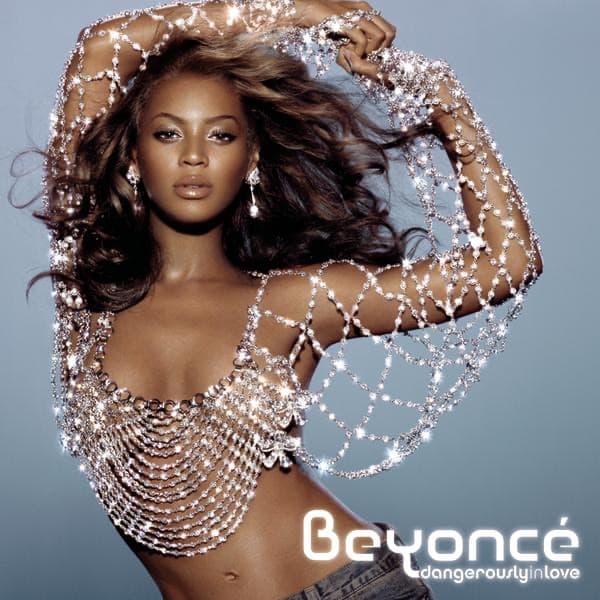
Beyoncé
Dangerously in Love

OutKast
Speakerboxxx/The Love Below

Jay-Z
The Black Album

T.I.
Trap Muzik

Kanye West
The College Dropout

Usher
Confessions

Madvillain
Madvillainy

Daddy Yankee
Barrio Fino

Kanye West
Late Registration

Young Jeezy
Let's Get It: Thug Motivation 101

J Dilla
Donuts
Clipse
Hell Hath No Fury

Kanye West
Graduation
M.I.A.
Kala

Lil Wayne
Tha Carter III

Kanye West
808s & Heartbreak

Drake
So Far Gone
Kanye West
My Beautiful Dark Twisted Fantasy
Flying Lotus
Cosmogramma
Drake
Take Care
Jay-Z and Kanye West
Watch the Throne
Kendrick Lamar
good kid, m.A.A.d city
Chance the Rapper
Acid Rap
Kanye West
Yeezus
Run the Jewels
Run the Jewels 2
Kendrick Lamar
To Pimp a Butterfly
Future
DS2
Twenty One Pilots
Blurryface
Chance the Rapper
Coloring Book
Anderson .Paak
Malibu
Kanye West
The Life of Pablo
Migos
Culture
Kendrick Lamar
DAMN.
Tyler, the Creator
Flower Boy
Jay-Z
4:44
Cardi B
Invasion of Privacy
Pusha T
DAYTONA
Mac Miller
Swimming
Bad Bunny
X 100PRE
Travis Scott
ASTROWORLD
Post Malone
beerbongs & bentleys
BTS
Love Yourself: Tear
Tyler, the Creator
IGOR
Burna Boy
African Giant
Bad Bunny
YHLQMDLG
Pop Smoke
Shoot for the Stars, Aim for the Moon
Lil Baby
My Turn
Playboi Carti
Whole Lotta Red
Little Simz
Sometimes I Might Be Introvert
Tyler, the Creator
Call Me If You Get Lost
Ice Spice
Like..?
Kendrick Lamar
GNX
Tyler, the Creator
Chromakopia
Doechii
Alligator Bites Never Heal
The Mixtape
Rapper's Delight
The Sugarhill GangFourteen and a half minutes of party rhymes over a re-played "Good Times". The Bronx pioneers hated it, and it is the moment the beat that began in a rec room in 1973 became a record the whole world could buy.
Planet Rock
Afrika Bambaataa & the Soulsonic ForceKraftwerk on a Roland TR-808. Electro is born, the 808 becomes hip-hop's band, and forty years of bass music begin here.
The Message
Grandmaster Flash and the Furious FiveBroken glass everywhere. Melle Mel over an empty synth riff, the record rap did not want and could not do without.
Walk This Way
Run-DMCRick Rubin's idea: put Aerosmith in the room. The first rap record in Billboard's top five, and the wall between rock and rap radio, kicked through.
I Know You Got Soul
Eric B. & RakimBobby Byrd's break under a rapper who never raises his voice. Rakim rewrites what an MC does in four minutes.
Straight Outta Compton
N.W.ADre's sirens, Cube's rage, and Los Angeles taking the microphone. The FBI wrote a letter. Two million people bought the record anyway.
Fight the Power
Public EnemySpike Lee asked for an anthem and got the decade's last word: Elvis, John Wayne, a boombox in Bed-Stuy, and the 1990s starting a year early.
Scenario
A Tribe Called QuestThe Native Tongues passing the mic around a room, and a nineteen-year-old Busta Rhymes stealing the record with the last verse. The golden era in five minutes.
Nuthin' but a "G" Thang
Dr. Dre feat. Snoop Doggy DoggLeon Haywood's bassline, a Moog whine, and Snoop talking from the passenger seat. G-funk arrives, and gangsta rap becomes the sound of a Saturday afternoon.
C.R.E.A.M.
Wu-Tang ClanA Charmels piano loop, Raekwon and Inspectah Deck on the stairwell, Method Man on the hook. Cash rules everything, and the Wu took the lesson to heart.
N.Y. State of Mind
NasDJ Premier's piano loop, and a twenty-year-old describing a project stairwell at night so exactly that you can smell it. The best hip-hop album ever made, track two.
Juicy
The Notorious B.I.G.Mtume's "Juicy Fruit" and a Brooklyn kid telling the story of getting out. Every rap-to-riches song since is a cover of it. Biggie at his warmest.
Dear Mama
2PacA thank-you to a Black Panther mother who had been a crack addict, without one excuse. The record that went to number one while he was in prison, and the one that explains why people loved him.
Dead Presidents
Jay-ZA Lonnie Liston Smith piano loop, a Nas line on the hook, and a hustler explaining the job as if you were an investor. The manifesto, as, and the start of an empire.
The Rain (Supa Dupa Fly)
Missy ElliottAn Ann Peebles sample, a Timbaland beat with holes in it, and Missy in an inflated trash bag through a fish-eye lens. The most imitated video of the decade and the sound of the next one.
Doo Wop (That Thing)
Lauryn HillA doo-wop piano, a rap verse for the men and a sung one for the women, and the first song to enter the Hot 100 at number one as an artist's debut. Five Grammys followed.
Rosa Parks
OutKastA harmonica breakdown, a hook about the back of the bus, and a lawsuit from Rosa Parks. The South, booed in 1995, now the most interesting place on the map.
My Name Is
EminemA Labi Siffre sample, a Dr. Dre beat and a white kid from Detroit introducing an alter ego. The decade ends with the argument about rap starting over.
The Real Slim Shady
EminemA comedian's routine about everyone in pop, over a Dre beat that sounds like a cartoon. Hip-hop is about to become the culture, and this is the sound of it not asking permission.
Ms. Jackson
OutKastAn apology to a girlfriend's mother that went to number one. Atlanta announcing it does not have to sound like New York to win, and being right.
Work It
Missy ElliottThe hook runs backwards, on purpose, over Timbaland's old-school break. The decade's most inventive hitmaker at her most inventive.
In da Club
50 CentA Dre beat and a birthday chant, from a man shot nine times. The biggest song of 2003 and gangsta rap's last imperial moment.
Jesus Walks
Kanye WestA gospel march with a military drum, from a producer nobody wanted to let rap. The church inside hip-hop, and the start of fifteen years of argument.
Crank That (Soulja Boy)
Soulja BoyA steel-drum preset on a demo copy of FL Studio and a YouTube video teaching the dance. Seven weeks at number one, and the first hit that went around every gatekeeper.
Stronger
Kanye WestDaft Punk's Harder, Better, Faster, Stronger with a rapper on top. The week this beat 50 Cent, gangsta rap's decade ended and rap went to the stadium.
Paper Planes
M.I.A.A Clash sample and a chorus of cash registers and gunshots, from a Tamil refugee who could not get a US visa. The decade's global pop record.
Lollipop
Lil WayneThe best rapper alive singing through Auto-Tune, and it went to number one. The mixtape era's king, and the sound T-Pain built becoming the sound of everything.
Heartless
Kanye WestAn 808, Auto-Tune and a rapper singing about his own grief. Critics did not know what it was; Drake, Kid Cudi and the Weeknd did. The 2010s start here.
Runaway
Kanye WestStart here. One piano note, repeated, then nine minutes of a man apologising for being himself and not stopping. The decade's biggest ego opening with its biggest confession.
Swimming Pools (Drank)
Kendrick LamarIt sounded like a party record on the radio. It is a song about drinking so you do not have to think, sung in three different voices by the same man.
Versace
MigosThree syllables to a beat, three voices trading them, one word repeated until it becomes percussion. This is where the decade's dominant rap rhythm goes national.
Alright
Kendrick LamarPharrell's hook, a Terrace Martin saxophone and a chorus that became the chant at Black Lives Matter protests. Protest music that people actually chose to sing.
No Problem
Chance the RapperA warning to record labels delivered as a gospel party, with Lil Wayne and 2 Chainz on it. It was free, there was no label, and it won a Grammy.
Bodak Yellow
Cardi BA drill beat and a Bronx bark you can identify in one syllable. The first solo woman rapper at number one since 1998, from a woman nobody in the industry had backed.
Sicko Mode
Travis ScottIt changes direction three times in five minutes and has Drake on it twice. Less a song than a ride, which is exactly what rap production became.
This Is America
Childish GambinoA gospel choir cut apart by trap drums and gunfire, with a video you cannot look away from. The first rap song to win both Record and Song of the Year.
Self Care
Mac MillerWarm, slow and about trying to be well, from a record released a month before he died. Play it for the second half, where the whole song changes key and lifts.
Lucid Dreams
Juice WRLDA Sting sample, an emo melody and a nineteen-year-old singing about heartbreak like it is a medical condition. The SoundCloud generation's biggest song and its saddest.
Dior
Pop SmokeThat voice over a sliding UK drill bassline. He was twenty when he was killed. Every drill record since is standing on this one.
The Bigger Picture
Lil BabyWritten in the week after George Floyd was murdered, with protest audio in it, and it argues with itself instead of sloganeering. The protest song 2020 actually produced.
Introvert
Little SimzA string section, a choir, and a rapper explaining she is shy. The best opening track on any British rap album this decade.
Sprinter
Central CeeTen weeks at number one in Britain, the first UK rap song to reach double figures at the top. Two Londoners, conversational and completely in control.
Not Like Us
Kendrick LamarA Mustard beat, a rap battle ended in public, and a song that became a stadium chant and then a Super Bowl centrepiece. Five Grammys and a lawsuit.
DENIAL IS A RIVER
DoechiiA therapy session with a comedian's timing over live-band jazz-rap. It made her the third woman ever to win Best Rap Album.