100 Years of Music / Genre
Funk and Disco
James Brown moved the accent to the first beat of the bar in 1965 and every instrument became a drum. Funk built the groove; disco put a kick drum on every beat and took it to the dance floor; hip-hop and house were built from the pieces.
The lineage
Funk is what happens when rhythm becomes the whole point. Soul music had kept the backbeat, the snare on two and four. James Brown’s "Papa’s Got a Brand New Bag", recorded in February 1965 and released on King that summer, shifted the weight to the One: the first beat of the bar, hit hard, with everything else, guitar, horns, bass, voice, chopped into short, percussive parts that locked around it. "Cold Sweat" (1967) stayed on one chord for most of its length. "Funky Drummer" (1970) gave Clyde Stubblefield’s break to the future. Brown had listened to New Orleans, where the Meters’ "Cissy Strut" (1969) and the second-line rhythm of the street parades were doing something similar, and to Latin music, whose clave and conga had been in Black American dance music since the mambo years.
Sly and the Family Stone, an integrated band from San Francisco, made funk psychedelic and made it pop: "Dance to the Music" (1968), "Thank You (Falettinme Be Mice Elf Agin)" (1969), with Larry Graham inventing slap bass, and There’s a Riot Goin’ On (1971), the first great record made with a drum machine. Stevie Wonder’s "Superstition" (1972) put a clavinet on the One. Then George Clinton took it to outer space. Funkadelic’s Maggot Brain (1971) and Parliament’s Mothership Connection (1975) built a mythology; "Flash Light" (1978) ran its bass line on a Moog synthesizer, and "One Nation Under a Groove" (1978) was the manifesto. Bootsy Collins, Bernie Worrell and Maceo Parker moved between Brown’s band and Clinton’s, and the whole P-Funk catalogue became G-funk’s sample bank in 1992.
Disco came from the same rhythm section by way of a different room. In New York after 1970 DJs at private lofts and gay clubs, David Mancuso at the Loft, Nicky Siano at the Gallery, played soul and funk records back to back for dancers who were Black, Latino and gay, and the music began to be made for them. Philadelphia International’s "Love Is the Message" (1973) supplied the strings and the hi-hat; the Hues Corporation’s "Rock the Boat" (1974) was the first number one; Tom Moulton invented the remix and the twelve-inch single so a song could run for eight minutes. The signature was four-on-the-floor: the kick drum on every beat, one-two-three-four, with the hi-hat opening on the offbeats. Donna Summer and Giorgio Moroder’s "I Feel Love" (1977) made that pulse entirely electronic, and Chic’s "Le Freak" (1978), Nile Rodgers and Bernard Edwards, made it the most elegant rhythm section of the decade.
Saturday Night Fever (December 1977) turned disco into the biggest music in the world, and the backlash arrived on schedule: a Chicago radio DJ blew up a crate of disco records at Comiskey Park on 12 July 1979, and the majors dropped the word within a year. The music did not stop; it went back underground and changed its name. Larry Levan at the Paradise Garage played it to a smaller room until 1987. The post-disco years produced boogie, funk with synthesizers and a slap-bass swagger; Prince’s Minneapolis sound (1999, 1982); Zapp’s talk box; Chuck Brown’s go-go in Washington; and, in Chicago, Frankie Knuckles playing disco with a drum machine underneath it, which by 1984 was called house. Chic’s "Good Times" (1979) became "Rapper’s Delight" the same year. Michael Jackson’s Off the Wall (1979) was a disco record made with Quincy Jones and nobody complained.
Funk and disco are the most sampled music in existence. James Brown is the most sampled artist of all, "Funky Drummer" the most sampled break; Dr. Dre built The Chronic (1992) on Parliament; Daft Punk built Discovery (2001) on 1970s disco and then hired Nile Rodgers for "Get Lucky" (2013). Bruno Mars’s "Uptown Funk" (2014), Dua Lipa’s Future Nostalgia (2020) and Beyoncé’s Renaissance (2022) are the same rhythm section, forty years on, still on the One. The kick drum on every beat that disco standardised is now the pulse of nearly all electronic dance music. What began as a way to make a room move is now the way rooms move.
Branches
Funk
James Brown’s invention: every instrument a drum, the accent on the One, the song as a groove rather than a melody. "Papa’s Got a Brand New Bag" (1965), "Cold Sweat" (1967), the JBs, Maceo Parker, Bootsy Collins.
Psychedelic soul
Funk and soul with fuzz guitar, studio effects and utopian lyrics. Sly and the Family Stone’s "Dance to the Music" (1968), the Temptations’ "Cloud Nine" (1968), Isaac Hayes, early Funkadelic.
New Orleans funk
The Meters’ "Cissy Strut" (1969): syncopated second-line drumming, a guitar that scratches more than it strums, and space between the notes. Allen Toussaint produced it; Dr. John and the Neville Brothers carried it.
P-Funk
George Clinton’s Parliament and Funkadelic, launched on record in 1970: heavy guitar, Moog bass, science-fiction mythology and a touring Mothership. Maggot Brain (1971), Mothership Connection (1975), "Flash Light" (1978).
Jazz-funk
Jazz players adopting funk rhythm and electric keyboards. Herbie Hancock’s Head Hunters (1973), Donald Byrd, Roy Ayers, the Crusaders. A favourite sample source for 1990s hip-hop.
Disco
Four-on-the-floor kick drum, strings, a soaring vocal and a record built for the DJ. "Rock the Boat" (1974), Donna Summer, Chic, the Bee Gees, Gloria Gaynor. Born in New York’s Black and gay clubs, sold to the whole world by 1978.
Euro disco
Disco made in Munich and Milan with synthesizers doing the work of the orchestra. Giorgio Moroder and Donna Summer’s "I Feel Love" (1977), Boney M., Cerrone. The direct ancestor of Hi-NRG, Italo and house.
Go-go
Washington, D.C.’s own funk: congas and cowbell over a relentless mid-tempo beat, played live for hours without stopping. Chuck Brown’s "Bustin’ Loose" (1978), Trouble Funk, Rare Essence, E.U.’s "Da Butt" (1988).
Boogie
Post-disco funk with synthesizers, slap bass and a drum machine, made after the industry dropped the word disco. D-Train, Kleeer, Shalamar, early Kashif. British DJs named it; house grew directly out of it.
Minneapolis sound
Prince, the Time and Jimmy Jam and Terry Lewis: funk with synthesizers replacing horns, a LinnDrum and new wave guitar. 1999 (1982) and Purple Rain (1984), then Janet Jackson’s Control (1986).
How to listen
Find the One. Count four and listen for where James Brown’s band lands: the first beat of every bar is the anchor, and everything else dances around it. Then listen to each instrument as a drum. The guitar scratches, the bass pops, the horns stab, the voice grunts. In funk nobody plays a melody for long; everybody plays rhythm.
Then feel the kick. In disco the bass drum hits on every beat, four to the bar, and the hi-hat opens between them. Put on "I Feel Love" and tap your foot: you are tapping the pulse of house, techno, trance and most of what is called EDM. Disco did not die in 1979; it became the ground floor of electronic music.
Play the samples against their sources. "Funky Drummer" (1970) then Public Enemy’s "Fight the Power" (1989). Parliament’s "Mothership Connection" (1975) then Dr. Dre’s "Let Me Ride" (1992). Chic’s "Good Times" (1979) then "Rapper’s Delight" (1979). Once you hear the loop inside the song, hip-hop opens up.
Across the decades
James Brown moves the whole band onto the one
Funk was not a genre in 1960. It was a word musicians used for a smell, a feel, something earthy. James Brown made it a way of arranging a band. On "Papa's Got a Brand New Bag" in 1965 he pushed the emphasis onto the first beat of the bar, turned the horns into a percussion section and the guitar into a scratch, and cut the chord changes down to almost nothing. "Cold Sweat", recorded in May 1967 with bandleader Pee Wee Ellis, went further: one chord for minutes at a time, and the drummer, Clyde Stubblefield, playing a pattern that would be sampled for the next fifty years.
Brown had already made the loudest live record anyone had heard, "Live at the Apollo", cut in Harlem in October 1962 with his own money because King Records did not believe in it. And in 1968, four months after King was killed, he released "Say It Loud, I'm Black and I'm Proud", a funk record with a message that landed harder than any speech.
Sly Stone took the same rhythm and integrated it, in every sense. Sly and the Family Stone were Black and white, men and women, and their records from "Dance to the Music" in 1968 through "Stand!" in 1969 sounded like the utopia the Summer of Love had promised and mostly failed to deliver. Everything in the 1970s, from Parliament to disco to hip-hop's breakbeats, starts on the one with Brown and gets its harmony from Sly.
Groove as a weapon, the beat that took over
Funk in the seventies was thick. James Brown had invented the groove in the sixties by putting every instrument on the One; now Sly Stone, George Clinton and a dozen horn bands took it further. Deep bass, tight drums, guitars played like percussion, chants instead of choruses. Sly and the Family Stone's "There's a Riot Goin' On" (1971) was funk with the lights off: murky, slow, cut with a drum machine, the sound of the sixties' hope curdling. Curtis Mayfield's "Super Fly" (1972) made funk carry a whole film's worth of social weight. The Isley Brothers put Hendrix-style guitar on it. The Ohio Players, Kool and the Gang, and Earth, Wind and Fire brought brass, sass and class to it, and Earth, Wind and Fire made it shine like a spaceship.
The spaceship was literal for Parliament-Funkadelic. George Clinton ran two bands with the same members, Parliament for the horns and hooks and Funkadelic for the guitars and acid, and in 1975 "Mothership Connection" gave the whole thing a mythology: a funk UFO come to rescue the planet. Clinton had the prop built after the record came out, and from late in 1976 a silver Mothership actually landed on stage on the P-Funk Earth Tour. Bootsy Collins, who had played bass for James Brown at nineteen, made the bass the lead instrument. A generation of hip-hop producers would sample almost nothing else.
Disco came from a different room. In February 1970 David Mancuso threw a private party called Love Saves the Day at his loft on Broadway in New York: no alcohol licence, an audiophile sound system, a mixed Black, Latin and gay crowd, and a DJ who treated the night as one long piece of music. Out of the Loft came the DJs, Larry Levan at the Paradise Garage and Nicky Siano at the Gallery, who turned the club into an instrument. Philadelphia International supplied the records: Gamble and Huff's lush strings and the drumming of Earl Young, who put the kick drum on every beat and the hi-hat on the off-beats. That four-on-the-floor pulse is disco's spine.
By 1977 the underground was the mainstream. Studio 54 opened in April. "Saturday Night Fever" arrived in December and the Bee Gees' soundtrack sold more than any album before it. Donna Summer and Giorgio Moroder's "I Feel Love" replaced the band with a Moog and pointed straight at techno. Chic's Nile Rodgers and Bernard Edwards played guitar and bass with the precision of a drum machine and left the space between the notes open. Sylvester's falsetto made gospel ecstasy explicit and queer. Gloria Gaynor's "I Will Survive" became an anthem. Village People and KC and the Sunshine Band supplied the camp and the floor-fillers. Then the backlash: on 12 July 1979 a Chicago rock DJ blew up a crate of disco records at Comiskey Park and the crowd rioted. Disco Demolition Night is usually called the night disco died. What actually happened is that it went back underground, to Chicago and Detroit, and came out again as house and techno.
Everyone remembers 1979
Funk was not a scene in the 2010s. It was a resource, and everybody raided it. Daft Punk hired Nile Rodgers, the guitarist who wrote Chic's records, and Random Access Memories in 2013 was a loving, expensive reconstruction of the way people made dance music before computers. It won Album of the Year.
Mark Ronson and Bruno Mars did the same trick with less reverence and more force: Uptown Funk, released in November 2014, sat at number one for fourteen weeks and finished the decade as the biggest song on the Billboard Hot 100 of the entire ten years. Mars followed it with 24K Magic, a full album of eighties funk and new jack swing, and swept the 2018 Grammys with it.
The serious version of this happened in Los Angeles. Thundercat, a bassist who came up in a thrash band and then played on To Pimp a Butterfly, made records that put Bootsy Collins and Herbie Hancock in the same room as trap drums. Anderson .Paak drummed and sang at the same time. Janelle Monáe wrote Make Me Feel with Prince's blessing and it sounds like it. And every trap producer in Atlanta was, whether they said so or not, still working with the low end that P-Funk built.
Timeline
James Brown records "Please, Please, Please"
In Cincinnati in 1956, a twenty-two-year-old South Carolina ex-convict raised in Augusta and his gospel-trained Famous Flames cut a song that was mostly one word, begged over and over until the begging was the point. Syd Nathan of King Records thought it was garbage and released it on his Federal subsidiary anyway. It was Brown’s first hit. Everything in funk, from the drop-to-the-knees to the one-chord vamp, is already in these two minutes and forty seconds.
Ray Charles records "What’d I Say"
It started in January 1959 as a way to fill the last twenty minutes of a dance in Brownsville, Pennsylvania, when Ray ran out of songs: a low riff on the electric piano, the drummer on his big cymbal, and the Raelettes told to repeat whatever he sang. People came off the floor asking where they could buy the record. There was no record. A few weeks later the tour reached New York and he cut it, in one long take that Atlantic split across two sides of a single. Stations banned it for the grunting. It sold a million anyway, and every soul record of the 1960s learned from it how a groove could be the whole song.
James Brown pays for his own "Live at the Apollo"
King Records did not think a live album would sell, so Brown paid the recording costs himself and taped his show at the Apollo Theater in Harlem on October 24, 1962. The record, released in May 1963, is a document of the hardest-working band in show business at full stretch: screams, false endings, a ten-minute "Lost Someone" and an audience so loud it sounds like another instrument. It went to number two on the album chart and made him a national star.
James Brown moves the beat to the one: "Papa's Got a Brand New Bag"
Recorded in February 1965 in Charlotte, North Carolina, and released that summer, "Papa's Got a Brand New Bag" put the weight of the whole band on the first beat of the bar, chopped the guitar into a rhythm instrument and used the horns as punctuation. It was a Top 10 pop hit and eight weeks at number one R&B, and it won Brown his first Grammy. Musicians heard it as a different way of counting. It is the first funk record, or close enough that the argument does not matter.
James Brown and Pee Wee Ellis cut "Cold Sweat"
Recorded in Cincinnati in May 1967 and released as a two-part single in July, "Cold Sweat" is one chord for most of seven minutes. Bandleader Alfred "Pee Wee" Ellis wrote the horn line from a Miles Davis lick; Clyde Stubblefield played a drum pattern so loose and exact that it became one of the most sampled bars in hip-hop. Brown shouts for a drum break and gets one. Funk, which "Papa's Got a Brand New Bag" had started, is finished here.
"Say It Loud, I'm Black and I'm Proud"
Martin Luther King Jr. was killed in Memphis on April 4, 1968. The next night James Brown played a scheduled show at Boston Garden that the city put out live on television to keep people at home. Boston stayed quieter that week than most American cities, and how much of that was the broadcast is argued: Mayor Kevin White holding the police back and community leaders working the streets are credited alongside it. In August he recorded "Say It Loud" in Los Angeles with a chorus of children shouting the response, and it was number one R&B for six weeks. Some white radio stations dropped him. He said later it cost him part of his audience and that he would do it again.
Sly and the Family Stone: "Everyday People" and "Stand!"
Sly Stone's band was Black and white, men and women, a trumpet player and a drummer who could both sing, and "Everyday People", number one on the pop chart in February 1969, was the mission statement. "Stand!", released in May, had "I Want to Take You Higher", "Sing a Simple Song" and a thirteen-minute jam. They played both Woodstock and the Harlem Cultural Festival that summer. Funk with harmony, psychedelia with a groove, and the last optimistic record of the decade.
Miles Davis goes electric: "In a Silent Way" and the "Bitches Brew" sessions
On February 18, 1969, Miles brought three electric keyboard players, including Herbie Hancock and Chick Corea, and the guitarist John McLaughlin into a New York studio and recorded a few long takes that producer Teo Macero spliced into two side-long pieces. "In a Silent Way" came out in July. In August, over three days, he cut the sessions for "Bitches Brew", released the following March, louder, longer and built like a rock record. Fusion, and the argument about it, start here.
The Harlem Cultural Festival
Six free Sunday concerts in Mount Morris Park from June 29 to August 24, 1969, drew close to three hundred thousand people. Stevie Wonder, Sly and the Family Stone, Nina Simone, B.B. King, Mahalia Jackson, the Staple Singers, Gladys Knight and the Pips, Mongo Santamaría and the 5th Dimension played; the Black Panthers handled security after the police declined. Forty hours of film sat in a basement for fifty years until Questlove cut it into "Summer of Soul" in 2021. It was Woodstock's equal and hardly anyone outside Harlem knew.
Woodstock
August 15 to 18, 1969, on Max Yasgur's dairy farm in Bethel, New York. The organizers expected fifty thousand; more than four hundred thousand came, the fences came down, and it became a free festival in the rain. Richie Havens opened, Santana's "Soul Sacrifice" on the Saturday made an unknown band famous, Sly played at three in the morning, and Jimi Hendrix closed on Monday morning to a thinned crowd with a "Star-Spangled Banner" full of feedback bombs and sirens. The film made it a myth. For three days the counterculture looked like a country.
Love Saves the Day: David Mancuso opens the Loft
On Valentine's night 1970 David Mancuso throws an invitation-only party in his loft at 647 Broadway in Manhattan. No liquor licence, no bar, an audiophile sound system, balloons, and a mixed Black, Latin and gay crowd dancing until morning. The DJ as storyteller and the club as a sanctuary both start here. Larry Levan and Nicky Siano learn the trade on this floor, and disco's underground has a template years before the word is on a record.
Marvin Gaye, "What's Going On"
Berry Gordy called the title song the worst record he had ever heard and refused to release it. Gaye refused to record anything else. The single sold two million copies, and the album, released 21 May 1971, is a suite: Vietnam, heroin, the inner city, the ecology, God, sung in Gaye's own layered harmonies over the Funk Brothers and a Detroit Symphony string section. Motown's assembly line has just been overruled by an artist, and soul becomes an album form.
Isaac Hayes scores "Shaft"
Stax's biggest star writes and records the score for Gordon Parks's "Shaft", released in July 1971. The theme is a hi-hat, a wah-wah guitar, and a bass line that walks in like the man himself, and Hayes's spoken vocal is a comic-book boast. It wins the Academy Award for Best Original Song, the first for a Black composer, and it makes funk the sound of the movies for the rest of the decade.
Sly and the Family Stone, "There's a Riot Goin' On"
The band that sang "Everyday People" at Woodstock releases, in November 1971, an album recorded largely by Sly alone in a Bel Air mansion, overdubbing over a Maestro Rhythm King drum machine, the tape worn thin from reuse. "Family Affair" goes to number one and sounds like a hangover. The record is murky, slow and paranoid, the sound of the sixties' integration dream curdling. It is also the first great record built on a drum machine, and funk's darkest hour.
Curtis Mayfield, "Super Fly"
Mayfield writes a soundtrack for a film about a cocaine dealer and makes it a critique of the film. Released in July 1972, "Super Fly" outgrosses the movie. "Freddie's Dead" and "Pusherman" are funk with a conscience: falsetto, wah-wah, congas and lyrics about what the drug trade does to a neighbourhood. Alongside "Shaft" it makes the soul soundtrack an art form, and it is one of the most sampled records of the hip-hop era.
Wattstax: a hundred thousand people for a dollar
On 20 August 1972 Stax Records fills the Los Angeles Memorial Coliseum for a concert marking seven years since the Watts uprising. Tickets are a dollar. Jesse Jackson leads the crowd in "I am somebody", the Staple Singers, Isaac Hayes, Albert King, Rufus Thomas and the Bar-Kays play, and Mel Stuart films it. It is the largest gathering of Black Americans outside a civil rights event to that date, and the film is now in the National Film Registry.
Stevie Wonder, "Talking Book", and "Superstition"
Wonder turned twenty-one in 1971, let his Motown contract lapse, and came back with full creative control and a bank of synthesizers programmed by Malcolm Cecil and Robert Margouleff. "Talking Book", released in October 1972, opens with "You Are the Sunshine of My Life" and holds "Superstition", a riff played on a Hohner clavinet through a wah pedal, with Wonder on drums, that goes to number one. It is the first of five albums in five years that no other artist of the decade matches.
Kool Herc plays 1520 Sedgwick Avenue
On 11 August 1973 Cindy Campbell rents the rec room of her apartment building in the West Bronx for a back-to-school party. Her brother Clive, DJ Kool Herc, eighteen, born in Kingston, plays the breaks: the drum sections of funk records, cut back to back on two turntables so the dancers never have to stop. There is no record of this night except the people who were there. It is the date hip-hop calls its birthday.
Stevie Wonder, "Innervisions"
Released 3 August 1973. "Living for the City" is a seven-minute story of a boy from Mississippi arrested in New York, with a radio play in the middle; "Higher Ground" is clavinet funk about reincarnation; "Too High" and "Jesus Children of America" are about the drugs. Three days after release Wonder is in a car crash that leaves him in a coma for days. He recovers, and "Innervisions" wins Album of the Year.
Herbie Hancock, "Head Hunters"
Released 26 October 1973. Hancock had been listening to Sly and James Brown and wanted a band that grooved before it thought. "Chameleon" opens with an ARP Odyssey bass line and rides it for fifteen minutes; "Watermelon Man" is rebuilt around Bill Summers blowing across a beer bottle like a Pygmy hindewhu whistle. It becomes the best-selling jazz album ever made, until George Benson three years later, and a foundation stone of hip-hop production.
Donna Summer, "Love to Love You Baby"
A seventeen-minute version of a song Summer had cut in Munich with Giorgio Moroder and Pete Bellotte, extended at the request of Casablanca Records boss Neil Bogart so that it would fill a side. It is mostly sighs and moans over a slow disco pulse, and radio bans it, and it goes top three. Summer becomes disco's first international star, and Moroder learns that a groove can be a whole record.
Parliament, "Mothership Connection"
Released 15 December 1975. George Clinton, with Bootsy Collins on bass, Bernie Worrell on synthesizers and the Horny Horns fresh from James Brown's band, invents a myth: a funk spaceship come to rescue the planet, piloted by Star Child. "Give Up the Funk (Tear the Roof off the Sucker)" and "P. Funk (Wants to Get Funked Up)" become chants. Clinton commissions a Mothership after the record is out, and from late in 1976 the silver prop lands on stage on the P-Funk Earth Tour. Hip-hop will sample this record more than almost any other.
The first twelve-inch single goes on sale
Tom Moulton, who had been making extended mixes on reel-to-reel for Fire Island discos, worked out that cutting a single onto a bigger disc gave it wider grooves and a louder, punchier sound, with room for a longer track. In 1976 Salsoul puts Walter Gibbons's nine-minute mix of Double Exposure's "Ten Percent" in shops: the first commercially released twelve-inch single. The DJ now has a format of his own, and the remix becomes a way of making records rather than a way of playing them.
Stevie Wonder, "Songs in the Key of Life"
Two years late and released 28 September 1976 as a double LP with a bonus seven-inch, it debuts at number one, only the third album ever to do so. "Sir Duke", "I Wish", "Isn't She Lovely", "As", "Pastime Paradise" with its choir and Hare Krishnas, "Village Ghetto Land" on a synthesizer string section. It is the end of a five-year run nobody in pop has matched, and Wonder wins his third Album of the Year Grammy in four years.
Studio 54 opens
Steve Rubell and Ian Schrager open a nightclub in a former CBS television theatre on West 54th Street on 26 April 1977. Bianca Jagger rides in on a white horse a week later. The door policy, the celebrities and the balcony make disco a spectacle for the rich; the DJs and dancers at the Loft and the Paradise Garage, who invented the music, watch the world confuse the two. In December 1978 the IRS raids it, and the owners go to prison for tax evasion.
Donna Summer and Giorgio Moroder, "I Feel Love"
Released 2 July 1977, made in Munich on a Moog modular synthesizer borrowed from the composer Eberhard Schoener. Moroder and Pete Bellotte sequence a bass line that pulses for the whole record and delay it to make it gallop; there is no band, only Summer's voice floating over the machine. Brian Eno, in Berlin with David Bowie, says he has heard the sound of the future. He is right: house, techno and synth-pop all start here.
"Saturday Night Fever" and the Bee Gees
The soundtrack is released 15 November 1977, a month before the film, with the Bee Gees' "Stayin' Alive", "Night Fever" and "How Deep Is Your Love" alongside the Trammps, Tavares and KC and the Sunshine Band. John Travolta walking down a Brooklyn street to Barry Gibb's falsetto makes disco the mainstream of the world. The double album spends twenty-four weeks at number one and sells more than forty million copies, and three brothers from the Isle of Man are the biggest act in pop.
Sylvester, "You Make Me Feel (Mighty Real)"
A gospel-trained falsetto from Los Angeles, out and flamboyant, records in San Francisco with Harvey Fuqua producing and makes the decade's most joyful disco record: a synthesizer pulse borrowed from "I Feel Love" and a voice that testifies. It is a top-forty hit and a number-one club record, and it puts the queer Black church that disco came out of on the radio without apology. Patrick Cowley, who heard a rehearsal and asked to remix it, points the sound toward hi-NRG and house.
The Paradise Garage officially opens
After a year of "construction parties" in a former parking garage at 84 King Street in SoHo, Michael Brody's club opens fully on 28 January 1978 with Larry Levan as its only DJ. No liquor, a Richard Long sound system tuned like a studio, and a mostly Black and gay membership who come for Levan's three-hour stories in records. "Garage" becomes the name of a whole style of dance music. It runs until 1987.
Blondie, "Parallel Lines"
Released in September 1978, produced by Mike Chapman, who had made glam hits for Sweet. Debbie Harry, a former Playboy bunny and CBGB regular, sings power pop, girl-group revival and, on "Heart of Glass", a disco song with a Roland rhythm box, which goes to number one on both sides of the Atlantic in 1979. Punk purists call it a betrayal. It is new wave finding out that it can be pop.
Chic, "Le Freak"
Turned away from Studio 54 on New Year's Eve 1977 despite a guest-list promise from Grace Jones, Nile Rodgers and Bernard Edwards go home and write a song whose original chorus is unprintable. Rewritten as "Le Freak" and released in September 1978, it sells more than six million copies, Atlantic's biggest-selling single ever. Rodgers's choppy rhythm guitar and Edwards's bass are the tightest thing in pop, and disco has its best band.
Chic, "Good Times"
Released in June 1979: Bernard Edwards's bass line, an octave-jumping figure that a whole generation of bass players will learn first, and Nile Rodgers's guitar, with lyrics that quote the Depression. It goes to number one in August. Within weeks the Sugarhill Gang are rapping over a re-played version of it, Queen borrow it for "Another One Bites the Dust", and the bass line becomes the most copied in pop.
Disco Demolition Night
On 12 July 1979 Chicago rock DJ Steve Dahl and the White Sox let fans into Comiskey Park for ninety-eight cents and a disco record. Between games of a doubleheader Dahl blows up a crate of records in centre field. Thousands rush the field, light fires and tear up the turf; the second game is forfeited. The backlash had a racial and homophobic edge that many have named since. Radio drops disco within months, and the music goes back underground to Chicago and Detroit clubs, where it becomes house and techno.
The Fatback Band, "King Tim III (Personality Jock)"
On 25 July 1979 a New York funk band puts a rap on the B-side of its single "You're My Candy Sweet". King Tim III, a radio-style jock, rhymes over the band in the manner of the Bronx parties and of the jive-talking DJs before them. Nobody notices until "Rapper's Delight" arrives two months later, at which point it becomes the answer to the trivia question of the first rap record on a commercial release.
Michael Jackson, "Off the Wall"
Released 10 August 1979. Jackson, twenty, has met producer Quincy Jones on the set of "The Wiz" and asks him to make his first adult record. "Don't Stop 'Til You Get Enough", which Jackson wrote, opens with a whispered count-in and a falsetto shriek over a disco groove played by the best session band in Los Angeles; "Rock with You" is Rod Temperton's. Four top-ten singles, the first album ever to do that. The 1980s' biggest star has clocked in.
The Sugarhill Gang, "Rapper's Delight"
Sylvia Robinson, a former soul singer who runs a small New Jersey label, hears rapping at a Harlem club and cannot find a Bronx DJ willing to put it on record. She auditions three unknowns in a car outside a pizza shop in Englewood and has a house band re-play Chic's "Good Times". Released 16 September 1979, the twelve-inch runs fourteen and a half minutes and sells millions. The Bronx pioneers are furious that outsiders got there first. Hip-hop is on vinyl, and the next chapter starts.
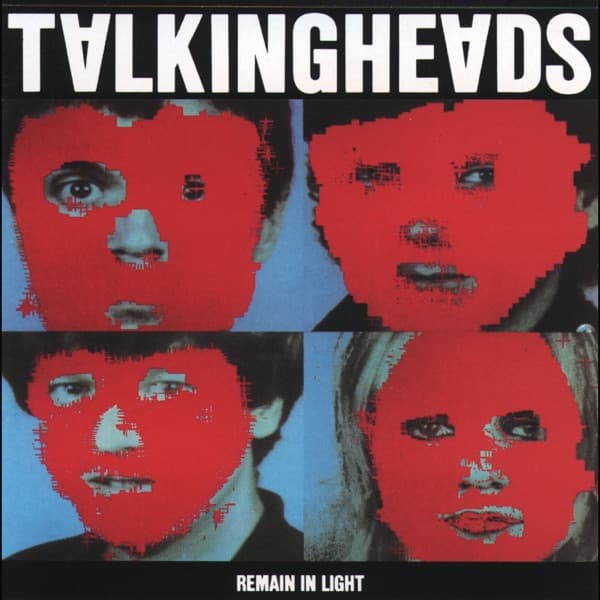
Talking Heads release "Remain in Light"
Recorded at Compass Point in the Bahamas with Brian Eno, built from looped Afrobeat grooves after the band had been listening to Fela Kuti, and finished with Adrian Belew's guitar and David Byrne's improvised, sermon-like lyrics. Released on 8 October 1980. "Once in a Lifetime" is on it. Art rock had found the dance floor.
Prince releases "1999"
A double album from Minneapolis on Linn drums and Oberheim synths, with "Little Red Corvette" and the title track. MTV played the videos, the album sold millions, and Prince reached the crossover audience he would explode with "Purple Rain". The "Minneapolis sound" had its manifesto.
Michael Jackson releases "Thriller"
Jackson and Quincy Jones sifted hundreds of songs down to nine, then sequenced them like a film. "Beat It" carried an Eddie Van Halen solo; "Billie Jean" a bassline everyone on earth can hum. Released in the autumn of 1982 into the worst year the record business had seen, it became the best-selling album in history within fifteen months and won eight Grammys in 1984.
Frankie Knuckles leaves the Warehouse for the Power Plant
From March 1977 Knuckles had played the Warehouse at 206 South Jefferson Street in Chicago, re-editing disco on tape for a Black, mostly gay membership crowd; record shops called what they sold "Warehouse music", then "house". In spring 1983 he left to open the Power Plant, and Ron Hardy took over the harder room, the Music Box. The city now had two engines.
Prince releases "Purple Rain"
The soundtrack to a film in which Prince plays himself, built from sessions between March 1983 and March 1984 on Oberheim and DX7 synths and a Linn LM-1, with the title track, "I Would Die 4 U" and "Baby I'm a Star" taken from a live show at First Avenue in Minneapolis on 3 August 1983. Twenty-four straight weeks at number one, four top-ten singles, an Oscar, and "Darling Nikki", which sent Tipper Gore to the Senate.
Janet Jackson releases "Control"
The youngest Jackson fired her father as manager, flew to Minneapolis and made an album with Jimmy Jam and Terry Lewis, the ex-Time producers, in their Flyte Tyme studio: clipped synth stabs, hard drum machines and a title that meant what it said. Five top-five singles. The sound of R&B for the rest of the decade.
U2 release "The Joshua Tree"; Prince releases "Sign o' the Times"
Two March 1987 albums at opposite ends of the tent. U2, with Eno and Lanois, wrote about America from the outside and became the biggest band in the world; "With or Without You" was their first number one. Prince, having disbanded the Revolution in October 1986, made a double album alone that covered AIDS, crack, gospel and jazz. Time magazine put U2 on its cover.
Dr. Dre, "The Chronic"
Released 15 December 1992 on Death Row, the label Dre and Suge Knight had built after N.W.A fell apart. Parliament-Funkadelic bass played live, a whining Moog lead, tempos slow enough to drive to, and a twenty-one-year-old Snoop Doggy Dogg on nearly every track. G-funk. The record sold three million copies in a year and turned gangsta rap into the sound of American radio, which had never played it.
Snoop Doggy Dogg, "Doggystyle"
Released 23 November 1993 and the first debut album to enter the Billboard 200 at number one. Dre produced it as the sequel to "The Chronic"; Snoop drawled "Gin and Juice" and "Who Am I (What's My Name)?" while awaiting trial for murder, of which he was later acquitted. The record made Death Row the most powerful label in rap and its owner, Suge Knight, the most feared man in it.
OutKast, "Southernplayalisticadillacmuzik"
Released 26 April 1994 on LaFace, two teenagers from East Point, Atlanta, produced by Organized Noize in a basement they called the Dungeon. Live bass, Cadillac funk, a drawl New York had never taken seriously. "Player's Ball" had already been a hit the previous Christmas. It marks the start of the ATL shift. The Rock Hall's own page dates the record to 1993, and misdates "Aquemini" and "Stankonia" by a year as well; the LaFace release was April 1994. Within four years the South would be the center of the map.
2Pac, "All Eyez on Me"
Suge Knight put up Shakur's 1.4 million dollar bail in October 1995 and Tupac walked out of prison into a Death Row studio. "All Eyez on Me", released 13 February 1996, was hip-hop's first double album, twenty-seven tracks recorded in about two weeks, with "California Love" and "How Do U Want It" on top. It sold five million copies in a year. He would live seven more months.
Daft Punk, "Homework"
Released 20 January 1997 on Virgin. Two Parisians in their early twenties, Thomas Bangalter and Guy-Manuel de Homem-Christo, filtered Chicago house and 1970s disco through cheap samplers in a bedroom, and "Da Funk" and "Around the World" became the sound of every club in the world. French touch, the press called it. Air's "Moon Safari" arrived a year later and made the same city sound like a spaceship lounge. Paris had not mattered in pop since Gainsbourg. Now it did.
Kirk Franklin and God's Property, "Stomp"
A choir from Dallas, a Funkadelic sample ("One Nation Under a Groove"), a rap from Salt-N-Pepa's Cheryl James, and a video that MTV played like it was a rap hit, which it was. "Stomp" went to number one on the R&B airplay chart in the summer of 1997 and its album entered the Billboard 200 at number three. It won Best Gospel Choir or Chorus Album at the 1998 Grammys, and it did it with a record that radio played like R&B. The church had come to the club and the club stood up.
OutKast, "Aquemini"
Released 29 September 1998. Big Boi and André 3000 were now producing themselves, playing live instruments and writing about Rosa Parks, aliens, and what happens to a neighborhood when the money leaves. Rosa Parks sued over the single named after her. Rolling Stone puts it twenty-seventh on its hip-hop list and they rewrote the rules. Three years after the Source Awards booed them, the South was the most interesting place on the map.
D'Angelo's Voodoo
Released 25 January 2000 after four years at Electric Lady Studios with the Soulquarians, Voodoo is the record where neo-soul stopped being a marketing term. The grooves drag behind the beat on purpose, a trick Questlove and J Dilla built together, and the video for Untitled (How Does It Feel), one long take of D'Angelo's torso, made him a sex symbol he spent the next decade running from. Billboard called 2000 the year neo-soul had its moment, and its peak.
OutKast's Stankonia
Released 31 October 2000 from the Atlanta studio the duo had just bought, Stankonia was techno-psychedelic funk with a drum-and-bass single, B.O.B., that radio did not know what to do with. Ms. Jackson, an apology to Erykah Badu's mother, went to number one. It won Best Rap Album at the Grammys in February 2002, broke OutKast to the mainstream, and told the rest of the South it did not have to sound like New York to win.
Daft Punk's Discovery
Released 12 March 2001, Discovery moved Daft Punk from the raw Chicago house of Homework to a record built from disco, soft rock and childhood memories of the radio. One More Time, with Romanthony's Auto-Tuned vocal, was the decade's first great dance-pop single, and Harder, Better, Faster, Stronger would be sampled by Kanye West six years later. Every Ed Banger record, every blog-house remix and half of EDM starts here.
OutKast: Speakerboxxx/The Love Below
Released 23 September 2003, it was two solo albums in one box: Big Boi's funk and Atlanta bass on Speakerboxxx, André 3000's Prince-and-Stevie pop on The Love Below. I call Hey Ya! the decade's happiest single, and The Way You Move went to number one behind it. It won Album of the Year at the Grammys on 8 February 2004, one of the very few rap records to do so, and finished 2004 as the second best-selling album in America. OutKast never made another proper album together.
Michael Jackson dies
Jackson died at his rented house in Holmby Hills, Los Angeles, on 25 June 2009, of an overdose of the anesthetic propofol given by his personal doctor, weeks before fifty comeback shows in London. He was fifty. The Guardian's reporting that week tracked the doctor hiring a lawyer as the family hired its own pathologist. Twitter and Google buckled under the traffic; his records outsold every living artist that summer. The decade that had made pop out of hip-hop and producers ended by burying the man whose records had set the terms for it.
Daft Punk release Random Access Memories
Two French robots who had built a career on samplers hired Nile Rodgers, Giorgio Moroder and a room of Los Angeles session players and made an album about how records used to be made. Get Lucky was the song of that summer. It won Album of the Year at the 2014 Grammys, beating Kendrick Lamar, and the argument about that has never quite stopped.
Uptown Funk
Mark Ronson and Bruno Mars made a record that sounds like 1981 and behaves like a hit from any era: fourteen weeks at number one, and the biggest song of the entire decade on the Billboard Hot 100. It won Record of the Year in 2016. Nothing about it was new and that was the whole design.
D'Angelo returns with Black Messiah
After fourteen years of silence, D'Angelo and the Vanguard released Black Messiah in December 2014, pushed forward because a grand jury had declined to indict the officer who shot Michael Brown in Ferguson. The grooves are loose and smeared, the politics are explicit, and it won Best R&B Album at the 2016 Grammys.
The Blurred Lines verdict
On 10 March 2015 a Los Angeles jury found that Robin Thicke and Pharrell Williams had infringed Marvin Gaye's Got to Give It Up, awarding the Gaye family 7.4 million dollars. What made it frightening for musicians was that the verdict was about feel, not melody. Every producer in the business started keeping notes about what they were listening to.
To Pimp a Butterfly
Kendrick Lamar followed a great rap album with a free-jazz, P-Funk and spoken-word record about depression, survivor guilt and Black America, with Kamasi Washington, Thundercat and Terrace Martin playing on it. Alright became the chant at Black Lives Matter protests. It won Best Rap Album in 2016 and is the most ambitious record any American made in the decade. Billboard's decade-end album list prints 2016 against it; the first commercial issue was March 2015.
Prince dies
He was found dead at Paisley Park on 21 April 2016 of an accidental fentanyl overdose, aged fifty-seven. He had played a solo piano tour weeks earlier. Because he had kept his music off streaming for years, most of the world could not immediately play the records, which made the loss feel oddly physical.
Solange's A Seat at the Table
A quiet, beautifully arranged album about anger: the exhaustion of being watched, the politics of hair, the right to be tired. Cranes in the Sky had been written eight years earlier and finally fitted. It went to number one, and it made clear that the calmest record in the room could also be the angriest.
Bruno Mars sweeps the Grammys and the Academy sets itself on fire
24K Magic took Album, Record and Song of the Year in January 2018 over Kendrick Lamar's DAMN. and Jay-Z's 4:44. Backstage, the Academy's president Neil Portnow said women needed to step up if they wanted to be recognised, in a year when Lorde was the only woman nominated for Album of the Year and was not offered a solo performance. Four months later he announced he would not seek a new contract, and he left in 2019.
This Is America
Childish Gambino released a song and a video on the same night in May 2018, a gospel choir cut apart by trap drums and gunfire, with Donald Glover dancing through a warehouse while chaos happens behind him. It went straight to number one and won Record of the Year and Song of the Year at the 2019 Grammys, the first rap song ever to do either.
Dua Lipa releases Future Nostalgia into an empty world
Future Nostalgia came out on 27 March 2020, a disco record made for rooms that had just been closed. Dua Lipa considered delaying it and did not. It won Best Pop Vocal Album at the 2021 Grammys, and for two years it was what people played in kitchens instead of clubs. Nostalgia was the whole idea; the timing made it accidental therapy.
Daft Punk break up
On 22 February 2021 Daft Punk posted an eight-minute clip in which one helmeted robot detonates the other, captioned Epilogue, and that was the end. For twenty-eight years they had connected French filter house to disco, to Kanye West, to EDM and back again. Their split is the closing bracket on an era of dance music that had a face, even if the face was a helmet.
Beyoncé's Renaissance sends the credits to the source
Released 29 July 2022, Renaissance is a house and disco record that traces Black dance music back through ballroom, Chicago house and 1970s New York, and puts the pioneers in the credits rather than the samples. It arrived when everyone was desperate to dance again, and in August 2022 it put her at number one on the Billboard 200 and the Hot 100 in the same week.
Brian Wilson and Sly Stone die two days apart
Sly Stone died on 9 June 2025, aged 82, after a long illness. Brian Wilson died on 11 June, also 82. Between them they invented most of what a pop record could be in the 1960s: Wilson made the studio an instrument, Stone put a multiracial band on stage and made funk out of gospel and rock. Losing both inside three days felt like a door closing on the century this project has been walking through.
Artists
Everyone in the century tagged Funk and Disco, in the order they arrived. Each name opens its full entry in the chapter that carries it.
James Brown
- Please, Please, Please
- Try Me
- Think
James Brown
- Live at the Apollo
- Papa's Got a Brand New Bag
- Cold Sweat
- Say It Loud, I'm Black and I'm Proud
Stevie Wonder
- Fingertips
- Uptight (Everything's Alright)
- For Once in My Life
The Temptations
- My Girl
- Ain't Too Proud to Beg
- Cloud Nine
Miles Davis
- E.S.P.
- Miles Smiles
- In a Silent Way
- Bitches Brew
Jimi Hendrix
- Are You Experienced
- Axis: Bold as Love
- Electric Ladyland
Sly and the Family Stone
- Dance to the Music
- Stand!
- There's a Riot Goin' On
Curtis Mayfield
- Curtis
- Super Fly
Miles Davis
- Bitches Brew
- A Tribute to Jack Johnson
- On the Corner
Michael Jackson
- ABC (The Jackson 5)
- Off the Wall
- Don't Stop 'Til You Get Enough
Marvin Gaye
- What's Going On
- Let's Get It On
- I Want You
Sly and the Family Stone
- There's a Riot Goin' On
- Fresh
Parliament-Funkadelic
- Maggot Brain
- Mothership Connection
- One Nation Under a Groove
Stevie Wonder
- Talking Book
- Innervisions
- Songs in the Key of Life
DJ Kool Herc
- The Merry-Go-Round (live, 1520 Sedgwick Avenue)
Herbie Hancock
- Head Hunters
- Thrust
- Chameleon
Earth, Wind and Fire
- That's the Way of the World
- All 'n All
- September
Donna Summer
- Love to Love You Baby
- I Feel Love
- Bad Girls
Bee Gees
- Main Course
- Saturday Night Fever
Weather Report
- Heavy Weather
- Black Market
ABBA
- Arrival
- ABBA: The Album
- Dancing Queen
Talking Heads
- Talking Heads: 77
- Fear of Music
- Psycho Killer
Chic
- C'est Chic
- Risqué
- Good Times
Sylvester
- Step II
- You Make Me Feel (Mighty Real)
Blondie
- Parallel Lines
- Eat to the Beat
- Heart of Glass
Talking Heads
- Once in a Lifetime
- Burning Down the House
- This Must Be the Place (Naive Melody)
Miles Davis
- The Man with the Horn
- Time After Time
- Tutu
Michael Jackson
- Billie Jean
- Beat It
- Thriller
- Man in the Mirror
Prince
- 1999
- When Doves Cry
- Purple Rain
- Sign o' the Times
Afrika Bambaataa
- Planet Rock
- Looking for the Perfect Beat
- Renegades of Funk
Janet Jackson
- Nasty
- What Have You Done for Me Lately
- Rhythm Nation
Frankie Knuckles
- Your Love
- Baby Wants to Ride
- Tears
Red Hot Chili Peppers
- Blood Sugar Sex Magik
- Californication
Dr. Dre
- The Chronic
- 2001
Snoop Dogg
- Doggystyle
- Tha Doggfather
OutKast
- Southernplayalisticadillacmuzik
- ATLiens
- Aquemini
D'Angelo
- Brown Sugar
Daft Punk
- Homework
OutKast
- Stankonia
- Speakerboxxx/The Love Below
- Hey Ya!
D'Angelo
- Voodoo
- Untitled (How Does It Feel)
Daft Punk
- Discovery
- One More Time
- Alive 2007
Janelle Monáe
- The ArchAndroid
- Dirty Computer
Kendrick Lamar
- good kid, m.A.A.d city
- To Pimp a Butterfly
- DAMN.
Bruno Mars
- Unorthodox Jukebox
- 24K Magic
- Uptown Funk
Beyoncé
- Beyoncé
- Lemonade
- Formation
Daft Punk
- Random Access Memories
- Get Lucky
Thundercat
- Drunk
- Them Changes
Solange
- A Seat at the Table
- When I Get Home
Anderson .Paak
- Malibu
- Ventura
Kaytranada
- Bubba
- Timeless
- Witchy
Silk Sonic
- An Evening with Silk Sonic
- Leave the Door Open
- 777
Beyoncé
- Renaissance
- Cowboy Carter
- Texas Hold 'Em
Records
Every record in the century tagged Funk and Disco, oldest first. Each title opens its write-up in its own decade.

James Brown
Live at the Apollo

The Jimi Hendrix Experience
Electric Ladyland
Sly and the Family Stone
Stand!

Marvin Gaye
What's Going On
Sly and the Family Stone
There's a Riot Goin' On
Curtis Mayfield
Super Fly

Stevie Wonder
Talking Book

Stevie Wonder
Innervisions

Herbie Hancock
Head Hunters

Parliament
Mothership Connection

Stevie Wonder
Songs in the Key of Life

Bee Gees and Various Artists
Saturday Night Fever

Weather Report
Heavy Weather

Blondie
Parallel Lines

Michael Jackson
Off the Wall
Talking Heads
Remain in Light

Michael Jackson
Thriller
Prince and the Revolution
Purple Rain

Janet Jackson
Control

Prince
Sign o' the Times
Dr. Dre
The Chronic
Snoop Doggy Dogg
Doggystyle

D'Angelo
Brown Sugar

2Pac
All Eyez on Me

Daft Punk
Homework

OutKast
Aquemini

OutKast
Stankonia

D'Angelo
Voodoo

Daft Punk
Discovery

OutKast
Speakerboxxx/The Love Below
Daft Punk
Random Access Memories
D'Angelo and the Vanguard
Black Messiah
Kendrick Lamar
To Pimp a Butterfly
Solange
A Seat at the Table
Anderson .Paak
Malibu
Thundercat
Drunk
Janelle Monáe
Dirty Computer
Dua Lipa
Future Nostalgia
Silk Sonic
An Evening with Silk Sonic
Beyoncé
Renaissance
Kaytranada
Timeless
The Mixtape
Papa's Got a Brand New Bag
James BrownCount it. The weight is on the one, the guitar is a drum, the horns are punctuation. Funk starts here, and so, eventually, does hip-hop.
Everyday People
Sly and the Family StoneOne bass note for the whole song, a nursery-rhyme chorus, and a mixed-race band singing that different strokes work for different folks. The utopia the decade promised, for two minutes and twenty seconds.
Family Affair
Sly and the Family StoneA number-one single that sounds like a hangover: drum machine, Bobby Womack's guitar, Sly mumbling about a family that cannot hold together. Start here because the sixties end here.
I Feel Love
Donna SummerA Moog bass line that never stops, delayed to gallop, and a voice floating over it. Eno heard the future in it and he was right: house, techno and synth-pop all start on this record.
Stayin' Alive
Bee GeesA drum loop made from two bars of another song, Barry Gibb's falsetto, and John Travolta walking down a Brooklyn street. The exact tempo, it turns out, for CPR.
Flash Light
ParliamentBernie Worrell plays the bass line on a Minimoog, and the whole of G-funk, Zapp and a decade of hip-hop follows from that decision. P-Funk's first number-one R&B single.
Good Times
ChicBernard Edwards's bass line. Learn it and you can play "Rapper's Delight", "Another One Bites the Dust" and half of the next decade. The last great disco single and the first hip-hop hit's foundation.
Get Lucky
Daft PunkNile Rodgers plays the guitar, Pharrell sings, and two French robots make the case that a record played by humans in a room still beats anything else.
Uptown Funk
Mark RonsonFourteen weeks at number one and the biggest song of the entire decade on the American chart. Nothing about it was new and that was the entire design.
BREAK MY SOUL
BeyoncéRobin S.'s organ stab and a New Orleans bounce record in the same breath, with the pioneers named in the credits. The summer everyone wanted to dance again.