100 Years of Music / Genre
R&B and Soul
Billboard put the name "rhythm and blues" on Black popular music in 1949. Add the church and it became soul; add Detroit and Memphis and it became the sound of the 1960s. It has been the voice of the American chart ever since.
The lineage
In June 1949 Billboard renamed its "Race Records" chart "Rhythm & Blues" at the suggestion of a young reporter named Jerry Wexler. The music the name described was already there: Louis Jordan’s jump blues had topped the chart for most of the decade, Wynonie Harris’s "Good Rockin’ Tonight" (1948) and Roy Brown’s original were rocking before anyone said rock, and in New Orleans Fats Domino’s "The Fat Man" (1949) put boogie-woogie piano over a drummer playing the backbeat. Independent labels did the work: Atlantic (founded 1947, Wexler joined in 1953), Chess in Chicago, Specialty and Imperial in Los Angeles, King in Cincinnati. R&B was the blues with a beat and a horn section, sung for a Saturday night.
Two things happened to it in the 1950s. Vocal groups took gospel quartet harmony onto street corners: the Orioles’ "It’s Too Soon to Know" (1948), the Chords’ "Sh-Boom" (1954), the Penguins’ "Earth Angel" (1954). We call it doo-wop. And Ray Charles took the church itself. "I Got a Woman" (1954) was a gospel song with the words changed, and "What’d I Say" (1959) was a Pentecostal service with a Wurlitzer. Sam Cooke left the Soul Stirrers and had a pop number one with "You Send Me" in 1957. James Brown’s "Please, Please, Please" (1956) was a scream from the pulpit. By the early 1960s this gospel-shaped R&B had a name: soul.
The 1960s belonged to two cities. Berry Gordy founded Tamla in Detroit on 12 January 1959, and Motown’s first million-seller, the Miracles’ "Shop Around", came in 1960. The Funk Brothers played, Holland-Dozier-Holland wrote, and the Supremes had twelve number ones between 1964 and 1969. Gordy called it the Sound of Young America, and he meant all of it. In Memphis, Stax (named 1961) ran on an integrated house band, Booker T. & the MG’s, and made "Green Onions" (1962), Otis Redding, and Sam & Dave’s "Soul Man" (1967). Atlantic sent Wilson Pickett and then Aretha Franklin to Muscle Shoals and Memphis; "Respect" (1967) came out of those sessions. Soul was the music of the civil rights years: Cooke’s "A Change Is Gonna Come" (1964), Curtis Mayfield’s "People Get Ready" (1965), and James Brown holding Boston together on television the night after Dr. King was killed in April 1968.
The 1970s made the album the unit. Marvin Gaye’s What’s Going On (1971), Stevie Wonder’s run from Talking Book (1972) to Songs in the Key of Life (1976), Isaac Hayes’s Hot Buttered Soul (1969), Al Green at Hi Records. Philadelphia International, founded by Gamble and Huff in 1971, put strings and a hi-hat under the O’Jays and Harold Melvin, and its house band’s "TSOP" (1974) was disco a year early. Smokey Robinson’s A Quiet Storm (1975) named the late-night radio format that carried Luther Vandross and Anita Baker through the 1980s. Then Michael Jackson’s Off the Wall (1979) and Thriller (1982), Prince’s 1999 (1982) and Purple Rain (1984) and Whitney Houston (1985) made R&B the biggest music in the world, and Teddy Riley’s new jack swing, named in 1987, married it to hip-hop’s drum machines.
Hip-hop has been R&B’s partner ever since. Mary J. Blige’s What’s the 411? (1992) put a soul singer over rap beats and called it hip-hop soul; TLC, Boyz II Men and Jodeci sold tens of millions. D’Angelo’s Brown Sugar (1995), Erykah Badu’s Baduizm (1997) and Lauryn Hill’s The Miseducation (1998) reached back to the 1970s and were labelled neo-soul. Beyoncé, Usher’s Confessions (2004) and Alicia Keys ran the 2000s. Then The Weeknd’s House of Balloons and Frank Ocean’s Nostalgia, Ultra (both 2011) slowed it down, darkened it and put it in a bedroom, and SZA’s Ctrl (2017) and SOS (2022) made that the mainstream. The through-line from 1949 is the voice: melisma, the church’s ornament, and a singer who means every word.
Branches
Doo-wop
Gospel quartet harmony sung on street corners and in subway stations, with nonsense syllables standing in for instruments. The Orioles (1948), the Ravens, the Chords, the Penguins, Frankie Lymon. Where vocal groups learned their craft.
Rhythm and blues
Jump blues, New Orleans piano and shouting singers on independent labels, named by Billboard in June 1949. Louis Jordan, Ruth Brown, Fats Domino, Big Joe Turner. Rock and roll was this music with a white audience.
Soul
R&B sung with the phrasing and fervour of the Black church. Ray Charles’s "I Got a Woman" (1954) made the move; Sam Cooke, James Brown and Jackie Wilson followed. The name arrived around 1961.
Motown
Berry Gordy’s Detroit assembly line: the Funk Brothers, Holland-Dozier-Holland, a tambourine on the backbeat and a hook in the first ten seconds. The Supremes, the Temptations, Marvin Gaye, Stevie Wonder.
Southern soul
Stax in Memphis and FAME in Muscle Shoals: horns, Hammond organ, a lean rhythm section and raw singing. Otis Redding, Sam & Dave, Wilson Pickett, Aretha Franklin’s Atlantic records. Grittier and slower than Detroit.
Philly soul
Gamble and Huff’s Philadelphia International: lush strings, vibraphone, a driving hi-hat and socially conscious lyrics. The O’Jays, Harold Melvin & the Blue Notes, the Spinners. Disco’s immediate ancestor.
Quiet storm
Slow, smooth, late-night R&B named after Smokey Robinson’s 1975 album and the WHUR radio format that followed in 1976. Luther Vandross, Anita Baker, Sade. The bedroom ballad as an industry.
New jack swing
Teddy Riley’s fusion of R&B singing with hip-hop drum machines and swung, syncopated beats. Keith Sweat’s "I Want Her" (1987), Bobby Brown, Guy, Bell Biv DeVoe. Michael Jackson hired Riley for Dangerous (1991).
Neo-soul
A return to live instruments, 1970s warmth and jazz chords under hip-hop rhythm. D’Angelo’s Brown Sugar (1995), Erykah Badu, Maxwell, Lauryn Hill, Jill Scott. Voodoo (2000) is its masterpiece.
Alternative R&B
Slower, darker, more ambient R&B made outside the major-label system and released online. The Weeknd’s House of Balloons and Frank Ocean’s Nostalgia, Ultra (2011), then SZA, Solange and Kelela. Now the default sound of the genre.
How to listen
Start with the voice and the church behind it. Melisma is the technique of stretching one syllable across several notes; gospel singers use it to testify, and R&B singers from Ray Charles to Beyoncé use it to make a pop lyric feel lived. Notice where the singer leaves the written melody. That is where the soul is.
Then listen for the rhythm section as a signature. Motown puts a tambourine on beats two and four and the bass plays a melody of its own. Stax keeps the bass simple and lets the horns punch. Philly rides the hi-hat. New jack swing swings the drum machine. Alternative R&B lets the beat almost disappear. The drummer tells you the city and the decade.
Play the handoffs. Sam Cooke’s "A Change Is Gonna Come" (1964) into Marvin Gaye’s "What’s Going On" (1971) into Lauryn Hill’s "Everything Is Everything" (1998) into Solange’s "Cranes in the Sky" (2016). The subject stays the same; the room around the singer changes.
Across the decades
Boogie-woogie and the jump: rhythm and blues before the name
Nobody said rhythm and blues in the 1930s. The trade papers said race records, a category invented in the 1920s for music sold to Black buyers, and it stayed the official label until 1949. But the ingredients of the postwar sound were all on the table by 1938: a piano playing eight beats to the bar, a shouting singer, a saxophone honking a riff, and a crowd that wanted to dance harder than a ballroom allowed.
The piano came first. Boogie-woogie had been a Chicago rent-party style since the 1920s. Meade Lux Lewis's "Honky Tonk Train Blues" was a cult record among collectors, and in 1938 John Hammond put Lewis, Albert Ammons, and Pete Johnson on the stage of Carnegie Hall for his From Spirituals to Swing concert. Johnson brought his Kansas City partner, a bartender named Joe Turner, and a week later they cut "Roll 'Em Pete" for Vocalion. It is a blues, but it moves like something else, and people who trace rock and roll back through the 1940s tend to stop here.
The other line runs through the small band. Louis Jordan, an alto player from Chick Webb's orchestra, formed his Tympany Five in 1938 and built a repertoire of jokes, riffs, and shuffles that would rule the race charts in the 1940s. And the vocal group tradition that would become doo-wop was already selling: the Mills Brothers early in the decade, the Ink Spots' "If I Didn't Care" in 1939, with Bill Kenny's high tenor and Hoppy Jones's spoken bass chorus that a thousand street-corner groups would copy.
Jump blues becomes rhythm and blues
Take a swing band. Cut it down to six or seven players. Turn the volume up, put a honking tenor saxophone out front, a boogie-woogie piano underneath, and a singer who is half comedian and half preacher. That is jump blues, and Louis Jordan and his Tympany Five were its kings. From 1942 to 1950 Jordan had more number one records on the Black charts than anyone, and songs like "Caldonia" and "Choo Choo Ch'Boogie" crossed to the white pop chart too. Chuck Berry said he wanted to be Louis Jordan. Listen to the guitar on "Ain't That Just Like a Woman" and you will hear the intro to "Johnny B. Goode".
If Jordan was the party's host, the shouters were the ones who made it dangerous. Big Joe Turner had been a singing bartender in Kansas City with pianist Pete Johnson; his voice could flatten a wall, and it was already rocking in 1938. Wynonie Harris screamed like a rock star before the term existed. Amos Milburn's piano boogies got the floor moving in Los Angeles. Roy Brown, a New Orleans singer who had wanted to be Bing Crosby, brought gospel phrasing and suggestive swagger together on "Good Rockin' Tonight" in 1947. Harris turned it down, then covered it when it took off, and his 1948 version with a handclap backbeat is the record most historians reach for when they need a first rock and roll record and do not want to say "Rocket 88".
The industry that sold this music was new too. The major labels had mostly given up on Black audiences during the war, and the space filled with independents: Savoy in Newark, King in Cincinnati, Apollo in New York, Modern and Specialty and Aladdin and Imperial in Los Angeles, Aristocrat in Chicago, DeLuxe in New Jersey, and in October 1947 Atlantic, started in New York by a Turkish ambassador's son named Ahmet Ertegun. Atlantic's first star, in 1949, was Ruth Brown; they would call it the house that Ruth built. In New Orleans that December a twenty-one-year-old pianist named Fats Domino cut "The Fat Man" for Imperial, and the next decade was already rolling.
In 1949 the trade magazine Billboard renamed its Black music chart. "Race records" became "rhythm and blues", a term its young writer Jerry Wexler had proposed; he would go on to produce Ray Charles and Aretha Franklin at Atlantic. The name was catching up with a sound that was already everything the next decade would need: a backbeat, a riff, a saxophone, a shout.
Rhythm and blues: the backbone of the beat
R&B in the 1950s was raw, danceable and getting louder. It grew out of jump blues and big-band shouting, and it became the pulse under everything else: the doo-wop groups on the street corners, the rockabilly boys copying its beat, and the gospel-trained singers who would turn it into soul.
Atlantic Records in New York was the label that treated it as an art form. Ahmet Ertegun and Jerry Wexler recorded Ruth Brown, whose hits paid for the building, LaVern Baker, Big Joe Turner, Clyde McPhatter and the Drifters, and a blind pianist from Georgia named Ray Charles. In 1954 Charles took a gospel song, changed the words from God to a woman and cut "I Got a Woman." The church was scandalized and a new music was born. By "What’d I Say" in 1959 he had the whole thing: call and response, a Wurlitzer electric piano, a groove that would not quit, and a lyric that said almost nothing and meant everything.
Doo-wop was the sweet side. The Orioles, the Penguins, the Platters, the Five Satins, the Flamingos and thirteen-year-old Frankie Lymon sang harmony learned in church and on stoops, and "Earth Angel" became the sound of every slow dance in America. Songwriters Jerry Leiber and Mike Stoller turned the Coasters into a comedy troupe with a saxophone and then, in 1959, put a string section behind the Drifters on "There Goes My Baby." That record is where soul learned to dress up.
Meanwhile, in Cincinnati, a former convict named James Brown recorded a song that was one word repeated until it hurt. "Please, Please, Please" (1956) is gospel begging with the sacred taken out, and it is where funk begins. Sam Cooke left the Soul Stirrers in 1957 and had a pop number one within months. Jackie Wilson brought the acrobatics. By the end of the decade Berry Gordy had borrowed $800 in Detroit. The 1960s were already written.
Motown, Stax and the Queen: soul becomes the emotional backbone
As rock got white and psychedelic, soul stayed grounded, funky and full of heart. Two cities made it. In Detroit, Berry Gordy ran Motown like the car plants he had worked in: a songwriting staff (Smokey Robinson, Holland-Dozier-Holland, Norman Whitfield), a house band called the Funk Brothers in a basement studio called the Snakepit, a charm school, a quality-control meeting every Friday. Out of it came the Supremes, the Temptations, Marvin Gaye, Stevie Wonder, the Four Tops and Martha and the Vandellas, and Gordy called it the Sound of Young America because it was.
In Memphis, Stax did the opposite on purpose. A converted movie theater on East McLemore Avenue, an integrated house band (Booker T. and the M.G.'s, with Steve Cropper and Duck Dunn), horns from the Mar-Keys, no strings, no charm school. Otis Redding walked in as somebody's driver in 1962 and walked out the label's star. Sam and Dave, Carla Thomas, Rufus Thomas and Eddie Floyd made records that sounded like the room they were cut in. Down the road in Muscle Shoals, Alabama, Rick Hall's FAME studio gave Wilson Pickett and Aretha Franklin the same kind of grit.
Aretha is the hinge. Columbia had spent six years trying to make her a supper-club singer. Jerry Wexler signed her to Atlantic, flew her to Muscle Shoals in January 1967, sat her at the piano and let her lead. "I Never Loved a Man" and "Respect" came out within months and she was the Queen of Soul by summer. Sam Cooke had already shown where this could go: a gospel star who crossed over, owned his own label, and in "A Change Is Gonna Come", recorded in January 1964, wrote the movement's most beautiful song. It came out as a single eleven days after he was shot dead that December.
Soul grows up: the album, the message, the church
In the sixties soul was a singles business. Motown and Stax cut three-minute records and the artist sang what the producer handed over. The 1970s broke that deal. Marvin Gaye fought Berry Gordy to release "What's Going On" in May 1971, a suite about Vietnam, ecology and police violence sung in his own overdubbed harmonies, and it became Motown's biggest-selling album. Stevie Wonder, turning twenty-one, renegotiated his contract for full creative control and delivered five albums in five years, from "Music of My Mind" to "Songs in the Key of Life", playing almost everything himself on Minimoog, ARP, clavinet and drums.
In Memphis, Al Green and producer Willie Mitchell at Hi Records made a quieter revolution: soul that whispered. "Let's Stay Together" (1971) is all restraint, a voice that never pushes over a groove that never hurries. Isaac Hayes at Stax made "Shaft" and became the first Black composer to win an Academy Award for Best Original Song. Bill Withers, a thirty-two-year-old factory worker, cut "Ain't No Sunshine" and wrote plain, grown-up songs about ordinary life. Donny Hathaway brought gospel and jazz harmony into the same voice. Roberta Flack sang like a jazz pianist thinking.
Philadelphia became the new capital. Kenny Gamble and Leon Huff's Philadelphia International, with arranger Thom Bell and the house band MFSB, made the O'Jays, Harold Melvin and the Blue Notes with Teddy Pendergrass, and the Spinners into hitmakers with strings, vibraphone and a beat that disco would borrow whole. Stax staged Wattstax at the Los Angeles Coliseum in August 1972, a hundred thousand people for a dollar a ticket, Jesse Jackson leading "I am somebody" and Rufus Thomas leading the funky chicken. Aretha Franklin went home to church for two nights in January 1972 and "Amazing Grace" became the best-selling gospel album ever made.
The church kept giving. Andraé Crouch and the Disciples wrote the hymns that a modern Black and white church would both sing, with a soul rhythm section behind them. The Hawkins family, Edwin and Walter, followed "Oh Happy Day" into the seventies. In Detroit a family group, the Clark Sisters, recorded their first albums under Mattie Moss Clark's direction. And disco's biggest voices, Sylvester and Donna Summer among them, had all learned to sing in the pews. By 1979 the line from gospel to soul to disco to Michael Jackson's "Off the Wall" ran unbroken.
Quiet storm, Minneapolis and new jack swing
R&B started the decade in the smooth lane and ended it in the rough one. Luther Vandross's "Never Too Much" (1981) set the quiet-storm standard: a tenor with perfect diction over strings and a tight pocket. Anita Baker's "Rapture" (1986) took it to eight million copies. Sade, a Nigerian-born Londoner with a jazz band behind her, gave the same mood an international passport. Marvin Gaye's "Sexual Healing" (1982) was his comeback, on a drum machine, two years before his father shot him.
Prince was the other pole. From Minneapolis he built a sound out of Linn drums, Oberheim synths and funk guitar, then handed it to the Time, Sheila E., and two former sidemen, Jimmy Jam and Terry Lewis, whose Flyte Tyme studio produced Janet Jackson's "Control" (1986) and half the R&B charts after it. Rick James' "Super Freak" (1981), Cameo's "Word Up!" (1986) and Stevie Wonder's "I Just Called to Say I Love You" (1984) kept funk and pop soul alive in between.
Then a Harlem teenager named Teddy Riley put hip-hop drums under R&B singing. Keith Sweat's "Make It Last Forever" (1987) and Bobby Brown's "Don't Be Cruel" (1988), and Riley's own group Guy, made "new jack swing" the sound of 1988 and 1989: swung 808 hi-hats, stabbing synth brass, a singer who could also rap. New Edition, the Boston boy band that had produced Brown, went the same way. The 1990s R&B of Mary J. Blige, Jodeci and Boyz II Men starts here.
Hip-hop soul, the harmony groups and neo-soul
R&B in 1990 was new jack swing, Teddy Riley's stuttering drum machines under gospel-trained voices. Then a twenty-one-year-old from Yonkers named Mary J. Blige made "What's the 411?" with Puff Daddy in 1992 and the Rock Hall's phrase for it is exact: it defined hip-hop soul. Rap beats, a singer who sounded like she meant it, no smoothing. Everything R&B did for the next thirty years starts there.
The harmony groups ruled the chart. Boyz II Men held number one for thirteen weeks with "End of the Road" and fourteen with "I'll Make Love to You", and sixteen with Mariah on "One Sweet Day". En Vogue were the funky divas. TLC made "CrazySexyCool", a diamond-selling album whose creators filed for bankruptcy the next year, which tells you how the contracts worked. Toni Braxton, Brandy, Monica and Aaliyah, who at fifteen was the voice on Timbaland and Missy Elliott's strangest beats, made the sound of the second half of the decade. Usher's "My Way" and Destiny's Child's "The Writing's on the Wall" set up the next one. R. Kelly wrote and produced hits across the decade; he was convicted of sex crimes in 2021 and 2022, and this chapter leaves it at that.
And a counter-movement started. D'Angelo's "Brown Sugar" in 1995 sounded like Marvin Gaye had been listening to Wu-Tang. Kedar Massenburg, who managed him, coined "neo-soul" for it and for Erykah Badu's "Baduizm", which arrived in 1997 in a headwrap with a voice out of Billie Holiday. Maxwell's "Urban Hang Suite" was the quiet storm reborn. Lauryn Hill's "Miseducation" was the movement's crown. The point was live instruments, Fender Rhodes, and singing about something. It fed straight into the Soulquarians, J Dilla and the 2000s.
Neo-soul peaks, Usher confesses, and R&B learns to rap
The year 2000 was neo-soul's moment. D'Angelo's Voodoo, in January, was recorded at Electric Lady with the Soulquarians: Questlove, J Dilla, James Poyser, Pino Palladino. Its grooves sat behind the beat like they were late on purpose, and the video for Untitled (How Does It Feel) made D'Angelo a sex symbol he did not want to be. Erykah Badu's Mama's Gun, Jill Scott's Who Is Jill Scott?, Musiq Soulchild's Aijuswanaseing and India.Arie's Acoustic Soul all landed inside eighteen months. Alicia Keys' Songs in A Minor, in June 2001, took the sound to the top of the charts and to five Grammys, a classically trained pianist from Hell's Kitchen playing Fallin' on a Yamaha grand.
Aaliyah's self-titled third album came out on 7 July 2001; she died in a plane crash in the Bahamas on 25 August, at twenty-two, with Timbaland's futurist beats and her cool, quiet phrasing already pointing at everything R&B would become. Mary J. Blige answered the decade's anxiety with No More Drama. Ashanti sang the hooks on Ja Rule records and then her own. Usher's Confessions, in March 2004, sold like a pop record and sounded like a club: Yeah! with Lil Jon and Ludacris was crunk&B, and Ciara's Goodies made the term stick. Mariah Carey came back from the wilderness with The Emancipation of Mimi and We Belong Together in 2005. Chris Brown and Ne-Yo were the new teen idols; Keyshia Cole and Anthony Hamilton kept it raw.
The second half belonged to the writers. Ne-Yo, the-Dream and Tricky Stewart wrote Irreplaceable, Umbrella and Single Ladies. T-Pain put Auto-Tune on everything and made a pop-R&B language out of it. John Legend's Get Lifted, Raphael Saadiq's The Way I See It and Maxwell's BLACKsummers'night in 2009 kept live soul alive. R. Kelly's Ignition (Remix) was everywhere in 2003 while he awaited trial on child pornography charges; he was acquitted in 2008 and convicted of far worse a decade later. And Beyoncé, who started the decade in Destiny's Child singing Survivor, ended it as the biggest star in the world.
Quiet, strange and honest: R&B goes inward
R&B in the 2010s got quieter, weirder and much more personal. The template was set early: fewer drums, more space, singing that sounds like thinking out loud. The Weeknd posted House of Balloons for free in March 2011, a record about drugs and hotel rooms that sounded like a hangover, and half the decade's production followed it into the dark.
Frank Ocean is the pivot. Channel Orange in 2012 is a set of short stories about money, faith and unrequited love, released days after he wrote publicly about falling in love with a man, which changed what was sayable in a genre that had rarely allowed it. Blonde in 2016 went further out: guitars, silence, a voice pitched up and down like a memory being edited.
Around them a generation built a new vocabulary. Miguel made rock-shaped soul on Kaleidoscope Dream. SZA's Ctrl in 2017 was the sound of a young woman arguing with herself and became the decade's most quoted breakup record. Solange's A Seat at the Table in 2016 was calm, furious and beautifully arranged. Janelle Monáe's Dirty Computer in 2018 was a queer science-fiction pop record with Prince's fingerprints on it. FKA twigs, Sampha, Kelela, Blood Orange, Kaytranada and the Internet blurred the line between R&B and electronic music until it stopped mattering.
The old church stayed standing. D'Angelo returned after fourteen years with Black Messiah in December 2014, released early because of Ferguson, and it won Best R&B Album. Alicia Keys, John Legend, Usher, Erykah Badu and Mary J. Blige all kept working. Ella Mai, H.E.R., Daniel Caesar, Khalid, Kehlani, Bryson Tiller and Summer Walker carried the sound into the streaming era, where a slow song with a lot of space is very good at being played on repeat.
Slow songs, long tails: the decade R&B stopped chasing the radio
R&B spent the 2010s being told it was in trouble. In the 2020s it stopped listening. The commercial model changed in its favour: streaming rewards records people return to for years, and R&B albums are records people return to for years. SZA's "SOS" came out in December 2022 and was still taking weeks at number one in 2025. That is not how the old business worked at all.
The writing got more specific and less polite. Summer Walker made break-up records with the arguments left in. Brent Faiyaz built a whole aesthetic out of not answering the phone. Steve Lacy played guitar on a bedroom recording and took "Bad Habit" to number one. Victoria Monét spent a decade writing hits for other people and then won Best New Artist for her own. Tems sang eight bars on a Wizkid record and became one of the most in-demand voices alive.
The old-fashioned end had its best decade in years too. Bruno Mars and Anderson .Paak formed Silk Sonic, made a record that sounded like 1974 and swept the Grammys with it. Usher headlined the Super Bowl. Beyoncé's "Renaissance" traced Black dance music back through house and ballroom to the people who invented it, and put the credits on the sleeve.
Timeline
The Golden Gate Quartet records fourteen songs in two hours
On August 4, 1937, Bluebird's Eli Oberstein set up in a Charlotte hotel and the four young men from Norfolk, Virginia, recorded fourteen sides in a single sitting. "Golden Gate Gospel Train" turned the jubilee quartet into a rhythm machine, with the bass singer as the locomotive. Within eighteen months they were on the stage of Carnegie Hall and on network radio, and the whole gospel quartet tradition had a new tempo.
Sister Rosetta Tharpe records "Rock Me"
Tharpe stepped out of the Pentecostal church and onto the stage of the Cotton Club that fall, and on October 31, 1938, she cut four sides for Decca alone: one voice, one guitar, no band. "Rock Me" opens with the guitar and swings like a dance record. Church people were scandalized, and Elvis Presley, Little Richard, and Chuck Berry were listening.
From Spirituals to Swing at Carnegie Hall
John Hammond's December 23, 1938, concert traced Black American music from spirituals to the Basie band in one evening: the Golden Gate Quartet, Sister Rosetta Tharpe, Big Bill Broonzy, Sonny Terry, the boogie-woogie pianists Ammons, Lewis, and Johnson, and Big Joe Turner. No sponsor would touch an integrated show; the Marxist magazine New Masses paid for it. It sold out, and a second concert followed on Christmas Eve 1939.
"Roll 'Em Pete": rhythm and blues before the name
A week after Carnegie Hall, on December 30, 1938, Pete Johnson and Joe Turner recorded the number they had worked up in Kansas City clubs where Turner tended bar and shouted over the piano. Johnson's boogie-woogie at a sprint, Turner's huge voice tossing off verses: it is a blues, and it is also the clearest preview of rock and roll the decade offers. Turner recorded "Shake, Rattle and Roll" sixteen years later.
Decca and Capitol settle with the union
Decca, the label with Bing Crosby, the Andrews Sisters and Louis Jordan, was the first to agree to Petrillo's royalty fund in September 1943; the year-old Capitol followed within weeks. RCA Victor and Columbia held out for another year, which meant the two labels with the smaller, hungrier rosters got a year's head start on the postwar market.
The King Cole Trio's first Capitol session
On 30 November 1943, at C. P. MacGregor's studio in Los Angeles and weeks after Capitol settled with the union, Nat Cole's piano, guitar and bass trio recorded "Straighten Up and Fly Right", a song Cole wrote from a sermon his father used to preach about a monkey riding a buzzard. It topped the Black chart, crossed to pop and sold half a million. Cole had sold the song outright to a publisher for cash and never saw a royalty. The trio format, small and swinging with a singer who could really play, became the template for lounge jazz, and Capitol, eighteen months old, had its first franchise.
Louis Jordan crosses over
"G.I. Jive" reached number one on the pop chart in 1944 and "Is You Is or Is You Ain't My Baby" went top ten; both also topped the Black chart. Jordan's Tympany Five, a shuffling small band with a honking saxophone and a comedian at the microphone, was selling to everyone in a segregated market. The jukebox trade called him its king. Chuck Berry called him the model.
"Caldonia"
Louis Jordan's shouted question about a hard-headed woman went to number one on the Black chart and top ten pop in 1945, and Jordan sang it in a short film that played in theatres and on jukebox "soundies" machines. Woody Herman's big band covered it the same year. The chorus, the horn riff and the comic delivery are the whole grammar of jump blues in three minutes.
Sister Rosetta Tharpe: "Strange Things Happening Every Day"
Recorded for Decca in September 1944 with pianist Sammy Price's trio, Tharpe's gospel song about hypocrites and miracles reached number two on the race chart in the spring of 1945, the first gospel record to cross over. Her electric guitar breaks, bent and driving, are the reason it keeps turning up on lists of the first rock and roll record. Chuck Berry, Little Richard and Elvis all said they had heard her.
"Choo Choo Ch'Boogie"
Louis Jordan's train song, written by two country songwriters and a Decca producer, spent eighteen weeks at number one on the Black chart in 1946 and crossed to the pop top ten. A boogie bass, a shuffle beat, a saxophone riff and a story about a man with no money and a train ticket: Bill Haley's "Rock Around the Clock" is this record with the names changed.
Roy Brown: "Good Rockin' Tonight"
Brown, a New Orleans singer who had tried to sound like Bing Crosby, wrote a jump blues about a party and offered it to Wynonie Harris, who turned it down. Brown recorded it himself for the DeLuxe label in 1947 and it climbed to number thirteen on the race chart. The word "rocking" had been church slang and bedroom slang for years; this is the record that made it a party. Harris changed his mind within months.
T-Bone Walker: "Call It Stormy Monday"
Aaron "T-Bone" Walker, a Texan who had learned the trade leading Blind Lemon Jefferson around the Central Avenue blocks of Dallas, cut a slow blues for the Black & White label in 1947. His electric guitar, played through a small amplifier with a tone nobody had heard, fills every gap in the vocal with bent, horn-like phrases. It is the first electric blues guitar record that every later player had to learn, and the reason a generation of them, B.B. King loudest among them, wanted an amplifier before they wanted anything else.
Aristocrat Records, Chicago
Evelyn and Charles Aron started a small label on the South Side in April 1947; a nightclub owner named Leonard Chess bought in that autumn. In the late summer of that year Muddy Waters made his first Aristocrat sides as a sideman to pianist Sunnyland Slim, the session that produced "Gypsy Woman" and "Little Anna Mae" on Aristocrat 1302; discographies put it in late August or on 30 September. In 1950 Leonard and his brother Phil would rename the company Chess, and it would record Muddy, Howlin' Wolf, Little Walter, Chuck Berry and Bo Diddley. The independent label boom that made rock and roll possible starts in rooms like this one.
Atlantic Records is founded
Ahmet Ertegun, the jazz-obsessed son of Turkey's ambassador to Washington, and Herb Abramson, a record man from National, incorporated Atlantic in New York in October 1947 with money borrowed from Ertegun's dentist. It recorded jazz and rhythm and blues out of a hotel room office. Within twenty years it would have Ruth Brown, Ray Charles, Aretha Franklin, Otis Redding and Led Zeppelin, and Ertegun would help found the Rock and Roll Hall of Fame.
Wynonie Harris: "Good Rockin' Tonight"
Harris, the Omaha shouter who had turned Roy Brown's song down, recorded it for King in Cincinnati late in 1947, in the rush of sessions before the second recording ban. His version added a hand-clapped backbeat and a gospel-style call and response, and it went to number one on the race chart in 1948 and stayed on the chart half a year. When historians want to name a first rock and roll record and do not want to say "Rocket 88", this is the one they usually pick. Elvis cut it at Sun in 1954.
The second recording ban
The Taft-Hartley Act of 1947 made the union's royalty fund illegal as written, and on 1 January 1948 Petrillo called a second strike on recording. Labels had stockpiled sessions through December 1947, which is why so many of this chapter's records were cut in the last week of that year. The ban ended on 14 December 1948 with the creation of the Music Performance Trust Fund, which still pays for free concerts. Independent labels ignored it more freely than the majors, and small blues and country outfits gained ground while the majors sat still.
Ruth Brown: "So Long"
A twenty-one-year-old from Portsmouth, Virginia, signed to Atlantic from a hospital bed after a car crash on the way to her first New York booking, recorded a blues ballad in the spring of 1949 and put the new label in the top ten of the rhythm and blues chart for the first time. Over the next decade her hits kept Atlantic solvent, and the company was nicknamed the house that Ruth built.
RCA Victor introduces the 45
RCA's answer to Columbia's LP went on sale in April 1949: a seven-inch vinyl disc with a large hole, spinning at 45 rpm, one song a side, colour-coded by genre, with its own fast-changing player. The "battle of the speeds" confused buyers for two years until the market settled on the LP for albums and the 45 for singles, and the 78 began its slide to obsolescence. The 45 was cheap, light and unbreakable, and it was about to be the format of the teenager.
Billboard renames the chart "Rhythm & Blues"
In June 1949 the trade magazine dropped "race records", the label the industry had used for Black music since the 1920s, and adopted "rhythm and blues", a term proposed by its young reporter Jerry Wexler, who thought the old name sat too close to "racist". Wexler would join Atlantic in 1953 and produce Ray Charles, Aretha Franklin and Wilson Pickett. Some accounts date Wexler's coinage to 1948; the chart changed in 1949.
Fats Domino: "The Fat Man"
On 10 December 1949 at Cosimo Matassa's J&M studio in New Orleans, a twenty-one-year-old pianist recorded a rewrite of the old "Junker's Blues" for Imperial with bandleader Dave Bartholomew producing. Rolling piano triplets, a snare on the backbeat and a wah-wah vocal trumpet: Imperial claimed ten thousand sales in New Orleans in ten days and it reached number two on the rhythm and blues chart in early 1950. Domino later said what they called rock and roll was what he had been playing all along.
Sam Phillips opens a studio at 706 Union Avenue
On January 3, 1950, a former radio engineer named Sam Phillips opened the Memphis Recording Service in a storefront on Union Avenue, advertising that he would record anything, anywhere, any time. He meant weddings and funerals. What walked in were B.B. King, Howlin’ Wolf, Ike Turner and, four years later, a truck driver named Presley. Phillips launched his own label, Sun Records, in February 1952. Every rockabilly record in this chapter was cut in that one small room.
Alan Freed puts "rock and roll" on the radio
Alan Freed was hired in 1951 to host a classical program on Cleveland’s WJW. Leo Mintz, who ran a record store on Prospect Avenue and had noticed white teenagers buying rhythm and blues, offered to sponsor a three-hour late-night show instead, with Freed spinning records by Black musicians. Freed howled, pounded a phone book in time, branded himself Moondog and called the music by an old blues slang word for sex. The name stuck. He moved to WINS in New York in 1954 and took the word with him.
"Rocket 88"
Ike Turner’s Kings of Rhythm drove from Clarksdale to Memphis in March 1951 and cut a song about an Oldsmobile at Sam Phillips’s studio, credited to their saxophonist and singer Jackie Brenston. The guitar amplifier had been damaged on the way, and the fuzz stayed on the record. Chess Records in Chicago released it and it went to number one on the R&B chart. Many historians file it as the first rock and roll record; others point to Wynonie Harris or Fats Domino in 1948 and 1949. Either way, the distortion was the future.
The Moondog Coronation Ball
Freed, Mintz and promoter Lew Platt booked the Cleveland Arena, capacity 9,500, for a five-act dance on March 21, 1952. Tickets for a later Moondog show had been printed with no date on them, counterfeits went round on top of that, and 20,000 to 25,000 people turned up: hundreds forced the doors, smashed glass and pushed past the police. Accounts differ on how long the ten o’clock show lasted, anywhere from fifteen minutes to two hours, and on whether the police or the fire department stopped it. It is generally called the first rock and roll concert, and it was also the first rock and roll riot, and the pattern for the next decade of headlines was set in one night.
Big Mama Thornton records "Hound Dog"
Two white Los Angeles teenagers, Jerry Leiber and Mike Stoller, wrote it in about ten minutes for Willie Mae Thornton after seeing her sing. She recorded it with Johnny Otis’s band on August 13, 1952, growling and barking, and it became the biggest seller in the history of Don Robey’s Peacock label. Elvis Presley’s 1956 version, learned from a Las Vegas lounge act, became the bigger record, and the publishing suits that followed cost Otis the share he had been given. Thornton spent the rest of her life telling people how rich Elvis got on her song.
Ruth Brown builds Atlantic’s house
"(Mama) He Treats Your Daughter Mean" was Ruth Brown’s third number one on the R&B chart in three years, and her sales financed the small New York label run by Ahmet Ertegun and Jerry Wexler until people called Atlantic "the house that Ruth built." Her squeal on the word "mean" and the swinging small band behind her are the sound of rhythm and blues at the moment it became a business.
Solid bodies: the Stratocaster, the Les Paul and the electric bass
Leo Fender, a radio repairman in Fullerton, California, had put the first mass-produced solid-body electric guitar on sale in 1950 and the Precision Bass, the first practical electric bass, in 1951. Gibson answered in 1952 with a gold-top model carrying Les Paul’s name. In 1954 Fender released the Stratocaster, with three pickups, a contoured body and a vibrato arm. Buddy Holly played one on Ed Sullivan. The instruments that would define rock for the rest of the century were all in the shops before the music had a name in most towns.
Brown v. Board of Education
On May 17, 1954, the Supreme Court ruled unanimously that separate schools for Black and white children were unconstitutional. Nothing about the record business changed that day. But the music of this decade crossed the same line the court had just drawn, on jukeboxes and transistor radios, in Alan Freed’s ballrooms and on Ed Sullivan’s stage, years before most schools did.
Ray Charles records "I Got a Woman"
Ray Charles had spent four years imitating Nat King Cole and Charles Brown. Late in 1954, in an Atlanta radio station with his own road band, he cut for Atlantic a song built on a gospel tune with the words turned from heaven to a woman, sung in a church shout over a jump-blues groove. Churchgoers called it blasphemy. It went to number one on the R&B chart in early 1955 and Elvis cut it within the year. This is the record where soul music starts.
"Earth Angel" reaches the pop top ten
Four Los Angeles teenagers called the Penguins cut a ballad in a garage studio for the tiny Dootone label. Curtis Williams’s piano triplets, the "ooh" behind the lead and Cleve Duncan’s pleading vocal became the template for every doo-wop slow dance to come. It spent fifteen weeks on the pop chart and hit number eight the week of Christmas 1954, while the Crew-Cuts’ whitewashed cover went to number three. The argument about covers had begun.
Bo Diddley records the beat that carries his name
Ellas McDaniel, a Chicago street musician with a homemade tremolo, auditioned for Chess and recorded on March 2, 1955, with Jerome Green on maracas and Billy Boy Arnold on harmonica. "Bo Diddley," released on Checker in April, put the hambone rhythm, shave-and-a-haircut, two bits, on an electric guitar and a tom-tom. The B-side, "I’m a Man," answered Muddy’s "Hoochie Coochie Man," and Muddy answered back with "Mannish Boy." Diddley played the song on Ed Sullivan that November (the Library of Congress essay says November 20; the Rock Hall says the 17th), was told to play something else, and played it anyway.
Chuck Berry records "Maybellene"
A St. Louis hairdresser in his late twenties drove to Chicago, found Muddy Waters, and was sent to Chess. On May 21, 1955, he recorded a hopped-up version of a country fiddle tune, "Ida Red," as a car-chase song with a guitar intro learned from Louis Jordan’s guitarist and T-Bone Walker. Leonard Chess gave Alan Freed a third of the writing credit, Freed played it on WINS, and it went to number one on the R&B chart and number five pop. Country, blues and a teenager’s vocabulary in one record: that is the recipe.
Emmett Till
On August 28, 1955, a fourteen-year-old Chicago boy visiting relatives in Mississippi was kidnapped and murdered for supposedly whistling at a white woman. His mother insisted on an open casket, Jet magazine printed the photographs, and an all-white jury acquitted the killers in sixty-seven minutes. The music of the next ten years, from Bob Dylan’s early song about Till to Mingus’s "Fables of Faubus," is written in the shadow of that photograph.
Little Richard records "Tutti Frutti"
A session at Cosimo Matassa’s J&M studio in New Orleans on September 14, 1955, was going badly until the lunch break, when Richard Penniman sat down at the piano in the Dew Drop Inn and hammered out a filthy song he sang in clubs. Producer Bumps Blackwell had a local writer, Dorothy LaBostrie, clean up the words, and they cut it in a few takes. The opening line is a drum fill made of syllables. Pat Boone’s cover outsold it. Nobody remembers Pat Boone’s.
The Montgomery bus boycott begins
Rosa Parks was arrested on December 1, 1955, and Black Montgomery stopped riding the buses on December 5. The boycott ran 381 days, until the Supreme Court ruled the city’s bus segregation unconstitutional. In March 1956 its young leader, Martin Luther King Jr., asked Harry Belafonte for help; Belafonte’s "Calypso" was about to become the biggest album in America. The pattern of musicians funding and fronting the movement starts here.
James Brown records "Please, Please, Please"
In Cincinnati in 1956, a twenty-two-year-old South Carolina ex-convict raised in Augusta and his gospel-trained Famous Flames cut a song that was mostly one word, begged over and over until the begging was the point. Syd Nathan of King Records thought it was garbage and released it on his Federal subsidiary anyway. It was Brown’s first hit. Everything in funk, from the drop-to-the-knees to the one-chord vamp, is already in these two minutes and forty seconds.
Jerry Lee Lewis, "Whole Lotta Shakin’ Goin’ On"
A Louisiana piano player who had been thrown out of Bible college recorded a song he had been playing in clubs for years, at Sun in February 1957, in one take, with his own boogie left hand doing the work of a bass player. Radio stations banned it. Then he played it on the Steve Allen Show in July, kicked the piano stool across the stage, and the record sold millions and went to number one on the country and R&B charts. His career lasted another year before a marriage to his thirteen-year-old cousin ended it in London.
Little Rock
In September 1957 Governor Orval Faubus called out the Arkansas National Guard to keep nine Black students out of Central High School, and President Eisenhower sent the 101st Airborne to walk them in. Charles Mingus wrote "Fables of Faubus" about it; Columbia would not let him record the lyrics in 1959, so the version on "Mingus Ah Um" is instrumental. The words came out on another label a year later.
Sam Cooke, "You Send Me"
Cooke had been the Soul Stirrers’ lead singer for six years, and in 1956 he tried a pop record under the name Dale Cook so as not to scandalize his church audience. Nobody was fooled. He left the group in 1957, and his first release on the tiny Keen label, a song of his own with a chorus of "whoa-oh," went to number one on both the pop and R&B charts by December. The prettiest voice in gospel was now the prettiest voice in pop, and he would spend the rest of his short life proving the two were the same thing.
Berry Gordy borrows $800 and starts Tamla
A Detroit songwriter who had written "Reet Petite" and "Lonely Teardrops" for Jackie Wilson and got almost nothing for them borrowed $800 from his family’s savings fund and founded Tamla Records on January 12, 1959. He bought a house on West Grand Boulevard, called it Hitsville U.S.A., and added a second label named Motown. The first big record, Barrett Strong’s "Money (That’s What I Want)," came out that summer. The 1960s had a sound before they started.
Ray Charles records "What’d I Say"
It started in January 1959 as a way to fill the last twenty minutes of a dance in Brownsville, Pennsylvania, when Ray ran out of songs: a low riff on the electric piano, the drummer on his big cymbal, and the Raelettes told to repeat whatever he sang. People came off the floor asking where they could buy the record. There was no record. A few weeks later the tour reached New York and he cut it, in one long take that Atlantic split across two sides of a single. Stations banned it for the grunting. It sold a million anyway, and every soul record of the 1960s learned from it how a groove could be the whole song.
Leiber and Stoller put strings on the Drifters
A new Drifters, with Ben E. King singing lead, recorded "There Goes My Baby" for Atlantic in March 1959 with a string section, tympani and a Brazilian baião rhythm, all of it slightly out of tune with each other. Jerry Wexler called it a radio stuck between two stations. It reached number two that summer. Soul music had learned to wear a suit, and Phil Spector, who was apprenticing with Leiber and Stoller, was taking notes.
Payola
Congress, already investigating rigged television quiz shows, turned to radio in November 1959 and found that hundreds of disc jockeys had taken money to play records. Alan Freed refused to sign a statement denying it and was fired by WABC on November 21. Dick Clark sold his music interests, testified politely in 1960 and survived. Freed pleaded guilty to commercial bribery, was blackballed, and died broke in 1965. The man who named rock and roll became its first scapegoat, and the majors used the scandal to take the business back from the independents.
Motown gets its first million-seller with "Shop Around"
Berry Gordy had started Tamla with an eight-hundred-dollar family loan in January 1959 and bought a house on West Grand Boulevard with a photo studio out back. Smokey Robinson and the Miracles' "Shop Around", recut in the middle of the night because Gordy did not like the first version, went to number one on the R&B chart and number two pop in early 1961. The assembly line was working.
Ray Charles cuts "Modern Sounds in Country and Western Music"
Charles had already fused gospel and R&B in the 1950s. In 1962 he took Hank Williams, Don Gibson and the Everly Brothers and sang them with strings and a big band. "I Can't Stop Loving You" was number one for five weeks. A Black artist had made the biggest country-derived record of the year at the height of the civil rights struggle, and he had shown country and soul that they were cousins.
"Green Onions" gives Stax a house band and a sound
Booker T. Jones, Steve Cropper, Lewie Steinberg and Al Jackson Jr. were killing time in the Stax studio on East McLemore Avenue when they hit on a twelve-bar organ groove. It went out in the summer of 1962 as Volt 102, sold fast enough regionally that Stax told the plant to change the stampers and press it on the parent label, entered the Hot 100 in August and reached number three. An integrated band in segregated Memphis had just become the M.G.'s, and every Otis Redding, Sam and Dave and Wilson Pickett record for the rest of the decade was built on that room and those players.
James Brown pays for his own "Live at the Apollo"
King Records did not think a live album would sell, so Brown paid the recording costs himself and taped his show at the Apollo Theater in Harlem on October 24, 1962. The record, released in May 1963, is a document of the hardest-working band in show business at full stretch: screams, false endings, a ten-minute "Lost Someone" and an audience so loud it sounds like another instrument. It went to number two on the album chart and made him a national star.
Otis Redding arrives at Stax as a guitarist's driver
Redding drove Johnny Jenkins to Memphis for a session that went nowhere. With studio time left over, he asked to sing. "These Arms of Mine", cut that afternoon, was a small hit in early 1963 and the beginning of the partnership between Redding, Steve Cropper and the M.G.'s that defined Southern soul. Nobody had a bigger range than his emotion, and nobody at the label worked harder.
Phil Spector builds the Wall of Sound around "Be My Baby"
Ronnie Spector sang it; Hal Blaine's drum intro and a Gold Star Studios echo chamber packed with pianos, guitars, castanets and strings did the rest. Released in August 1963 on Philles, the Ronettes' debut single went to number two. Spector called his records little symphonies for the kids. Brian Wilson said hearing this one in his car changed his life, and "Pet Sounds" three years later was his answer to it.
Thirteen-year-old Stevie Wonder tops the Hot 100 with a live recording
"Fingertips, Part 2" was cut on stage at Chicago's Regal Theater during a Motortown Revue: a harmonica jam, a false ending, and a bass player audibly asking what key they were in. In August 1963 it went to number one on the Hot 100, and Motown's second pop chart-topper after the Marvelettes' "Please Mr. Postman" in 1961. It is usually called the first live recording to top that chart, a claim that turns on what anyone counts as a live single. Little Stevie Wonder, blind since infancy, was the youngest artist ever to top the chart.
Nina Simone releases "Mississippi Goddam"
Simone wrote it in under an hour in September 1963, after the Birmingham church bombing killed four girls and Medgar Evers was murdered in Mississippi. She called it a show tune for a show that had not been written yet. Recorded live at Carnegie Hall in front of a mostly white audience and released on "Nina Simone in Concert" in 1964, it was banned in several Southern states, and Simone changed the second line at every march she played for the rest of the decade.
The Supremes start a run of five straight number ones
Holland-Dozier-Holland wrote "Where Did Our Love Go" for the Marvelettes, who turned it down. The Supremes, who had gone three years at Motown without a hit, cut it with foot stomps for a beat and Diana Ross singing low and cool, and it topped the Hot 100 on August 22, 1964. "Baby Love", "Come See About Me", "Stop! In the Name of Love" and "Back in My Arms Again" followed, each one number one. No American group had done that. Berry Gordy had a product that could beat the Beatles.
"A Change Is Gonna Come" comes out eleven days after Sam Cooke is shot
Cooke wrote it after hearing "Blowin' in the Wind" and after being turned away from a whites-only motel in Shreveport, Louisiana. He recorded it on January 30, 1964 with a full orchestra, and it appeared on an album that spring. On December 11, 1964 he was shot dead by a motel manager in Los Angeles. The single, released December 22, became the civil rights movement's hymn and the song every soul singer since has had to measure themselves against.
Smokey Robinson gives the Temptations "My Girl"
Robinson wrote it about his wife Claudette, taught it to the group in a dressing room at the Apollo, and gave the lead to David Ruffin, whose voice was, in Otis Williams' words, sandpaper and honey. James Jamerson's bass line and Robert White's climbing guitar figure open it. Released December 21, 1964 on the Gordy label, it was number one by March 1965, the Temptations' first, and the template for every Motown ballad after it.
James Brown moves the beat to the one: "Papa's Got a Brand New Bag"
Recorded in February 1965 in Charlotte, North Carolina, and released that summer, "Papa's Got a Brand New Bag" put the weight of the whole band on the first beat of the bar, chopped the guitar into a rhythm instrument and used the horns as punctuation. It was a Top 10 pop hit and eight weeks at number one R&B, and it won Brown his first Grammy. Musicians heard it as a different way of counting. It is the first funk record, or close enough that the argument does not matter.
Boogaloo: Joe Cuba's "Bang! Bang!" puts a backbeat under the clave
Puerto Rican and Cuban kids in East Harlem and the Bronx had grown up on mambo and on Motown, and boogaloo was what happened when they stopped choosing. Joe Cuba's sextet cut "Bang! Bang!" with an English chorus, a shuffle beat, piano montuno and a crowd whooping in the studio, and it sold to kids who bought R&B singles as well as mambo records. Boogaloo ran a few years, and rather than sneer at it most of the established salsa bandleaders cut boogaloo sides of their own to keep up. Fania, founded two years earlier, had its evidence that a young bilingual audience existed.
Aretha Franklin sits down at the piano in Muscle Shoals
Columbia had spent six years and nine albums trying to make Franklin a jazz-pop singer. Jerry Wexler signed her to Atlantic and on January 24, 1967 took her to Rick Hall's FAME studio in Muscle Shoals, Alabama, where the plan was to let her play piano and lead the white Southern rhythm section herself. They cut "I Never Loved a Man (The Way I Love You)" in an afternoon before the session collapsed in a fight. The single was out within weeks. She was twenty-four and she had found her sound.
Aretha spells it out: "Respect"
Otis Redding's 1965 original was a man asking for his due when he got home. Franklin and her sister Carolyn rearranged it at the piano, added the spelled-out chorus and the "sock it to me" refrain, and cut it in New York on Valentine's Day 1967 with King Curtis on saxophone. Released in April, it was number one on the pop chart by June and the Queen of Soul had a crown. Women heard one thing in it, the movement heard another, and Redding said the girl had taken his song.
The Monterey International Pop Festival
June 16 to 18, 1967, at the county fairgrounds, organized by Lou Adler and John Phillips of the Mamas and the Papas with the acts playing for free. Otis Redding won over the hippies with the Stax band behind him. Janis Joplin with Big Brother stopped the show. The Who smashed their gear, and then Jimi Hendrix, unknown in America, set his Stratocaster on fire. Ravi Shankar played a four-hour set. D.A. Pennebaker filmed it, and the first great rock festival became the template for Woodstock.
James Brown and Pee Wee Ellis cut "Cold Sweat"
Recorded in Cincinnati in May 1967 and released as a two-part single in July, "Cold Sweat" is one chord for most of seven minutes. Bandleader Alfred "Pee Wee" Ellis wrote the horn line from a Miles Davis lick; Clyde Stubblefield played a drum pattern so loose and exact that it became one of the most sampled bars in hip-hop. Brown shouts for a drum break and gets one. Funk, which "Papa's Got a Brand New Bag" had started, is finished here.
Otis Redding dies; "(Sittin' On) The Dock of the Bay" is a posthumous number one
Three days after finishing the vocal, Redding's plane went into a Wisconsin lake on December 10, 1967, killing him and four of the Bar-Kays. He had written the song on a houseboat in Sausalito after Monterey, and Steve Cropper finished it with a whistled outro where a verse should have been. Released January 8, 1968, it was number one in March, the first posthumous number one on the Hot 100. He was twenty-six.
"Say It Loud, I'm Black and I'm Proud"
Martin Luther King Jr. was killed in Memphis on April 4, 1968. The next night James Brown played a scheduled show at Boston Garden that the city put out live on television to keep people at home. Boston stayed quieter that week than most American cities, and how much of that was the broadcast is argued: Mayor Kevin White holding the police back and community leaders working the streets are credited alongside it. In August he recorded "Say It Loud" in Los Angeles with a chorus of children shouting the response, and it was number one R&B for six weeks. Some white radio stations dropped him. He said later it cost him part of his audience and that he would do it again.
Marvin Gaye's "I Heard It Through the Grapevine"
Norman Whitfield and Barrett Strong wrote it in 1966. Gaye cut it in 1967 and Berry Gordy shelved it; Gladys Knight and the Pips had the hit instead. Whitfield slipped Gaye's slower, darker version onto an album, disc jockeys found it, and Motown put it out as a single on October 30, 1968. It was number one for seven weeks, the label's biggest seller to that point. The tambourine, the electric piano and the dread in Gaye's voice point straight at "What's Going On".
Sly and the Family Stone: "Everyday People" and "Stand!"
Sly Stone's band was Black and white, men and women, a trumpet player and a drummer who could both sing, and "Everyday People", number one on the pop chart in February 1969, was the mission statement. "Stand!", released in May, had "I Want to Take You Higher", "Sing a Simple Song" and a thirteen-minute jam. They played both Woodstock and the Harlem Cultural Festival that summer. Funk with harmony, psychedelia with a groove, and the last optimistic record of the decade.
An Oakland youth choir takes "Oh Happy Day" into the Top 5
Edwin Hawkins rearranged an eighteenth-century hymn for the Northern California State Youth Choir and recorded it on two tracks at the Ephesians Church of God in Christ in Oakland to raise money for a trip. Five hundred copies were pressed. A rock disc jockey at KSAN started playing it early in 1969, Buddah Records won a bidding war, and with Dorothy Combs Morrison's lead it went to number four on the pop chart and number two in Britain. Contemporary gospel dates from this record.
The Harlem Cultural Festival
Six free Sunday concerts in Mount Morris Park from June 29 to August 24, 1969, drew close to three hundred thousand people. Stevie Wonder, Sly and the Family Stone, Nina Simone, B.B. King, Mahalia Jackson, the Staple Singers, Gladys Knight and the Pips, Mongo Santamaría and the 5th Dimension played; the Black Panthers handled security after the police declined. Forty hours of film sat in a basement for fifty years until Questlove cut it into "Summer of Soul" in 2021. It was Woodstock's equal and hardly anyone outside Harlem knew.
Marvin Gaye, "What's Going On"
Berry Gordy called the title song the worst record he had ever heard and refused to release it. Gaye refused to record anything else. The single sold two million copies, and the album, released 21 May 1971, is a suite: Vietnam, heroin, the inner city, the ecology, God, sung in Gaye's own layered harmonies over the Funk Brothers and a Detroit Symphony string section. Motown's assembly line has just been overruled by an artist, and soul becomes an album form.
Isaac Hayes scores "Shaft"
Stax's biggest star writes and records the score for Gordon Parks's "Shaft", released in July 1971. The theme is a hi-hat, a wah-wah guitar, and a bass line that walks in like the man himself, and Hayes's spoken vocal is a comic-book boast. It wins the Academy Award for Best Original Song, the first for a Black composer, and it makes funk the sound of the movies for the rest of the decade.
Sly and the Family Stone, "There's a Riot Goin' On"
The band that sang "Everyday People" at Woodstock releases, in November 1971, an album recorded largely by Sly alone in a Bel Air mansion, overdubbing over a Maestro Rhythm King drum machine, the tape worn thin from reuse. "Family Affair" goes to number one and sounds like a hangover. The record is murky, slow and paranoid, the sound of the sixties' integration dream curdling. It is also the first great record built on a drum machine, and funk's darkest hour.
Aretha Franklin records "Amazing Grace" in church
On 13 and 14 January 1972 Franklin sings two nights at New Temple Missionary Baptist Church in Watts, Los Angeles, with James Cleveland's Southern California Community Choir behind her and her father C.L. Franklin in the pews. Atlantic records it and Sydney Pollack films it. Released in June, the double album sells two million copies and becomes the best-selling gospel record ever made. The film sat unfinished for forty-six years because nobody had used a clapperboard.
Curtis Mayfield, "Super Fly"
Mayfield writes a soundtrack for a film about a cocaine dealer and makes it a critique of the film. Released in July 1972, "Super Fly" outgrosses the movie. "Freddie's Dead" and "Pusherman" are funk with a conscience: falsetto, wah-wah, congas and lyrics about what the drug trade does to a neighbourhood. Alongside "Shaft" it makes the soul soundtrack an art form, and it is one of the most sampled records of the hip-hop era.
Wattstax: a hundred thousand people for a dollar
On 20 August 1972 Stax Records fills the Los Angeles Memorial Coliseum for a concert marking seven years since the Watts uprising. Tickets are a dollar. Jesse Jackson leads the crowd in "I am somebody", the Staple Singers, Isaac Hayes, Albert King, Rufus Thomas and the Bar-Kays play, and Mel Stuart films it. It is the largest gathering of Black Americans outside a civil rights event to that date, and the film is now in the National Film Registry.
Stevie Wonder, "Talking Book", and "Superstition"
Wonder turned twenty-one in 1971, let his Motown contract lapse, and came back with full creative control and a bank of synthesizers programmed by Malcolm Cecil and Robert Margouleff. "Talking Book", released in October 1972, opens with "You Are the Sunshine of My Life" and holds "Superstition", a riff played on a Hohner clavinet through a wah pedal, with Wonder on drums, that goes to number one. It is the first of five albums in five years that no other artist of the decade matches.
Stevie Wonder, "Innervisions"
Released 3 August 1973. "Living for the City" is a seven-minute story of a boy from Mississippi arrested in New York, with a radio play in the middle; "Higher Ground" is clavinet funk about reincarnation; "Too High" and "Jesus Children of America" are about the drugs. Three days after release Wonder is in a car crash that leaves him in a coma for days. He recovers, and "Innervisions" wins Album of the Year.
Stevie Wonder, "Songs in the Key of Life"
Two years late and released 28 September 1976 as a double LP with a bonus seven-inch, it debuts at number one, only the third album ever to do so. "Sir Duke", "I Wish", "Isn't She Lovely", "As", "Pastime Paradise" with its choir and Hare Krishnas, "Village Ghetto Land" on a synthesizer string section. It is the end of a five-year run nobody in pop has matched, and Wonder wins his third Album of the Year Grammy in four years.
Michael Jackson, "Off the Wall"
Released 10 August 1979. Jackson, twenty, has met producer Quincy Jones on the set of "The Wiz" and asks him to make his first adult record. "Don't Stop 'Til You Get Enough", which Jackson wrote, opens with a whispered count-in and a falsetto shriek over a disco groove played by the best session band in Los Angeles; "Rock with You" is Rod Temperton's. Four top-ten singles, the first album ever to do that. The 1980s' biggest star has clocked in.
Prince releases "1999"
A double album from Minneapolis on Linn drums and Oberheim synths, with "Little Red Corvette" and the title track. MTV played the videos, the album sold millions, and Prince reached the crossover audience he would explode with "Purple Rain". The "Minneapolis sound" had its manifesto.
Marvin Gaye returns with "Sexual Healing"
Recorded in Belgium on a Roland TR-808 after Gaye had fled Motown, taxes and cocaine, "Sexual Healing" won him his first Grammys and put him back on top. The following February he sang the national anthem at the NBA All-Star Game over a drum machine.
Michael Jackson releases "Thriller"
Jackson and Quincy Jones sifted hundreds of songs down to nine, then sequenced them like a film. "Beat It" carried an Eddie Van Halen solo; "Billie Jean" a bassline everyone on earth can hum. Released in the autumn of 1982 into the worst year the record business had seen, it became the best-selling album in history within fifteen months and won eight Grammys in 1984.
Michael Jackson breaks the MTV colour line
MTV had programmed itself as a rock channel and played almost no Black artists in its first eighteen months. CBS pushed "Billie Jean" onto the playlist in March 1983; the clip, then "Beat It", then the fourteen-minute "Thriller" film in December, became the channel's most requested videos. The gatekeepers relented, and the 1980s became the most integrated decade the charts had seen.
The moonwalk on "Motown 25"
Taped on 25 March and broadcast by NBC on 16 May 1983, Motown's anniversary special had Jackson performing "Billie Jean", alone, to a backing track, in a single sequined glove. Halfway through he slid backwards across the stage. Forty-seven million people watched. The next day every schoolyard in America was trying it.
Marvin Gaye is shot by his father
On 1 April 1984, the day before his forty-fifth birthday, Gaye was killed at his parents' house in Los Angeles by his father, Marvin Gay Sr., during an argument. He had sung "Sexual Healing" to a Grammy the year before. Soul lost its most troubled genius a generation early.
Prince releases "Purple Rain"
The soundtrack to a film in which Prince plays himself, built from sessions between March 1983 and March 1984 on Oberheim and DX7 synths and a Linn LM-1, with the title track, "I Would Die 4 U" and "Baby I'm a Star" taken from a live show at First Avenue in Minneapolis on 3 August 1983. Twenty-four straight weeks at number one, four top-ten singles, an Oscar, and "Darling Nikki", which sent Tipper Gore to the Senate.
Whitney Houston's debut
Cissy Houston's daughter and Dionne Warwick's cousin, signed by Clive Davis to Arista in 1983, released "Whitney Houston" in February 1985. "Saving All My Love for You", "How Will I Know" and "Greatest Love of All" all went to number one, and Billboard's year-end chart made it the best-selling album in America of 1986, ahead of everything by anyone. Pop had a new definition of a voice.
Janet Jackson releases "Control"
The youngest Jackson fired her father as manager, flew to Minneapolis and made an album with Jimmy Jam and Terry Lewis, the ex-Time producers, in their Flyte Tyme studio: clipped synth stabs, hard drum machines and a title that meant what it said. Five top-five singles. The sound of R&B for the rest of the decade.
The Stone Roses' debut; Bobby Brown and new jack swing
Manchester's Stone Roses put Byrds guitars over a dance-floor rhythm section and made the record that turned indie kids toward acid house; "Madchester" and Britpop follow from it. In America Bobby Brown's "Don't Be Cruel" (1988), produced by Teddy Riley and L.A. Reid and Babyface, had spent 1989 making new jack swing, hip-hop drums under R&B singing, the sound of the radio.
Janet Jackson's "Rhythm Nation 1814"; Madonna's "Like a Prayer"
Janet, Jam and Lewis made a concept album about racism, poverty and illiteracy with an industrial drum sound and a black-and-white video full of military drills; it produced seven top-five singles across three years. Madonna's "Like a Prayer" (March 1989), with a gospel choir and a video that lost her a Pepsi contract, argued pop could be both confession and provocation. Pop entered the 1990s grown up.
Michael Jackson, "Dangerous" and "Black or White"
The "Black or White" video premiered on 14 November 1991 across four American networks and dozens of countries at once, and the album, produced with Teddy Riley's new jack swing, came out twelve days later and went straight to number one. Then a punk band from Seattle knocked it off. The transition of power in pop is exactly that specific.
Mary J. Blige, "What's the 411?"
Released 28 July 1992 on Uptown, executive-produced by a twenty-two-year-old Sean Combs. Hip-hop drums, a gospel-trained voice from the Yonkers projects that cracked when it wanted to, and no attempt to make any of it smooth. The Rock Hall says it defined hip-hop soul, and that is the whole story of R&B for the next thirty years.
Whitney Houston, "I Will Always Love You"
Released 3 November 1992 from "The Bodyguard". Dolly Parton wrote it in 1973 as a goodbye to her mentor Porter Wagoner. Houston opens it a cappella, on Kevin Costner's suggestion, and holds the key change for the biggest chorus of the decade. Fourteen weeks at number one, a record at the time, and the soundtrack sold more than forty million copies worldwide.
Janet Jackson, "janet."
In 1991 Janet signed with Virgin for a reported thirty-two million dollars, then the largest record deal in history. "janet.", released 18 May 1993, was what she did with it: an album about sex and freedom, produced with Jimmy Jam and Terry Lewis, that went to number one and sold twenty million copies. "The Velvet Rope" in 1997 went darker. Between them they set the template for the pop diva as auteur.
Kirk Franklin and the Family
A twenty-three-year-old choir director from Fort Worth released a live album on a small label, GospoCentric, in June 1993. It stayed at number one on the gospel chart for most of two years and became the first gospel debut to go platinum. Franklin wrote and arranged like an R&B producer and led the choir like a rapper. Gospel had a new front man and, four years later, an MTV hit.
TLC, "CrazySexyCool"
Released 15 November 1994 on LaFace, with "Creep", "Red Light Special" and "Waterfalls", a song about AIDS and drug dealing that went to number one with a video in which the group walked on water. The album sold more than ten million copies in America. In July 1995 all three members filed for bankruptcy. The record was the sound of the mid-1990s; the contract was the sound of the industry.
Fugees, "The Score"
Released 13 February 1996, the same day as "All Eyez on Me". Three kids from New Jersey with a Haitian guitarist, a producer, and a singer-rapper named Lauryn Hill who could do both better than anyone in the group. A cover of Roberta Flack's "Killing Me Softly" that went to number one in twenty countries, a cover of "No Woman, No Cry", and "Ready or Not". It sold twenty million copies, won the Grammy for Best Rap Album, and broke up the band.
Kirk Franklin and God's Property, "Stomp"
A choir from Dallas, a Funkadelic sample ("One Nation Under a Groove"), a rap from Salt-N-Pepa's Cheryl James, and a video that MTV played like it was a rap hit, which it was. "Stomp" went to number one on the R&B airplay chart in the summer of 1997 and its album entered the Billboard 200 at number three. It won Best Gospel Choir or Chorus Album at the 1998 Grammys, and it did it with a record that radio played like R&B. The church had come to the club and the club stood up.
Missy Elliott, "Supa Dupa Fly"
Released 15 July 1997. Missy Elliott had been a songwriter and Timbaland a producer from Virginia; together they made beats that stuttered, went silent, and put a rain sample where the drums should be. "The Rain (Supa Dupa Fly)" had her in an inflated trash-bag suit with a fish-eye lens, the most imitated video of the decade. The Rock Hall calls the sound futuristic. It still is.
Lauryn Hill, "The Miseducation of Lauryn Hill"
Released 25 August 1998 and recorded partly at Bob Marley's Tuff Gong studio in Kingston. The Library of Congress essay counts what it did: the biggest first week for a woman in history, ten Grammy nominations, and "Doo Wop (That Thing)" entering the Hot 100 at number one. Reggae, hip-hop, soul and a schoolroom skit, made by a pregnant twenty-three-year-old whose group had just fallen apart. It is still her only solo studio album. It is still enough.
The Grammys: Lauryn Hill's five and Ricky Martin's "Cup of Life"
On 24 February 1999 Lauryn Hill won five Grammys, including Album of the Year, the first hip-hop record to take it, and the first time a woman had won five in a night. The same evening Ricky Martin, a former member of Menudo, made his Grammy stage debut with "La Copa de la Vida" and a full brass section, and collected Best Latin Pop Performance for "Vuelve". "Livin' la Vida Loca" was number one by May, and the industry announced a Latin explosion with Marc Anthony, Enrique Iglesias, Jennifer Lopez and Santana's "Supernatural" behind it. One night, two futures.
D'Angelo's Voodoo
Released 25 January 2000 after four years at Electric Lady Studios with the Soulquarians, Voodoo is the record where neo-soul stopped being a marketing term. The grooves drag behind the beat on purpose, a trick Questlove and J Dilla built together, and the video for Untitled (How Does It Feel), one long take of D'Angelo's torso, made him a sex symbol he spent the next decade running from. Billboard called 2000 the year neo-soul had its moment, and its peak.
Alicia Keys' Songs in A Minor
Released 26 June 2001 on Clive Davis' new J Records, Songs in A Minor was written, arranged and mostly produced by a twenty-year-old classically trained pianist from Hell's Kitchen. Fallin' was a blues over a Chopin-style figure. The album won five Grammys in February 2002, including Best New Artist and Song of the Year, and made neo-soul a chart-topping business rather than a critics' favorite.
Aaliyah dies in the Bahamas
On 25 August 2001, a small Cessna overloaded with people and equipment crashed on takeoff from Marsh Harbour, killing Aaliyah and eight others. She was twenty-two. Her third album, released 7 July, had put Timbaland's stuttering beats under a voice that never raised itself, and More Than a Woman and Rock the Boat were still climbing the charts. The cool, conversational R&B of the next two decades is her idea.
Missy Elliott's Work It
Under Construction, released 12 November 2002, opened with Missy Elliott mourning Aaliyah and Lisa Left Eye Lopes and then, on Work It, reversing her own vocal so the hook ran backwards. Timbaland's beat was a clatter of old-school breaks. It spent ten weeks at number two. The Rock and Roll Hall of Fame, which inducted her in 2023 as the first female rapper, called the album a mix of electronica, offbeat rhythms and old-school funk that pushed hip-hop's boundaries while staying accessible.
Justin Timberlake's Justified
Released 5 November 2002, Justified was the boy-band singer's escape: six weeks of recording with the Neptunes and Timbaland while *NSYNC was on hiatus. Cry Me a River, a revenge song about Britney Spears with Timbaland beatboxing underneath, made the breakup a public event. Timberlake would be the decade's most successful male pop star, and the record made the Neptunes' four-count intro the sound of 2003.
Beyoncé's Dangerously in Love and Crazy in Love
Released 20 June 2003, Beyoncé's first solo album opened with Rich Harrison's horn sample from the Chi-Lites and Jay-Z, who was not yet her husband, rapping a verse. Crazy in Love spent eight weeks at number one. Beyoncé won five Grammys in February 2004, tying the record for a woman in one night: four for this record, and a fifth for a duet on Luther Vandross's album. Destiny's Child made one more record and then she did not need a group anymore.
The Super Bowl halftime show
On 1 February 2004 in Houston, at the end of Rock Your Body, Justin Timberlake tore away part of Janet Jackson's costume on live CBS television. The FCC fined the network, Congress held hearings, and MTV and Clear Channel radio quietly dropped Jackson's new record while Timberlake apologized at the Grammys a week later and went on to the biggest years of his career. YouTube's founders later cited the search for the clip as one reason they built the site.
Usher's Confessions
Released 23 March 2004, Confessions sold 1.1 million copies in its first week and about ten million in America by the end of the decade, the biggest R&B record of the 2000s. Yeah!, with Lil Jon's crunk beat and a Ludacris verse, spent twelve weeks at number one and made crunk&B a thing; Burn and Confessions Part II were the ballads that followed it. Usher won three Grammys in February 2005, and every male R&B singer after him had to decide whether to dance.
Kirk Franklin's Hero
Released 4 October 2005 on GospoCentric, Hero went platinum, a rare thing for a gospel record, and Looking for You, built on a Patrice Rushen sample, was on R&B radio for months. It won two Grammys in February 2007, including Best Gospel Song for Imagine Me. Franklin had been mixing choirs with hip-hop since 1993; this was the record where the mainstream stopped treating that as a novelty.
J Dilla releases Donuts and dies three days later
Donuts came out on Stones Throw on 7 February 2006, James Yancey's thirty-second birthday, thirty-one instrumental loops he had made in a hospital bed in Los Angeles. He died on 10 February of complications from lupus and a rare blood disease. He had produced for Slum Village, Common, the Pharcyde and D'Angelo, and his off-grid drum programming, the swing that neo-soul was built on, became the most imitated technique in beat-making after his death.
Justin Timberlake's FutureSex/LoveSounds
Released 8 September 2006 and built at Timbaland's studio with Danja, FutureSex/LoveSounds turned the beatboxing and stutter-edits of Justified into arena music. SexyBack, My Love and What Goes Around... Comes Around all went to number one. It won two Grammys in February 2007. Timbaland produced Nelly Furtado's Loose the same summer, and for a year and a half the two of them were pop radio.
Amy Winehouse's Back to Black
Released 27 October 2006, produced by Mark Ronson and Salaam Remi with the Dap-Kings playing sixties soul arrangements, Back to Black was eleven songs about a breakup with Blake Fielder-Civil, sung by a twenty-three-year-old from Camden in a voice that sounded fifty. Rehab was the single. She won five Grammys on 10 February 2008, singing by satellite from London because she could not get a visa. The Guardian named it the best album of the century. She died in July 2011.
Beyoncé's Single Ladies and Kanye's 808s & Heartbreak
I Am... Sasha Fierce came out on 12 November 2008 and 808s & Heartbreak on 24 November. Single Ladies (Put a Ring on It), written with the-Dream and Tricky Stewart, had a black-and-white video of three women dancing that became the decade's most imitated clip, and it won Song of the Year in January 2010. 808s was Kanye singing through Auto-Tune over a Roland drum machine after his mother's death; critics did not know what to do with it, and the next decade's rappers, Drake, Kid Cudi, Future, all learned to sing from it.
Drake's So Far Gone
Released free on 13 February 2009 through his blog and DatPiff, So Far Gone was a mixtape by a former Degrassi actor from Toronto who sang his own hooks. Best I Ever Had went to number two on the pop chart with no label behind it, and every major bid for him. He signed to Lil Wayne's Young Money that June. The mixtape as a debut album, the rapper who sings, the internet as A&R: the 2010s were written here.
Michael Jackson dies
Jackson died at his rented house in Holmby Hills, Los Angeles, on 25 June 2009, of an overdose of the anesthetic propofol given by his personal doctor, weeks before fifty comeback shows in London. He was fifty. The Guardian's reporting that week tracked the doctor hiring a lawyer as the family hired its own pathologist. Twitter and Google buckled under the traffic; his records outsold every living artist that summer. The decade that had made pop out of hip-hop and producers ended by burying the man whose records had set the terms for it.
Adele releases 21
A twenty-two-year-old from Tottenham made a break-up record with a producer who mostly worked in indie rock, and it became the best-selling album of the entire decade in America. It won Album of the Year at the 2012 Grammys. No image, no dance routine, no featured rapper: just Rolling in the Deep, a stomping foot and a voice that sounds like it has been through more than twenty-two years.
The Weeknd posts House of Balloons for free
An anonymous Toronto singer put nine songs on a blog with no name attached, sampling Siouxsie and the Banshees and Beach House, and singing about drugs and hotel rooms in a voice like Michael Jackson at four in the morning. It changed the sound of R&B production for ten years, and it did it by being given away.
Amy Winehouse dies at twenty-seven
She was found dead at her home in Camden on 23 July 2011. An inquest ruled she died of alcohol toxicity, with more than five times the drink-drive limit in her blood. She had made two albums. The second, Back to Black, had already rewritten what British pop could sound like and cleared the path for Adele, Duffy and Sam Smith.
Drake's Take Care
The album that made the rapper who sings the default setting. Take Care is slow, cold, self-pitying and beautifully made, with Noah Shebib's underwater production and Drake talking about ex-girlfriends over it. Nobody had made a rap record this openly needy. Within five years the whole genre sounded like it.
Whitney Houston dies
She drowned in a bathtub at the Beverly Hilton on 11 February 2012, the night before the Grammys, aged forty-eight. The ceremony the next evening turned into a memorial. She had the most imitated voice in pop for thirty years, and she was inducted into the Rock and Roll Hall of Fame in 2020.
Robert Glasper releases Black Radio
A jazz pianist made a record with Erykah Badu, Yasiin Bey, Lupe Fiasco and Bilal on it, refused to call it a crossover, and won a Grammy. Black Radio is the hinge on which the decade's jazz turns: it argued that hip-hop and R&B were the living tradition and jazz should be in the room with them, not above them.
Frank Ocean releases channel ORANGE
Days before the album came out he posted an open letter about falling in love with a man at nineteen. The record itself is a set of short stories: Super Rich Kids about bored wealth, Pyramids a ten-minute two-part epic, Bad Religion a confession in the back of a taxi. It won Best Urban Contemporary Album and it rewrote what an R&B singer was allowed to say.
Beyoncé releases an album with no warning
On 13 December 2013 she put a fourteen-song album with seventeen videos on iTunes at midnight, having told nobody. It sold enormously and it changed the release calendar permanently: the surprise drop became a standard weapon, used by Drake, Frank Ocean, Kendrick Lamar and eventually almost everyone.
FKA twigs releases LP1
A dancer from Gloucestershire made a debut album out of silence, sub-bass and a soprano that sounds like it is being whispered directly into your ear. Two Weeks is the entry point. It is one of the few records of the decade that genuinely does not sound like anything before it, and it pushed R&B toward the avant-garde.
D'Angelo returns with Black Messiah
After fourteen years of silence, D'Angelo and the Vanguard released Black Messiah in December 2014, pushed forward because a grand jury had declined to indict the officer who shot Michael Brown in Ferguson. The grooves are loose and smeared, the politics are explicit, and it won Best R&B Album at the 2016 Grammys.
The Blurred Lines verdict
On 10 March 2015 a Los Angeles jury found that Robin Thicke and Pharrell Williams had infringed Marvin Gaye's Got to Give It Up, awarding the Gaye family 7.4 million dollars. What made it frightening for musicians was that the verdict was about feel, not melody. Every producer in the business started keeping notes about what they were listening to.
Lemonade
Beyoncé released a visual album on HBO about infidelity, ancestry, the American South and Black womanhood, with Jack White, James Blake and Kendrick Lamar on it and a country song in the middle. It won Best Urban Contemporary Album but lost Album of the Year to Adele, who said on stage that it should have won. Billboard called it the second-best album of the decade.
Prince dies
He was found dead at Paisley Park on 21 April 2016 of an accidental fentanyl overdose, aged fifty-seven. He had played a solo piano tour weeks earlier. Because he had kept his music off streaming for years, most of the world could not immediately play the records, which made the loss feel oddly physical.
Frank Ocean releases Blonde
After four years of silence he put out a visual album to satisfy a label contract, then released Blonde independently the next day. It is quiet, structureless and full of pitched voices and long silences, with no drums on half of it. It should not work as a popular record and it is one of the most loved albums of the decade.
Solange's A Seat at the Table
A quiet, beautifully arranged album about anger: the exhaustion of being watched, the politics of hair, the right to be tired. Cranes in the Sky had been written eight years earlier and finally fitted. It went to number one, and it made clear that the calmest record in the room could also be the angriest.
SZA's Ctrl
An R&B album about jealousy, self-doubt and being twenty-six, with her mother talking between songs about the illusion of control. It is unglamorous, funny and specific, and it became the record that a whole generation quoted. It was nominated for five Grammys and won none, which became its own kind of famous.
Tyler, the Creator releases Flower Boy
The provocateur from Odd Future grew up in public. Flower Boy is warm, lushly arranged and quietly about loneliness and his own sexuality, and it turned a career built on shock into one built on craft. Two years later IGOR, a break-up record made almost entirely on synthesisers, won Best Rap Album.
Black Panther: The Album
Kendrick Lamar curated and largely wrote the soundtrack to a Marvel film, bringing South African and American artists together, and it went to number one on the Billboard 200 for multiple weeks. All the Stars, with SZA, was nominated for an Oscar. It is the point where a rapper's authorship counted as much as a director's.
Mac Miller dies
He died of an accidental overdose in Los Angeles on 7 September 2018, aged twenty-six, weeks after releasing Swimming, an album about trying to get better. He had spent a decade turning from a joke-rap teenager into one of the most generous musicians in the city. The tributes came from every corner of hip-hop at once.
Surviving R. Kelly and the reckoning
A six-part documentary aired in January 2019 laying out decades of allegations against R. Kelly, and two months later Leaving Neverland did the same for Michael Jackson. Radio stations pulled the records. Listeners had to decide what to do with music they had grown up loving, and there was no comfortable answer.
The Weeknd's After Hours and the biggest song of all time
After Hours arrived on 20 March 2020 and went to number one with 444,000 units. Its second single, "Blinding Lights", was a synth-pop record built on an eighties pulse, and it simply refused to leave: forty-three weeks in the Hot 100's top five. In November 2021 Billboard recalculated its all-time chart and named it the biggest Hot 100 song in history, ahead of Chubby Checker's "The Twist". A song about driving around a city at night became the soundtrack of a year when nobody could.
Verzuz turns a webcam into a stage
Swizz Beatz and Timbaland started Verzuz as an argument on Instagram Live: two producers or artists, twenty songs each, taking turns. It became the format of the lockdown. When Beenie Man and Bounty Killer faced off in May 2020, both had their best streaming days of the year off the back of it. Erykah Badu against Jill Scott, Gladys Knight against Patti LaBelle, Brandy against Monica: a whole audience got a music-history class from their sofas.
Little Richard dies
Richard Penniman died on 9 May 2020, aged 87. He had spent the 1950s inventing the physical language of rock and roll: the shriek, the pounded piano, the eyeliner, the speed. Every performer in this chapter who has ever thrown themselves across a stage is quoting him, whether they know it or not.
Blackout Tuesday and The Show Must Be Paused
On 2 June 2020, a week after George Floyd was murdered in Minneapolis, the music industry stopped work for a day. The idea came from two Black executives, Jamila Thomas and Brianna Agyemang, and it spread further than they intended: millions of black squares posted by people who had no idea what the original demand was. The organisers spent the following days trying to turn a hashtag into an actual programme of hiring, funding and ownership.
Little Simz makes Sometimes I Might Be Introvert
Released 3 September 2021 and produced entirely by her childhood friend Inflo, Simbiatu Ajikawo's fourth album has string sections, Nigerian interludes and a narrator, and it is about being shy in a loud profession. It won the Mercury Prize on 18 October 2022. It is the best British rap album of the decade and the clearest proof that London's writing was operating at the same level as anyone's.
Jon Batiste wins Album of the Year
At the Grammys on 3 April 2022, We Are, a record made by a New Orleans pianist and bandleader out of gospel, hip-hop, brass-band parade music and social justice, took Album of the Year over Olivia Rodrigo, Kanye West and Taylor Swift. Batiste won five awards that night. It was the sort of result the Grammys almost never produce, and the room did not see it coming.
Beyoncé's Renaissance sends the credits to the source
Released 29 July 2022, Renaissance is a house and disco record that traces Black dance music back through ballroom, Chicago house and 1970s New York, and puts the pioneers in the credits rather than the samples. It arrived when everyone was desperate to dance again, and in August 2022 it put her at number one on the Billboard 200 and the Hot 100 in the same week.
SZA's SOS refuses to leave the chart
Released 9 December 2022, SOS debuted at number one with the biggest streaming week an R&B album had ever had. Then it stayed. In May 2025, two and a half years later, it took a thirteenth non-consecutive week at number one, something no R&B record had done since The Bodyguard. SOS is the definitive artefact of the streaming era: an album that succeeds by being lived with rather than bought.
Texas Hold Em and a chart that had never done this
Beyoncé released "Texas Hold 'Em" during the Super Bowl on 11 February 2024, and on 20 February it debuted at number one on Hot Country Songs, making her the first Black woman ever to top a chart that had existed since 1958. Cowboy Carter followed on 29 March and went to number one on the Billboard 200 and on Top Country Albums. Country radio mostly did not play it. The argument that followed was about a hundred years of who gets counted.
Chromakopia and Tyler's second act
Released on a Monday, 28 October 2024, with almost no warning, Chromakopia debuted at number one with 299,500 units from only four days of tracking. It is a record about turning thirty-three, about a mother's voice on tape, about not wanting the life you asked for. Tyler had gone from provocateur to one of the two or three most careful album-makers in American music.
Quincy Jones and a year of endings
Quincy Jones died on 3 November 2024, aged 91. He had arranged for Count Basie, produced Michael Jackson's Thriller, scored films and connected almost every thread in this century's story. Wayne Shorter had died in March 2023, Pharoah Sanders in 2022, Chick Corea in 2021, Tina Turner in May 2023, Sinéad O'Connor and Tony Bennett in July 2023. The generation that built the modern record was leaving.
Beyoncé finally wins Album of the Year
At the Grammys on 2 February 2025, Cowboy Carter won Album of the Year and Best Country Album. Beyoncé was the first Black artist to win the country category, and the first Black woman to win Album of the Year since Lauryn Hill in 1999. Doechii won Best Rap Album for a mixtape, only the third woman ever to take that award. Chappell Roan won Best New Artist and Sierra Ferrell swept the roots categories with four wins.
Brian Wilson and Sly Stone die two days apart
Sly Stone died on 9 June 2025, aged 82, after a long illness. Brian Wilson died on 11 June, also 82. Between them they invented most of what a pop record could be in the 1960s: Wilson made the studio an instrument, Stone put a multiracial band on stage and made funk out of gospel and rock. Losing both inside three days felt like a door closing on the century this project has been walking through.
Artists
Everyone in the century tagged R&B and Soul, in the order they arrived. Each name opens its full entry in the chapter that carries it.
Golden Gate Quartet
- Golden Gate Gospel Train
- Jonah
Sister Rosetta Tharpe
- Rock Me
- That's All
- This Train
Big Joe Turner and Pete Johnson
- Roll 'Em Pete
- Cherry Red
Big Joe Turner
- Roll 'Em Pete
- Cherry Red
- Shake, Rattle and Roll
Louis Jordan
- Keep A-Knockin' (But You Can't Come In)
- Caldonia
Sister Rosetta Tharpe
- Strange Things Happening Every Day
- Up Above My Head
- This Train
- Down by the Riverside
The Soul Stirrers
- By and By
- Walk Around
- Jesus Gave Me Water
T-Bone Walker
- Call It Stormy Monday
- Mean Old World
- T-Bone Shuffle
- Bobby Sox Blues
Nat King Cole
- Straighten Up and Fly Right
- Nature Boy
- The Christmas Song
- Route 66
Dinah Washington
- Evil Gal Blues
- Baby Get Lost
- Am I Asking Too Much
Louis Jordan
- Choo Choo Ch'Boogie
- Caldonia
- Saturday Night Fish Fry
- Ain't That Just Like a Woman
- Let the Good Times Roll
Wynonie Harris
- Good Rockin' Tonight
- Who Threw the Whiskey in the Well
- All She Wants to Do Is Rock
- Bloodshot Eyes
Roy Brown
- Good Rockin' Tonight
- Rockin' at Midnight
- Hard Luck Blues
Amos Milburn
- Chicken Shack Boogie
- Bad, Bad Whiskey
- Down the Road Apiece
Ruth Brown
- So Long
- Teardrops from My Eyes
- (Mama) He Treats Your Daughter Mean
Fats Domino
- The Fat Man
- Ain't That a Shame
- Blueberry Hill
Ruth Brown
- Teardrops from My Eyes
- (Mama) He Treats Your Daughter Mean
- Lucky Lips
Lloyd Price
- Lawdy Miss Clawdy
- Stagger Lee
- Personality
B.B. King
- Three O’Clock Blues
- You Upset Me Baby
- Sweet Little Angel
Big Mama Thornton
- Hound Dog
- They Call Me Big Mama
- Ball and Chain
The Drifters
- Money Honey
- Honey Love
- There Goes My Baby
The Flamingos
- Golden Teardrops
- I Only Have Eyes for You
- Lovers Never Say Goodbye
Ray Charles
- I Got a Woman
- Hallelujah I Love Her So
- Lonely Avenue
- What’d I Say
The Penguins
- Earth Angel (Will You Be Mine)
- Hey Señorita
Chuck Berry
- Maybellene
- Roll Over Beethoven
- Rock and Roll Music
- Johnny B. Goode
Little Richard
- Tutti Frutti
- Long Tall Sally
- Lucille
- Good Golly, Miss Molly
Bo Diddley
- Bo Diddley
- I’m a Man
- Who Do You Love?
- Say Man
Fats Domino
- Ain’t That a Shame
- Blueberry Hill
- I’m Walkin’
- Walking to New Orleans
LaVern Baker
- Tweedle Dee
- Jim Dandy
- I Cried a Tear
The Platters
- Only You (And You Alone)
- The Great Pretender
- Smoke Gets in Your Eyes
James Brown
- Please, Please, Please
- Try Me
- Think
Sam Cooke
- Touch the Hem of His Garment
- You Send Me
- Wonderful World
The Staple Singers
- Uncloudy Day
- Will the Circle Be Unbroken
- I’ll Take You There
The Five Satins
- In the Still of the Night
- To the Aisle
Frankie Lymon and the Teenagers
- Why Do Fools Fall in Love
- I Want You to Be My Girl
- I’m Not a Juvenile Delinquent
The Coasters
- Searchin’
- Young Blood
- Yakety Yak
- Charlie Brown
Jackie Wilson
- Reet Petite
- Lonely Teardrops
- That’s Why (I Love You So)
The Staple Singers
- Uncloudy Day
- Why (Am I Treated So Bad)
- Soul Folk in Action
Smokey Robinson and the Miracles
- Shop Around
- The Tracks of My Tears
- The Tears of a Clown
James Brown
- Live at the Apollo
- Papa's Got a Brand New Bag
- Cold Sweat
- Say It Loud, I'm Black and I'm Proud
Sam Cooke
- Live at the Harlem Square Club, 1963
- Ain't That Good News
- A Change Is Gonna Come
Stevie Wonder
- Fingertips
- Uptight (Everything's Alright)
- For Once in My Life
Nina Simone
- Nina Simone in Concert
- I Put a Spell on You
- Wild Is the Wind
The Supremes
- Where Did Our Love Go
- Stop! In the Name of Love
- You Can't Hurry Love
The Temptations
- My Girl
- Ain't Too Proud to Beg
- Cloud Nine
Marvin Gaye
- How Sweet It Is (To Be Loved by You)
- Ain't No Mountain High Enough
- I Heard It Through the Grapevine
The Wailers
- Simmer Down
- The Wailing Wailers
- Soul Rebels
Otis Redding
- Otis Blue: Otis Redding Sings Soul
- Try a Little Tenderness
- (Sittin' On) The Dock of the Bay
Aretha Franklin
- I Never Loved a Man the Way I Love You
- Aretha Arrives
- Lady Soul
- Aretha Now
Janis Joplin
- Cheap Thrills
- I Got Dem Ol' Kozmic Blues Again Mama!
- Pearl
Sly and the Family Stone
- Dance to the Music
- Stand!
- There's a Riot Goin' On
Toots and the Maytals
- Do the Reggay
- 54-46 That's My Number
- Pressure Drop
Curtis Mayfield
- Curtis
- Super Fly
Aretha Franklin
- Spirit in the Dark
- Young, Gifted and Black
- Amazing Grace
Michael Jackson
- ABC (The Jackson 5)
- Off the Wall
- Don't Stop 'Til You Get Enough
Marvin Gaye
- What's Going On
- Let's Get It On
- I Want You
Sly and the Family Stone
- There's a Riot Goin' On
- Fresh
Parliament-Funkadelic
- Maggot Brain
- Mothership Connection
- One Nation Under a Groove
Carole King
- Tapestry
- Music
Stevie Wonder
- Talking Book
- Innervisions
- Songs in the Key of Life
Al Green
- Let's Stay Together
- I'm Still in Love with You
- Call Me
Earth, Wind and Fire
- That's the Way of the World
- All 'n All
- September
Andraé Crouch
- Take Me Back
- This Is Another Day
- Live in London
Michael Jackson
- Billie Jean
- Beat It
- Thriller
- Man in the Mirror
Prince
- 1999
- When Doves Cry
- Purple Rain
- Sign o' the Times
Whitney Houston
- How Will I Know
- Greatest Love of All
- I Wanna Dance with Somebody (Who Loves Me)
Janet Jackson
- Nasty
- What Have You Done for Me Lately
- Rhythm Nation
Tracy Chapman
- Tracy Chapman
- New Beginning
Mariah Carey
- Mariah Carey
- Daydream
- Butterfly
Mary J. Blige
- What's the 411?
- My Life
Whitney Houston
- The Bodyguard
- My Love Is Your Love
Janet Jackson
- janet.
- The Velvet Rope
Kirk Franklin
- Kirk Franklin and the Family
- God's Property from Kirk Franklin's Nu Nation
- The Nu Nation Project
TLC
- CrazySexyCool
- FanMail
The Roots
- Do You Want More?!!!??!
- Illadelph Halflife
- Things Fall Apart
D'Angelo
- Brown Sugar
Lauryn Hill
- The Score
- The Miseducation of Lauryn Hill
Aaliyah
- One in a Million
- Aaliyah
Missy Elliott
- Supa Dupa Fly
- Da Real World
Erykah Badu
- Baduizm
- Live
D'Angelo
- Voodoo
- Untitled (How Does It Feel)
Aaliyah
- Aaliyah
- Try Again
- Rock the Boat
Missy Elliott
- Miss E... So Addictive
- Under Construction
- Work It
Alicia Keys
- Songs in A Minor
- Fallin'
- The Diary of Alicia Keys
- No One
Mary J. Blige
- No More Drama
- Family Affair
- The Breakthrough
Lil Jon
- Kings of Crunk
- Crunk Juice
- Yeah!
Justin Timberlake
- Justified
- FutureSex/LoveSounds
- Cry Me a River
Kirk Franklin
- The Rebirth of Kirk Franklin
- Hero
- The Fight of My Life
Beyoncé
- Dangerously in Love
- Crazy in Love
- I Am... Sasha Fierce
- Single Ladies (Put a Ring on It)
Amy Winehouse
- Frank
- Back to Black
- Rehab
Usher
- Confessions
- Yeah!
- Burn
Rihanna
- Good Girl Gone Bad
- Umbrella
- Rated R
Adele
- 21
- 25
- Rolling in the Deep
Rihanna
- Loud
- ANTI
- Work
Janelle Monáe
- The ArchAndroid
- Dirty Computer
Drake
- Take Care
- Nothing Was the Same
- Views
The Weeknd
- House of Balloons
- Can't Feel My Face
- Beauty Behind the Madness
James Blake
- James Blake
- Overgrown
- Retrograde
Kirk Franklin
- Hello Fear
- Losing My Religion
- Love Theory
Frank Ocean
- channel ORANGE
- Blonde
- Thinkin Bout You
Bruno Mars
- Unorthodox Jukebox
- 24K Magic
- Uptown Funk
Robert Glasper
- Black Radio
- Black Radio 2
Beyoncé
- Beyoncé
- Lemonade
- Formation
Mac Miller
- Faces
- Swimming
- Self Care
FKA twigs
- LP1
- Magdalene
- Two Weeks
Thundercat
- Drunk
- Them Changes
Chris Stapleton
- Traveller
- Tennessee Whiskey
Solange
- A Seat at the Table
- When I Get Home
Anderson .Paak
- Malibu
- Ventura
Tyler, the Creator
- Flower Boy
- IGOR
SZA
- Ctrl
- The Weekend
Lizzo
- Cuz I Love You
- Truth Hurts
Ariana Grande
- Sweetener
- Thank U, Next
Kaytranada
- Bubba
- Timeless
- Witchy
The Weeknd
- After Hours
- Blinding Lights
- Dawn FM
Burna Boy
- Twice as Tall
- Love, Damini
- Last Last
Wizkid
- Made in Lagos
- Essence
- More Love, Less Ego
Drake
- Certified Lover Boy
- Her Loss
- For All the Dogs
Tyler, the Creator
- Call Me If You Get Lost
- Chromakopia
- Dont Tap The Glass
Little Simz
- Sometimes I Might Be Introvert
- No Thank You
- Lotus
Jon Batiste
- We Are
- FREEDOM
- World Music Radio
Silk Sonic
- An Evening with Silk Sonic
- Leave the Door Open
- 777
Beyoncé
- Renaissance
- Cowboy Carter
- Texas Hold 'Em
SZA
- SOS
- Kill Bill
- Snooze
Sleep Token
- Take Me Back to Eden
- The Summoning
- Even in Arcadia
Tyla
- Water
- Tyla
- Truth or Dare
Doechii
- Alligator Bites Never Heal
- DENIAL IS A RIVER
- Anxiety
Records
Every record in the century tagged R&B and Soul, oldest first. Each title opens its write-up in its own decade.
Golden Gate Jubilee Quartet
Golden Gate Gospel Train
Sister Rosetta Tharpe
Rock Me / The Lonesome Road
Pete Johnson and Big Joe Turner
Roll 'Em Pete
Various Artists
From Spirituals to Swing: The Legendary 1938 and 1939 Carnegie Hall Concerts
Sister Rosetta Tharpe
Strange Things Happening Every Day
Louis Jordan and his Tympany Five
Let the Good Times Roll: The Complete Decca Recordings 1938–1954
T-Bone Walker
Call It Stormy Monday (But Tuesday Is Just as Bad)
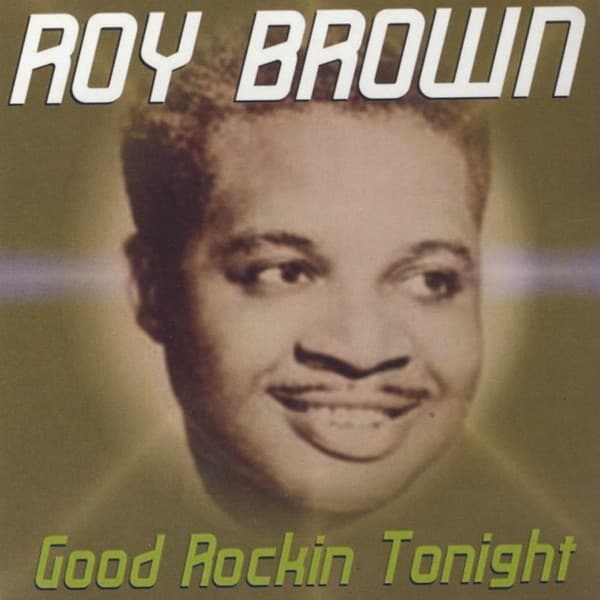
Roy Brown
Good Rockin' Tonight
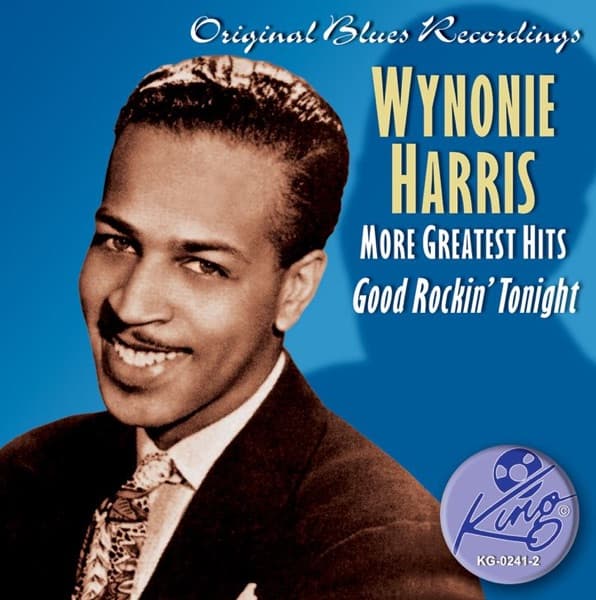
Wynonie Harris
Good Rockin' Tonight
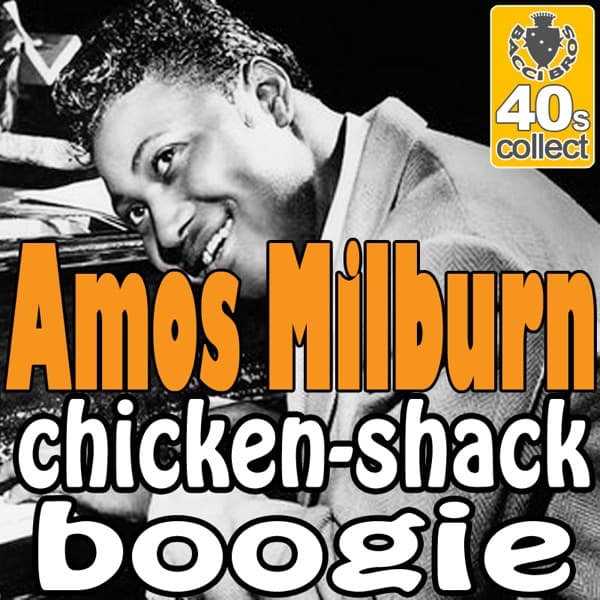
Amos Milburn
Chicken Shack Boogie

Elvis Presley
Elvis Presley
Fats Domino
Rock and Rollin’ with Fats Domino

Chuck Berry
After School Session

Little Richard
Here’s Little Richard

Ray Charles
Ray Charles

Bo Diddley
Bo Diddley

Sam Cooke
Sam Cooke

Ray Charles
The Genius of Ray Charles

The Staple Singers
Uncloudy Day

Ray Charles
Modern Sounds in Country and Western Music

James Brown
Live at the Apollo

Nina Simone
Nina Simone in Concert

Otis Redding
Otis Blue: Otis Redding Sings Soul

Aretha Franklin
I Never Loved a Man the Way I Love You

The Band
Music from Big Pink
Sly and the Family Stone
Stand!

Carole King
Tapestry

Marvin Gaye
What's Going On
Sly and the Family Stone
There's a Riot Goin' On

Aretha Franklin
Amazing Grace
Curtis Mayfield
Super Fly

Stevie Wonder
Talking Book

Stevie Wonder
Innervisions

Stevie Wonder
Songs in the Key of Life

Michael Jackson
Off the Wall

Michael Jackson
Thriller
Prince and the Revolution
Purple Rain
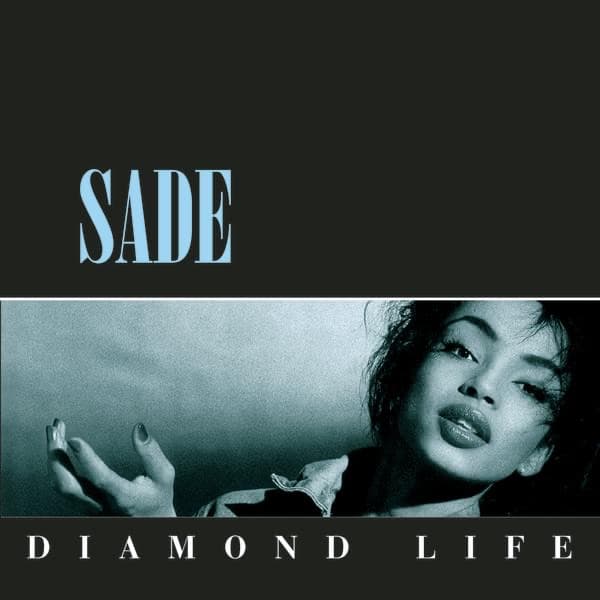
Sade
Diamond Life

Whitney Houston
Whitney Houston

Janet Jackson
Control

Anita Baker
Rapture

Prince
Sign o' the Times
Mary J. Blige
What's the 411?
Whitney Houston and others
The Bodyguard: Original Soundtrack Album

TLC
CrazySexyCool

D'Angelo
Brown Sugar

Aaliyah
One in a Million

Missy Elliott
Supa Dupa Fly
Erykah Badu
Baduizm

Kirk Franklin and God's Property
God's Property from Kirk Franklin's Nu Nation

Lauryn Hill
The Miseducation of Lauryn Hill

D'Angelo
Voodoo
Alicia Keys
Songs in A Minor

Missy Elliott
Under Construction
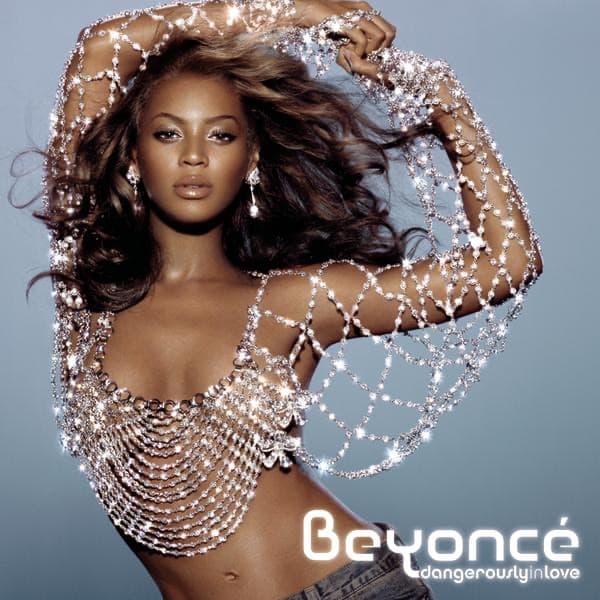
Beyoncé
Dangerously in Love

Usher
Confessions

J Dilla
Donuts

Amy Winehouse
Back to Black

Drake
So Far Gone
Adele
21
The Weeknd
House of Balloons
Drake
Take Care
Frank Ocean
channel ORANGE
Beyoncé
Beyoncé
FKA twigs
LP1
D'Angelo and the Vanguard
Black Messiah
Adele
25
Justin Bieber
Purpose
Beyoncé
Lemonade
Frank Ocean
Blonde
Solange
A Seat at the Table
Anderson .Paak
Malibu
SZA
Ctrl
Tyler, the Creator
Flower Boy
Thundercat
Drunk
Janelle Monáe
Dirty Computer
Mac Miller
Swimming
Ariana Grande
Sweetener
Tyler, the Creator
IGOR
The Weeknd
After Hours
Little Simz
Sometimes I Might Be Introvert
Silk Sonic
An Evening with Silk Sonic
Tyler, the Creator
Call Me If You Get Lost
Adele
30
Jon Batiste
We Are
Beyoncé
Renaissance
SZA
SOS
Sleep Token
Take Me Back to Eden
Beyoncé
Cowboy Carter
Tyler, the Creator
Chromakopia
Doechii
Alligator Bites Never Heal
Kaytranada
Timeless
Sleep Token
Even in Arcadia
The Mixtape
Roll 'Em Pete
Pete Johnson and Big Joe TurnerBoogie-woogie at a sprint and a bartender shouting over it. There is no drummer. If you want the exact moment rhythm and blues shows up, this is a good place to put the pin.
Choo Choo Ch'Boogie
Louis Jordan and his Tympany FiveJump blues at full strength: a shuffle, a saxophone riff, a boogie piano and a story about a man with a train ticket and no money. Eighteen weeks at number one, and the template for Bill Haley.
Good Rockin' Tonight
Roy BrownThe original, sung like a gospel ballad with a party lyric. Play it back to back with Wynonie Harris's cover and you can hear the backbeat being added.
Good Rockin' Tonight
Wynonie HarrisThe cover, with handclaps on two and four. If you need one record to call the first rock and roll record and you are not in the mood to argue, this is the safe pick.
Hound Dog
Big Mama ThorntonThe original, with the growl and the barking. Hear it before the Elvis version and the Elvis version never sounds the same again.
I Got a Woman
Ray CharlesA gospel song with the words changed. That sounds small. It is where soul music comes from, and you can hear the church in every shout.
Earth Angel (Will You Be Mine)
The PenguinsThe slow dance. Piano triplets, a bass singer holding the floor and a lead who sounds like he means every word. Every doo-wop ballad is a variation on this one.
Please, Please, Please
James Brown and the Famous FlamesOne word, begged. It is gospel with the object changed, and the whole of funk is folded up inside it waiting for the 1960s.
You Send Me
Sam CookeThe prettiest voice in gospel goes pop and takes the whole church technique with it. Listen for the little run of notes on "you," the yodel that became soul singing.
What’d I Say
Ray CharlesAn electric piano, a Latin beat and the Raelettes moaning back. The lyric says almost nothing; the groove says everything. Soul music is fully built by the end of this record.
Fingertips, Pt. 2
Little Stevie WonderA thirteen-year-old with a harmonica, a false ending, and a bass player shouting "what key?" It was number one, and it was live. Motown could do that too.
A Change Is Gonna Come
Sam CookeStart here because the decade did. A gospel singer, an orchestra, and the most patient statement of hope in American music, released eleven days after he was killed.
Where Did Our Love Go
The SupremesFoot stomps, a baritone sax, and Diana Ross singing under her breath. The first of five straight number ones and the sound of Motown deciding it could beat the Beatles at pop.
Mississippi Goddam
Nina SimoneA show tune, she says, for a show that has not been written. Then she names the states. Listen for the moment the Carnegie Hall audience stops laughing.
Respect
Aretha FranklinOtis Redding wrote it as a man's demand. Aretha and her sisters spelled it out and it became everyone's. King Curtis on saxophone, and a woman at the piano in complete control.
(Sittin' On) The Dock of the Bay
Otis ReddingWritten on a houseboat after Monterey, finished with a whistle because he never got to write the last verse. The gentlest thing he made and the biggest hit he never heard.
What's Going On
Marvin GayeParty chatter, a saxophone, and a man asking his brother what is happening to the country. The song Motown did not want to release, and the sound of soul becoming grown-up.
Superstition
Stevie WonderA clavinet riff through a wah pedal, Wonder on drums, horns punching. It was written for Jeff Beck and Motown made Stevie keep it. The funkiest thing on the radio in 1972.
Real Love
Mary J. BligeAn Audio Two drum break under a gospel voice from the projects. Hip-hop soul in one single, and the template for R&B from here to now.
Brown Sugar
D'AngeloA Rhodes, a drum that hangs behind the beat, and a falsetto singing about weed as if it were a woman. Neo-soul gets its name from this.
Fallin'
Alicia KeysA Chopin-style piano figure and a blues over it, from a twenty-year-old who wrote and produced it herself. Neo-soul reaches number one.
Crazy in Love
BeyoncéA Chi-Lites horn sample, a go-go breakdown and a Jay-Z verse. The first record where she did not need a group, and eight weeks at number one.
Yeah!
UsherLil Jon's crunk beat, a Ludacris verse and Usher on top: twelve weeks at number one and the birth of crunk&B. The South takes R&B too.
Thinkin Bout You
Frank OceanA falsetto, a drum machine and a lyric about not being able to stop. The most influential R&B singer of the decade, in his plainest three and a half minutes.
Drunk in Love
BeyoncéA woozy, half-finished-sounding beat and the most confident performance of her career. Released at midnight with no warning, which changed how records come out.
Two Weeks
FKA twigsSub-bass, silence and a soprano recorded so close it sounds like it is inside your skull. It is a seduction and a threat and it never raises its voice.
Formation
BeyoncéReleased the day before the Super Bowl and performed there with dancers dressed as Black Panthers. A pop song, a statement of origin and a dare, all at once.
Cranes in the Sky
SolangeA list of everything she tried in order to outrun a feeling, sung over strings that keep circling back. The calmest angry record of the decade.
Essence
WizkidWizkid and Tems over a soft Afrobeats groove, the first Nigerian song to chart on the Hot 100. Lagos as a hit factory, on its own terms.
Leave the Door Open
Silk SonicReal strings, close harmony, Bootsy Collins on the intro. A 1974 record made in 2021 that won Record and Song of the Year.
Kill Bill
SZAA murder fantasy sung like a lullaby. From the album that kept returning to number one two and a half years after it came out.