100 Years of Music / Chapter 9 of 11
2000s: Collapse, Comeback, and the Blog-Era Renaissance
The record business falls apart, hip-hop takes the throne, and every scene on earth gets a global platform overnight.
Opening
A dorm room, 2000. A kid is downloading a song on Napster over a phone line, watching the progress bar crawl. In the same building someone is burning a CD of songs nobody paid for. Nobody in that building thinks they are ending anything. They are.
The world flipped into Y2K and the internet kicked the music industry in the teeth. Within eighteen months Napster was shut down, the iPod was in pockets, and the CD, the format that had paid for everything since 1983, started a slide it never came back from. The money went first. The gatekeepers went next.
That is the frame for everything in this chapter. Hip-hop stopped fighting for legitimacy and became the culture: rap stars became CEOs, mixtapes rivaled albums, and every corner of the map, Atlanta, Houston, St. Louis, East London, San Juan, had a new sound to offer. Rock did not dominate the way it had in the sixties or the nineties, but it did not disappear either. It mutated. The garage came back. Emo went mainstream. Indie exploded out of blogs and iPod ads and into festival headline slots.
It was messy, contradictory and genre-fluid. Indie bands played late-night TV. Emo lyrics were AIM away messages. MySpace playlists defined your soul, and a Sheffield band that gave away demos at gigs sold more records in a week than any debut in British history.
For a lot of us, this decade was the emotional wallpaper of growing up. This chapter is the whole picture: the moguls and the mixtapes, the eyeliner and the Warped Tour, the reggaeton and the dubstep, and the collapse that made all of it possible.
The World
Napster, the iPod and the end of the CD
Napster launched in June 1999 and was shut down by the courts in July 2001. Apple announced the iPod on 23 October 2001 and opened the iTunes Music Store on 28 April 2003, selling single songs for 99 cents. The record industry sued its own customers, watched CD sales fall year on year, and never found the money again. Every business story in this chapter starts here.
9/11 and two wars
The attacks of 11 September 2001 landed on the release day of Jay-Z's The Blueprint. Within a week the radio giant Clear Channel circulated a list of songs its program directors thought were too raw to play. The Iraq war began in March 2003, and a single sentence from a stage in London cost the Dixie Chicks their radio career. Green Day wrote a punk opera about it. Toby Keith wrote a boot in your face.
MySpace, YouTube and the blog
MySpace launched in August 2003 and let any band put four songs next to a friend counter. YouTube was founded in February 2005. Music blogs, message boards and DatPiff turned a demo or a mixtape into a career without a label in the room. Arctic Monkeys, Soulja Boy, Lily Allen, Adele and Drake all came up that way. Facebook and Twitter arrived by the end of the decade and finished the job.
Hurricane Katrina
The storm hit the Gulf Coast in August 2005 and drowned New Orleans, the city that gave the country jazz, bounce and the Neville Brothers. On a live NBC telethon on 2 September, Kanye West went off script and said George Bush did not care about Black people. Lil Wayne, a New Orleans native, answered with a song called Georgia... Bush. The music of the decade's second half carried that anger.
The 2008 crash and the 2008 election
The banks fell in September 2008 and the recession that followed hit touring, retail and every job a young musician might have had on the side. Two months later Barack Obama was elected, with a will.i.am video of his New Hampshire speech set to a choir of celebrities as its unofficial anthem. Hope and foreclosure, in the same season.
The iPhone
Apple announced the iPhone on 9 January 2007 and called it a widescreen iPod with touch controls. Spotify opened in Sweden in October 2008. By the end of the decade the phone was the stereo, the record store and the radio, and the idea of owning music at all had started to feel old-fashioned.
Guitar Hero, American Idol and the TV song
American Idol premiered on Fox in June 2002 and made Kelly Clarkson and Carrie Underwood real stars, not novelty acts. Guitar Hero arrived in November 2005 and Rock Band in 2007, putting Dragonforce solos and Metallica riffs into living rooms. The O.C. and Grey's Anatomy turned indie songs into plot points, and a Volkswagen ad made Nick Drake's Pink Moon a hit twenty-six years after he died.
The Sounds
The mogul era: bling, bars and a billion-dollar industry
The 2000s were hip-hop's imperial phase. The genre had money, reach and power, and an identity crisis to go with it. Could you be conscious and commercial? Street and pop? Lyrical and melodic? Turns out you could. The decade did not just expand hip-hop's audience; it expanded its language. This was the mixtape era, the ringtone rap era, the rise of Southern dominance, the birth of the GOAT conversation.
Phase one, 2000 to 2004, belonged to artists who balanced art and enterprise. Jay-Z ran New York and rapped like it: The Blueprint on 11 September 2001, The Black Album in 2003, then a fake retirement and the presidency of Def Jam. Eminem was pure chaos and technical genius; nobody pushed boundaries, or buttons, like Slim Shady. 50 Cent turned nine bullet wounds into a myth, and Dr. Dre's polish put Get Rich or Die Tryin' in every car in America. Missy Elliott and Timbaland made weird sound mainstream. The Neptunes ruled the charts with a four-count intro. Nelly made St. Louis matter with a sing-song flow. Ludacris brought Southern energy and a cartoon's delivery.
Phase two, 2004 to 2007, was Atlanta's takeover. The South had always been there; now it was everywhere. OutKast's Speakerboxxx/The Love Below won Album of the Year. T.I. crowned himself King of the South on Trap Muzik. Young Jeezy's Thug Motivation 101 was trap music's emotional ice storm, all cold delivery and heavy ad-libs. Lil Jon and the East Side Boyz screamed crunk into the clubs, and turn up began there. Dem Franchize Boyz, D4L and Soulja Boy made snap music: minimal, viral, ringtone-ready. Houston got loud too, with Mike Jones, Paul Wall, Slim Thug and Chamillionaire taking DJ Screw's chopped and screwed sound to MTV, and UGK and Three 6 Mafia finally collecting what they were owed.
Phase three, 2007 to 2009, is when the internet changed the rules. Mixtapes became marketing, not throwaways, and DatPiff, NahRight, 2DopeBoyz and early YouTube broke artists without radio. Lil Wayne flooded the decade with Dedication, Da Drought 3 and a thousand features before Tha Carter III sold a million in a week. Kanye West went from soul samples to stadium rap to Auto-Tuned heartbreak in four albums. Lupe Fiasco was the nerd's rapper. Clipse wrote drug-rap poetry over minimalist Neptunes heat. Kid Cudi's Day 'n' Nite changed bedroom rap forever, and Drake's So Far Gone mixtape, in February 2009, was the door the next decade walked through.
Around the edges: Dipset's Cam'ron, Juelz Santana and Jim Jones set trends in Harlem; Fat Joe, Remy Ma and Terror Squad held the Bronx; Nas, Mobb Deep, Mos Def and Talib Kweli stayed active and respected; Twista, Do or Die and a Kanye-reborn Common warmed up Chicago; MF DOOM and Madlib made Madvillainy and J Dilla made Donuts. Grime broke out of London with Dizzee Rascal, reggaeton broke out of Puerto Rico with Daddy Yankee. Production moved from soul samples to synths to Southern 808s, and Auto-Tune went from gimmick to emotional tool, T-Pain to Kanye to Wayne. Fashion went from throwbacks and tall tees to grills and BAPE to skinny jeans, and artists became brands: Rocawear, G-Unit, Sean John, LRG. By 2009 rap was no longer fighting for pop placement. It was pop.
Back to the garage, with a snarl
Rock was not dead. It just moved back into the garage. The early 2000s saw a gritty, stylish return to punky minimalism and jagged guitars, from bands who looked like CBGB ghosts in Hedi Slimane suits. The Strokes' Is This It rewired cool and brought lo-fi downtown back. The White Stripes were Jack White's bluesy, minimal, genre-bending chaos, two people and a red-and-white color scheme. The Hives were Swedish punks with explosive precision. Franz Ferdinand made danceable riffs with art-school swagger. Interpol were brooding, suited-up post-punk revivalists. Yeah Yeah Yeahs turned Karen O's stage presence into something visceral. The Vines, the Libertines, the Kings of Leon, and eventually Arctic Monkeys and the Black Keys followed.
There was a heavier, dustier rock too. Queens of the Stone Age's Songs for the Deaf was a drive through the California desert with Dave Grohl on drums. At the Drive-In's Relationship of Command was post-hardcore at its most accomplished, and when the band split, the Mars Volta took the prog half with them. Radiohead's Kid A, released 2 October 2000, is the decade's opening statement: the biggest rock band in the world putting its guitars down and going to number one in America anyway. Coldplay, Snow Patrol, the Fray, OneRepublic, Lifehouse and early Maroon 5 were the crossover class: rock-leaning acts with radio hooks and pop polish that were not underground but were not bubblegum either.
This was the last decade where rock felt like youth culture. It was on TV, in movies, in your buddy's burnt CDs. It was not one movement; it was many at once. And it laid the groundwork for the genreless, playlist-driven world that followed, where your favorite band might be screaming one track and crooning the next.
Indie explodes: from blog buzz to big stages
Indie stopped meaning "independent label" and became a sound, an ethos and a whole aesthetic. Fueled by mp3 blogs, Pitchfork reviews and iPod commercials, it took over dorm rooms, festival stages and iTunes libraries. Arcade Fire's Funeral, on Merge in September 2004, was orchestral drama and communal catharsis from a Montreal collective that had just buried several family members. Modest Mouse's weirdness went pop with Float On. The Shins got Garden State immortality. Death Cab for Cutie turned gentle sadness stadium-sized. Vampire Weekend brought Ivy League Afro-pop and baroque bops. The Killers were a synth-drenched Springsteen revival from Las Vegas. Late in the decade MGMT and, in Australia, Tame Impala made it psychedelic and playful.
The blog era had its own lineage. Wilco's Yankee Hotel Foxtrot was dropped by its label, streamed free from the band's website in September 2001, and became the decade's best-known story about a record company being wrong. James Murphy's DFA label and LCD Soundsystem put punk kids on the dancefloor. TV on the Radio, the National, Spoon, the Hold Steady, the New Pornographers, Neko Case, Broken Social Scene, Feist and the Postal Service filled out a scene that was as much Brooklyn and Toronto as Seattle. Animal Collective's Merriweather Post Pavilion in January 2009 and Phoenix's Wolfgang Amadeus Phoenix later that year showed where it was going: toward electronics, toward pop, toward Coachella.
Britain sent its own wave. Coldplay's A Rush of Blood to the Head made stadium melancholy, Arctic Monkeys made the fastest-selling debut in UK history in January 2006, and Radiohead's In Rainbows, sold from their own website for whatever you wanted to pay in October 2007, was the decade's most-discussed business decision. Elliott Smith died in October 2003, and Beck's Sea Change, Sufjan Stevens' Illinois and Bon Iver's For Emma, Forever Ago carried the quieter end of the genre into folk.
Heart on sleeve, scream in throat: emo, pop-punk and the Warped Tour
Emo went mainstream in the 2000s, and it did not lose its teeth. Whether you were crying in your bedroom or shouting in a VFW hall, this music caught the full spectrum of emotional chaos. Jimmy Eat World's Bleed American put The Middle on every radio in July 2001. Dashboard Confessional was the acoustic confessor who made crying cool. Taking Back Sunday brought dual-vocal drama and Long Island angst. Brand New started pop-punk and ended devastating and literary. Thursday, Thrice and Underoath were screamo's melodic, explosive vanguard. My Chemical Romance's The Black Parade, in October 2006, was theatrical and bombastic, emo's Bohemian Rhapsody. Paramore's Riot! gave the scene Hayley Williams: power, melody and fiery vulnerability.
Pop-punk 2.0 took the torch from the nineties and ran with it, polished it and dominated the charts and the Hot Topic shelves. Blink-182 went from jokes to heartbreak on Take Off Your Pants and Jacket and the untitled 2003 record. Sum 41 was skate punk with metal flair. Good Charlotte wrote anthems for the eyeliner generation, Simple Plan pure teen melodrama. New Found Glory, the Used and All Time Low were Warped Tour royalty. Fall Out Boy's From Under the Cork Tree in 2005 and Panic! at the Disco a year later made Fueled by Ramen the label of the moment. Green Day, elder statesmen at this point, made American Idiot in September 2004, a punk rock opera about a country at war that went to Broadway.
The heavier scene screamed, riffed and threw down in basements and parking lots. Post-hardcore and metalcore, with their heavy breakdowns and screamed-clean vocal trades, were music for catharsis and moshing: Underoath, Atreyu, Killswitch Engage, Alexisonfire, Poison the Well, Glassjaw, and late in the decade Bring Me the Horizon going from deathcore to melody. At the Drive-In's Relationship of Command, in September 2000, is where a lot of it starts.
Nu-metal peaks, metalcore rises, and the underground gets ambitious
The decade opened with nu-metal at its commercial summit. Linkin Park's Hybrid Theory, released 24 October 2000, became the biggest-selling debut of the decade in America by fusing rap verses, screamed choruses and turntables into something a suburban fourteen-year-old could sing every word of. Deftones' White Pony proved the style could be beautiful. Slipknot's Iowa and System of a Down's Toxicity, both from late summer 2001, were uglier and stranger: nine masked men from Des Moines, and four Armenian-Americans from Glendale singing about prisons and pilgrims. Tool's Lateralus made prog-metal a number one album. Evanescence's Fallen and Disturbed took the sound to the Grammys and Ozzfest.
Underneath, metalcore was being built out of hardcore breakdowns and Gothenburg melody. Killswitch Engage, As I Lay Dying, Lamb of God, Avenged Sevenfold, Trivium and Bullet for My Valentine filled Ozzfest second stages and then headlined them. Converge's Jane Doe, on 4 September 2001, was the extreme end of that world and is still its high-water mark. Mastodon's Leviathan turned Moby-Dick into a sludge-metal concept album and Crack the Skye finished the thought. Opeth's Blackwater Park, Meshuggah's polyrhythms, Gojira from France, Isis and Sunn O))) in the post-metal and drone corners, and Nightwish's symphonic metal in Finland all found audiences that the internet, not radio, delivered.
The old guard had a hard decade. Metallica's St. Anger and the documentary Some Kind of Monster showed a band in group therapy; Death Magnetic in 2008 was their comeback, and also the record that made the loudness war a public argument, because the Guitar Hero version sounded better than the CD. Iron Maiden, with Bruce Dickinson back, filled arenas again. And on 8 December 2004 Dimebag Darrell of Pantera was shot dead on stage in Columbus, Ohio, the decade's cruelest loss.
Teen pop grows up, and the producer becomes the star
The decade started with the last great sales week the old business would ever see: *NSYNC's No Strings Attached sold about 2.4 million copies in seven days in March 2000. Britney Spears followed with Oops!... I Did It Again and then, on Toxic in 2004, made my pick for the best pop single of the decade. Christina Aguilera stripped the teen image off on Stripped. Avril Lavigne, Pink and Kelly Clarkson gave girls a guitar and an attitude. Gwen Stefani went solo. Kylie Minogue's Can't Get You Out of My Head and Girls Aloud's Xenomania singles kept Britain the home of the perfect three-minute record.
Then the producers took over. Justin Timberlake left the boy band for the Neptunes and Timbaland on Justified, and FutureSex/LoveSounds in 2006 turned Timbaland's stutter-beats into stadium pop. Nelly Furtado's Loose and Timbaland's own Shock Value were the same story. Max Martin, who had written the Backstreet Boys' hits, teamed with Dr. Luke on Since U Been Gone and rebuilt his empire. Beyoncé's Crazy in Love and Single Ladies, Rihanna's Umbrella and Lady Gaga's Poker Face were all producer records first: Rich Harrison, Tricky Stewart and the-Dream, RedOne. Shakira's Hips Don't Lie and the Black Eyed Peas' I Gotta Feeling were global in a way pop had never quite been.
Television built its own stars. American Idol gave the world Kelly Clarkson and Carrie Underwood. Disney gave it Hannah Montana, the Jonas Brothers and High School Musical, and then Miley Cyrus and Taylor Swift, whose second album Fearless won Album of the Year in January 2010. Britain answered with Amy Winehouse's Back to Black, a sixties soul record about a very modern mess that won five Grammys in 2008, then Adele's 19 and Duffy in its wake. And on 25 June 2009 Michael Jackson died in Los Angeles, and for a week every radio station on earth played the same songs.
Neo-soul peaks, Usher confesses, and R&B learns to rap
The year 2000 was neo-soul's moment. D'Angelo's Voodoo, in January, was recorded at Electric Lady with the Soulquarians: Questlove, J Dilla, James Poyser, Pino Palladino. Its grooves sat behind the beat like they were late on purpose, and the video for Untitled (How Does It Feel) made D'Angelo a sex symbol he did not want to be. Erykah Badu's Mama's Gun, Jill Scott's Who Is Jill Scott?, Musiq Soulchild's Aijuswanaseing and India.Arie's Acoustic Soul all landed inside eighteen months. Alicia Keys' Songs in A Minor, in June 2001, took the sound to the top of the charts and to five Grammys, a classically trained pianist from Hell's Kitchen playing Fallin' on a Yamaha grand.
Aaliyah's self-titled third album came out on 7 July 2001; she died in a plane crash in the Bahamas on 25 August, at twenty-two, with Timbaland's futurist beats and her cool, quiet phrasing already pointing at everything R&B would become. Mary J. Blige answered the decade's anxiety with No More Drama. Ashanti sang the hooks on Ja Rule records and then her own. Usher's Confessions, in March 2004, sold like a pop record and sounded like a club: Yeah! with Lil Jon and Ludacris was crunk&B, and Ciara's Goodies made the term stick. Mariah Carey came back from the wilderness with The Emancipation of Mimi and We Belong Together in 2005. Chris Brown and Ne-Yo were the new teen idols; Keyshia Cole and Anthony Hamilton kept it raw.
The second half belonged to the writers. Ne-Yo, the-Dream and Tricky Stewart wrote Irreplaceable, Umbrella and Single Ladies. T-Pain put Auto-Tune on everything and made a pop-R&B language out of it. John Legend's Get Lifted, Raphael Saadiq's The Way I See It and Maxwell's BLACKsummers'night in 2009 kept live soul alive. R. Kelly's Ignition (Remix) was everywhere in 2003 while he awaited trial on child pornography charges; he was acquitted in 2008 and convicted of far worse a decade later. And Beyoncé, who started the decade in Destiny's Child singing Survivor, ended it as the biggest star in the world.
O Brother, the Chicks, and a country at war
The decade opened with a soundtrack. O Brother, Where Art Thou?, produced by T Bone Burnett for the Coen brothers' film in December 2000, was old-time string band music, Ralph Stanley singing O Death unaccompanied and Alison Krauss and Gillian Welch harmonizing on hymns, and it won Album of the Year at the Grammys in February 2002 without a single country radio station playing it. It started a bluegrass revival that ran through Dolly Parton's bluegrass trilogy, Old Crow Medicine Show's Wagon Wheel, Nickel Creek and, at the end of the decade, the Avett Brothers and Mumford and Sons.
Then the war came. Alan Jackson's Where Were You (When the World Stopped Turning) was the plainspoken 9/11 song; Toby Keith's Courtesy of the Red, White and Blue was the angry one, and it went to number one in July 2002. On 10 March 2003, nine days before the invasion of Iraq, Natalie Maines told a London crowd the Dixie Chicks were ashamed the president was from Texas, and country radio dropped the biggest-selling female group in American history overnight. Their answer, Taking the Long Way, swept the Grammys in February 2007. Johnny Cash covered Nine Inch Nails' Hurt in late 2002, and the video Mark Romanek shot in his cluttered Hendersonville house became his last testament; he died on 12 September 2003, four months after June Carter Cash. Loretta Lynn, at seventy-two, made Van Lear Rose with Jack White.
Mainstream Nashville got bigger and louder: Kenny Chesney's stadium tours, Tim McGraw's Live Like You Were Dying, Brad Paisley's guitar, Keith Urban, Rascal Flatts and Lady Antebellum. Gretchen Wilson's Redneck Woman and Big and Rich's Save a Horse (Ride a Cowboy) made 2004 the year of the MuzikMafia. Carrie Underwood came off American Idol and sold seven and a half million copies of Some Hearts. Miranda Lambert was the first of the new outlaw women. And Taylor Swift, sixteen years old at her debut in 2006, wrote her own songs about her own high school and made Fearless, the record that won Album of the Year and took her, and country, into pop. On the other side of town, Drive-By Truckers' Southern Rock Opera, Ryan Adams' Heartbreaker and Gold, and Jason Isbell were building the Americana that the 2010s would run on.
Robots, pyramids, Croydon basements and the road to EDM
Daft Punk's Discovery, in March 2001, turned French house into a candy-colored pop record and gave the decade One More Time. Their pyramid show at Coachella on 29 April 2006, two robots in a glowing triangle running the hits together, is the moment American festival culture decided it wanted dance music on the main stage; Alive 2007 is the recording. Ed Banger Records, run by their manager Pedro Winter, made Justice's Cross the sound of blog house in 2007. Basement Jaxx's Rooty, the Chemical Brothers, Röyksopp, Gorillaz's cartoon pop and Kylie's Can't Get You Out of My Head kept British dance-pop on the radio. The Avalanches' Since I Left You, in November 2000, was made of thousands of samples and sounded like a party heard through a wall. Boards of Canada's Geogaddi, Aphex Twin's Drukqs, Four Tet, Squarepusher, Venetian Snares and Amon Tobin held down the headphone end.
The decade's most important new sound came from South London. UK garage had crossed over with Craig David and So Solid Crew at the turn of the decade; its darker children were grime, with Wiley's Eskimo, Dizzee Rascal's Boy in da Corner and Lethal Bizzle's Pow!, and dubstep, built in Croydon by Skream, Benga, Digital Mystikz and the DMZ nights, with Burial's Untrue in November 2007 as its masterpiece and Rusko and Caspa as the bridge to the American version Skrillex would sell in 2010. Electroclash, with Fischerspooner, Peaches and Ladytron, was the decade's first revival. Berlin's minimal techno, with Ricardo Villalobos, Richie Hawtin and the club Berghain, which opened in 2004, was its longest-running one.
By 2009 the next thing was visible. Trance had peaked with Tiësto playing the opening ceremony of the 2004 Olympics and Paul van Dyk and Armin van Buuren topping the DJ polls. Deadmau5's Ghosts 'n' Stuff, Swedish House Mafia forming in Stockholm, and David Guetta's When Love Takes Over with Kelly Rowland, in 2009, pointed at the EDM boom. Girl Talk and Danger Mouse's Grey Album made the mashup a form. Ableton Live made a laptop a band. And in Los Angeles, Flying Lotus's Los Angeles, his Brainfeeder label and the Low End Theory club night built a beat scene out of J Dilla's ghost.
Norah Jones, the Pulitzer, and jazz meets the beat
Jazz had its biggest commercial moment in decades from a singer most jazz players did not claim. Norah Jones' Come Away with Me, on Blue Note in February 2002, sold more than twenty million copies and won eight Grammys in one night, including Album of the Year, on the strength of Don't Know Why, a Jesse Harris song sung like a secret. Diana Krall and Jamie Cullum followed the same lane. Ken Burns' ten-part Jazz aired on PBS in January 2001 and argued, controversially, that the story more or less ended in the sixties. Wynton Marsalis answered by opening Jazz at Lincoln Center's Frederick P. Rose Hall in October 2004, the first concert hall built for jazz.
The living music went two ways. Brad Mehldau, the Bad Plus and the Esbjörn Svensson Trio rebuilt the piano trio out of Radiohead covers and rock dynamics. Wayne Shorter's quartet with Danilo Pérez, John Patitucci and Brian Blade was the best working band in the world. Jason Moran, Vijay Iyer and a young Christian Scott sharpened the avant-garde. Herbie Hancock's River: The Joni Letters won Album of the Year in February 2008, the first jazz record to do it since 1965. Ornette Coleman won the Pulitzer Prize for Music in 2007 for Sound Grammar, forty-eight years after The Shape of Jazz to Come.
The bridge to hip-hop, which the 2010s would cross, was built here. Madlib recorded as Yesterdays New Quintet and cut Shades of Blue from the Blue Note vaults. The Roots, Medeski Martin and Wood and Soulive played jazz on the jam-band circuit. Robert Glasper's Double Booked, in 2009, put a trio on one disc and a Rhodes-and-808 band on the other, and Kamasi Washington was a sideman in Los Angeles waiting for his turn. The decade also buried a generation: Elvin Jones in 2004, Michael Brecker, Alice Coltrane, Max Roach and Oscar Peterson all in 2007, Freddie Hubbard in 2008.
Dancehall goes pop: Sean Paul, the Diwali riddim and the Marley sons
Dancehall had never been closer to the American charts. Shaggy's Hot Shot, in August 2000, was the second best-selling album in the United States in 2001 on the back of It Wasn't Me and Angel. Then Steven "Lenky" Marsden's Diwali riddim, in 2002, a handclap pattern that half of Kingston voiced at once, gave Sean Paul Get Busy, Wayne Wonder No Letting Go and Lumidee Never Leave You. Sean Paul's Dutty Rock, in November 2002, went to the top of the American album chart, he sang on Beyoncé's Baby Boy, and for two years Jamaican patois was the language of the club. Elephant Man, Beenie Man, Sizzla, Capleton and Tanya Stephens all rode the wave.
The music also got darker at home. Vybz Kartel and Mavado's Gully versus Gaza feud split Kingston's garrisons in the second half of the decade and turned dancehall into a soundtrack for real violence. Buju Banton's decade ended in a Florida courtroom. The roots side was carried by the Marley sons: Damian Marley's Welcome to Jamrock, in September 2005, put a Sizzla-style chant over an Ini Kamoze sample and won two Grammys, and Stephen Marley's Mind Control did the same in 2008. Tarrus Riley and Etana, with the Gentleman and Alborosie records from Europe, were the roots of the reggae revival the 2010s would name.
Reggae's pop afterlife was everywhere. Rihanna's first single, Pon de Replay in 2005, was dancehall. Matisyahu, a Hasidic Jew from White Plains, took reggae to Bonnaroo, and Rebelution, SOJA and Slightly Stoopid built an American reggae-rock circuit from California to Virginia. Toots and the Maytals won a Grammy for True Love in 2005, and Bob Marley's Legend, released in 1984, passed ten million copies in the United States and kept selling every week of the decade.
Reggaeton explodes, and Latin pop crosses over on its own terms
Reggaeton came out of Panama's Spanish reggae and San Juan's marquesinas, the carport parties where DJ Playero's mixtapes played in the nineties, and in 2004 it went global. Daddy Yankee's Gasolina, the lead single from Barrio Fino, took the dembow rhythm, a boom-ch-boom-chick borrowed from Shabba Ranks' Dem Bow, and put it on radio stations that switched formats to keep up. Tego Calderón's El Abayarde in 2002 had made the genre credible; Luny Tunes' productions made it hit; Don Omar, Wisin y Yandel and Ivy Queen, the queen in a genre of kings, made it a scene. Calle 13's debut in 2005 made it smart. The Library of Congress named Gasolina to the National Recording Registry in 2023, the first reggaeton record there.
Pop crossed over too. Shakira learned English well enough to write Laundry Service in 2001, and Hips Don't Lie with Wyclef Jean in 2006 was a number one in a dozen countries. Juanes' Un Día Normal and A Dios le Pido made Colombian rock an export. Enrique Iglesias' Escape, Ricky Martin's Sound Loaded, Paulina Rubio and Jennifer Lopez kept the late-nineties Latin boom going; the Latin Grammys, first held in September 2000, gave it an awards show. Aventura's Obsesión, in 2002, took bachata, the Dominican guitar music that used to be too poor for the radio, from the Bronx to Europe, and Romeo Santos became the biggest Latin star of the next decade because of it.
Regional Mexican music was the genre's quiet giant: Los Tigres del Norte's corridos, Vicente Fernández, and Jenni Rivera, whose banda records made her the most important woman in the music. Rock en español had Café Tacvba's Cuatro Caminos, Zoé, Babasónicos, Molotov, Kinky, Julieta Venegas and Aterciopelados. Brazil sent Bebel Gilberto's Tanto Tempo and Seu Jorge, whose voice carried City of God in 2002. Gotan Project and Bajofondo made tango electronic. Marc Anthony kept salsa on the charts. And on 16 July 2003 Celia Cruz, the Queen of Salsa, died in New Jersey, and her funeral procession stopped traffic in Miami and Manhattan.
Shackles on the pop chart, and the church inside hip-hop
Mary Mary's Shackles (Praise You), released in February 2000, was a gospel record on pop radio in Britain and Australia and on MTV in America, two sisters from Inglewood singing praise over a Warryn Campbell beat that could have been a Destiny's Child track. It opened a door that Kirk Franklin walked through for the rest of the decade: Hero, in October 2005, went platinum and won two Grammys, and The Fight of My Life followed in 2007. Yolanda Adams, Donnie McClurkin's We Fall Down, Smokie Norful, Fred Hammond, Israel Houghton and New Breed, Tye Tribbett and Kierra Sheard made urban contemporary gospel a genre with its own charts, tours and awards. Marvin Sapp's Never Would Have Made It, in 2007, was a sermon that became a radio hit. The Clark Sisters came back, CeCe Winans stayed, and Take 6 kept the a cappella tradition alive.
The older tradition had its own revival. The Blind Boys of Alabama, founded in 1939, won four straight Grammys from 2002 with records that mixed Tom Waits and Ben Harper into Southern quartet gospel. Mavis Staples' We'll Never Turn Back, produced by Ry Cooder in 2007, sang the freedom songs of the civil rights movement to the Bush years. Aretha Franklin's So Damn Happy won her another Grammy in 2004. And the church was inside hip-hop and R&B more openly than ever: Kanye West's Jesus Walks, in 2004, built on the ARC Choir, and every Beyoncé record ended on a run she learned at St. John's in Houston.
Contemporary Christian music had its own mainstream moment. MercyMe's I Can Only Imagine, from 2001, crossed to pop radio; Switchfoot, Relient K and Underoath sold to kids who did not know they were Christian bands; and Hillsong's worship songs from Sydney, Shout to the Lord and the ones that followed, became the music most American churches sang on Sunday, which is the largest audience any genre in this chapter has.
Freak folk, cabin records and the new singer-songwriters
Folk came back through the side door. A Volkswagen ad in 2000 put Nick Drake's Pink Moon under a car full of kids driving at night, and a record that had sold almost nothing in 1972 sold more that year than in Drake's lifetime. Vashti Bunyan, whose 1970 album had been a similar ghost, came back in 2005. Devendra Banhart, Joanna Newsom, whose Ys in 2006 was five long songs with Van Dyke Parks orchestrations, and CocoRosie were called freak folk and hated the name. Sufjan Stevens' Illinois, in July 2005, was a fifty-state project that stopped at two, with Chicago as its anthem. Iron and Wine, Bright Eyes' I'm Wide Awake, It's Morning, the Decemberists, Andrew Bird, the Mountain Goats' The Sunset Tree, Okkervil River and Neutral Milk Hotel's ever-growing afterlife were the indie-folk canon the blogs built.
The end of the decade produced its own myths. Justin Vernon went to his father's hunting cabin in Wisconsin with mono and a broken heart and came back with For Emma, Forever Ago, which Bon Iver self-released in 2007 and Jagjaguwar issued in February 2008. Fleet Foxes' harmonies came out of Seattle the same year. Feist's 1234 sold the iPod nano in 2007 and The Reminder with it. Antony and the Johnsons' I Am a Bird Now won the Mercury Prize in 2005. Jack Johnson, John Mayer's Continuum, Norah Jones, Ray LaMontagne, Amos Lee, Josh Ritter, Damien Rice's O, Regina Spektor, Cat Power's The Greatest and José González's cover of Heartbeats filled coffee shops and film soundtracks.
Britain built a nu-folk scene in a Bosun's Locker basement in London, where Laura Marling, Noah and the Whale, Johnny Flynn and, from 2007, Mumford and Sons played. And the tradition itself was honored: Gillian Welch's Time (The Revelator) in 2001, Bert Jansch's late records, and Robert Plant and Alison Krauss' Raising Sand, produced by T Bone Burnett in 2007, which won Album of the Year in February 2009 for a Led Zeppelin singer and a bluegrass fiddler harmonizing on Everly Brothers and Townes Van Zandt songs.
Timeline
D'Angelo's Voodoo
Released 25 January 2000 after four years at Electric Lady Studios with the Soulquarians, Voodoo is the record where neo-soul stopped being a marketing term. The grooves drag behind the beat on purpose, a trick Questlove and J Dilla built together, and the video for Untitled (How Does It Feel), one long take of D'Angelo's torso, made him a sex symbol he spent the next decade running from. Billboard called 2000 the year neo-soul had its moment, and its peak.
*NSYNC sell 2.4 million in a week
No Strings Attached came out on 21 March 2000 after a legal fight with the group's old management, and sold roughly 2.4 million copies in the United States in seven days, a record that stood for fifteen years. It is the high-water mark of the CD business. Fourteen months later Napster was shut down, and no pop record would sell like this again until the streaming era learned to count differently.
The Marshall Mathers LP
Eminem's third album, released 23 May 2000, sold 1.76 million copies in its first week and made him the best-selling artist of the decade. Stan, with Dido's hook, invented a word for obsessive fandom. The Real Slim Shady mocked everyone in pop. His mother sued over the lyrics. Dr. Dre, who produced it, would later call him the best MC ever, and the Rock and Roll Hall of Fame inducted him in 2022.
Deftones' White Pony
Released 20 June 2000, White Pony took the Sacramento band out of nu-metal and into something closer to shoegaze with a drop-tuned guitar. Change (In the House of Flies) was the hit; Digital Bath and Knife Prty were what other bands copied. The Guardian ranked it among the best albums of the century, which no other record from that scene can say.
At the Drive-In's Relationship of Command
Released 12 September 2000 and produced by Ross Robinson, the El Paso band's third album was post-hardcore with the energy of a riot and the melodies of a pop record. One Armed Scissor was on MTV within weeks. The band split in 2001; Omar Rodríguez-López and Cedric Bixler-Zavala formed the Mars Volta, and everyone else in the emo and screamo scenes spent the decade chasing this sound.
Radiohead put the guitars down: Kid A
Released 2 October 2000, Kid A was the biggest rock band in the world abandoning rock: Warp Records electronics, Charles Mingus horns, a lyric sheet Thom Yorke cut up and pulled out of a hat. There was no single and no video. It went to number one in America anyway, partly because the whole album had leaked on Napster weeks before, and the Rock and Roll Hall of Fame later called the band pioneers of the digital revolution. Every indie band that added a laptop this decade was answering it.
Linkin Park's Hybrid Theory
Released 24 October 2000, Hybrid Theory sold more copies in America than any other debut of the decade. Chester Bennington's scream and Mike Shinoda's rap traded verses over Joe Hahn's turntables, and In the End and Crawling became the songs every fourteen-year-old in 2001 knew by heart. Crawling won the Grammy for Best Hard Rock Performance in February 2002. Nu-metal never got bigger, and never needed to.
OutKast's Stankonia
Released 31 October 2000 from the Atlanta studio the duo had just bought, Stankonia was techno-psychedelic funk with a drum-and-bass single, B.O.B., that radio did not know what to do with. Ms. Jackson, an apology to Erykah Badu's mother, went to number one. It won Best Rap Album at the Grammys in February 2002, broke OutKast to the mainstream, and told the rest of the South it did not have to sound like New York to win.
The Avalanches' Since I Left You
Released in Australia on 27 November 2000, Since I Left You was assembled from thousands of samples by Robbie Chater and Darren Seltmann, two producers trading mixes between near-identical studios in Melbourne. It sounds like a cruise ship party heard through a wall, and it took the group sixteen years to follow it up. It was the decade's proof that a record made entirely of other records could be its own thing.
O Brother, Where Art Thou? starts a bluegrass revival
T Bone Burnett's soundtrack for the Coen brothers' film came out on 5 December 2000: Ralph Stanley singing O Death alone, Alison Krauss and Gillian Welch on Didn't Leave Nobody but the Baby, Dan Tyminski as George Clooney's voice on Man of Constant Sorrow. Country radio ignored it. It won Album of the Year at the Grammys on 27 February 2002 and sent a generation of kids to the banjo.
Daft Punk's Discovery
Released 12 March 2001, Discovery moved Daft Punk from the raw Chicago house of Homework to a record built from disco, soft rock and childhood memories of the radio. One More Time, with Romanthony's Auto-Tuned vocal, was the decade's first great dance-pop single, and Harder, Better, Faster, Stronger would be sampled by Kanye West six years later. Every Ed Banger record, every blog-house remix and half of EDM starts here.
Tool's Lateralus goes to number one
Released 15 May 2001, Lateralus debuted at the top of the Billboard 200: a seventy-nine minute progressive metal record with a title track whose rhythms follow the Fibonacci sequence. Schism won the Grammy for Best Metal Performance in February 2002. It proved a metal band could be as ambitious as it wanted and still sell, a lesson Mastodon and Opeth took to heart.
Alicia Keys' Songs in A Minor
Released 26 June 2001 on Clive Davis' new J Records, Songs in A Minor was written, arranged and mostly produced by a twenty-year-old classically trained pianist from Hell's Kitchen. Fallin' was a blues over a Chopin-style figure. The album won five Grammys in February 2002, including Best New Artist and Song of the Year, and made neo-soul a chart-topping business rather than a critics' favorite.
Napster is shut down
Shawn Fanning and Sean Parker's file-sharing service had launched in June 1999 and reached tens of millions of users by the time Metallica and Dr. Dre sued it in 2000. A court injunction forced it offline in July 2001, and Metallica and Dre settled their suits that month. The record business had won the case and lost the war: Kazaa, LimeWire and BitTorrent were already running, and the RIAA would spend the decade suing its own customers.
The Strokes' Is This It
First released in Australia on 30 July 2001 and in America that October, with a different cover and no New York City Cops after 9/11, Is This It was recorded live in a basement studio in the East Village to sound like a great band on a cheap radio. Julian Casablancas sang through a distorted mic about being bored and young downtown. The Guardian ranked it the second-best album of the century. Every skinny-tie band of the next five years was trying to be this.
The White Stripes' White Blood Cells
Released 3 July 2001 on the tiny Sympathy for the Record Industry label, and recorded in three days in Memphis, White Blood Cells was the moment the Detroit duo stopped being a garage-rock secret. Fell in Love with a Girl got a Lego video from Michel Gondry and MTV play. The Rock and Roll Hall of Fame, which inducted the band in 2025, dates the record to its 2002 V2 reissue; the first pressing was 2001.
Aaliyah dies in the Bahamas
On 25 August 2001, a small Cessna overloaded with people and equipment crashed on takeoff from Marsh Harbour, killing Aaliyah and eight others. She was twenty-two. Her third album, released 7 July, had put Timbaland's stuttering beats under a voice that never raised itself, and More Than a Woman and Rock the Boat were still climbing the charts. The cool, conversational R&B of the next two decades is her idea.
Slipknot's Iowa
Released 28 August 2001, Iowa was the nine-piece from Des Moines at their darkest, recorded by Ross Robinson at a time the band has called the worst of their lives. It went to number three in America and number one in Britain with no radio single. The band would win their first Grammy in 2006 for Before I Forget, but Iowa is the record the masks were made for.
Jay-Z's The Blueprint, released on 11 September 2001
Moved up a week to beat bootleggers, The Blueprint arrived the morning the towers fell. Kanye West and Just Blaze chopped soul records into the beats; Takeover took Nas and Mobb Deep apart over a Doors sample; Izzo (H.O.V.A.) rode the Jackson 5. Jay-Z was awaiting trial for a stabbing and boycotting the Grammys. The Library of Congress made it the first 21st-century recording in the National Recording Registry, and the essay there calls it a soundtrack to the defiant months that followed.
9/11 and the Clear Channel memo
Within days of the attacks, Clear Channel, which owned more than a thousand American radio stations, circulated a list of about 160 songs its program directors considered lyrically questionable: Imagine, Walk Like an Egyptian, everything by Rage Against the Machine. It was a suggestion, not a ban, and it became the decade's symbol of how consolidated radio had become. Jimmy Eat World renamed Bleed American after itself. Alan Jackson and Bruce Springsteen wrote the songs the country actually needed.
System of a Down's Toxicity
Released 4 September 2001, Toxicity was a week old when the attacks happened and Chop Suey! was on the Clear Channel list of songs radio was told to think twice about. It went to number one anyway: Armenian folk scales, a sitar, a song about mass incarceration and one about groupies, Serj Tankian switching from croon to bark mid-line. The band won a Grammy in 2006 for B.Y.O.B., their song about who gets sent to war.
A thousand songs in your pocket: the iPod
Apple announced the iPod on 23 October 2001: a five-gigabyte hard drive, a scroll wheel, 399 dollars, and a slogan that put a thousand songs in your pocket. It only worked with a Mac at first. Within four years it was the object that defined the decade, the white earbuds were a brand, and the shuffle button had changed how a generation listened, one song at a time, from any era, in any order.
Alan Jackson's Where Were You (When the World Stopped Turning)
Jackson wrote it in the weeks after the attacks and sang it for the first time at the CMA Awards on 7 November 2001, a plainspoken list of questions with no answer and no enemy. It won the Grammy for Best Country Song, and the CMA and ACM named it the year's best. Set beside Toby Keith's boot-in-your-face answer the following summer, it marks the two roads country music took into the war years.
Nas answers with Ether
Jay-Z's Takeover had called Nas a fake thug and finished on a line about his falling sales. Stillmatic, released 18 December 2001, opened with Ether, four minutes of personal insult over a Ron Browz beat that turned the word into a verb. Hot 97 ran a listener poll; Nas won. The feud that the Library of Congress essay on The Blueprint calls one of hip-hop's most legendary confrontations ended on stage in 2005, when Jay-Z brought Nas out and then signed him to Def Jam.
Norah Jones' Come Away with Me
Released 26 February 2002 on Blue Note, the debut by Ravi Shankar's twenty-two-year-old daughter was a quiet record of jazz-tinged folk and country that sold more than twenty million copies. Don't Know Why, written by Jesse Harris, was the song. In February 2003 she won five Grammys herself and the album eight in total, including Album, Record and Song of the Year. Blue Note had not seen money like it since the sixties.
Wilco's Yankee Hotel Foxtrot
Reprise Records rejected the album in 2001. Wilco bought it back, streamed it free from their own website on 29 September 2001, and sold it to Nonesuch, another label owned by the same parent company, which released it on 23 April 2002. It became the band's best-selling record. Jeff Tweedy's songs were wrapped in shortwave static and piano feedback, and the story became the decade's standard lesson about labels and the internet.
American Idol premieres
Fox launched the American version of Simon Fuller's Pop Idol on 11 June 2002. Kelly Clarkson won the first season in September and, with Since U Been Gone in 2004, became a real pop star rather than a television one; she won two Grammys for it in 2006. Carrie Underwood won season four and Best New Artist at the Grammys in 2007. For the rest of the decade the biggest show on American television was a singing contest.
Toby Keith's Courtesy of the Red, White and Blue goes to number one
Keith wrote it in twenty minutes after 9/11 and the death of his father, an army veteran, and at first played it only for troops. Released in May 2002, it reached number one in July. Its promise of a boot in the backside of America's enemies got him disinvited from an ABC Fourth of July special, started a feud with Natalie Maines, and made him the loudest voice in country music for the length of the Iraq war.
Bruce Springsteen's The Rising
Released 30 July 2002, The Rising reunited Springsteen with the E Street Band for the first time in eighteen years to write about the firefighters, widows and empty skies of the previous September. It went to number one and won Best Rock Album at the Grammys in February 2003. It was the decade's most direct answer to a national wound from a rock star, and it set up the political records he would make about the war that followed.
Interpol's Turn On the Bright Lights
Released on Matador on 19 August 2002, recorded in a Connecticut house studio, Interpol's debut was New York in suits: Paul Banks' baritone, Daniel Kessler's clean guitar arpeggios, a bass player who dressed like a mortician. Critics said Joy Division; the band said the Chameleons. NYC and Obstacle 1 were the songs. It was the second half of the New York revival the Strokes had started, and the darker one.
Queens of the Stone Age's Songs for the Deaf
Released 27 August 2002, Songs for the Deaf was a drive from Los Angeles to Joshua Tree with the radio stations changing between songs and Dave Grohl on drums. No One Knows was the hit; Josh Homme's robot-precise riffs and Nick Oliveri's screaming were the texture. It was the heaviest rock record to be a hit this decade without being metal, and Grohl went back to the Foo Fighters a better drummer.
Coldplay's A Rush of Blood to the Head
Released 26 August 2002, Coldplay's second album traded the acoustic hush of Parachutes for piano and electric guitar and made them the biggest British band of the decade. Clocks, built on a piano figure Chris Martin found at the end of the sessions, won Record of the Year at the Grammys in February 2004. Every sensitive stadium band that followed, from Snow Patrol to the Fray, took its map from here.
Johnny Cash records Hurt
American IV: The Man Comes Around, released 5 November 2002, was the fourth of Cash's records with Rick Rubin, and it closed on a cover of Nine Inch Nails' Hurt. Mark Romanek shot the video in February 2003 in the closed House of Cash museum, Cash at seventy-one with his hands shaking and June watching from the stairs. It won six MTV Video Music Award nominations that summer. Trent Reznor said the song was not his anymore.
Sean Paul's Dutty Rock and the Diwali riddim
Released 12 November 2002 on VP and Atlantic, Dutty Rock rode Steven Marsden's Diwali riddim, a handclap pattern that half of Kingston voiced that year, to the top of the American album chart. Get Busy went to number one, Sean Paul sang on Beyoncé's Baby Boy, and for two summers MTV spoke patois. It was dancehall's biggest crossover since Shabba Ranks, and the last before the genre turned inward.
Missy Elliott's Work It
Under Construction, released 12 November 2002, opened with Missy Elliott mourning Aaliyah and Lisa Left Eye Lopes and then, on Work It, reversing her own vocal so the hook ran backwards. Timbaland's beat was a clatter of old-school breaks. It spent ten weeks at number two. The Rock and Roll Hall of Fame, which inducted her in 2023 as the first female rapper, called the album a mix of electronica, offbeat rhythms and old-school funk that pushed hip-hop's boundaries while staying accessible.
Justin Timberlake's Justified
Released 5 November 2002, Justified was the boy-band singer's escape: six weeks of recording with the Neptunes and Timbaland while *NSYNC was on hiatus. Cry Me a River, a revenge song about Britney Spears with Timbaland beatboxing underneath, made the breakup a public event. Timberlake would be the decade's most successful male pop star, and the record made the Neptunes' four-count intro the sound of 2003.
8 Mile and Lose Yourself
Eminem played a version of himself in Curtis Hanson's film about Detroit rap battles, released 8 November 2002, and the soundtrack's Lose Yourself, written on set, spent twelve weeks at number one. In March 2003 it became the first rap song to win the Academy Award for Best Original Song; Eminem was asleep in Detroit when it happened. Between The Eminem Show that May and the film, 2002 was the year he was the biggest star in music of any kind.
50 Cent's Get Rich or Die Tryin'
Released 6 February 2003, four days early because of bootlegs, with Eminem and Dr. Dre as executive producers, Get Rich or Die Tryin' sold 872,000 copies in its first five days. In da Club was the year's biggest song. 50 Cent had survived nine bullets in 2000 and been dropped by Columbia; the mixtapes he made afterward with G-Unit rewrote the rules for how a rapper got signed. Four and a half years later Kanye West would beat him in a sales week and end an era.
The Dixie Chicks in London
On 10 March 2003, at the Shepherd's Bush Empire, Natalie Maines told the crowd the band did not want the coming war and was ashamed the president was from Texas. Country radio pulled their records within days, stations organized CD-smashing events, and the biggest-selling female group in American history got death threats. Their answer, Not Ready to Make Nice, took Record and Song of the Year in February 2007, on a night the band won all five awards it was up for and Taking the Long Way won Album of the Year.
Evanescence's Fallen
Released 4 March 2003 on Wind-up, Fallen put Amy Lee's operatic voice over nu-metal guitars and a piano, and Bring Me to Life, with Paul McCoy of 12 Stones shouting the counter-vocal, went top five on the strength of the Daredevil soundtrack. It sold seventeen million copies. The band won Best New Artist at the Grammys in February 2004, and every symphonic-goth act from Within Temptation to Nightwish suddenly had an American audience.
The White Stripes' Elephant and Seven Nation Army
Recorded in two weeks at Toe Rag in London on equipment older than the band, and released 1 April 2003, Elephant opened with a riff Jack White played on a guitar through an octave pedal so it sounded like a bass. Seven Nation Army became a football chant in Belgium and Italy, then everywhere. The Rock and Roll Hall of Fame calls it anthemic, much-sampled and genre-defying; I call it the last rock riff everyone on earth knows.
The iTunes Music Store opens
On 28 April 2003 Apple opened a store with 200,000 songs from all five major labels at 99 cents each, no subscription, and burned to as many CDs as you liked. It sold a million songs in its first week. It was the first time the labels had let anyone sell single tracks online at scale, and it broke the album as the unit of sale. Windows users got it in October, and by the end of the decade Apple was the biggest music retailer in America.
Beyoncé's Dangerously in Love and Crazy in Love
Released 20 June 2003, Beyoncé's first solo album opened with Rich Harrison's horn sample from the Chi-Lites and Jay-Z, who was not yet her husband, rapping a verse. Crazy in Love spent eight weeks at number one. Beyoncé won five Grammys in February 2004, tying the record for a woman in one night: four for this record, and a fifth for a duet on Luther Vandross's album. Destiny's Child made one more record and then she did not need a group anymore.
Dizzee Rascal's Boy in da Corner
Released 21 July 2003 on XL, when Dizzee was eighteen, Boy in da Corner was grime's first album: PlayStation beats, a voice that cracked with panic, songs about Bow, East London, that the rest of Britain had never had to hear. On 9 September 2003 it won the Mercury Prize over Coldplay and Radiohead, and the BBC called him the first rapper to take it. The Guardian ranked it sixth among the century's albums. Skepta, Kano and Wiley walked through the door it opened.
Celia Cruz dies
The Queen of Salsa died in Fort Lee, New Jersey, on 16 July 2003, at seventy-seven, four decades after she left Cuba for good. Her body lay in state in Miami and at Manhattan's Frank E. Campbell funeral home, and the procession up Fifth Avenue stopped traffic. She had recorded with Fania, with Tito Puente, with Wyclef Jean, and her last studio album, Regalo del Alma, won a Grammy after her death.
MySpace launches
Tom Anderson and Chris DeWolfe launched MySpace on 1 August 2003 with a music player any band could put four songs into. By 2005 it was the biggest social network in the world and News Corp bought it for 580 million dollars. Arctic Monkeys, Lily Allen, Adele, Panic! at the Disco and thousands of emo bands were discovered on it. For a few years the friend count was the chart.
OutKast: Speakerboxxx/The Love Below
Released 23 September 2003, it was two solo albums in one box: Big Boi's funk and Atlanta bass on Speakerboxxx, André 3000's Prince-and-Stevie pop on The Love Below. I call Hey Ya! the decade's happiest single, and The Way You Move went to number one behind it. It won Album of the Year at the Grammys on 8 February 2004, one of the very few rap records to do so, and finished 2004 as the second best-selling album in America. OutKast never made another proper album together.
Johnny Cash dies
Cash died in Nashville on 12 September 2003, of complications from diabetes, four months after June Carter Cash. He had spent the nineties and 2000s recording with Rick Rubin for American Recordings, an acoustic run that won Grammys and, with Hurt, a new generation. The posthumous American V and VI kept the voice going until 2010. The Country Music Hall of Fame calls him a cultural hero; the black clothes did the rest.
Elliott Smith dies
Smith died in Los Angeles on 21 October 2003 of two stab wounds to the chest; the coroner could not rule out that someone else had held the knife. He was thirty-four. The Oscars had put him on stage in a white suit in 1998; the 2000s had given him Figure 8 and a long fight with drugs. From a Basement on the Hill came out the next year. The whisper-and-double-track style of every sad indie record since is his.
Jay-Z retires: The Black Album
Released 14 November 2003 and billed as his last, The Black Album gave a different producer each track: Rick Rubin on 99 Problems, Timbaland on Dirt Off Your Shoulder, Kanye on Encore, the Neptunes on Change Clothes. He played Madison Square Garden as a farewell and then took the presidency of Def Jam in 2004. The a cappella version he released for remixers gave Danger Mouse The Grey Album, the mashup with the Beatles that EMI tried to stop in February 2004. The retirement lasted three years.
Berghain opens in Berlin
Norbert Thormann and Michael Teufele opened Berghain in 2004 in a former East German power plant between Kreuzberg and Friedrichshain, with a Funktion-One system and a door policy that became a legend of its own. Ricardo Villalobos, Richie Hawtin and the Ostgut Ton label's residents made it the capital of minimal techno for the rest of the decade. In 2016 a German court classed it as a cultural venue, the same as a concert hall.
Kanye West's The College Dropout
Released 10 February 2004 after Roc-A-Fella spent years treating him as a producer who should not rap, The College Dropout was recorded partly with his jaw wired shut after a car crash; Through the Wire was cut that way. Pink polos, sped-up soul samples, a gospel single in Jesus Walks, jokes about working at the Gap. It won Best Rap Album at the Grammys in February 2005. The next fifteen years of rap, from Drake to Chance, argue with this record.
The Super Bowl halftime show
On 1 February 2004 in Houston, at the end of Rock Your Body, Justin Timberlake tore away part of Janet Jackson's costume on live CBS television. The FCC fined the network, Congress held hearings, and MTV and Clear Channel radio quietly dropped Jackson's new record while Timberlake apologized at the Grammys a week later and went on to the biggest years of his career. YouTube's founders later cited the search for the clip as one reason they built the site.
Usher's Confessions
Released 23 March 2004, Confessions sold 1.1 million copies in its first week and about ten million in America by the end of the decade, the biggest R&B record of the 2000s. Yeah!, with Lil Jon's crunk beat and a Ludacris verse, spent twelve weeks at number one and made crunk&B a thing; Burn and Confessions Part II were the ballads that followed it. Usher won three Grammys in February 2005, and every male R&B singer after him had to decide whether to dance.
Madvillainy
Released 23 March 2004 on Stones Throw, Madvillainy was MF DOOM, the masked rapper who had been Zev Love X in KMD, over beats Madlib made in a hotel room in Brazil on a portable sampler. Twenty-two tracks, most under two minutes, no hooks. It leaked a year early and they finished it anyway. It is the underground's record of the decade, and my pick for the best two minutes of rap writing in it is All Caps.
Gretchen Wilson's Redneck Woman
Released 15 March 2004 and written with John Rich, Redneck Woman went to number one on the country chart in five weeks and to twenty-two on the pop chart, for a thirty-year-old former bartender from Pocahontas, Illinois. It won the Grammy for Best Female Country Vocal Performance in February 2005. With Big and Rich's Save a Horse the same year, it was the MuzikMafia's moment, and the start of country's swagger decade.
Loretta Lynn's Van Lear Rose, produced by Jack White
Released 27 April 2004, Van Lear Rose was thirteen songs Lynn wrote herself, recorded in Nashville in twelve days with Jack White producing and playing guitar. She was seventy-two: the Guardian's obituary gives her birth year as 1932, though the Recording Academy's own page still carries the 1935 date reported during her lifetime, which would have made her sixty-nine. Portland, Oregon, a duet about a drunken one-night stand, was the single. It won the Grammy for Best Country Album and became the biggest crossover of her career, and it showed the garage-rock kids that the country legends were not museum pieces.
Modest Mouse's Float On
Good News for People Who Love Bad News, released 6 April 2004, was the Issaquah band's fourth album and the one that put Isaac Brock's strangeness on the radio. Float On, a song about things going wrong and being fine anyway, went top ten on the pop chart and was covered on American Idol. The album went platinum, and a whole tier of nineties indie bands, from Death Cab to the Shins, found out they could be that big.
Daddy Yankee's Gasolina
Barrio Fino, released 13 July 2004, was reggaeton's first number one Latin album in America; Gasolina, released as a single that October, was its first global hit. The dembow beat, Glory's uncredited hook, a lyric about a girl who lives for the weekend. Radio stations switched formats to play it. In 2023 the Library of Congress named it to the National Recording Registry, the first reggaeton record there, and the essay notes the shift it started from Latin radio to every radio.
Arcade Fire's Funeral
Released 14 September 2004 on Merge, recorded in a Montreal loft after several band members lost grandparents and a parent, Funeral was a band with more instruments than members, accordion and hurdy-gurdy and strings, playing like the building was on fire. Wake Up and Rebellion (Lies) became stadium songs before the band had played one. David Bowie sang with them within a year. The Guardian ranked it twentieth among the century's albums, and it is the record that made indie an arena genre.
Green Day's American Idiot
Released 21 September 2004, six weeks before the presidential election, American Idiot was a punk rock opera about Jesus of Suburbia, a kid raised on television and a war on the news. Boulevard of Broken Dreams won Record of the Year at the Grammys in February 2006. It sold sixteen million copies, went to Broadway in 2010, and gave a band that had seemed finished the biggest record of its life. The Rock and Roll Hall of Fame calls it the moment punk went where it had never gone before.
Dimebag Darrell is killed on stage
On 8 December 2004, at the Alrosa Villa club in Columbus, Ohio, a man climbed on stage during Damageplan's first song and shot Darrell Abbott, the former Pantera guitarist, and three others before a police officer killed him. Dimebag was thirty-eight. The Pantera reunion that fans had wanted became impossible, and metal, which had been the decade's most loyal audience, held the biggest funeral it had seen.
YouTube is founded
Chad Hurley, Steve Chen and Jawed Karim, three PayPal veterans, registered the domain on 14 February 2005 and uploaded the first video that April; Google bought it for 1.65 billion dollars in October 2006. Music was its first killer content: the Lazy Sunday clip from Saturday Night Live, OK Go on treadmills, and in 2007 a seventeen-year-old from Atlanta teaching the world a dance. By 2009 it was where kids heard new songs.
Antony and the Johnsons' I Am a Bird Now
Released 1 February 2005 on Secretly Canadian, with Candy Darling on the cover and Lou Reed, Boy George and Rufus Wainwright as guests, I Am a Bird Now was ten songs about being in the wrong body sung in a tremolo that sounded like Nina Simone. It won the Mercury Prize that September and jumped from 135 to 16 on the British chart the next week, the biggest leap in the prize's history.
Live 8
On 2 July 2005, twenty years after Live Aid, Bob Geldof staged ten free concerts in the G8 countries and South Africa to pressure the summit at Gleneagles on African debt and aid. Pink Floyd reunited with Roger Waters in Hyde Park for the last time, Paul McCartney and U2 opened with Sgt. Pepper, and Jay-Z and Linkin Park played Philadelphia. The leaders promised to double aid by 2010. It was the last time a rock concert could plausibly claim to be the biggest event on earth.
Sufjan Stevens' Illinois
Released 5 July 2005 on his own Asthmatic Kitty label, Illinois was the second of a promised fifty state albums and the last. Twenty-two tracks with titles longer than most songs, a serial killer, Superman, and Chicago, which became the anthem of the indie-folk decade. Stevens later admitted the fifty-state plan was a joke. The record was not: Rolling Stone put it among the best of the 2000s.
Kanye West's Late Registration
Released 30 August 2005, a year in the making with Jon Brion, the composer of film scores, Late Registration put strings, harpsichord and a full orchestra behind the sped-up soul. Gold Digger with Jamie Foxx spent ten weeks at number one, and Diamonds from Sierra Leone made a blood-diamond record a hit. It won Best Rap Album in February 2006. Three days after its release, on a live NBC telethon for Hurricane Katrina, West went off script about the president.
Damian Marley's Welcome to Jamrock
Released 12 September 2005, the title track put a chant about Kingston's garrison politics over the bassline from Ini Kamoze's World-A-Music and became the biggest reggae single in America in a decade. Bob Marley's youngest son won two Grammys for it in February 2006, including one outside the reggae category. Nas guested on Road to Zion, and the two would make a whole album together in 2010.
Kirk Franklin's Hero
Released 4 October 2005 on GospoCentric, Hero went platinum, a rare thing for a gospel record, and Looking for You, built on a Patrice Rushen sample, was on R&B radio for months. It won two Grammys in February 2007, including Best Gospel Song for Imagine Me. Franklin had been mixing choirs with hip-hop since 1993; this was the record where the mainstream stopped treating that as a novelty.
Carrie Underwood's Some Hearts
Released 15 November 2005, six months after she won American Idol, Some Hearts has sold about seven and a half million copies in America, and it topped Billboard's year-end country album chart in both 2006 and 2007. Jesus, Take the Wheel and Before He Cheats were both country and pop hits, and she won Best New Artist at the Grammys in February 2007. Television had produced a country star that Nashville could not argue with.
Arctic Monkeys make chart history
Whatever People Say I Am, That's What I'm Not was released on 23 January 2006 and sold more than 360,000 copies in its first week, the fastest-selling debut album in British history, outselling the rest of the top twenty combined. The Sheffield band had handed out demo CDs at gigs in 2003 and let fans put them online; by the time the album arrived they had two number one singles. The BBC quoted HMV saying nothing like it had happened since the Beatles.
J Dilla releases Donuts and dies three days later
Donuts came out on Stones Throw on 7 February 2006, James Yancey's thirty-second birthday, thirty-one instrumental loops he had made in a hospital bed in Los Angeles. He died on 10 February of complications from lupus and a rare blood disease. He had produced for Slum Village, Common, the Pharcyde and D'Angelo, and his off-grid drum programming, the swing that neo-soul was built on, became the most imitated technique in beat-making after his death.
Three 6 Mafia win an Oscar
On 5 March 2006, Juicy J, DJ Paul and Frayser Boy of Memphis' Three 6 Mafia won the Academy Award for Best Original Song for It's Hard Out Here for a Pimp, from Hustle and Flow, beating Dolly Parton. They performed it at the ceremony, the first rap group to perform on an Oscar stage, and Queen Latifah handed them the statue. The Memphis underground that had made Mystic Stylez in 1995 was now on the Oscars, and its sound would be everywhere in the 2010s.
Daft Punk in a pyramid at Coachella
On 29 April 2006 Daft Punk headlined the Sahara tent at Coachella inside a glowing pyramid, two robot helmets, a light show built from the ground up, and a set that stitched Homework, Discovery and Human After All into one continuous mix. Far more people wanted into the tent than it held. The tour that followed was recorded as Alive 2007, which the Guardian's reviewer treated as a conversion experience. American promoters saw what dance music could do on a main stage and built the EDM festival business around it.
The Dixie Chicks: Not Ready to Make Nice
Taking the Long Way, released 23 May 2006 and produced by Rick Rubin, was the band's answer to three years of boycotts. Not Ready to Make Nice named the death threats. Country radio still would not play it; it debuted at number one anyway. On 11 February 2007 the band won all five Grammys they were nominated for: Album of the Year for Taking the Long Way, Record and Song of the Year for Not Ready to Make Nice. They did not make another record for fourteen years.
Justin Timberlake's FutureSex/LoveSounds
Released 8 September 2006 and built at Timbaland's studio with Danja, FutureSex/LoveSounds turned the beatboxing and stutter-edits of Justified into arena music. SexyBack, My Love and What Goes Around... Comes Around all went to number one. It won two Grammys in February 2007. Timbaland produced Nelly Furtado's Loose the same summer, and for a year and a half the two of them were pop radio.
My Chemical Romance's The Black Parade
Released 23 October 2006 and produced by Rob Cavallo, who had made American Idiot, The Black Parade was a concept album about a dying man, played in marching-band jackets, with a title track that changes time signature like Bohemian Rhapsody. It went platinum in two months. NPR later wrote about the taste war it started, the last time a band this theatrical was this big. The kids in eyeliner at Warped Tour had their opera.
Amy Winehouse's Back to Black
Released 27 October 2006, produced by Mark Ronson and Salaam Remi with the Dap-Kings playing sixties soul arrangements, Back to Black was eleven songs about a breakup with Blake Fielder-Civil, sung by a twenty-three-year-old from Camden in a voice that sounded fifty. Rehab was the single. She won five Grammys on 10 February 2008, singing by satellite from London because she could not get a visa. The Guardian named it the best album of the century. She died in July 2011.
Taylor Swift's debut
Taylor Swift, released 24 October 2006 by the new Big Machine label, was written by a sixteen-year-old about her own high school in Hendersonville, Tennessee, and sold on MySpace as much as on country radio. Tim McGraw was the first single; Our Song was the first number one. She was the youngest person to write and sing a number one country hit alone, and the record spent more than a year in the top ten. Fearless, two years later, would take her to pop.
Apple announces the iPhone
On 9 January 2007 Steve Jobs introduced a phone he called a widescreen iPod with touch controls. It shipped in June. Within two years the phone was the music player, the record store and the radio, and when Spotify launched in Sweden in October 2008 the argument about whether anyone would still buy music had a device to happen on.
LCD Soundsystem's Sound of Silver
Released 12 March 2007 in Britain and a week later in America on James Murphy's DFA label, Sound of Silver was the record where the DFA joke, punks playing disco, became serious: All My Friends is a song about getting old built on one piano chord, and Someone Great is about a death set to a synth pulse. The Guardian ranked it fifth among the century's albums. The dance-punk scene Murphy had started with the Rapture in 2002 had produced its masterpiece.
Justice's Cross and the blog-house summer
Released 11 June 2007 on Ed Banger, the label run by Daft Punk's manager Pedro Winter, the album everyone called Cross was distorted disco built from four hundred sampled records. D.A.N.C.E. was a children's choir singing about Michael Jackson. With Simian Mobile Disco, MSTRKRFT, Crystal Castles and the Hype Machine blogs, it made 2007 the summer indie kids danced, and it was the French touch's second wave.
Soulja Boy: the first YouTube hit
DeAndre Way was seventeen, from Batesville, Mississippi, and Atlanta, when he uploaded Crank That, a song made on a demo version of FL Studio with a steel-drum preset, and a video teaching its dance. It went to number one on 15 September 2007 and stayed seven weeks. He had seeded his songs on SoundClick, MySpace and YouTube, and mislabelled them on LimeWire so that other kids downloaded them by accident. Stereogum's history of the number ones calls him the first artist to go around every gatekeeper. Every rapper who came up on the internet after him, from Drake to Lil Nas X, owes him.
Kanye beats 50 Cent: Graduation
Both albums came out on 11 September 2007, and 50 Cent had said he would retire if Graduation outsold Curtis. It did, 957,000 to 691,000 in the first week. Stronger sampled Daft Punk, and the whole record was built for stadiums after opening for U2. Rolling Stone called the battle a fight between the present of rap and its future. Gangsta rap's decade as the default was over, and Kanye won four Grammys in February 2008.
Radiohead: pay what you want for In Rainbows
Out of contract with EMI, Radiohead announced In Rainbows ten days before it went on sale on 10 October 2007, as a download from their own website at any price the buyer typed in, including nothing. Nigel Godrich later told Rolling Stone the sessions had been the hardest of the band's life. The forty-pound discbox, with the CD and double vinyl in it, followed in December, and the CD went to number one after the new year. It was the decade's most-discussed business decision, and the record, with Reckoner and Nude, is one of their warmest.
Burial's Untrue
Released 5 November 2007 on Kode9's Hyperdub label, Untrue was made by a South Londoner nobody had seen, in Sound Forge, with vocal samples pitched up and down until they sounded like ghosts on a night bus. I call it dubstep's masterpiece, and it was also the genre's exit: the sound Skream, Benga and Digital Mystikz had built in Croydon was about to be turned into something louder in America. The Guardian had tracked Burial down the month before; he said only five people knew he made music.
Alive 2007 and Guitar Hero III
Daft Punk's live album from the Paris show of 14 June 2007 came out on 19 November, a document of the pyramid tour that the Guardian's reviewer described as a conversion experience. That autumn Guitar Hero III and the first Rock Band put plastic guitars in millions of living rooms, and a generation learned Through the Fire and Flames by Dragonforce with their thumbs. Music was becoming a thing you played along with on a screen.
Fleet Foxes and Vampire Weekend
Vampire Weekend's debut, released 29 January 2008 on XL, was four Columbia graduates playing Afropop guitars over harpsichord and singing about Oxford commas; the Guardian's review that month said it was the year's most talked-about record before the year had started. Fleet Foxes' debut, on Sub Pop in June, was Seattle harmonies that sounded like a church in the woods, and NPR had them in session by the summer. The indie decade's last two great debuts, and both were about the past.
Bon Iver's For Emma, Forever Ago
Justin Vernon made it alone in his father's hunting cabin in Wisconsin in the winter of 2006 to 2007, sick and heartbroken, on an old computer with a borrowed drum kit. He self-released it in July 2007; Jagjaguwar issued it on 19 February 2008. Skinny Love and the cabin story went around the blogs faster than the record did. Kanye West would put him on My Beautiful Dark Twisted Fantasy two years later. The Guardian ranked it among the century's best.
Lil Wayne's Tha Carter III sells a million in a week
Released 10 June 2008 after two years of mixtapes, leaks and a thousand guest verses, Tha Carter III sold 1,005,545 copies in its first week, the only record to do so that year. A Milli was one loop and a voice; Lollipop was Auto-Tune. The Guardian's review said he had made a case for the best rapper alive claim. It won Best Rap Album at the Grammys in February 2009, and Drake, signed to his Young Money label, was already on the way.
Lady Gaga's The Fame
Released 19 August 2008 on Interscope, produced mostly by RedOne, The Fame was a New York club kid's record about wanting to be famous, made before she was. Just Dance took five months to reach number one; Poker Face followed it there. The Guardian's review that January said she had arrived fully formed. She had. By 2010 she was the biggest pop star in the world, and the electropop the decade ended on was hers.
Metallica's Death Magnetic and the loudness war
Released 12 September 2008 and produced by Rick Rubin, Death Magnetic was Metallica's return to thrash after St. Anger, and it went to number one in a dozen countries. Then fans noticed the Guitar Hero version sounded better than the CD: the disc had been mastered so loud it clipped. The Guardian and Rolling Stone ran the story, and the loudness war, an industry argument since the nineties, became a public one. My Apocalypse won a Grammy in February 2009.
Beyoncé's Single Ladies and Kanye's 808s & Heartbreak
I Am... Sasha Fierce came out on 12 November 2008 and 808s & Heartbreak on 24 November. Single Ladies (Put a Ring on It), written with the-Dream and Tricky Stewart, had a black-and-white video of three women dancing that became the decade's most imitated clip, and it won Song of the Year in January 2010. 808s was Kanye singing through Auto-Tune over a Roland drum machine after his mother's death; critics did not know what to do with it, and the next decade's rappers, Drake, Kid Cudi, Future, all learned to sing from it.
Taylor Swift's Fearless
Released 11 November 2008, Fearless was written on the road when Swift was seventeen and eighteen: Love Story, You Belong with Me, Fifteen. Rolling Stone's account of its making describes the deliberate pop crossover. It was the best-selling album of 2009 in America, and on 31 January 2010 it won Album of the Year at the Grammys, making her the youngest winner of the award. The 2010s belonged to her.
Animal Collective's Merriweather Post Pavilion
Released in January 2009 on Domino, the Baltimore band's ninth album turned a decade of noise and freak-folk into electronic pop: My Girls was a song about wanting a house for your family built on one arpeggio. The Guardian's review that month called it a triumph. It was the year's most acclaimed record, and the indie decade's last statement before the genre dissolved into the electronic pop it had been circling.
Drake's So Far Gone
Released free on 13 February 2009 through his blog and DatPiff, So Far Gone was a mixtape by a former Degrassi actor from Toronto who sang his own hooks. Best I Ever Had went to number two on the pop chart with no label behind it, and every major bid for him. He signed to Lil Wayne's Young Money that June. The mixtape as a debut album, the rapper who sings, the internet as A&R: the 2010s were written here.
Michael Jackson dies
Jackson died at his rented house in Holmby Hills, Los Angeles, on 25 June 2009, of an overdose of the anesthetic propofol given by his personal doctor, weeks before fifty comeback shows in London. He was fifty. The Guardian's reporting that week tracked the doctor hiring a lawyer as the family hired its own pathologist. Twitter and Google buckled under the traffic; his records outsold every living artist that summer. The decade that had made pop out of hip-hop and producers ended by burying the man whose records had set the terms for it.
The Black Eyed Peas' I Gotta Feeling
The E.N.D. came out on 9 June 2009 and I Gotta Feeling, produced by David Guetta, spent fourteen weeks at number one behind the group's own Boom Boom Pow, twenty-six straight weeks at the top for one act. Guetta's When Love Takes Over with Kelly Rowland was a hit the same summer. It was the moment the European house sound arrived on American pop radio, and the EDM boom of the next decade was its consequence.
Jay-Z's D.O.A. (Death of Auto-Tune)
Premiered on Hot 97 on 5 June 2009 and released on 23 June, D.O.A. was Jay-Z, over a No I.D. beat, declaring the T-Pain era over. It was too late: 808s & Heartbreak had already shown the effect could carry grief, and Auto-Tune would be the sound of the 2010s. It won him a Grammy anyway, and The Blueprint 3 that September gave him Empire State of Mind, his first number one single as a lead artist.
Artists
Eminem
Marshall Mathers was the decade's best-selling artist of any kind, and the most technically gifted rapper of his generation: multisyllable rhymes stacked three deep, characters, accents, a comedian's timing and a horror writer's nerve. The Marshall Mathers LP and The Eminem Show sold twenty million copies between them. He was also the decade's favorite argument, about violence, about who gets to say what, about a white rapper being the biggest rapper. Lose Yourself won an Oscar. The Rock and Roll Hall of Fame put him in in 2022.
- The Marshall Mathers LP
- The Eminem Show
- Lose Yourself
Jay-Z
Shawn Carter ran New York and rapped like it. The Blueprint, on 11 September 2001, set the sound of the early decade, soul samples chopped by a young Kanye West; The Black Album was a fake retirement with a different producer per song. Then he became president of Def Jam, signed Nas after their feud, married Beyoncé, and by 2009 had his first number one single with Empire State of Mind. He was the blueprint for the rapper as executive, and the first rapper billionaire.
- The Blueprint
- The Black Album
- The Blueprint 3
Kanye West
A producer who could not get a record deal as a rapper, then the rapper who changed what rap could sound like four times in five years: pink-polo soul samples on The College Dropout, film-score strings on Late Registration, Daft Punk and stadium synths on Graduation, Auto-Tuned grief on 808s & Heartbreak. He beat 50 Cent in a sales week and ended the gangsta era. He said George Bush did not care about Black people on live television. Everything after him in rap is an argument with him.
- The College Dropout
- Late Registration
- Graduation
- 808s & Heartbreak
OutKast
André 3000 and Big Boi had been the South's best rap group since 1994; in the 2000s they became one of its biggest acts of any kind. Stankonia was psychedelic funk with a drum-and-bass single. Speakerboxxx/The Love Below was two solo records in one box that won Album of the Year. Hey Ya! was the happiest song on earth. Then André became an alien and Big Boi held down the funk, and they never made a proper album together again.
- Stankonia
- Speakerboxxx/The Love Below
- Hey Ya!
Lil Wayne
The mixtape messiah. Wayne did not just run the late 2000s, he flooded them: Dedication with DJ Drama, Da Drought 3, freestyles over everyone else's beats, a guest verse on every third song on the radio. Tha Carter III sold a million copies in a week in 2008 and won Best Rap Album. He rapped like a man improvising a novel, sang through Auto-Tune, and built Young Money, the label that signed Drake and Nicki Minaj. The GOAT talk was earned.
- Tha Carter II
- Da Drought 3
- Tha Carter III
50 Cent
Curtis Jackson was shot nine times in 2000, dropped by his label, and came back through mixtapes with G-Unit that made the industry sign him on the street's terms. Get Rich or Die Tryin', with Eminem and Dr. Dre behind it, sold like a pop record and In da Club was 2003. He turned the story into a film, a clothing line, a vitamin water deal and a fortune, and then lost a sales war to Kanye West that marked the end of gangsta rap's decade.
- Get Rich or Die Tryin'
- In da Club
- The Massacre
Missy Elliott
With Timbaland, she made weird sound mainstream: Get Ur Freak On on a bhangra loop, Work It with the hook run backwards, videos that looked like nothing else on MTV. She wrote and produced for Aaliyah, Ciara and half of R&B. She was the decade's most inventive hitmaker of any gender, and in 2023 the first female rapper in the Rock and Roll Hall of Fame.
- Miss E... So Addictive
- Under Construction
- Work It
Nelly
Country Grammar, in June 2000, made St. Louis matter with a sing-song flow that turned a playground chant into a rap hook, and it sold nine million copies. Hot in Herre and Dilemma both went to number one in 2002. Nelly's melodies were the bridge between the pop-rap of the early decade and the rapper-who-sings model that Drake would build a career on.
- Country Grammar
- Nellyville
- Hot in Herre
T.I.
Clifford Harris named the genre: Trap Muzik, in 2003, was the record that turned an Atlanta word for a drug house into a sound, and he crowned himself King of the South. King, in 2006, went to number one; Whatever You Like did the same in 2008. Corporate-friendly and corner-certified at once, he was the model for the Atlanta rapper as businessman that Jeezy, Gucci Mane and the whole trap decade of the 2010s followed.
- Trap Muzik
- King
- Paper Trail
Young Jeezy
Let's Get It: Thug Motivation 101, in July 2005, was trap music's emotional ice storm: a cold, cracked delivery, heavy ad-libs, and beats from Shawty Redd and Mannie Fresh that sounded like winter in a warehouse. Jeezy was the hustler as motivational speaker, and with T.I. and Gucci Mane he made Atlanta the capital of rap for the second half of the decade.
- Let's Get It: Thug Motivation 101
- The Inspiration
Lil Jon
Jonathan Smith screamed crunk into the clubs: Get Low with the Ying Yang Twins, Yeah! for Usher, a hundred Yeahs and Whats and Okays sampled by everyone else. Crunk Juice, with the East Side Boyz in 2004, was the peak of a sound built from a Roland TR-808, a synth brass stab and a crowd shouting back. Turn up began here, and so did crunk&B.
- Kings of Crunk
- Crunk Juice
- Yeah!
Radiohead
The decade's opening statement and its most famous business decision both belong to them. Kid A, in October 2000, was the biggest rock band alive putting down its guitars and going to number one anyway; In Rainbows, in October 2007, was sold from their own website at whatever price you typed in. Between them, Amnesiac and Hail to the Thief. The Rock and Roll Hall of Fame inducted them in 2019 as pioneers of the digital revolution. Every indie band with a laptop was answering them.
- Kid A
- Hail to the Thief
- In Rainbows
The Strokes
Five rich kids from downtown Manhattan who sounded like the Velvet Underground on a cheap radio, and who rewired cool for a decade. Is This It, recorded live in a basement in 2001, was short, sharp and bored, and it sent every guitar band in the world to a thrift store for a leather jacket. They never topped it, and they did not have to.
- Is This It
- Last Nite
- Room on Fire
The White Stripes
Jack and Meg White: guitar, drums, red and white, a story about being siblings that was not true. They took rock back to its blues roots with the smallest possible band and the loudest possible riff, and Seven Nation Army became a chant in every stadium on earth. Jack White was the decade's rock figure, producing Loretta Lynn, forming the Raconteurs, and keeping analog tape alive on principle. The Rock and Roll Hall of Fame inducted them in 2025.
- White Blood Cells
- Elephant
- Seven Nation Army
Arcade Fire
Win Butler, Régine Chassagne and a rotating crowd of Montreal musicians made orchestral drama into communal catharsis: accordions, strings, a hurdy-gurdy, everyone shouting the chorus. Funeral, in 2004, was written after several deaths in the band's families and became the record that made indie an arena genre. Neon Bible followed in 2007. David Bowie was a fan within a year; by 2011 they had won Album of the Year.
- Funeral
- Neon Bible
- Wake Up
Arctic Monkeys
Four teenagers from High Green who handed out demo CDs at gigs and let fans put them online, then made the fastest-selling debut in British history in January 2006. Alex Turner wrote about taxi ranks, bouncers and girls in Sheffield with a novelist's eye and a mouth full of consonants. They were the first band whose success the internet built without a label's permission, and they were still headlining Glastonbury a decade later.
- Whatever People Say I Am, That's What I'm Not
- Favourite Worst Nightmare
- I Bet You Look Good on the Dancefloor
The Killers
A synth-drenched Springsteen revival from Las Vegas. Hot Fuss, in 2004, had Mr. Brightside, a song about jealousy that has never left the British charts, and Somebody Told Me; Sam's Town in 2006 was the Bruce record. Brandon Flowers was the decade's most shameless frontman in the best sense, and the band proved the New York revival's sound could be a stadium act with a keyboard.
- Hot Fuss
- Mr. Brightside
- Sam's Town
Interpol
Brooding, suited-up post-punk revivalists. Turn On the Bright Lights, on Matador in 2002, was the darker half of the New York revival: Paul Banks' baritone, Daniel Kessler's clean, interlocking guitars, a bass player who looked like an undertaker. Antics in 2004 was nearly as good. They made it acceptable for an American indie band to sound like Manchester in 1980.
- Turn On the Bright Lights
- Antics
Yeah Yeah Yeahs
Karen O's electric stage presence, beer spat in the air and a dress torn by the second song, turned art-rock visceral. Fever to Tell in 2003 was garage punk with Nick Zinner's guitar doing the work of a whole band; Maps was the ballad that proved she could break your heart as well as your eardrums. By 2009's It's Blitz! they had gone disco, and it worked.
- Fever to Tell
- Maps
- It's Blitz!
Franz Ferdinand
Danceable riffs with art-school swagger. Their debut, in 2004, was made to make girls dance, as Alex Kapranos said, and Take Me Out, with its gear-change halfway through, did. They won the Mercury Prize and made the post-punk revival a British export as much as a New York one.
- Franz Ferdinand
- Take Me Out
The Hives
Swedish punks with explosive precision and matching suits. Veni Vidi Vicious was made in 2000 and rediscovered in 2002 when the garage revival needed a band that could actually play; Hate to Say I Told You So was two and a half minutes of Howlin' Pelle Almqvist demanding your attention. They were the revival's best live act and its funniest.
- Veni Vidi Vicious
- Hate to Say I Told You So
- Tyrannosaurus Hives
My Chemical Romance
Gerard Way started the band after watching the towers fall from a train platform in New Jersey. Three Cheers for Sweet Revenge, in 2004, made them the biggest band on Warped Tour; The Black Parade, in 2006, was theatrical and bombastic, a concept album about death with marching-band jackets and a title track that changes key like Bohemian Rhapsody. Emo's biggest band, and its most ambitious.
- Three Cheers for Sweet Revenge
- The Black Parade
- Welcome to the Black Parade
Fall Out Boy
Pete Wentz wrote the lyrics, Patrick Stump sang them with a soul singer's range, and the titles were longer than the choruses. From Under the Cork Tree, in 2005, took Chicago hardcore kids to the top of TRL with Sugar, We're Goin Down; Infinity on High in 2007 went to number one. They were Fueled by Ramen's flagship and the band that made emo a pop genre.
- From Under the Cork Tree
- Infinity on High
- Dance, Dance
Paramore
Hayley Williams was seventeen when Riot! came out in 2007, and Misery Business made her the only woman fronting a band at the top of the Warped Tour bill. She brought power, melody and fiery vulnerability to a scene that had mostly written songs about girls rather than for them. Brand New Eyes in 2009 went to number two, and she became the model for a generation of pop singers who grew up on the scene.
- Riot!
- Misery Business
- Brand New Eyes
Green Day
The nineties pop-punk band that seemed finished came back with the decade's biggest rock statement. American Idiot, in September 2004, was a punk rock opera about a country at war that sold sixteen million copies and went to Broadway; Boulevard of Broken Dreams won Record of the Year. 21st Century Breakdown in 2009 did it again. The Rock and Roll Hall of Fame put them in in 2015.
- American Idiot
- Boulevard of Broken Dreams
- 21st Century Breakdown
blink-182
From jokes to heartbreak. Take Off Your Pants and Jacket, in 2001, was the last of the naked-in-the-video years; the untitled 2003 album, with I Miss You and a guest verse from Robert Smith of the Cure, was darker, longer and better, and the emo bands that grew up on Enema of the State treated it as permission. They split in 2005, and the whole scene felt it.
- Take Off Your Pants and Jacket
- blink-182
- I Miss You
Linkin Park
Hybrid Theory, in October 2000, was the decade's biggest debut: Chester Bennington's scream, Mike Shinoda's rap, Joe Hahn's turntables, and a producer who cut every song to under four minutes. Meteora repeated it in 2003, Collision Course with Jay-Z made the rap-rock crossover explicit, and Minutes to Midnight in 2007 moved on. They were the band that turned nu-metal into pop, and outlasted it.
- Hybrid Theory
- Meteora
- In the End
System of a Down
Four Armenian-Americans from Los Angeles who put folk scales, a sitar and songs about prisons and pilgrims on a number one metal record. Toxicity came out a week before 9/11 and Chop Suey! ended up on the Clear Channel list. Mezmerize and Hypnotize in 2005 were the war-years records, and B.Y.O.B. won a Grammy. Serj Tankian's voice goes croon to bark to opera in one bar, which is not a thing any other singer on this page can do.
- Toxicity
- Chop Suey!
- Mezmerize
Mastodon
Leviathan, in 2004, turned Moby-Dick into a sludge-metal concept album with Brann Dailor's drums doing the work of a whole orchestra; Blood Mountain and Crack the Skye, in 2009, kept climbing. They were the band that proved the metal underground could be as ambitious as prog and still headline, and the Atlanta band that had nothing to do with trap.
- Leviathan
- Blood Mountain
- Crack the Skye
Killswitch Engage
Metalcore's pioneers: hardcore breakdowns, Gothenburg-style melody, Adam Dutkiewicz's production, and a singer, first Jesse Leach and then Howard Jones, who could scream a verse and sing a chorus. Alive or Just Breathing in 2002 wrote the rules; The End of Heartache in 2004 took them to the charts. Every band on the Ozzfest second stage for the rest of the decade was doing a version of this.
- Alive or Just Breathing
- The End of Heartache
- As Daylight Dies
Britney Spears
The decade's biggest pop star and its most watched life. Oops!... I Did It Again, in 2000, was Max Martin's teen pop at its peak; Toxic, in 2004, with its Bollywood-string sample and a Bloodshy and Avant production, is my pick for the best pop single of the decade; Blackout, in 2007, made in the middle of a public breakdown, was the record the next decade's electropop copied. She was on every magazine cover for ten years, and the songs held up better than the coverage.
- Oops!... I Did It Again
- Toxic
- Blackout
Justin Timberlake
The boy-band singer who left *NSYNC for the Neptunes and Timbaland and became the decade's biggest male pop star. Justified in 2002 was R&B with a stuttering beatbox; FutureSex/LoveSounds in 2006 was Timbaland's futurism at stadium scale, with three number ones. He also tore Janet Jackson's costume at the Super Bowl and walked away with a career. The producer-driven pop of the 2000s has his face on it.
- Justified
- FutureSex/LoveSounds
- Cry Me a River
Beyoncé
She started the decade in Destiny's Child singing Survivor and ended it as the biggest star in the world. Crazy in Love in 2003, with a Chi-Lites horn sample and Jay-Z; B'Day in 2006, made in two weeks; Single Ladies in 2008, a video of three women and a hand that every school on earth copied. Five Grammys in one night in 2004, Song of the Year in 2010, and a church-trained run on the end of every phrase. The 2010s and 2020s would be hers too.
- Dangerously in Love
- Crazy in Love
- I Am... Sasha Fierce
- Single Ladies (Put a Ring on It)
Rihanna
Pon de Replay, in 2005, was a dancehall record from a sixteen-year-old Jay-Z had just signed. Good Girl Gone Bad, in 2007, was the pivot: Umbrella, written by the-Dream and Tricky Stewart and turned down by Britney Spears, spent ten weeks at number one in Britain, and the haircut and the attitude made her the pop star the next decade would build itself around. Rated R in 2009, after the assault by Chris Brown, was her first great album.
- Good Girl Gone Bad
- Umbrella
- Rated R
Lady Gaga
Stefani Germanotta was a Lower East Side club kid writing songs for the Pussycat Dolls when The Fame came out in 2008, a record about wanting fame before she had it. Just Dance and Poker Face went to number one, The Fame Monster in 2009 added Bad Romance, and the costumes, the meat dress, the piano set on fire, made her the last pop star who could still shock. Electropop at the decade's end was hers.
- The Fame
- Poker Face
- The Fame Monster
Amy Winehouse
Frank, in 2003, was a jazz singer's record from a twenty-year-old in Camden. Back to Black, in 2006, was sixties soul made with Mark Ronson and the Dap-Kings about a very modern mess, and Rehab was the song that named it. Five Grammys in 2008, the best-selling album of the century in Britain, and a public collapse the tabloids photographed daily. She died in July 2011 at twenty-seven. Adele, Duffy and every retro-soul singer since walked through her door.
- Frank
- Back to Black
- Rehab
Kelly Clarkson
The first American Idol winner, in September 2002, and the one who proved the show could make a real star. Since U Been Gone, in 2004, was Max Martin and Dr. Luke rebuilding their empire on a pop-rock chorus borrowed from the Yeah Yeah Yeahs; Breakaway sold six million and won two Grammys. She was the singer's singer of the decade's pop, a voice that could do anything the song asked.
- Breakaway
- Since U Been Gone
- My December
Alicia Keys
A classically trained pianist from Hell's Kitchen who wrote, arranged and produced most of her debut at twenty. Songs in A Minor, in 2001, won five Grammys and took neo-soul to the top of the charts; The Diary of Alicia Keys in 2003 and As I Am in 2007, with No One, kept her there. Empire State of Mind with Jay-Z closed the decade. The Library of Congress added her debut to the National Recording Registry.
- Songs in A Minor
- Fallin'
- The Diary of Alicia Keys
- No One
Usher
Confessions, in 2004, was the biggest R&B record of the decade: ten million copies in America, four number ones, and Yeah!, with Lil Jon and Ludacris, the song that invented crunk&B. He was Michael Jackson's heir as a dancer and the model every male R&B singer after him, from Chris Brown to Ne-Yo, had to measure against. He also signed a fourteen-year-old named Justin Bieber in 2008.
- Confessions
- Yeah!
- Burn
D'Angelo
Voodoo, in January 2000, was four years at Electric Lady with Questlove, J Dilla and Pino Palladino, and its behind-the-beat grooves are the reason neo-soul sounds the way it does. The Untitled video made him a sex symbol he hated being, and he disappeared for fourteen years. He came back in 2014 with Black Messiah, and the decade's absence had only made the first record bigger. He died in October 2025.
- Voodoo
- Untitled (How Does It Feel)
Aaliyah
With Timbaland and Missy Elliott she made the coolest R&B of the late nineties, and her self-titled third album in July 2001 was the best of it: More Than a Woman, Rock the Boat, a voice that never rose above a murmur over beats that stuttered like a skipping CD. She died in a plane crash in the Bahamas on 25 August 2001 at twenty-two. Every quiet, conversational R&B singer of the next twenty years is in her shadow.
- Aaliyah
- Try Again
- Rock the Boat
Mary J. Blige
The queen of hip-hop soul spent the 2000s getting healthier and bigger. No More Drama, in 2001, had Family Affair, a Dr. Dre production that went to number one, and a title track about walking away from chaos; The Breakthrough, in 2005, sold seven million and won three Grammys. The Rock and Roll Hall of Fame, which inducted her in 2024, says her work got more polished and never lost its authenticity.
- No More Drama
- Family Affair
- The Breakthrough
Johnny Cash
The Man in Black spent his last years recording with Rick Rubin in a Hendersonville cabin, and the cover of Nine Inch Nails' Hurt in 2002 became his final testament. The video, shot in his closed museum with his hands shaking, introduced him to kids who had never heard Folsom Prison Blues. He died on 12 September 2003, four months after June. The Country Music Hall of Fame calls him a cultural hero; Walk the Line in 2005 made him a movie.
- American III: Solitary Man
- American IV: The Man Comes Around
- Hurt
Dixie Chicks
Natalie Maines, Martie Maguire and Emily Robison were the biggest-selling female group in American history when Maines said one sentence in London on 10 March 2003 and country radio dropped them overnight. Home, from 2002, was a bluegrass record that sold six million. Taking the Long Way, in 2006, was the answer, and it swept all five Grammys the band was nominated for in 2007. They are now called the Chicks, and the story is still the clearest picture of what the decade's politics did to music.
- Home
- Taking the Long Way
- Not Ready to Make Nice
Taylor Swift
She wrote her own songs about her own high school, sold them on MySpace, and had a number one country hit alone at seventeen. Fearless, in 2008, was written on the road, made the pop crossover deliberate, and won Album of the Year in January 2010, when she was twenty. Kanye West interrupted her at the VMAs in September 2009 and gave her the decade's last great pop feud. She would own the next one.
- Taylor Swift
- Fearless
- Love Story
Carrie Underwood
American Idol's fourth winner, in May 2005, and the one Nashville could not dismiss. Some Hearts has sold about seven and a half million copies in America; Jesus, Take the Wheel and Before He Cheats were both country and pop hits, and she won Best New Artist at the Grammys in 2007. A power singer with a stadium voice, she made television a legitimate road into country and kept the door open for the next decade of crossovers.
- Some Hearts
- Before He Cheats
- Carnival Ride
Alison Krauss
The bluegrass fiddler and singer at the center of the decade's roots revival: on the O Brother soundtrack that won Album of the Year in 2002, on Raising Sand with Robert Plant that won it again in 2009, and on Union Station records in between. The most-awarded woman in Grammy history for most of the decade, she sang so quietly that everyone else had to turn down.
- New Favorite
- Raising Sand
- Lonely Runs Both Ways
Daft Punk
Two robots from Paris who made the decade's most influential dance record, Discovery, in 2001, and its most influential live show, the pyramid at Coachella in 2006. Thomas Bangalter and Guy-Manuel de Homem-Christo turned house music into pop and pop into a light show, and Alive 2007 is the document. Kanye sampled them, Ed Banger followed them, and EDM's festival business was built on what the pyramid proved.
- Discovery
- One More Time
- Alive 2007
Burial
William Bevan made two albums for Hyperdub without showing his face, in Sound Forge, from vocal samples pitched into ghosts and drums that sound like rain on a bus window. Burial in 2006 and Untrue in 2007 were dubstep's masterpieces and the moment the Croydon sound became art music. He told the Guardian in 2007 that only five people knew he made tunes. He has never played live.
- Burial
- Untrue
- Archangel
Dizzee Rascal
Dylan Mills was eighteen when Boy in da Corner came out in 2003 and won the Mercury Prize in 2003, which the BBC reported as a first for a rapper: grime's first album, PlayStation beats and a voice cracking with panic about Bow, East London. By 2009 he had three number one singles and was a pop star. He is the reason British rap exists as a commercial genre, and Skepta, Kano and Stormzy came through his door.
- Boy in da Corner
- Fix Up, Look Sharp
- Bonkers
Sean Paul
Dutty Rock, in 2002, took the Diwali riddim to the top of the American album chart, Get Busy went to number one, and for two summers MTV spoke patois. He sang on Beyoncé's Baby Boy, made The Trinity in 2005 with Temperature, and was dancehall's biggest crossover since Shabba Ranks. The Guardian called him the lord of the dancehall in 2003, and nobody has taken the title since.
- Dutty Rock
- Get Busy
- The Trinity
Daddy Yankee
Ramón Ayala had been on DJ Playero's mixtapes since 1994 when Barrio Fino, in 2004, made reggaeton a global genre, and Gasolina made him its king. The dembow beat, a chant about a girl who lives for the weekend, radio stations switching formats to keep up. The Library of Congress put Gasolina in the National Recording Registry in 2023, the first reggaeton record there, and Despacito in 2017 would make him bigger still. He walked away from secular music at the end of 2023 and records as DY now.
- Barrio Fino
- Gasolina
- El Cartel: The Big Boss
Shakira
She learned English well enough to write Laundry Service in 2001, on Gloria Estefan's advice, and Whenever, Wherever made her a global star. Hips Don't Lie, with Wyclef Jean in 2006, went to number one in a dozen countries. Colombian pop-rock with Andean flutes, belly dancing and a voice like a goat's, as she said herself, and the biggest Latin crossover of the decade.
- Laundry Service
- Whenever, Wherever
- Hips Don't Lie
Kirk Franklin
The man who put hip-hop in the choir loft in the nineties spent the 2000s making it normal. Hero, in 2005, went platinum and won two Grammys; The Fight of My Life followed in 2007. Looking for You was on R&B radio, and Kanye's Jesus Walks and every gospel-sampling rap record since owes him. Urban contemporary gospel is a genre with charts and tours because he built it.
- The Rebirth of Kirk Franklin
- Hero
- The Fight of My Life
Norah Jones
Ravi Shankar's daughter, a jazz piano student at North Texas, who made a quiet record for Blue Note in 2002 that sold more than twenty million copies and won eight Grammys in one night. Come Away with Me was jazz to the record store and folk to everyone else. Feels Like Home in 2004 sold a million in a week. She was the decade's proof that a whisper could still be the biggest thing on the radio.
- Come Away with Me
- Don't Know Why
- Feels Like Home
Sufjan Stevens
A songwriter who announced fifty state albums, made Michigan and Illinois, and admitted it was a joke. Illinois, in 2005, was the indie-folk decade's biggest statement: banjo, brass, choirs, a serial killer and Superman, with Chicago as its anthem. The Christmas box sets and the electronic detour of The Age of Adz came after; Carrie & Lowell in 2015 would be the masterpiece. The quiet end of the blog era was his.
- Michigan
- Illinois
- Chicago
Bon Iver
Justin Vernon went to his father's hunting cabin with mono and a breakup and came back with For Emma, Forever Ago, nine songs in falsetto over a borrowed drum kit. It went from a self-release in 2007 to Jagjaguwar in 2008 to Kanye West's My Beautiful Dark Twisted Fantasy in 2010. The cabin story is the last great myth of the indie decade, and the Auto-Tuned Woods, in 2009, is where his next one started.
- For Emma, Forever Ago
- Skinny Love
- Blood Bank
Modest Mouse
Isaac Brock's band had been the strangest thing in nineties indie: yelped lyrics about trailer parks and God, guitars that sounded like they were falling down stairs. Good News for People Who Love Bad News, in 2004, kept the strangeness and added Float On, and weirdness went pop. Johnny Marr of the Smiths joined for We Were Dead Before the Ship Even Sank in 2007, which went to number one.
- The Moon & Antarctica
- Good News for People Who Love Bad News
- Float On
LCD Soundsystem
James Murphy was a thirty-two-year-old sound engineer when Losing My Edge, in 2002, listed every cool record he had been there for, and the joke became DFA Records and a band. Sound of Silver, in 2007, made getting old into disco with All My Friends. He put punk kids on the dancefloor, produced the Rapture, and made the last indie band that could sell out Madison Square Garden as a farewell.
- Losing My Edge
- LCD Soundsystem
- Sound of Silver
- All My Friends
Coldplay
The melancholy stadium whisperers. Parachutes in 2000 was a bedsit record with Yellow; A Rush of Blood to the Head in 2002 added piano and Clocks and won Record of the Year; X&Y and Viva la Vida made them the biggest band in the world by 2008. Chris Martin married a movie star and wrote about it. Every sensitive rock band with a piano and a big chorus, from Snow Patrol to the Fray, was doing Coldplay.
- Parachutes
- A Rush of Blood to the Head
- Clocks
- Viva la Vida or Death and All His Friends
M.I.A.
Maya Arulpragasam, a Sri Lankan Tamil refugee raised in South London, made Arular in 2005 on a Roland groovebox and Kala in 2007 in Trinidad, Liberia, India and Australia because she could not get a US visa. Paper Planes, with its Clash sample and gunshot chorus, went to number four in 2008 after Pineapple Express used it. She was the decade's model for the global, political, internet-native pop star, and Diplo and Switch built careers on her records.
- Arular
- Kala
- Paper Planes
Records

Eminem
The Marshall Mathers LP
Put it on and the first real song is Kill You. Then Stan, a fan letter that turns into a car in a river, with Dido's hook as the weather. Then The Real Slim Shady, a comedian's routine about everyone in pop. Dr. Dre's beats are clean and the words are not. It sold 1.76 million in a week and is still the decade's best argument about what a rapper is allowed to say.

Radiohead
Kid A
Everything in Its Right Place opens on a Rhodes piano and a voice cut into pieces. There is no single. Idioteque is a Warp Records techno track with a Paul Lansky computer-music sample; The National Anthem has a free-jazz horn section falling down a staircase. Play it in the dark. It went to number one in America and told every guitar band in the world the rules had changed.

OutKast
Stankonia
B.O.B. is a drum-and-bass track with a gospel choir and a guitar solo at 155 beats a minute, and it is the second song. Ms. Jackson is an apology to a girlfriend's mother that went to number one. So Fresh, So Clean is the coolest thing Atlanta had put on record. It sounds like the future in 2000 and still does.

D'Angelo
Voodoo
The drums are late. That is the point: Questlove and J Dilla built the grooves to drag behind the beat, and D'Angelo sings on top like Marvin Gaye and Prince at once. Devil's Pie, Left & Right with Method Man and Redman, and Untitled (How Does It Feel), the slow burn the video made famous. Four years at Electric Lady, and neo-soul's high-water mark.

Linkin Park
Hybrid Theory
Twelve songs, none over four minutes, every one built for a fourteen-year-old to sing in a car. Chester Bennington screams the choruses, Mike Shinoda raps the verses, Joe Hahn scratches in the gaps. In the End and Crawling were the hits; One Step Closer was the mosh pit. The best-selling debut of the decade in America and the record nu-metal was leading up to.

At the Drive-In
Relationship of Command
Arcarsenal opens with a drum roll and Cedric Bixler-Zavala screaming about the Alamo, and One Armed Scissor is the closest post-hardcore came to a hit single. Ross Robinson produced it like a fight. The El Paso band split within a year, but this is where the decade's screamo and the Mars Volta both begin.

Daft Punk
Discovery
One More Time is Romanthony singing through Auto-Tune over a filtered horn loop, and it is the happiest song of the decade. Digital Love is a soft-rock guitar solo on a house record. Harder, Better, Faster, Stronger would become Kanye's Stronger six years later. It came with an anime film, Interstella 5555, and it sounds like a childhood memory of the radio.
The Strokes
Is This It
Thirty-six minutes, eleven songs, recorded live in a basement so it would sound like a great band on a bad radio. Last Nite steals its intro from Tom Petty and does not care. Julian Casablancas sings through a distorted mic about being young and bored downtown. It is the decade's most copied rock record, and the copies never got the boredom right.

Jay-Z
The Blueprint
Kanye West, Just Blaze and Bink chopped old soul records, sped them up, and gave Jay-Z the warmest beats of his life. Takeover destroys Nas over the Doors; Izzo rides the Jackson 5; Song Cry admits something. Eminem is the only guest. Released the morning of 11 September 2001, and the first 21st-century recording in the National Recording Registry.
Alicia Keys
Songs in A Minor
A twenty-year-old classical pianist plays a Chopin-style figure and sings a blues over it, and Fallin' is a number one. A Woman's Worth, Girlfriend, a Prince cover. She wrote and produced most of it herself. Five Grammys, and the record that took neo-soul from the critics' lists to the top of the chart.

Tool
Lateralus
Seventy-nine minutes of progressive metal in odd time signatures, with a title track whose syllable counts follow the Fibonacci sequence and Danny Carey's drums doing math. Schism won a Grammy. It debuted at number one, which nobody expected, and it is the reason a generation of metal bands thought they were allowed to be difficult.
System of a Down
Toxicity
Chop Suey! goes from a whispered verse to a screamed chorus to a hymn in three and a half minutes. Prison Song is about mass incarceration, Aerials is a ballad, and the whole thing is in Armenian folk scales with a sitar somewhere. Released a week before 9/11, it went to number one anyway.

Jimmy Eat World
Bleed American
The Middle is a two-minute pep talk with a guitar solo, and it was on every radio in 2002. Sweetness has a chorus made of whoa-ohs. The Mesa, Arizona band had been dropped by Capitol and paid for this themselves, and it is the record that took emo from the basement to the arena without changing what it was about. Renamed Jimmy Eat World after 9/11.

Converge
Jane Doe
Jacob Bannon screams about a breakup for forty-seven minutes over Kurt Ballou's guitar and Ben Koller's drums, and the title track at the end is eleven minutes of it slowing down into grief. It is the most extreme record in this chapter and one of the most emotional. Metalcore's masterpiece, made before the genre had a name on a Hot Topic shirt.

Norah Jones
Come Away with Me
Don't Know Why is a Jesse Harris song sung like a secret over a brushed snare. There is a Hank Williams cover and a Hoagy Carmichael one. Nothing on it is loud. It sold more than twenty million copies and won eight Grammys, and it is the record every coffee shop in America played for five years, which is not its fault.
Wilco
Yankee Hotel Foxtrot
I Am Trying to Break Your Heart opens on a drone and a drum loop and Jeff Tweedy mumbling about an American aquarium drinker. Jesus, Etc. is a country song with strings. Jim O'Rourke mixed it so the static was part of the songs. Reprise rejected it; the band streamed it free; it became their best-selling record.

Interpol
Turn On the Bright Lights
Untitled fades in on a guitar and a drum machine and takes a minute to arrive. NYC is the anthem, Obstacle 1 the single, PDA the one you play loud. Paul Banks sings like a man reading a will. Recorded in a house in Connecticut, and the sound of New York in a suit in the winter after the towers.

Queens of the Stone Age
Songs for the Deaf
A car radio changes stations between songs as you drive from Los Angeles into the desert. No One Knows has Dave Grohl playing the drum fill of his life. Go with the Flow is two and a half minutes of Josh Homme's robot riff. Nick Oliveri screams on the ones he sings. The decade's best hard rock record and the last time it was this much fun.

Coldplay
A Rush of Blood to the Head
Clocks is a piano figure Chris Martin found at the end of the sessions, and it won Record of the Year. The Scientist is a piano ballad played backwards in the video. In My Place, Politik, God Put a Smile upon Your Face. The record that made Coldplay the decade's biggest British band and taught every sensitive rock group where the piano goes.
Sean Paul
Dutty Rock
Get Busy is the Diwali riddim, a handclap pattern half of Kingston voiced that year, with Sean Paul toasting fast enough that the words come second. Gimme the Light, Like Glue, and Baby Boy with Beyoncé on the reissue. It went to the top of the American album chart and made patois the sound of 2003.

Johnny Cash
American IV: The Man Comes Around
Hurt is the reason people know it, and the reason is fair: a seventy-year-old man singing Trent Reznor's song about self-destruction with his hands shaking. But the title track is Cash's own apocalypse, Personal Jesus is a Depeche Mode cover with a barrelhouse piano, and Bridge over Troubled Water has Fiona Apple. Rick Rubin produced it as a farewell, and it was.

Missy Elliott
Under Construction
Work It reverses its own hook. Gossip Folks samples Frankie Smith's Double Dutch Bus and has Ludacris. Timbaland's beats are old-school breaks made new, and Missy talks between songs about Aaliyah and about the old days. Rolling Stone put it among the best of the decade, and it is the most fun record in this chapter.

50 Cent
Get Rich or Die Tryin'
In da Club is a Dr. Dre beat and a birthday chant, and it was the biggest song of 2003. Many Men is about being shot nine times. 21 Questions has Nate Dogg. Eminem and Dre executive-produced it like a movie, and the mixtapes that came before it changed how rappers got signed. 872,000 copies in five days.

The White Stripes
Elephant
Seven Nation Army is a guitar through an octave pedal pretending to be a bass, and it became a football chant on three continents. Then Black Math, There's No Home for You Here, Ball and Biscuit, seven minutes of blues. Recorded in two weeks at Toe Rag in London on nothing made after 1963. The decade's rock record.

Dizzee Rascal
Boy in da Corner
Sittin' Here opens with a beat made of a PlayStation and a voice that sounds eighteen and scared. I Luv U is a boy and a girl accusing each other over a square-wave bass. Fix Up, Look Sharp is a Billy Squier drum break and nothing else. Grime's first album, the Mercury Prize, and the sound of East London in a bedroom.
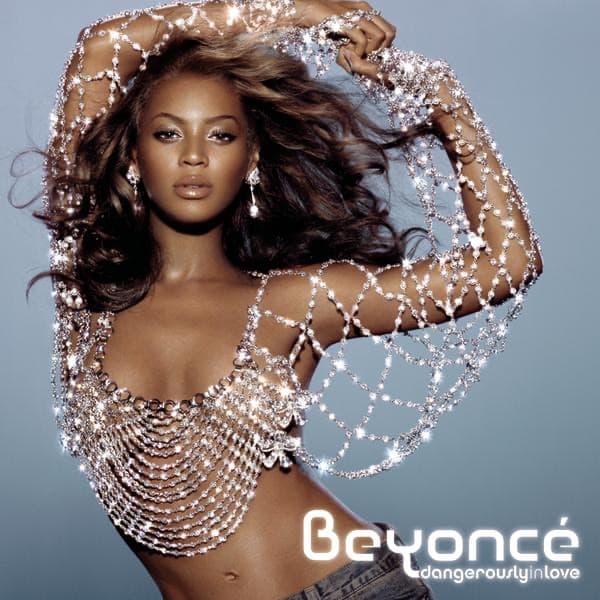
Beyoncé
Dangerously in Love
Crazy in Love is a Chi-Lites horn sample, a go-go breakdown and Jay-Z, and it spent eight weeks at number one. Baby Boy with Sean Paul is dancehall. Naughty Girl is Donna Summer. Me, Myself and I is the ballad. Four Grammys on a night she won five, and the first record where she did not need a group.

OutKast
Speakerboxxx/The Love Below
Two discs, two men. Big Boi's Speakerboxxx has The Way You Move and Ghetto Musick and the funk. André 3000's The Love Below has Hey Ya!, a Prince record made by a man who had stopped rapping, plus Roses, Spread, and a jazz standard. More than two hours, Album of the Year, and OutKast's last real record.

Jay-Z
The Black Album
A different producer for every song: Rick Rubin's 99 Problems, all drums and guitar; Timbaland's Dirt Off Your Shoulder; Kanye's Encore; the Neptunes' Change Clothes. December 4th is his mother telling his birth story. Billed as a retirement, and the a cappella version gave Danger Mouse The Grey Album.

blink-182
blink-182
I Miss You is a piano and a brushed drum and Tom DeLonge singing like a kid at a funeral. Feeling This alternates the two singers like an argument. Robert Smith of the Cure sings on All of This. The joke band grew up, made its longest and darkest record, and split two years later. The emo bands that came after treated it as permission.

T.I.
Trap Muzik
24's opens it with a DJ Toomp beat that sounds like a police helicopter, and Rubber Band Man and Be Easy follow. T.I. raps about the trap, Atlanta's word for a drug house, with a drawl that makes every line sound like advice. The record that named a genre the 2010s would live inside.

Kanye West
The College Dropout
Through the Wire was rapped with his jaw wired shut. Jesus Walks is a gospel march with a military drum. All Falls Down is about insecurity and shopping. Slow Jamz has Twista and Jamie Foxx, Spaceship is about working at the Gap. Sped-up soul samples and a pink polo shirt, and the record fifteen years of rap argued with.

Usher
Confessions
Yeah! is Lil Jon's crunk beat with a Ludacris verse, and it spent twelve weeks at number one. Burn and Confessions Part II are Jermaine Dupri ballads about getting caught. My Boo is a duet with Alicia Keys. Ten million copies in America, four number ones, and the biggest R&B record of the decade.

Madvillain
Madvillainy
Twenty-two tracks in forty-six minutes, most without a chorus. MF DOOM rhymes in a mask over beats Madlib made on a portable sampler in a hotel room in Brazil; All Caps and Accordion are the ones everyone knows. It leaked a year early and they finished it anyway. The underground's record of the decade.

Arcade Fire
Funeral
Four songs called Neighborhood about a town buried in snow with the power out. Wake Up is a choir and a march and became a stadium song before the band had played one. Rebellion (Lies) is the same trick with a piano. Written after several deaths in the band's families, recorded in a Montreal loft, and the record that made indie an arena genre.
Green Day
American Idiot
A punk rock opera about Jesus of Suburbia, a kid raised on television in a country at war, with two nine-minute suites and Boulevard of Broken Dreams, which won Record of the Year. Wake Me Up When September Ends is about Billie Joe Armstrong's father and became a 9/11 song anyway. Sixteen million copies and a Broadway musical.
Loretta Lynn
Van Lear Rose
Thirteen songs Loretta Lynn wrote herself at seventy-two, recorded in twelve days with Jack White producing and playing guitar through a fuzz pedal. Portland, Oregon is a duet about a one-night stand. Miss Being Mrs is about her husband's death. The Grammy for Best Country Album, and proof the garage-rock kids' heroes were still working.

Daddy Yankee
Barrio Fino
Gasolina is the dembow beat, a synth hook and a chant, and it made reggaeton a global genre. Lo Que Pasó, Pasó is the ballad, King Daddy the boast. Luny Tunes produced the hits. The first reggaeton album to top the Latin chart in America, more than eight million copies worldwide, and Gasolina is in the National Recording Registry.

Sufjan Stevens
Illinois
Chicago is the anthem: strings, a choir, a Wurlitzer and a lyric about driving to the city to start over. John Wayne Gacy, Jr. is a whispered song about a serial killer. Casimir Pulaski Day is about a friend dying of cancer. Twenty-two tracks in seventy-four minutes, with banjo and brass, and the biggest record of the indie-folk decade.

Kanye West
Late Registration
Jon Brion, who scores films, put strings and harpsichord behind the soul samples. Gold Digger with Jamie Foxx spent ten weeks at number one. Diamonds from Sierra Leone is a Shirley Bassey sample and a conscience. Hey Mama is a love song to his mother. Touch the Sky is Curtis Mayfield and Lupe Fiasco. Best Rap Album, and the sound of a producer showing off.

Young Jeezy
Let's Get It: Thug Motivation 101
Soul Survivor with Akon is the hit, and Go Crazy with Jay-Z the co-sign, but the sound is the point: Shawty Redd's synth stabs, an 808 like a freezer door, and Jeezy's cracked ad-libs. Trap music as motivational speech. The Atlanta of the next decade starts here.

Carrie Underwood
Some Hearts
Jesus, Take the Wheel is a story song about a woman on an icy road that went to number one on the country chart for six weeks. Before He Cheats is about keying a truck, and it crossed to pop. Seven and a half million copies, six months after American Idol, and the record that made television a real road into Nashville.
Arctic Monkeys
Whatever People Say I Am, That's What I'm Not
The View from the Afternoon opens it at a sprint and I Bet You Look Good on the Dancefloor keeps going. Alex Turner sings about taxi ranks, bouncers and a girl called Mardy Bum in a Sheffield accent, and When the Sun Goes Down is about a prostitute on his street. Thirteen songs in forty-one minutes, the fastest-selling debut in British history, and the sound of a town on a Friday night.

J Dilla
Donuts
Thirty-one instrumental loops, most under two minutes, made in a hospital bed in Los Angeles on a sampler and a stack of records his friends brought in. The last track runs into the first so it never ends. Released on his thirty-second birthday, three days before he died, and the most imitated beat record of the century.

My Chemical Romance
The Black Parade
A concept album about a man dying of cancer, who is met by a parade. Welcome to the Black Parade starts on a piano and ends as a march; Teenagers is a glam stomp; Cancer is a piano ballad; Famous Last Words is the finale. Rob Cavallo produced it like a Queen record. Emo's Bohemian Rhapsody, and the scene's biggest and best album.

Amy Winehouse
Back to Black
Rehab is a Motown beat and a refusal. You Know I'm No Good is a confession over a Dap-Kings groove. Back to Black, the title track, is a Shangri-Las funeral. Love Is a Losing Game is the saddest thing in this chapter. Mark Ronson and Salaam Remi produced it in a sixties style, and the voice is the only new thing on it, and the only thing that mattered.
Clipse
Hell Hath No Fury
Pusha T and Malice rap about selling cocaine in Virginia Beach with a poet's vocabulary over the sparest beats the Neptunes ever made: Mr. Me Too is a steel drum and a bassline, Keys Open Doors a church organ. Delayed for years by label fights, released in November 2006, and the drug-rap record every rapper since has quoted.

LCD Soundsystem
Sound of Silver
All My Friends is one piano chord for seven and a half minutes and a lyric about getting older that made grown men cry at festivals. Someone Great is a death set to a synth pulse. North American Scum is the joke. James Murphy's punk-disco band made its masterpiece, and the Guardian ranked it fifth among the century's albums.

Kanye West
Graduation
Stronger is Daft Punk's Harder, Better, Faster, Stronger with a rapper on top, and it went to number one. Good Life has T-Pain. Flashing Lights is synths and strings. Made after opening for U2, built for stadiums, and it outsold 50 Cent's Curtis in the sales week that ended gangsta rap's decade.

Radiohead
In Rainbows
15 Step opens on a handclap in 5/4 and a children's shout. Nude is a ballad they had been trying to record for a decade. Reckoner is the prettiest thing they have made. Ten songs in forty-two minutes, sold from their own website for whatever you wanted to pay, and the warmest Radiohead record.

Burial
Untrue
Archangel is a pitched-up R&B vocal, a two-step beat and a crackle like vinyl in the rain. Near Dark, Etched Headplate, Raver. Made in Sound Forge by a man who would not show his face, and it sounds like the last night bus through South London. Dubstep's masterpiece, and the moment the genre became something you listened to alone.
M.I.A.
Kala
Paper Planes is a Clash sample and a chorus of cash registers and gunshots, and it went to number four in America. Boyz was recorded in Trinidad, Bird Flu in India with a drum troupe, Jimmy is a Bollywood disco cover. Made around the world because she could not get into the United States, and the decade's global pop record.
Robert Plant and Alison Krauss
Raising Sand
A Led Zeppelin singer and a bluegrass fiddler harmonizing on Everly Brothers, Townes Van Zandt and Gene Clark songs, with T Bone Burnett producing and Marc Ribot's guitar in the shadows. Please Read the Letter won Record of the Year; the album won Album of the Year in 2009. Quiet, strange and the decade's best roots record.

Lil Wayne
Tha Carter III
A Milli is one sample of a voice saying the title and Wayne rapping for four minutes without a hook. Lollipop is Auto-Tune and went to number one. Mr. Carter has Jay-Z, Dr. Carter is a rapper as surgeon, Tie My Hands is about Katrina. A million copies in a week, Best Rap Album, and the peak of a run of mixtapes that had made him the best rapper alive.

Fleet Foxes
Fleet Foxes
White Winter Hymnal is a round sung by four voices about children in the snow. Blue Ridge Mountains, Ragged Wood, Your Protector. Robin Pecknold's Seattle band sang like the Beach Boys in a cathedral, and the Bruegel painting on the cover told you what it would sound like. The best debut of the indie-folk wave.
Bon Iver
For Emma, Forever Ago
Nine songs made alone in a Wisconsin hunting cabin in winter, in falsetto, over an acoustic guitar and a borrowed drum kit. Skinny Love is the one everyone knows; Flume, Re: Stacks and the title track are the ones that stay. The record and the story about it became the same thing, and the myth is the last of the indie decade's.

Kanye West
808s & Heartbreak
Made in three weeks after his mother died and his engagement ended, on a Roland TR-808 and Auto-Tune, with Kanye singing instead of rapping. Love Lockdown is a drum and a heartbeat. Heartless is the hit. Street Lights is the one that hurts. Critics did not know what it was in 2008. Drake, Kid Cudi, Future and the Weeknd did.

Taylor Swift
Fearless
Love Story is Romeo and Juliet with a happy ending and a key change. You Belong with Me is about the girl in the bleachers. Fifteen is about her friend Abigail. White Horse is the ballad. Written at seventeen and eighteen on a tour bus, and it won Album of the Year, making her the youngest winner. The pop crossover was deliberate, and it worked.

Lady Gaga
The Fame
Just Dance and Poker Face both went to number one, RedOne's synths hitting like Europop with a New York club kid's lyrics. Paparazzi is about wanting to be watched. LoveGame has a disco stick. A record about fame made before she had any, and the electropop template for the next five years of radio.

Animal Collective
Merriweather Post Pavilion
My Girls is an arpeggio, a chant about wanting a house for your family, and a beat that arrives after two minutes. Summertime Clothes and Brother Sport are the party. A decade of Baltimore noise and campfire singing turned into electronic pop, and the record the indie decade closed on.

Drake
So Far Gone
Best I Ever Had is a rapper singing his own hook over a sped-up soul sample, and it went to number two on the pop chart from a free download. Successful has Trey Songz and Lil Wayne. Houstatlantavegas is a slow song about a stripper. A mixtape from a former child actor in Toronto, and the template for the next decade of rap.
The Mixtape
The decade in tracks, in the order that tells its story. Press Listen on any of them.
Everything in Its Right Place
RadioheadStart here: the biggest rock band alive opening its decade with a Rhodes piano and a cut-up voice. The rules are being rewritten in the first ten seconds.
The Real Slim Shady
EminemA comedian's routine about everyone in pop, over a Dre beat that sounds like a cartoon. Hip-hop is about to become the culture, and this is the sound of it not asking permission.
Ms. Jackson
OutKastAn apology to a girlfriend's mother that went to number one. Atlanta announcing it does not have to sound like New York to win, and being right.
In the End
Linkin ParkA piano, a rap verse, a screamed chorus and a turntable, in three and a half minutes. Nu-metal's biggest song, and the one every kid in 2001 could sing from memory.
One More Time
Daft PunkRomanthony's Auto-Tuned voice over a filtered horn loop. The happiest song of the decade, and the seed of Kanye's Stronger, blog house and the EDM festival.
Fallin'
Alicia KeysA Chopin-style piano figure and a blues over it, from a twenty-year-old who wrote and produced it herself. Neo-soul reaches number one.
Last Nite
The StrokesThe intro is stolen from Tom Petty and nobody minded. Rock goes back to the garage in a leather jacket, and every guitar band of the next five years follows.
The Middle
Jimmy Eat WorldA two-minute pep talk with a guitar solo. Emo leaves the basement for the radio without changing what it is about.
Work It
Missy ElliottThe hook runs backwards, on purpose, over Timbaland's old-school break. The decade's most inventive hitmaker at her most inventive.
Hurt
Johnny CashA seventy-year-old sings Trent Reznor's song about self-destruction with his hands shaking, and it becomes his. Play the video; that is the point.
Clocks
ColdplayA piano figure found at the end of the sessions, and Record of the Year. The map every sensitive stadium band used for the rest of the decade.
Temperature
Sean PaulDutty Rock's Get Busy put the Diwali riddim at number one; this, from The Trinity, is the same trick three years later, and it went to number one too. Dancehall as American pop.
In da Club
50 CentA Dre beat and a birthday chant, from a man shot nine times. The biggest song of 2003 and gangsta rap's last imperial moment.
Seven Nation Army
The White StripesA guitar through an octave pedal pretending to be a bass. The last riff everyone on earth knows, and now a football chant on three continents.
Crazy in Love
BeyoncéA Chi-Lites horn sample, a go-go breakdown and a Jay-Z verse. The first record where she did not need a group, and eight weeks at number one.
Hey Ya!
OutKastAndré 3000 stopped rapping and made a Prince record, and it was the happiest single of the decade. Shake it like a Polaroid picture.
Jesus Walks
Kanye WestA gospel march with a military drum, from a producer nobody wanted to let rap. The church inside hip-hop, and the start of fifteen years of argument.
Yeah!
UsherLil Jon's crunk beat, a Ludacris verse and Usher on top: twelve weeks at number one and the birth of crunk&B. The South takes R&B too.
Float On
Modest MouseA song about things going wrong and being fine anyway, from the strangest band in nineties indie. Weirdness goes pop, and a whole scene finds out it can be that big.
American Idiot
Green DayThree chords and a country at war, six weeks before the election. The punk rock opera starts here, and it ended up on Broadway.
Since U Been Gone
Kelly ClarksonMax Martin and Dr. Luke rebuild their empire on a pop-rock chorus borrowed from the Yeah Yeah Yeahs, sung by a television winner who turned out to be the real thing.
Hips Don't Lie
ShakiraColombian pop with a Wyclef Jean verse and a Jerry Rivera horn line, number one in a dozen countries. Latin pop crosses over on its own terms.
Welcome to the Black Parade
My Chemical RomanceStarts on a single piano note and ends as a marching band. Emo's Bohemian Rhapsody, and the kids in eyeliner got their opera.
Rehab
Amy WinehouseA Motown beat and a refusal, sung by a twenty-three-year-old from Camden in a voice that sounded fifty. Five Grammys, and the door Adele walked through.
D.A.N.C.E.
JusticeA children's choir singing about Michael Jackson over distorted disco. The blog-house summer, and the French touch's second wave.
Crank That (Soulja Boy)
Soulja BoyA steel-drum preset on a demo copy of FL Studio and a YouTube video teaching the dance. Seven weeks at number one, and the first hit that went around every gatekeeper.
Stronger
Kanye WestDaft Punk's Harder, Better, Faster, Stronger with a rapper on top. The week this beat 50 Cent, gangsta rap's decade ended and rap went to the stadium.
Paper Planes
M.I.A.A Clash sample and a chorus of cash registers and gunshots, from a Tamil refugee who could not get a US visa. The decade's global pop record.
White Winter Hymnal
Fleet FoxesA round for four voices about children in the snow. The indie-folk wave at its prettiest, and proof the blog era could also be quiet.
Lollipop
Lil WayneThe best rapper alive singing through Auto-Tune, and it went to number one. The mixtape era's king, and the sound T-Pain built becoming the sound of everything.
Single Ladies (Put a Ring on It)
BeyoncéThree women, one hand, a black-and-white video every school on earth copied. Song of the Year, and the biggest star in the world at the end of the decade.
Heartless
Kanye WestAn 808, Auto-Tune and a rapper singing about his own grief. Critics did not know what it was; Drake, Kid Cudi and the Weeknd did. The 2010s start here.
Poker Face
Lady GagaRedOne's Europop synths and a New York club kid's lyric about bluffing. The last pop star who could still shock, and the electropop the decade ended on.
My Girls
Animal CollectiveAn arpeggio, a chant about wanting a house for your family, and a beat that takes two minutes to arrive. The indie decade dissolving into the electronic pop it had been circling.
I Gotta Feeling
The Black Eyed PeasDavid Guetta's house beat under a party chant, fourteen weeks at number one. The European club sound lands on American pop radio, and the EDM decade is about to begin.
What Came Next
By the end of 2009 the CD was a souvenir, Spotify was a year old, the iPhone was the stereo, and the mixtape had become the debut album. Drake's So Far Gone, Kid Cudi's Day 'n' Nite and Kanye's 808s & Heartbreak had shown rappers they could sing, and Lil Wayne's Young Money was about to put Drake and Nicki Minaj on every chart of the next decade. Kendrick Lamar was recording in Compton. Skrillex was about to turn Croydon's dubstep into an American arena sound, David Guetta and Swedish House Mafia were about to make house music the biggest business in pop, and Taylor Swift had just won Album of the Year at twenty.
Rock had held its own, fractured and evolving, but the 2000s were the last time it felt like the mainstream of youth culture. The blog era's indie bands were headlining Coachella; the emo kids were about to become the pop stars, producers and TikTok nostalgia of the 2020s. Everything that had been niche or regional now had a global platform, and the next decade would be lived on it: streaming, playlists, a genreless feed where your favorite artist might be screaming one track and crooning the next. The 2000s built that world by accident. The 2010s moved in.